
Washing a car without access to a traditional hose or in water-restricted areas can feel like a recipe for paint damage, as dragging dirt across dry or poorly lubricated clear coat easily inflicts unsightly swirl marks and fine scratches. You can safely clean your vehicle without a hose by using a high-lubrication rinseless wash product paired with a multi-towel microfiber method, which encapsulates dirt particles in polymer barriers and ensures a clean towel surface touches the paint for every single pass. Unlike traditional car soaps that rely on heavy suds to carry away dirt and require a thorough rinse, rinseless washes utilize advanced substantive polymers that bond to both the paint and the dirt particles, forming a microscopic, slippery barrier that allows the dirt to slide off the surface without scratching the clear coat. By understanding the physical and chemical principles behind this process, you can maintain a clean finish on your vehicle’s exterior surfaces while conserving water and working in confined spaces like garages or apartment parking structures.
What equipment do you need for a safe rinseless car wash?
To perform a safe rinseless wash, you need a dedicated rinseless wash concentrate, a collection of high-quality plush microfiber towels, a pre-spray bottle, and at least one clean bucket. These tools work together to maximize lubrication and isolate abrasive dirt particles before they can mar your vehicle’s paint. Your choice of microfiber towels is the most critical factor in protecting your paint. You should select high-quality, plush microfiber towels with a high pile length, typically rated between 300 and 500 GSM (grams per square meter). The long, soft fibers of a high-pile towel provide a physical recess where dirt particles can be trapped and held away from the paint surface. Avoid thin, low-quality utility microfibers, as they lack the depth to safely bury dirt, which forces the grit to remain on the towel’s surface where it will act like “sandpaper” against your clear coat.
The rinseless wash concentrate itself must be specifically formulated for high lubrication and dirt encapsulation. Before purchasing, verify the product documentation to ensure compatibility with your specific vehicle surfaces, especially if you have aftermarket vinyl wraps, matte paint finishes, or delicate exterior plastics. A dedicated spray bottle or a pressurized pump sprayer is necessary to apply a pre-treatment layer of the solution directly to the vehicle panels. Additionally, you will need at least one clean five-gallon bucket to hold your wash solution and soak your clean towels. Finally, gather separate, clean drying towels to remove the remaining moisture and polymer residue. High-quality twisted-loop or plush microfiber drying towels are ideal for this step, and they must be kept completely separate from your wash towels to prevent any cross-contamination of dirt.
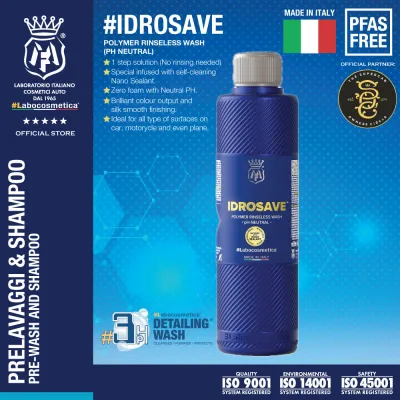
Products mentioned in this guide
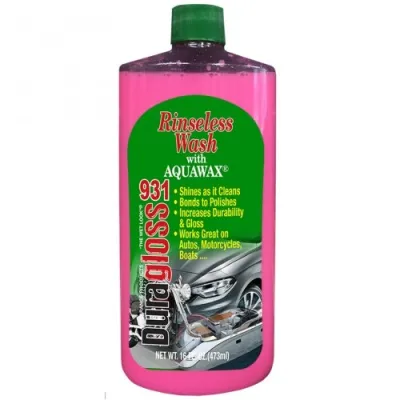
10 Lazada user ratings
I’d used this for years now. It’s a good product and a capful can wash the entire car.
Received in good condition. One step clean and shine. Recommended!
Items were delivered as ordered and in good condition.
Great product
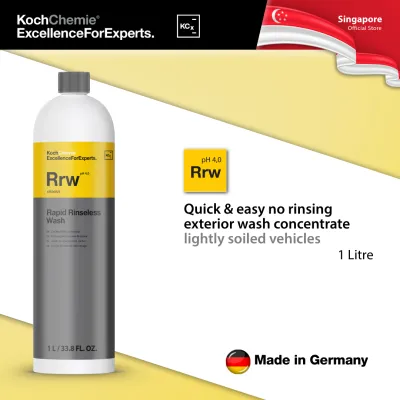
4 Lazada user ratings
For Rinseless wash method of car wash. Have yet to try it out, just received the parcel on time
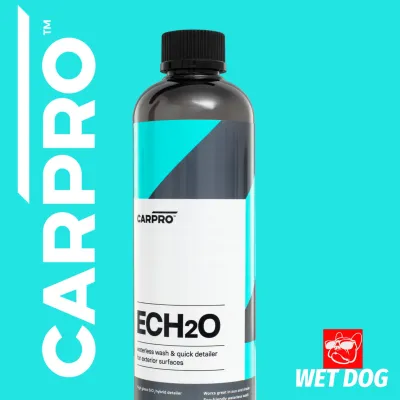
7 Lazada user ratings
Requires dilution with water. Makes it very value for money. 1 part product : 10 part water for effective use. Suggest to get the CarPro Dil…Read full reviewShow less
Requires dilution with water. Makes it very value for money. 1 part product : 10 part water for effective use. Suggest to get the CarPro Dilute Bottle to make diluting easy.
Yet to try but item came well protected, no leaking and fast delivery
Great value for $$$
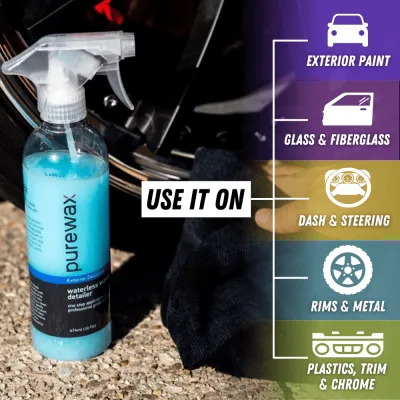
10 Lazada user ratings
Very cool and very well made. Sparkling clean and very nice to look
Quality:10/10 Appearance:10/10 Performance:10/10 👍 Awesome!
Nicely packed with bubble wrapper. Update after use.
repeat purchase Performance:Good
Well received yet to use
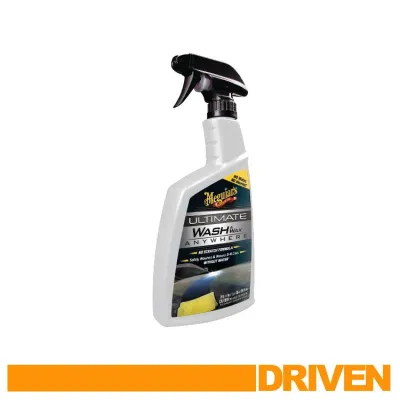
86 Lazada user ratings
Strange that I received this box of car freshener along with the bottle of car wash & wax which i ordered. Excitedly, i opened up the box on…Read full reviewShow less
Strange that I received this box of car freshener along with the bottle of car wash & wax which i ordered. Excitedly, i opened up the box only to find nothing. It was empty! I felt pranked. Haha....
Received in good condition, no leakage in box. Product is effective in cleaning and removing dirt. Also good in removing light water spots.
No need for water or rinsing, Leaves a long-lasting shine, Convenient and effective, Ideal for maintaining a clean car,
Quality: great Appearance: good and well packaged Performance: the best waterless wash not oily
Easy to use as instructed. My paintwork looks shiny now.
Prices are valid at publication and may change. Please refer to the product page for the latest price.
How should you prepare the rinseless wash solution and microfiber towels?
You must prepare your rinseless wash by diluting the concentrate with clean water according to the manufacturer’s exact label instructions and fully submerging your clean microfiber towels in the mixture. Proper preparation ensures that every towel is saturated with lubricating polymers, which is the primary defense against friction-induced scratches. Always read and strictly follow the specific dilution ratio printed on your rinseless wash product label rather than relying on generic internet recipes. Rinseless wash concentrates are highly engineered, and their dilution ratios are precise—often requiring as little as one ounce of product per two gallons of water for the wash bucket, and a slightly stronger concentration for the pre-spray bottle. Under-diluting the product can leave a sticky, streak-prone polymer residue on your paint, while over-diluting reduces the lubrication level, leaving your clear coat vulnerable to wash marring.

Begin by filling your wash bucket with clean, preferably soft or distilled water, and add the measured amount of concentrate. Submerge four to eight clean, plush microfiber towels directly into the bucket, letting them soak completely so they are heavy with the liquid. This ensures maximum fluid transfer to the car’s panels. The safety of this method relies entirely on the principle of encapsulation. When the fully saturated towel touches the pre-sprayed panel, the polymer-rich solution floods the surface, surrounding each individual dirt particle in a slippery chemical envelope. Before touching the paint, fold each soaked microfiber towel into quarters, creating a square that is roughly the size of your hand. This standard eight-side fold method allows you to systematically rotate to a completely clean, unused microfiber surface for each section of the vehicle, ensuring that you never drag accumulated dirt from one panel onto the next.
What is the correct wiping technique to prevent swirl marks?
The correct wiping technique requires working from the cleanest top sections of the vehicle downward using straight, single-pass lines with virtually no downward pressure. This systematic approach prevents you from dragging heavy road grime from lower panels onto delicate upper surfaces and avoids grinding dirt into the clear coat. Always begin your wash at the cleanest areas at the top of the vehicle, which typically include the roof, the glass, and the upper portions of the hood and trunk. After cleaning these areas, work your way down to the mid-panels, and finish with the heavily soiled lower rocker panels, bumpers, and wheel arches. Because gravity causes heavy road grime, salt, and abrasive debris to accumulate on the lower third of the vehicle, washing from the top down ensures that your towels remain as clean as possible for the most sensitive paint areas.
When wiping the paint, use straight-line motions that follow the direction of airflow over the vehicle rather than circular motions. Circular wiping motions are the primary cause of circular scratch patterns, commonly known as swirl marks, which catch light from all directions and are highly visible. If a straight-line wipe causes a minor micro-scratch, it will run parallel to the panel lines, making it significantly less visible and much easier to correct during a paint polish. Apply zero to minimal downward pressure as you guide the towel across the panel. You should not be scrubbing or pressing the towel into the paint; instead, let the weight of your hand and the wet, lubricated microfiber do the work of lifting the dirt. To maximize safety, use a rolling or lifting motion on the trailing edge of the towel as you complete each pass. Instead of keeping the towel completely flat and pushing a pile of dirt ahead of it, slightly lift the leading edge of the towel as you move forward. This technique rolls the dirt up and into the deep pile of the microfiber, trapping it safely away from the paint surface.
How do you manage your microfiber towels during the wash to avoid scratching?
Managing your microfiber towels involves flipping to a completely fresh towel face after every single panel pass and immediately discarding a towel to the “dirty” pile once all sides have been used. Under no circumstances should a soiled microfiber surface touch your vehicle’s paint twice during the wash process. As you clean each panel, systematically flip and fold your towel to expose a fresh, clean side. For example, after wiping one half of the roof, flip the towel to the second side for the other half. Fold the towel inside out to access sides three and four for the hood. Once all eight sides of a towel have made a single pass over the paint, place that towel directly into a separate “dirty” bucket or bin. Do not rinse the dirty towel in your clean wash bucket, as this would introduce suspended dirt particles back into your clean solution and contaminate the remaining towels.
It is crucial to separate heavily soiled towels used on lower panels from those used on the upper panels. The lower sections of a car collect highly abrasive debris like brake dust, road salt, and asphalt particles. Dedicate specific towels for these high-contamination zones, and never reuse them on delicate upper panels during the same wash session. Once you have completed the wash, proper maintenance of your microfiber towels is essential to preserve their dirt-trapping ability and softness for future use. Wash your microfiber towels separately from regular household laundry to prevent cotton lint from clogging the synthetic fibers. Use a dedicated microfiber wash detergent or a gentle, liquid laundry detergent that is completely free of dyes, perfumes, and fabric softeners. Always dry your microfiber towels on a low-heat setting or hang them to air dry in a clean, dust-free environment. High heat from a standard dryer can easily melt the delicate polyester and polyamide fibers, causing them to become hard and scratchy, which will inevitably damage your vehicle’s clear coat during the next wash.
What common mistakes cause scratches during a rinseless wash?
The most common mistakes that lead to scratches during a rinseless wash include attempting to clean heavily caked mud without a pre-rinse, using too little solution, and working on hot paint under direct sunlight. Recognizing these environmental and physical limits allows you to adjust your technique before damaging your clear coat. Never attempt a rinseless wash on a vehicle that is covered in heavy, caked-on mud, thick clay, or heavy off-road debris. The polymer encapsulation technology has a physical limit; when the volume of dirt exceeds the lubrication capacity of the solution, dragging a towel across the paint will cause severe scratching. In these situations, you must perform a traditional pre-rinse using a high-pressure hose or pressure washer to knock off the heavy debris before proceeding with the rinseless wash process.
Using insufficient solution is another critical error that leads to dry wiping and high friction. Some detailers make the mistake of wringing their wash towels until they are barely damp, or failing to pre-spray the panels generously. Without a thick layer of lubricating fluid, the microfiber fibers will rub directly against the clear coat, causing immediate marring. Reusing the same side of a dirty towel on multiple panels out of a desire to save time or laundry is a guaranteed way to introduce scratches. Once a microfiber face has lifted dirt from the paint, those abrasive particles remain trapped in the fibers. Finally, avoid performing a rinseless wash in direct, hot sunlight or on panels that are hot to the touch. High temperatures cause the water in the lubricating solution to flash-dry rapidly on the paint, leaving behind dried polymer residues that are difficult to remove and eliminating the essential lubrication layer. Always work in the shade, inside a garage, or during the cooler parts of the day to ensure the solution remains wet and active on the surface while you work.

Community discussion
Share your experience or ask a question. Comments are reviewed before publication.