
To verify if a Tire Pressure Monitoring System (TPMS) sensor is compatible with your tire and wheel specifications, you must match the sensor’s radio frequency to your vehicle’s receiver, ensure the physical valve stem fits the wheel’s mounting hole, and confirm the sensor body clears the wheel barrel and tire bead. A mismatch can lead to persistent warning lights, slow air leaks, or physical damage during tire mounting.
Identify Your Vehicle's TPMS System Requirements
Before purchasing any replacement parts, you must determine the specific electronic and system requirements dictated by your vehicle’s manufacturer. The first step is identifying whether your vehicle uses a direct or indirect TPMS. An indirect system does not use physical sensors inside the wheels; instead, it utilizes the vehicle’s Anti-lock Braking System (ABS) wheel speed sensors to detect differences in rotational speed caused by under-inflation. If your vehicle uses an indirect system, you do not need to purchase physical TPMS sensors when changing wheels or tires.
If your vehicle uses a direct TPMS, it relies on physical sensors mounted inside each wheel assembly. These sensors transmit pressure and temperature data via radio frequency to an onboard receiver. In the automotive industry, direct TPMS sensors operate primarily on two frequencies: 315 MHz and 433 MHz. Generally, vehicles built for different regional markets or by different manufacturers utilize one of these two standards. These frequencies are not interchangeable; a 315 MHz receiver cannot detect a 433 MHz sensor signal. You can find the required frequency by checking your vehicle’s owner’s manual, consulting a dealership with your Vehicle Identification Number (VIN), or inspecting the markings on an original OEM sensor.
Products mentioned in this guide
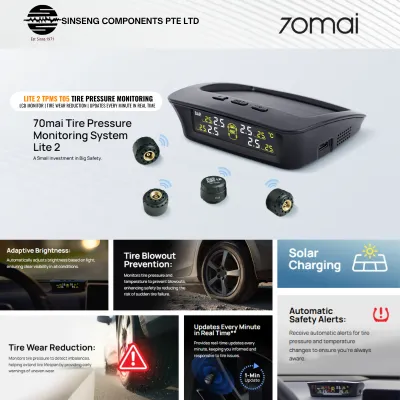
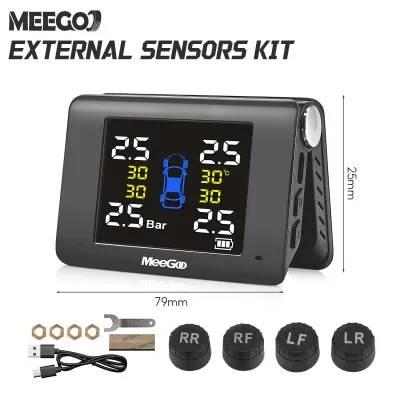
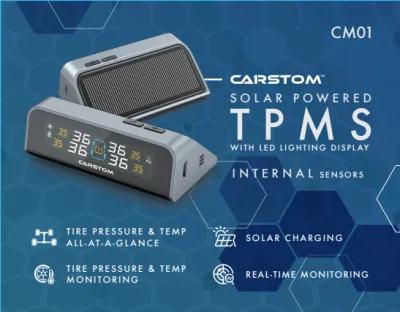

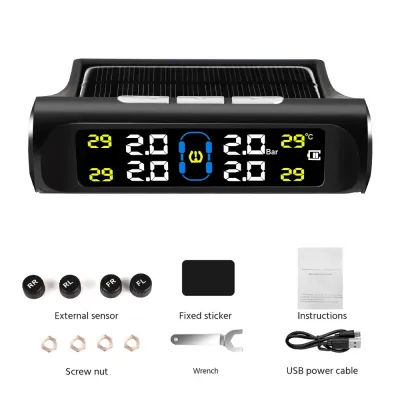
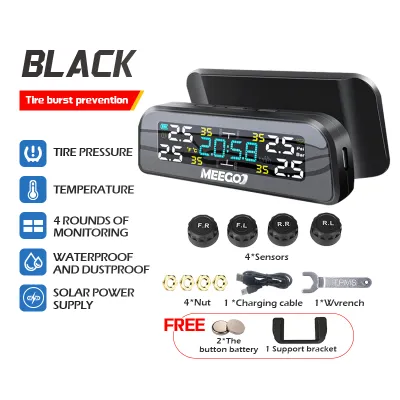
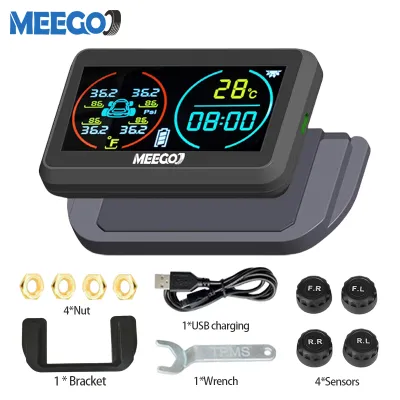
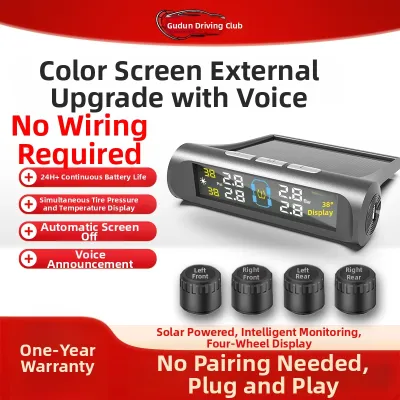
Prices are valid at publication and may change. Please refer to the product page for the latest price.
Furthermore, TPMS specifications can change between model years, even within the same vehicle generation. A manufacturer might update the communication protocol, encryption, or sensor supplier mid-cycle. Trim levels also play a role, as high-performance or luxury trims may feature advanced telemetry systems that require specific sensor models. Always verify your vehicle’s exact manufacturing date—often found on the certification label on the driver’s side door jamb—rather than relying solely on the model year.
Check Physical Fitment for Wheels and Tires
Once you have established the electronic requirements, you must ensure the physical design of the sensor matches your wheel type and tire setup. The valve stem is the primary interface between the sensor and the wheel, and it comes in two main styles: rubber snap-in and metal clamp-in. Rubber snap-in stems are common on standard passenger vehicles and are generally rated for lower maximum speeds, typically up to 210 km/h. Metal clamp-in stems, which are secured to the wheel with a threaded nut and grommet, are required for high-speed vehicles, high-pressure applications, and many aftermarket alloy wheels.

The diameter of the valve stem hole in the wheel is another critical dimension. Most passenger car wheels feature a standard valve hole diameter of 11.5 mm, but some heavy-duty, commercial, or older custom wheels may use a larger 15.9 mm hole. The replacement sensor’s valve stem must match this diameter exactly to create an airtight seal. Using an incorrect size will result in immediate or slow air leaks that are difficult to diagnose.
Internal clearance inside the wheel barrel is equally vital. The electronic sensor body, which houses the battery and transmitter, sits inside the wheel drop center. The drop center is the recessed middle section of the wheel barrel that allows the tire bead to be mounted. The sensor body must sit flat against this surface. If the sensor body protrudes too far or sits at an awkward angle, the tire bead can crush it during the mounting process. Additionally, on vehicles with tight brake clearances, an improperly positioned sensor or an oversized aftermarket sensor body may contact the brake calipers, leading to catastrophic failure of both the sensor and the braking components.
Tire construction also imposes specific constraints. Run-flat tires feature heavily reinforced, stiff sidewalls that require immense force to mount onto the wheel. This mounting force increases the risk of the tire bead striking and breaking the sensor. If you use run-flat tires, you often need specialized sensors with adjustable-angle valve stems that can be positioned safely out of the path of the tire bead. Similarly, low-profile tires offer very little vertical clearance inside the tire cavity, requiring compact, low-profile sensor designs to prevent the inner tire liner from contacting the sensor body during heavy impacts or high-load cornering.
Cross-Reference Replacement Sensor Specifications
With your vehicle and wheel specifications in hand, you can cross-reference the technical data of potential replacement sensors. When reviewing product listings or packaging, verify the exact frequency, compatible OEM part numbers, and torque specifications. Metal clamp-in sensors require precise torque during installation. Over-tightening the retaining nut can crack the rubber sealing grommet or strip the aluminum threads, while under-tightening allows the sensor to shift and leak air. Always use a calibrated torque wrench to tighten the nut to the manufacturer’s exact specifications, which typically range between 4 and 8 Newton-meters.
You must also choose between pre-programmed and programmable aftermarket sensors. Pre-programmed sensors are hardcoded with the communication protocols for specific vehicle makes and models. They are ready to install out of the box but offer limited vehicle coverage. Programmable (or universal) sensors are shipped blank and can be programmed to mimic almost any OEM sensor protocol. However, programmable sensors require a compatible diagnostic scan tool to write the vehicle-specific data to the sensor chip before installation. If you purchase programmable sensors, you must ensure that your installer possesses the specific programming tool compatible with that sensor brand.
Finally, check the operating temperature and speed ratings printed on the sensor’s technical datasheet. High-performance driving, track use, or heavy towing subjects the wheel assembly to extreme heat and centrifugal forces. Ensure the replacement sensor is rated to withstand the maximum operating conditions of your vehicle to prevent premature battery failure, casing cracks, or signal loss under demanding driving conditions.
When to Stop and Consult a Tire Professional
Working with tires, wheels, and pressurized assemblies carries inherent safety risks. Dismounting a tire to access or replace a TPMS sensor requires specialized machinery, bead-breaking tools, and safety equipment. Attempting to break a tire bead or install sensors using makeshift tools at home can damage the wheel alloy, tear the tire bead, or cause severe personal injury due to sudden decompression. Always prioritize safety and consult a qualified tire professional for physical installation and system programming.
You should stop and seek professional assistance if the original sensor labels are missing, corroded, or illegible. Without the original part number or FCC ID, identifying the correct communication protocol is extremely difficult. A professional tire shop can use a specialized wireless diagnostic tool to trigger and read the active sensors through the tire sidewall, identifying the exact protocol and frequency without dismounting the tire.
Aftermarket wheels also present unique challenges that often require expert intervention. Many custom, multi-piece, or deep-dish wheels feature non-standard drop centers, unusual valve hole angles, or valve holes located on the inner lip of the wheel. Standard off-the-shelf sensors may not fit these configurations. A tire professional can recommend specialized sensor adapters, strap-mount kits, or flexible valve stems designed specifically for custom wheel applications.
Lastly, if you encounter conflicting information between your vehicle’s owner’s manual, the aftermarket wheel manufacturer’s guidelines, and the replacement sensor packaging, do not proceed with the installation. A professional technician has access to regularly updated fitment databases and can verify compatibility before any physical work begins, saving you from costly mounting and dismounting fees.
Frequently Asked Questions (FAQ)
Can I use a universal programmable TPMS sensor for any car?
While universal programmable TPMS sensors offer broad compatibility, they cannot be used on every single vehicle without preparation. These sensors are shipped blank and must be programmed with a compatible diagnostic tool to load the specific protocol for your vehicle’s make, model, and year. Before purchasing, you must cross-reference the sensor manufacturer’s official vehicle coverage list to confirm your specific vehicle is supported. Additionally, ensure your chosen tire shop has the proprietary programming tool required for that specific brand of aftermarket sensor, as tools from different manufacturers are often not interchangeable.
Do I need new TPMS sensors when changing to aftermarket wheels?
You do not always need to purchase new TPMS sensors when upgrading to aftermarket wheels, but you must verify that your existing sensors physically fit the new wheels. The original sensor’s valve stem angle and body shape must align properly with the new wheel’s drop center and valve hole. If you decide to transfer your old sensors, you must install a new TPMS service kit—which includes a new rubber grommet, retaining nut, valve core, and cap—to guarantee a reliable, airtight seal. Furthermore, consider the remaining battery life of your original sensors; if they are more than five years old, it is highly recommended to replace them now to avoid paying double labor costs when the batteries eventually fail.
Will my dashboard warning light turn off automatically after installing compatible sensors?
Your dashboard warning light will not turn off immediately after physical installation until the vehicle completes a relearn procedure. The relearn process allows the vehicle’s engine control unit to recognize the unique ID codes of the new sensors and map them to the correct wheel positions. Some vehicles feature an auto-relearn system that automatically detects new sensors after driving at speeds above 30 km/h for 10 to 20 minutes. Other vehicles require a manual OBD-II relearn procedure using a diagnostic tool, or a specific sequence of ignition cycles and button presses. Refer to your vehicle’s owner’s manual for the exact drive-cycle or manual relearn requirements.
Community discussion
Share your experience or ask a question. Comments are reviewed before publication.