
Finding the right motor oil is critical for maintaining your vehicle’s performance and longevity. While Castrol is a highly trusted brand globally, its popularity makes it a frequent target for counterfeiters. Ensuring you receive genuine Castrol motor oil requires a combination of smart purchasing decisions, physical packaging inspections, and utilizing official verification tools. Buying directly from a Castrol official store or an authorized distributor remains the most reliable way to guarantee product authenticity.
Why Unverified Motor Oil Risks Your Engine
Motor oil is formulated with precise base oils and advanced additive packages to lubricate moving parts, reduce friction, dissipate heat, and prevent harmful deposits. Counterfeit lubricants often consist of low-grade base oils or recycled fluids completely lacking these essential additives. Without proper thermal stability and shear resistance, fake oil degrades rapidly under normal operating temperatures, leading to severe engine wear and accelerated component fatigue.
Over time, the lack of active detergents and dispersants in counterfeit oil causes rapid sludge buildup inside the engine. This thick, tar-like sludge restricts oil flow, starves critical components like the camshaft and crankshaft bearings of lubrication, and can ultimately lead to catastrophic engine seizure. Additionally, modern vehicle manufacturers mandate specific oil standards to maintain factory warranties. Using unverified or substandard fluids can instantly void your vehicle’s warranty, leaving you fully responsible for expensive repair costs. Always consult your vehicle owner’s manual to verify the exact viscosity grade and manufacturer specifications required before purchasing or adding any motor oil.
Products mentioned in this guide
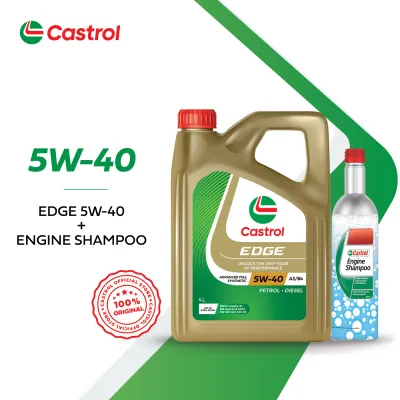
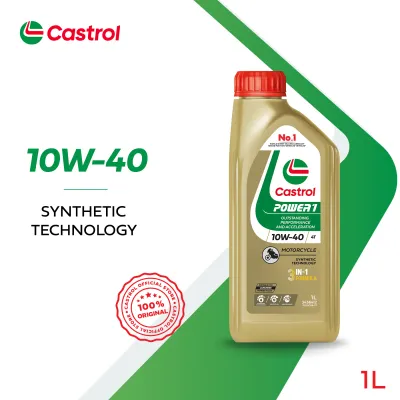
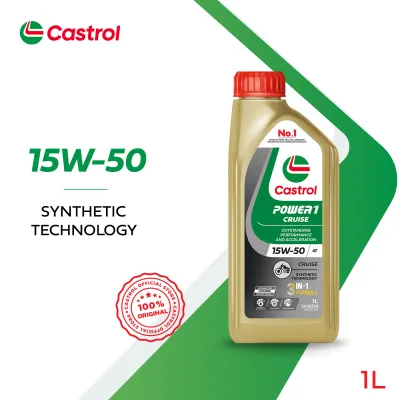
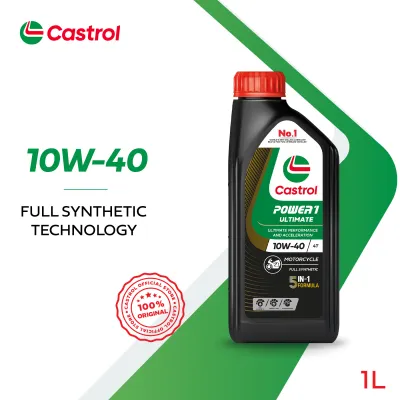
![[TWIN PACK] Castrol POWER1 4T 10W-40 (1L) Motorcycle Synthetic Technology API SP JASO MA2](https://img.lazcdn.com/g/p/304692cfde138b9d79f0458621b9567b.jpg_400x400q80.jpg_.webp)
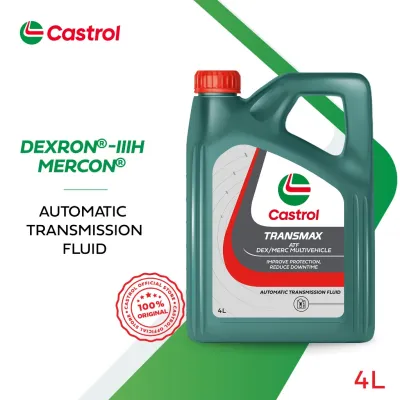
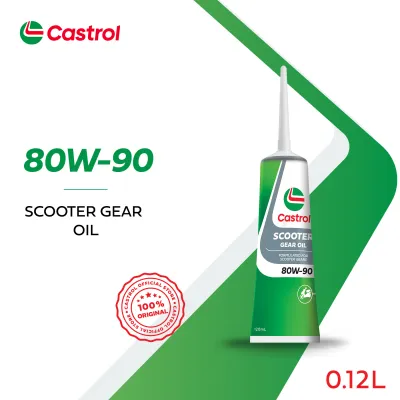
Prices are valid at publication and may change. Please refer to the product page for the latest price.
How to Inspect Castrol Packaging for Authenticity
A physical inspection of the oil bottle is your first line of defense against counterfeit products. Start by examining the cap and the safety seal. Genuine Castrol bottles feature a high-quality, injection-molded plastic cap with a clean, unbroken tamper-evident ring. The cap should be tightly sealed, and any protective shrink wrap or heat-sealed foil underneath the cap must be perfectly intact, without signs of glue residue, re-heating, or manual tampering.

Next, scrutinize the labels on both the front and back of the bottle. Genuine labels are printed with high-resolution graphics, sharp text, and precise color alignment. Counterfeit bottles often display blurry text, faded brand colors, misaligned labels, or even spelling errors in the technical descriptions. Many genuine Castrol bottles also feature multi-layer peel-back labels on the rear, which contain detailed usage instructions and safety warnings; check if this peel-back mechanism functions smoothly without tearing.
Pay close attention to the batch numbers, manufacturing dates, and barcodes printed directly on the plastic container. On genuine bottles, this information is typically laser-etched or printed with high-quality ink that does not smudge when rubbed. The batch code should be clearly legible and match the formatting style used by the manufacturer. Additionally, look for specific anti-counterfeit features applied by the manufacturer, such as holographic logos, color-shifting ink, or unique serial numbers, which vary depending on the region and product line.
How to Use Official Castrol Verification Tools
To remove any doubt about a product’s authenticity, leverage the official verification resources provided by the manufacturer. Castrol utilizes various digital tracking systems across different markets to help consumers verify their purchases. Many modern Castrol bottles feature a unique QR code or a scratch-off verification code on the label. Scanning this code with a smartphone should direct you to an official Castrol verification portal that confirms whether the unique serial number is genuine and has been registered.
If a QR code is not present, you can verify the product by checking the printed batch code. You can visit the official Castrol website for your region to look up authorized distributors or use their contact forms to submit a batch code inquiry. When in doubt, take clear, high-resolution photographs of the front label, back label, batch code, and cap seal, and email them directly to Castrol customer support. Their technical team can cross-reference the batch details with their manufacturing logs to confirm if the bottle is an authentic product.
Where to Buy: Castrol Official Store vs Third-Party Sellers
The choice of purchasing channel is the single most influential factor in avoiding counterfeit motor oil. Buying directly from a Castrol official store on a major ecommerce platform or from an authorized physical workshop guarantees that the supply chain is secure and direct from the manufacturer. These authorized channels receive their stock directly from official distribution networks, ensuring the oil meets all quality control standards and is stored under appropriate conditions.
In contrast, purchasing from unverified third-party sellers on general online marketplaces introduces significant risks. Many of these sellers source their inventory from parallel imports, liquidated stock, or unauthorized distributors, making it difficult to trace the product’s origin. While some third-party sellers offer genuine products, the lack of oversight on open marketplaces allows counterfeiters to blend in easily. When shopping online, always look for official brand badges, such as official mall or preferred seller tags, and verify if the seller is listed on Castrol’s official website as an authorized retailer.
Be highly skeptical of deals that seem too good to be true. If a third-party seller is offering Castrol motor oil at a price significantly lower than the standard retail price at authorized workshops, it is a major red flag. Additionally, check the shipping origin of the product; items shipped from overseas locations may bypass local quality controls and present a higher risk of being counterfeit. Read customer reviews carefully, looking for specific feedback regarding packaging quality, broken seals, or unusual engine performance after use.
What to Do If You Suspect a Counterfeit Purchase
If you suspect that you have purchased counterfeit Castrol motor oil, do not pour it into your engine. Operating a vehicle with counterfeit oil can cause immediate and severe mechanical damage. If you have already added the oil to your engine, avoid starting the vehicle and arrange to have the oil drained and flushed by a qualified professional workshop as soon as possible, along with replacing the oil filter.
Document your purchase thoroughly to support your claim and help prevent others from being defrauded. Take clear, well-lit photographs of the bottle from all angles, focusing on the batch code, cap seal, and any labeling anomalies. Keep all physical and digital receipts, order confirmation emails, and screenshots of the seller’s product listing and store profile.
Report the incident immediately to the ecommerce platform where you made the purchase to initiate a refund and flag the seller for investigation. In Singapore, you can also report the counterfeit sale to local consumer protection authorities, such as the Consumers Association of Singapore (CASE), or file a report with the police if fraud is suspected. Finally, contact Castrol’s regional office to report the suspected counterfeit batch, providing them with your photos and purchase details to assist in their ongoing brand protection efforts.
Frequently Asked Questions (FAQ)
Can I mix genuine Castrol oil with oil from an unknown source?
No, you should never mix genuine Castrol oil with oil from an unverified source. Counterfeit or low-quality oils often contain incompatible chemical compounds and lack the necessary additive packages. Mixing them can cause the additives to precipitate out of the solution, degrade the overall viscosity, and significantly reduce the level of wear protection provided to your engine.
Does a lower price always mean the Castrol oil is fake?
A lower price does not automatically mean the oil is counterfeit, as authorized distributors and official stores occasionally run legitimate promotions, holiday sales, or bundle discounts. However, a price that is consistently and suspiciously far below the market average from an unverified third-party seller is a strong indicator of a potential counterfeit. Always cross-reference the seller’s credentials before buying.
Is it safe to buy Castrol motor oil from overseas sellers?
Buying Castrol motor oil from overseas sellers carries higher risks due to potential differences in regional specifications, labeling variations, and the lack of local warranty support. Additionally, cross-border shipments are harder to trace, making it easier for counterfeit products to enter the supply chain. It is always safest to purchase from local authorized distributors or official brand stores.
Community discussion
Share your experience or ask a question. Comments are reviewed before publication.