
Finding the correct replacement car side mirror requires verifying several physical, electrical, and functional specifications to ensure a secure fit and safe operation. Because modern side mirrors serve as complex safety hubs housing sensors, cameras, and heating elements, simply matching the color or general shape of your vehicle’s mirror is not enough. A mismatched mirror can lead to poor visibility, non-functional electrical features, or even damage to your vehicle’s electrical system.
To guarantee compatibility, you must systematically cross-reference your vehicle’s unique identification details, physical mounting configurations, and electrical connector designs. This guide outlines the precise steps needed to verify compatibility before purchasing, helping you avoid costly return shipping fees and installation delays.
Gather Your Exact Vehicle Specifications
The first step in securing a compatible replacement side mirror is gathering your vehicle’s exact factory specifications. Relying solely on the model name and year can lead to errors, as manufacturers often update mirror designs mid-year or vary features across different trim levels.
Products mentioned in this guide
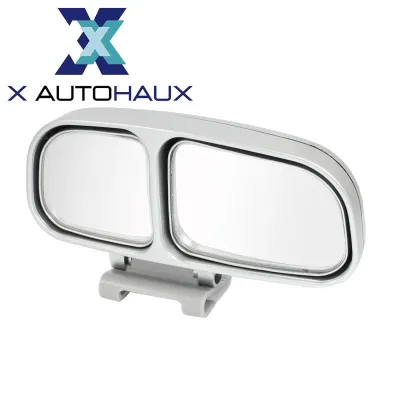
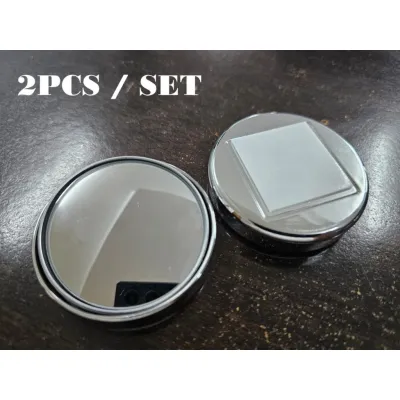
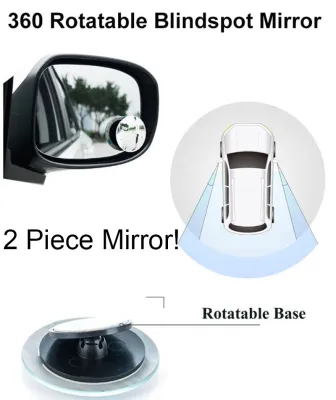
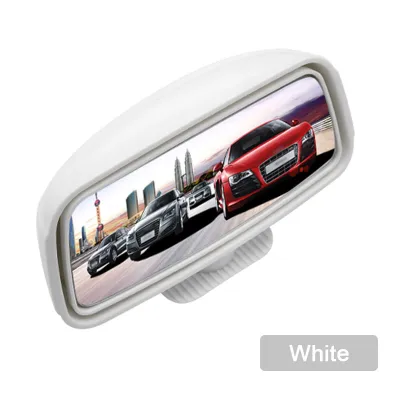
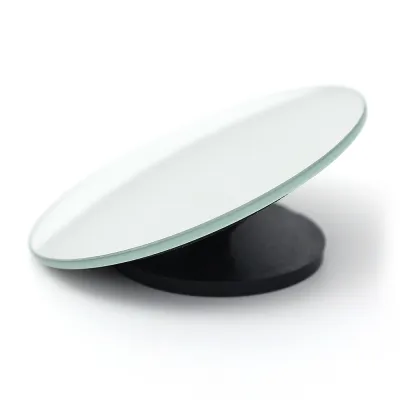

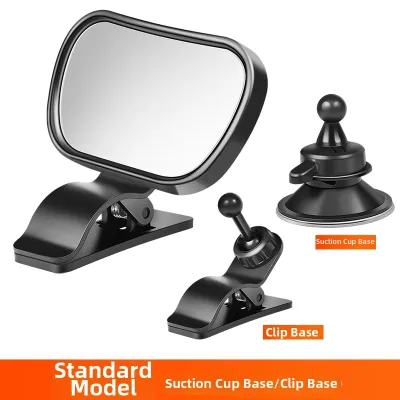
Prices are valid at publication and may change. Please refer to the product page for the latest price.
To obtain the most accurate profile of your vehicle, locate the 17-character Vehicle Identification Number (VIN). The VIN is typically found on a metal plate at the base of the driver-side windshield or on the safety compliance certification label on the driver-side door jamb. This unique identifier allows parts suppliers to look up the exact factory build sheet, ensuring you receive a mirror that matches your vehicle’s original equipment specifications.
Beyond the VIN, document your vehicle’s specific trim level, such as base, mid-tier, or premium. Higher trim levels frequently feature advanced mirror capabilities that are absent on base models.
Make a detailed list of your existing mirror’s factory features. Note whether your current mirrors have power-folding capabilities, integrated puddle lights, auto-dimming glass, memory positioning, or built-in surround-view cameras. Replacing a feature-rich mirror with a basic model, or vice versa, can result in compatibility errors and dashboard warning lights.
Match the Mounting and Physical Dimensions
Even if a replacement mirror looks identical in photos, the physical mounting interface must match your vehicle’s door frame exactly. A secure, flush fit is essential to prevent water leaks, wind noise, and vibration while driving.

Examine the mounting base plate and bolt pattern of the replacement mirror. The bolts must align with the factory holes in your vehicle’s door frame. Attempting to drill new holes or modify the mounting plate can compromise the structural integrity of the door and void your vehicle’s warranty.
Mirror glass curvature is another critical factor that affects road safety and legal compliance. In right-hand drive markets like Singapore, the driver-side mirror (on the right) and the passenger-side mirror (on the left) have different optical properties. The passenger-side mirror typically uses convex glass to provide a wider field of view, while the driver-side mirror may use flat glass for accurate depth perception. Purchasing a mirror designed for a left-hand drive market will invert these positions, severely compromising your visibility and road safety.
Additionally, verify the overall housing profile and dimensions. The replacement housing must match the original aerodynamic design of your vehicle. An incorrect housing shape can create excessive wind resistance, leading to annoying whistling noises at highway speeds and slightly reducing fuel efficiency.
Verify Electrical Connectors and Feature Compatibility
Modern side mirrors are highly integrated electrical components. To ensure all motorized and electronic features function correctly, you must verify that the replacement mirror’s electrical interface matches your vehicle’s wiring harness.
Begin by comparing the shape, size, and pin count of the electrical connectors. A mirror with power adjustment, heating, and turn signals will require a connector with more pins than a basic manual mirror. Even if the plug shape matches, the internal pin configuration must align with your vehicle’s harness to prevent electrical malfunctions.
Map out your specific feature requirements and match them to the replacement product’s specifications. If your vehicle is equipped with blind-spot monitoring, the replacement mirror must include the necessary radar-compatible glass and indicator lights. Similarly, if your vehicle features heated glass for clearing condensation, the replacement must have the corresponding heating elements and internal wiring.
Never attempt to force mismatched plugs together or splice wires to make an incompatible mirror work. Modern vehicles rely on complex body control modules to manage electrical accessories. Improper wiring or forcing a connection can cause short circuits, blow fuses, or permanently damage the sensitive electronics within your vehicle’s control systems. Always refer to your vehicle’s original documentation to verify electrical compatibility before purchasing.
Read Product Listings and Fitment Guides Accurately
Navigating online parts catalogs and ecommerce platforms requires a critical eye to filter out incompatible options. Understanding how listings are structured will help you identify the correct part quickly.
When searching on online marketplaces or specialized automotive parts sites, always use the built-in vehicle selector tools. Inputting your VIN or precise make, model, year, and trim level will filter the results to show only confirmed compatible options. However, always double-check the product description to ensure the listed specifications match your documented features.
Pay close attention to terms like “Direct Fit” versus “Universal Fit.” A direct-fit mirror is designed to match OEM-equivalent specifications, meaning it will bolt on and plug in without any modifications. Universal mirrors, on the other hand, often require custom brackets, wiring adapters, or physical modifications to your vehicle, which can compromise safety and aesthetics.
Before finalizing your purchase, carefully review the seller’s return policy. Ensure the policy specifically covers fitment issues and electrical defects. Because electrical components can sometimes exhibit compatibility issues upon installation, having a clear, hassle-free return window is essential for peace of mind.
Pre-Installation Checks and Safety Boundaries
Before beginning the installation process, establish clear safety boundaries and perform preliminary checks to ensure a smooth replacement. Working on vehicle doors involves handling delicate trim pieces and sensitive electrical systems.
Always consult your vehicle’s owner manual or official service guide before starting. These documents provide specific instructions for removing the interior door panel without damaging the plastic retaining clips or scratching the upholstery. They also outline the correct procedure for disconnecting the vehicle’s battery, which is a crucial safety step before working on any electrical connectors.
Once you receive the replacement mirror, perform a bench test before fully reassembling the door panel. Temporarily connect the mirror’s wiring harness and test all functions, including power adjustments, heating elements, turn signals, and folding mechanisms. Verifying these functions early saves you the trouble of dismantling the door panel a second time if the part is defective.
It is vital to recognize when a DIY installation is not appropriate. If your side mirror integrates advanced driver-assistance systems (ADAS), such as lane-departure warning cameras, surround-view cameras, or blind-spot monitoring sensors, the replacement process requires professional intervention. These systems often require precise calibration using specialized diagnostic equipment after installation to function safely. Operating a vehicle with uncalibrated safety sensors can lead to system failures or incorrect driver alerts, posing a significant safety risk on the road. In these cases, always have the replacement installed and calibrated by a qualified technician.
Frequently Asked Questions (FAQ)
Can I upgrade my manual side mirror to a power-folding one?
Upgrading from a manual side mirror to a power-folding assembly is a complex process that is rarely a simple plug-and-play procedure. While it is physically possible to mount the power-folding housing to your door, the upgrade requires verifying that your existing door wiring harness contains the necessary unused pins and wiring runs to support the motor.
In most cases, you will also need to purchase and install compatible interior switches to control the folding mechanism. Furthermore, many modern vehicles route mirror controls through a central body control module. If your vehicle’s computer is not programmed to recognize power-folding mirrors, or if the physical control module is missing, the upgrade will not function without extensive professional rewiring and software reprogramming.
Does the side mirror glass need to be replaced if only the glass is broken?
If the outer housing, mounting bracket, and internal adjustment motors of your side mirror are undamaged, you do not need to replace the entire assembly. Replacing only the mirror glass is a cost-effective and straightforward solution.
Many manufacturers and aftermarket suppliers offer replacement mirror glass pre-mounted on a plastic backing plate that snaps directly onto the internal motor mount. However, if your mirror features heated glass or integrated blind-spot indicators, you must ensure the replacement glass includes the correct electrical connections.
Be cautious when removing the old, broken glass. Prying the shattered glass out incorrectly can easily damage the delicate plastic gears inside the adjustment motor or tear the heating pad wires. If the internal motor or housing is cracked or loose, a full side mirror assembly replacement is necessary to ensure the mirror remains stable and adjustable.
Community discussion
Share your experience or ask a question. Comments are reviewed before publication.