
To ensure you are buying genuine Osram LED strips, fog lights, or daytime running lights (DRLs), always cross-reference the seller’s credentials with the official distributor list, inspect the packaging for security features, and use the brand’s verification tools before installation. Relying solely on product photos or low prices can lead to purchasing counterfeit automotive lighting that compromises your vehicle’s electrical system and road safety. In Singapore’s highly regulated automotive environment, installing unverified lighting components can result in failed vehicle inspections, electrical faults, or even voided insurance policies. Taking a few systematic steps to verify your source before clicking “buy” protects both your vehicle and your wallet.
Why Authenticity Matters for Osram Exterior Lights
Counterfeit automotive lighting poses severe risks that extend far beyond a bulb simply burning out too quickly. From an electrical standpoint, fake LED strips and fog lights often lack the sophisticated voltage regulation and internal resistors found in genuine Osram products. Without these critical safety components, counterfeit lights can draw inconsistent current, leading to rapid flickering, overheating, or even melting the vehicle’s original wiring harness. This can trigger dashboard warning lights, damage sensitive electronic control units (ECUs), and in extreme cases, present a serious vehicle fire hazard.
Performance is another major area where counterfeit lights fail. Genuine Osram exterior lights are engineered to withstand harsh environmental conditions, including Singapore’s intense tropical humidity and heavy downpours. Counterfeit LED strips and DRLs typically use inferior adhesives, cheap plastic housings, and inadequate silicone seals. This allows moisture to penetrate the light housing, causing rapid corrosion of the internal circuitry, premature diode failure, and a dramatic drop in light output. Furthermore, fake lights rarely match the advertised color temperature, often emitting a dim, uneven, or excessively blue light that fails to illuminate the road effectively.
Products mentioned in this guide
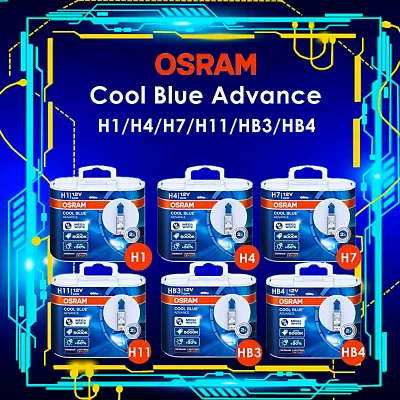
Prices are valid at publication and may change. Please refer to the product page for the latest price.
From a legal and safety perspective, non-compliant lighting is a major liability. Genuine Osram lights are designed to project a precise beam pattern that maximizes road visibility without blinding oncoming drivers. Counterfeit bulbs often have misaligned light sources, creating dangerous glare that can compromise road safety for other motorists. In Singapore, vehicles must pass strict periodic inspections conducted by authorized centers. Installing unapproved or poorly performing aftermarket lights can lead to an immediate inspection failure, requiring costly removal and replacement.
Before purchasing or operating any aftermarket lighting, always establish a clear safety boundary. Refer to your vehicle’s original manufacturer documentation to verify the exact bulb specifications, mounting positions, and electrical compatibility. Because automotive electrical systems are complex and highly integrated, any modification or installation of exterior lighting should be performed by a qualified automotive electrician to ensure proper fusing, routing, and weatherproofing.
How to Identify an Official Osram Storefront Online
Navigating online marketplaces requires a critical eye, as counterfeiters frequently copy official product images and logos to deceive buyers. The most reliable way to verify an online seller is to cross-reference their registered business name with the official Osram Singapore distributor directory. Authorized distributors and their recognized retail partners are officially documented, allowing you to confirm whether an online storefront has a legitimate supply chain. If a seller’s business details do not align with authorized channels, it is safest to look elsewhere.

When browsing major e-commerce platforms, look for specific storefront indicators that signal authenticity. Official brand stores typically carry verified seller badges, such as “Mall” or “Official Store” tags, which are awarded by the platform after rigorous business registration checks. These storefronts feature professional, consistent branding, high-resolution graphics, and comprehensive product descriptions. They also provide clear, localized customer service channels and transparent return policies, rather than vague or automated responses.
Be highly suspicious of common red flags when shopping online. A price that seems too good to be true is almost always a sign of a counterfeit product. Saving S$30 to S$50 on a deal that undercuts authorized retail pricing is rarely worth the risk, as genuine Osram engineering requires high-quality materials that cannot be sold at extreme discounts. Additionally, check the shipping origin and contact details. If a seller claims to be a local Singapore store but ships products from unverified overseas warehouses with no local after-sales support or physical address, the risk of receiving a counterfeit item increases significantly. Genuine local sellers will typically offer local warranties and clear avenues for customer support within the country.
Physical Checks: Packaging, Labels, and Build Quality
Once your package arrives, conduct a thorough physical inspection before attempting any installation. Genuine Osram packaging is made from sturdy, high-quality cardboard designed to protect the components during transit. Examine the printing on the box carefully; authentic packaging features sharp, high-resolution text, accurate brand logos, and consistent color schemes. Counterfeit boxes often exhibit blurry printing, slight spelling errors, misaligned text, or flimsy materials that feel cheap to the touch.
Next, verify the labels and part numbers printed on the packaging. Every genuine Osram product has a specific part number that corresponds to its exact design, interface, and vehicle application. Cross-reference this part number with the official Osram catalog to ensure it matches your vehicle’s model, year, and mounting specifications. Never infer compatibility solely from a generic category term like “LED fog light.” You must verify the precise interface, dimensions, and road legality from the product documentation and your vehicle’s manual to prevent physical fitment issues or electrical mismatches.
Finally, observe the build quality of the physical product. Genuine Osram LED strips, fog lights, and DRLs are manufactured to exacting standards. Inspect the flexibility of the LED strips, the quality of the electrical connectors, and the finish of the housing materials. Authentic products will have clean, smooth edges, robust wiring insulation, and secure, weather-sealed connectors. Counterfeits often show signs of poor manufacturing, such as exposed wires, excess glue, rough plastic edges, or loose components that indicate substandard assembly.
Using Osram's Official Verification Tools
To combat counterfeiting, Osram has implemented advanced security features that allow consumers to verify their products directly with the manufacturer. Most genuine packaging features an anti-counterfeit label equipped with a unique security code and a holographic seal. Locate this label on the box and follow the printed instructions, which may require scratching off a protective coating to reveal a multi-digit security code or scanning a secure QR code.
Once you have located the security code, navigate to the official Osram verification website or use the official trust program interface. Input the unique code exactly as printed on the packaging. The system will instantly check the code against its database and display a validation result. A genuine product will return a confirmation message indicating that the code is valid and has not been checked multiple times. If the system flags the code as invalid, or indicates that it has already been scanned frequently, the product is highly likely to be a counterfeit.
Keep in mind that there are certain limitations to these verification tools. Older inventory, specific product lines, or batches sourced from different authorized regional markets might utilize slightly different security labels or verification interfaces. Always follow the exact instructions printed on your specific packaging. If you encounter any discrepancies, or if the online system fails to validate your product, do not proceed with the installation. Instead, contact the official distributor or Osram customer support for clarification.
What to Do If You Suspect a Counterfeit Product
If your physical checks or online verification suggest that you have received a counterfeit product, the first and most important step is to stop the installation immediately. Do not attempt to wire, mount, or test the suspected fake lights on your vehicle. Operating unverified electrical components can cause immediate damage to your car’s electrical system, void your vehicle’s manufacturer warranty, and create safety hazards on the road.
Next, document all available evidence to support your claim. Take clear, high-resolution photographs of the packaging, focusing on any blurry printing, spelling mistakes, or damaged security seals. Photograph the product itself, highlighting any poor build quality, exposed wiring, or incorrect labeling. Keep a record of your online purchase receipt, the seller’s storefront details, and the official verification system’s invalid result screen. This documentation will be essential when filing a dispute.
To resolve the issue, contact the customer service department of the e-commerce platform where you made the purchase. Submit your documented evidence to request a full refund and formally report the seller for listing counterfeit goods. If you have already installed the suspected counterfeit lights on your vehicle, do not operate them. Consult a qualified automotive electrician to safely remove the components and inspect your vehicle’s wiring harness for any signs of damage before installing genuine replacements.
Frequently Asked Questions (FAQ)
Can I trust a seller just because they have positive reviews?
No, you should not rely solely on positive reviews to confirm a seller’s authenticity. Online marketplaces often suffer from manipulated, incentivized, or fake reviews designed to boost a storefront’s rating. Some buyers may also leave positive feedback immediately upon receiving the package based purely on fast shipping or appearance, without verifying if the product is a genuine Osram light or testing its long-term performance. Physical inspection, official security code verification, and cross-referencing the seller against authorized distributor lists remain essential steps regardless of a store’s rating.
Are Osram lights bought from overseas websites covered by a local warranty?
Generally, local warranties in Singapore apply only to products purchased directly from authorized local distributors and their approved retail partners. If you purchase Osram lights from overseas websites or unauthorized international sellers, they are typically not covered by local after-sales support or warranty services. This means if the product fails prematurely due to Singapore’s humid climate or electrical issues, you may have to bear the cost of replacement yourself. Always check the specific warranty terms on the packaging and confirm coverage with the seller before making a purchase.
Community discussion
Share your experience or ask a question. Comments are reviewed before publication.