
Maintaining correct tire pressure is essential for vehicle safety, fuel efficiency, and tire longevity. The xiaomi air pump 2 is a compact, portable electric compressor designed to simplify this task. This guide outlines how to operate the device safely and accurately across cars, motorcycles, and bicycles, ensuring you achieve the exact manufacturer-recommended pressure.
Getting Started: Interface, Units, and Preset Modes
Operating the xiaomi air pump 2 begins with understanding its physical controls and digital interface. The device features an intuitive design where pulling the high-pressure air hose out of its red storage slot acts as the master power switch, instantly activating the digital LED display. This screen provides clear, real-time feedback on both the current detected tire pressure and your target preset pressure.
To navigate the interface, familiarize yourself with the buttons arranged around the central start/stop button. The mode button (indicated by a cycle icon) allows you to cycle through the five built-in preset inflation modes: Bicycle, Motorcycle, Car, Ball, and Custom. Each of these modes comes with a default target pressure pre-programmed into the device.
Products mentioned in this guide

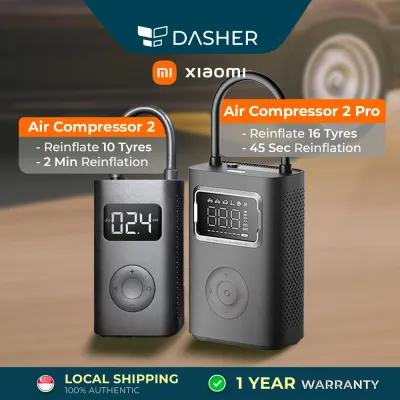
![[2025] Xiaomi Pump 2 MiJia Portable Handheld Electronic Air inflator/Pump Suitable For Car Motorcycle EBike Scooter Instock](https://img.lazcdn.com/g/p/3e082dd3fde1bc260eb18bfa0cd19ce7.jpg_400x400q80.jpg_.webp)
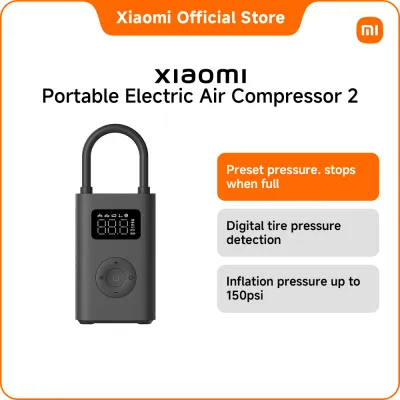
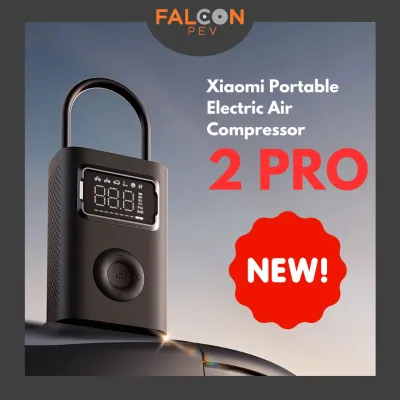
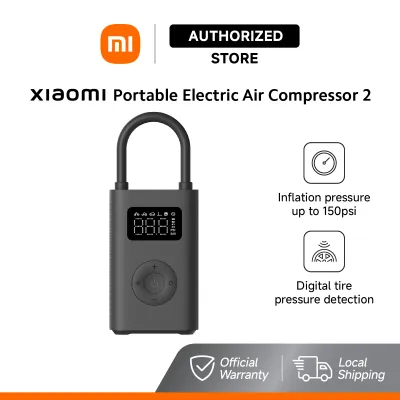

Prices are valid at publication and may change. Please refer to the product page for the latest price.
However, these default pressures are generic baselines. To prevent dangerous under-inflation or over-inflation, you must manually adjust these presets to match your specific vehicle’s requirements. Use the “+” and “-” buttons to increase or decrease the target pressure value on the screen before starting the compressor.
Additionally, matching the correct measurement unit is critical. Long-pressing the mode button allows you to switch between different pressure units, including PSI, Bar, kPa, and kg/cm². Always refer to your vehicle manufacturer’s documentation to identify the specified unit and ensure the pump’s display matches it exactly to avoid mathematical conversion errors.
How to Find the Recommended Tire Pressure for Your Vehicle
Before connecting the pump, you must determine the correct target pressure. Relying on guesswork can compromise handling, accelerate tire wear, or even lead to structural tire failure.

For passenger cars, the manufacturer-recommended tire pressure is typically located on a printed placard or sticker affixed to the driver-side door jamb or B-pillar. If it is not visible there, check the inside of the fuel filler flap or consult the vehicle’s owner’s manual. This sticker lists the precise cold inflation pressures, often specifying different values for the front and rear tires, as well as adjustments for carrying heavy loads.
For motorcycles and scooters, the recommended tire pressures are usually printed on a sticker located on the rear swingarm, the chain guard, or under the seat. If the sticker has worn away or is missing, consult the motorcycle’s official owner’s manual for the correct specifications.
For bicycles, finding the recommended pressure is straightforward. Manufacturers mold the recommended inflation range (for example, 40 to 65 PSI for hybrid tires or 90 to 120 PSI for high-pressure road tires) directly into the rubber sidewall of the tire itself.
It is vital to understand the crucial distinction between recommended daily pressure and the “Max Press” (Maximum Pressure) number printed on a car or motorcycle tire’s sidewall. The “Max Press” value is the absolute safety limit the tire can structurally withstand under maximum load, not the pressure you should use for daily driving. Inflating your tires to this maximum limit reduces traction, hardens the ride, and increases the risk of a blowout.
Furthermore, climate plays a significant role in tire pressure management. In hot, tropical climates like Singapore, high ambient temperatures and solar radiation heat up the road surface and the tires. As you drive, internal air expands due to friction, temporarily raising the pressure reading. For an accurate baseline, always check and adjust tire pressure when the tires are “cold”—meaning the vehicle has been stationary for at least three hours or has been driven less than two kilometers.
Step-by-Step Inflation Guide for Different Vehicles
Proper inflation technique varies depending on the vehicle type, valve interface, and air volume requirements. Follow these step-by-step instructions to ensure a safe and successful inflation process.
Car Tires
Car tires contain a large volume of air, meaning the pump must work consistently to raise the pressure. Follow these steps to inflate car tires safely:
- Step 1: Connect the Hose. Remove the plastic valve cap from the tire's valve stem. The xiaomi air pump 2 uses a standard threaded Schrader valve connector. Screw the pump's air hose clockwise directly onto the valve stem. Ensure the connection is tight and secure; a brief hiss of escaping air is normal during connection, but it must stop completely once the hose is fully threaded.
- Step 2: Set the Target Pressure. Power on the pump by pulling out the hose. Press the mode button to select the "Car" preset or "Custom" mode. Use the "+" or "-" buttons to set the target PSI or kPa to match the exact value found on your vehicle's door jamb sticker.
- Step 3: Start the Pump. Place the air pump flat on the ground or a stable surface near the wheel to prevent it from vibrating or tipping over. Press the central start/stop button. The motor will engage, and the display will show the real-time pressure rising. The pump will run continuously and automatically shut off the instant it detects that the target pressure has been reached.
- Step 4: Disconnect and Protect. Once the pump stops, promptly unscrew the air hose from the valve stem. Work quickly to minimize air loss during disconnection. Replace the valve cap securely to protect the valve core from road grime and moisture. For maximum precision, verify the final pressure using a separate, calibrated tire pressure gauge.
Motorcycle and Scooter Tires
Two-wheeled vehicles require precise pressure balance to maintain cornering stability and braking safety.
Before starting, ensure the motorcycle is stable. Ideally, place the bike on its center stand or a paddock stand to lift the wheel off the ground, prevent rolling, and relieve load pressure on the tire. If your bike only has a side stand, ensure the transmission is in gear or the parking brake is engaged to keep the vehicle stationary.
Accessing the valve stem on a motorcycle can be difficult due to large brake rotors or tight wheel spokes. If the valve stem is recessed or angled awkwardly, use the included valve adapter or a flexible hose extension to prevent bending or damaging the rubber valve stem.
Select the “Motorcycle” preset mode or “Custom” mode on the pump, then set the target pressure. Always check both the front and rear tires, as they typically require different pressure levels based on the manufacturer’s specifications and whether you are carrying a passenger. Press the start button and let the pump complete the cycle.
Bicycle Tires (Schrader and Presta Valves)
Bicycles use two main types of valves, each requiring a different connection method.
For Schrader Valves (the wider, standard valves found on mountain and utility bikes), connect the pump’s standard hose directly to the valve stem just as you would for a car tire.
For Presta Valves (the narrower, threaded valves common on road and gravel bikes), you must prepare the valve first. Remove the plastic dust cap, then unscrew the small brass locking nut at the top of the valve stem by turning it counterclockwise until it is loose. Press the tip of the valve down briefly with your finger—you should hear a quick hiss of air—to break the seal and ensure the inner valve pin moves freely. Next, screw the included Presta-to-Schrader adapter securely onto the Presta valve stem, and then thread the pump’s air hose onto the adapter.
Select the “Bike” preset mode or “Custom” mode on the pump. Adjust the target pressure to match the range molded into your tire’s sidewall. While the xiaomi air pump 2 can achieve the high pressures required for narrow road bike tires, high-pressure operation places extra strain on the compact motor. Monitor the device closely during operation, refer to the user manual for maximum continuous runtime limits, and allow the pump to rest and cool down between tires to prevent internal thermal damage.
Safety Boundaries, Heat Management, and Maintenance
Operating a portable electric air pump involves high physical friction, which naturally generates significant heat. Understanding the safety boundaries of the device and your tires is essential to prevent injury or equipment damage.
Heat Management: During operation, the air hose, the metal connector fittings, and parts of the pump body will become very hot to the touch. Avoid touching the metal parts immediately after inflation. Always grasp the rubberized portion of the hose, and allow the device to cool down for at least 5 to 10 minutes after inflating two car tires or after any continuous run exceeding the manufacturer’s specified limit.
Stop Conditions: Stop the pump immediately and disconnect it from the tire if you observe any of the following warning signs:
- Unusual grinding, high-pitched squealing, or excessively loud mechanical noises from the motor.
- A severe air leak at the connection point that prevents the pressure reading from rising.
- The tire sidewall exhibits visible bulging, cracking, or structural distortion.
- The pump's casing feels excessively hot or emits a burning odor.
Automotive Safety Boundary: Always inspect your tires for physical damage, punctures, or embedded objects before inflating them. If you discover a deep sidewall cut, a bulging tire, or if the tire pressure is extremely low (below 15 PSI for a car tire), do not attempt to drive on it. Consult your vehicle’s manufacturer instructions, and seek assistance from a qualified tire professional or roadside recovery service rather than attempting a temporary top-up.
Battery and Storage Care: To preserve the internal lithium-ion battery, store the pump in a cool, dry environment away from direct sunlight. In Singapore’s intense tropical heat, avoid storing the device permanently in areas of the car cabin exposed to direct sun, such as the dashboard or rear parcel shelf, as extreme temperatures can degrade the battery and pose a safety risk. Instead, store it in the glovebox, under-seat compartment, or trunk. Maintain a partial charge (around 50% to 80%) when storing the device long-term, and recharge it every three to six months to prevent deep discharge damage.
Frequently Asked Questions (FAQ)
Can the Xiaomi Air Pump 2 inflate a completely flat car tire?
The xiaomi air pump 2 is primarily engineered for regular tire pressure maintenance, top-ups, and emergency situations. While it is technically capable of inflating a completely flat car tire (from 0 PSI to the recommended level), doing so requires a massive volume of air and puts maximum load on the compact motor and battery. This extended operation can easily exceed the device’s continuous runtime limits, causing it to overheat or deplete its battery before the tire is fully inflated. For a completely flat or newly mounted car tire, it is highly recommended to use a professional, high-volume workshop air compressor or call a mobile tire recovery service.
Why does the pump stop before reaching the target PSI?
If the pump shuts off prematurely, it is usually due to one of three common issues. First, a loose or misaligned hose connection can cause air to leak rapidly at the valve interface, creating a localized pressure spike that tricks the pump’s internal sensor into reading a higher pressure than is actually in the tire. Second, the device’s built-in thermal protection mechanism may have triggered to prevent permanent motor damage due to overheating. Third, a depleted or low battery may fail to supply sufficient current under the high resistance of inflation, forcing the device to shut down. To resolve this, verify that the hose is screwed on straight and tightly, let the pump cool down for 10 to 15 minutes, and ensure the battery is fully charged.
How often should I check my tire pressure using the portable pump?
You should check your tire pressure at least once a month and always before embarking on long-distance road trips (such as driving up the North-South Expressway from Singapore). Tires naturally lose pressure over time due to permeation through the rubber and temperature fluctuations. Always perform this check when the tires are cold (driven less than two kilometers) to get an accurate baseline reading. Checking hot tires will yield an artificially high reading due to thermal expansion, which can lead to dangerous under-inflation if you adjust the pressure downward based on that warm reading.
Community discussion
Share your experience or ask a question. Comments are reviewed before publication.