
Using a waterless wash like Meguiar’s requires a specific technique to prevent the dirt on your car’s surface from acting like sandpaper. The key to a scratch-free finish lies in maximizing lubrication, using high-pile microfiber towels, and employing a precise wiping motion that lifts rather than drags particles across the clear coat. By understanding how the formula encapsulates dirt, you can safely maintain your vehicle’s shine without a traditional hose and bucket.
Waterless detailing products rely on advanced chemistry to emulsify and lift surface contaminants. When sprayed onto the paint, the liquid surrounds dust and light grime, creating a barrier between the debris and your vehicle’s delicate clear coat. However, this protective barrier only works if you follow a methodical process that respects the limits of the product and your tools.
When to Use a Waterless Wash (and When to Stop)
Before reaching for your spray bottle, you must perform a thorough visual inspection of your vehicle’s paint. Waterless washes are designed for light maintenance, such as removing a thin layer of road dust, pollen, fresh bird droppings, or fingerprints. These light contaminants are easily suspended by the spray’s lubricating agents, allowing them to be wiped away safely.
Products mentioned in this guide
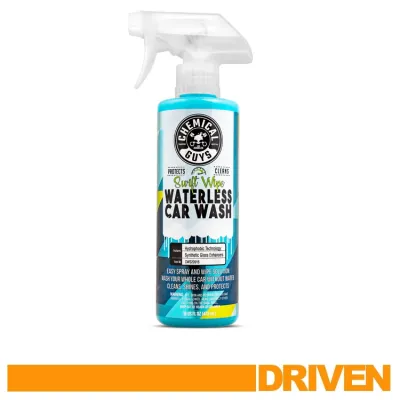
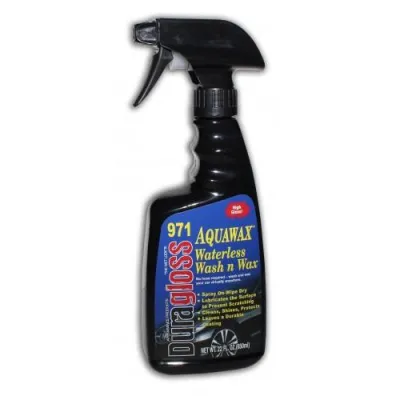
3 Lazada user ratings
Well packed and easy to use
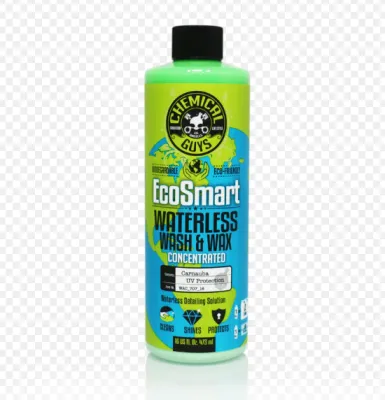
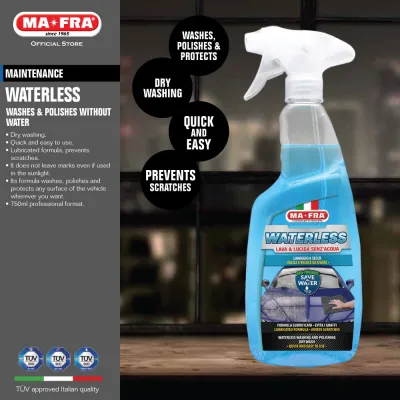
6 Lazada user ratings
Well packed, fast delivery, good product, strongly recommended.
Prices are valid at publication and may change. Please refer to the product page for the latest price.
If your inspection reveals heavy mud, caked sand, road salt, or thick gritty grime, you must stop and pivot to a traditional wash method. Attempting to wipe away heavy, abrasive soil with a waterless spray will almost certainly grind the particles into the paint, resulting in deep scratches and swirl marks. For these conditions, a traditional two-bucket wash or a high-pressure rinse is necessary to safely flush the heavy debris off the panels before any physical contact is made.
Always check the specific product label on your Meguiar’s bottle to verify the manufacturer’s instructions. While most waterless wash formulas are ready-to-use directly from the bottle, some concentrated variants require precise dilution with distilled water. Verifying these instructions ensures the product has the correct concentration of lubricants and cleaning agents to perform safely on your paint.
Essential Tools for a Scratch-Free Wash
The success of a waterless wash depends heavily on the quality and type of microfiber towels you use. Standard household rags, old t-shirts, and paper towels must be avoided entirely, as their fibers are too coarse and lack the structure needed to trap dirt safely. Instead, you need high-quality, plush, high-pile microfiber towels for the initial wiping phase.

High-pile microfiber towels, typically featuring a high GSM (grams per square meter) rating, have long, soft loops that pull dirt away from the paint surface and deep into the fabric’s nap. This design keeps the abrasive particles isolated from the clear coat during the wipe. For the final buffing stage, a separate low-pile or waffle-weave microfiber towel is ideal, as it excels at absorbing remaining liquid and leveling the polymer residue without leaving lint behind.
You must also ensure you have an adequate quantity of towels before starting. A standard compact car typically requires six to eight clean towels, while larger vehicles like SUVs or station wagons may require twelve or more. Reusing a soiled section of a towel is one of the most common causes of wash-induced scratches, so having an abundant supply of fresh towels is non-negotiable. If you accidentally drop a towel on the ground, set it aside immediately for washing; even a single speck of grit picked up from the floor can ruin your paint.
Step-by-Step Spraying and Wiping Technique
Achieving a clean, scratch-free finish requires a systematic approach to spraying, wiping, and buffing. By breaking the vehicle down into small, manageable sections, you can ensure the product remains wet and fully lubricated throughout the entire cleaning process.
Preparing the Surface and Product
Begin by shaking the product bottle thoroughly before application. This action ensures that the active polymers, lubricants, and cleaning agents are fully mixed and distributed evenly throughout the liquid. If the bottle has been sitting on a shelf, the ingredients can separate, which reduces the lubricating efficiency of the spray.
Always work in a shaded area and ensure the vehicle’s body panels are cool to the touch. Applying a waterless wash to hot paint causes the liquid to evaporate rapidly, leaving behind a sticky residue and dry dirt particles that are highly prone to scratching. If the panels are warm, allow the car to sit in the shade or a covered garage until the metal cools down.
Prepare your primary high-pile microfiber towel by folding it in half, and then in half again, creating a neat square. This folding technique gives you eight distinct, clean faces to work with. As you clean each section of the car, you will flip and refold the towel to expose a completely fresh, unused surface, ensuring you never rub trapped dirt back onto the paint.
The Spraying and Lifting Method
When applying the waterless wash, do not be conservative with the spray. Generously mist the product over a single panel or a portion of a panel, such as half of the hood or a single door. Adequate lubrication is your primary defense against scratches, so the surface should be visibly wet with the product before your towel makes contact.
Place your folded, plush microfiber towel flat against the wet surface. Wipe the panel gently in straight, overlapping lines rather than circular motions. Circular wiping patterns tend to create circular swirl marks that are highly visible under direct sunlight, whereas straight-line passes minimize this risk and make any minor imperfections much harder to detect.
As you glide the towel across the panel, use a rolling motion to lift the leading edge of the towel slightly. This technique ensures that the dirt is pulled up and trapped in the deep fibers of the microfiber, rather than being pushed along the paint like a squeegee. Apply minimal downward pressure; let the weight of your hand and the lubrication of the spray do the work.
After completing a single pass, inspect the towel face. If it has picked up visible dirt, flip the towel to a clean, unused quarter before making the next pass. Never drag a dirty section of the towel across the paint, as the trapped grit will act as an abrasive and scratch the clear coat.
Final Buffing for a Streak-Free Finish
Once you have wiped away the dirt from a section, immediately grab a separate, clean, dry low-pile or waffle-weave microfiber towel for the final buffing stage. Do not wait for the remaining product residue to dry completely on its own, as this can leave behind unsightly streaks or water spots.
Using light, circular buffing motions, gently wipe the area to level the remaining polymers and bring out a high-gloss shine. The dry towel will absorb any leftover moisture and polish the protective polymer barrier left behind by the waterless wash.
Finally, inspect your work under strong, direct lighting or using a detailing inspection light. Look at the panel from multiple angles to ensure there are no missed spots, hazy patches, or streaks. If you notice any residue, mist a very light amount of product onto the area and buff it dry immediately with your clean towel.
Maintaining Your Microfiber Towels for Future Washes
To ensure your microfiber towels remain safe for future waterless washes, you must care for them properly after each use. Microfiber is a delicate synthetic material that can easily lose its dirt-trapping capabilities if washed incorrectly.
Always wash your microfiber towels separately from your regular household laundry, especially cotton towels and clothing. Cotton sheds lint, which will become permanently embedded in the microfiber loops and transfer onto your car’s paint during the next wash. Use a dedicated microfiber detergent or a mild, liquid laundry detergent that does not contain perfumes, dyes, or bleach.
Never use fabric softeners or dryer sheets when laundering microfiber. Fabric softeners leave a chemical coating on the fibers, which clogs the microscopic hooks and drastically reduces the towel’s absorbency and ability to trap dirt. Additionally, dry the towels on a low-heat setting or air-dry them; high heat can melt the polyester and polyamide fibers, turning them stiff and abrasive, which will scratch your paint during future use.
Before storing your clean towels in a dust-free container, inspect each one individually. Feel the surface for any stiff spots or embedded debris, such as small twigs, leaves, or grit, that did not wash out. If a towel has permanent debris embedded in its fibers, demote it to engine bay or wheel cleaning duties to protect your exterior paint.
Frequently Asked Questions (FAQ)
Can I use a waterless wash on a hot car in Singapore's climate?
You should avoid using a waterless wash on a hot car panel under direct sunlight. In Singapore’s tropical climate, car panels can quickly reach high temperatures, causing the waterless wash spray to evaporate almost instantly upon contact. This rapid drying deprives the surface of the necessary lubrication, significantly increasing the risk of scratching the paint. To wash safely, move your vehicle to a shaded area, such as a multi-storey carpark or a covered driveway, and touch the panels with the back of your hand to ensure they are cool before spraying.
How many microfiber towels do I need for one full car wash?
For a standard-sized sedan, you should have at least six to eight clean, high-quality microfiber towels on hand. Larger vehicles, such as SUVs or multi-purpose vehicles (MPVs), will generally require ten to twelve towels to complete the job safely. The fundamental rule is to discard a towel from active use as soon as all of its folded sides have accumulated visible dirt. Attempting to stretch the use of a dirty towel to save on laundry is a primary cause of swirl marks and scratches.

Community discussion
Share your experience or ask a question. Comments are reviewed before publication.