
Using a portable digital inflator like the Xiaomi air pump to maintain correct tire pressure is one of the simplest yet most effective ways to ensure vehicle safety, optimize fuel efficiency, and extend the lifespan of your tires. Properly inflated tires provide optimal traction, balanced handling, and even tread wear, whereas under-inflation or over-inflation can lead to sluggish performance, increased rolling resistance, or even dangerous tire blowouts. This guide provides a comprehensive, step-by-step walkthrough on how to locate your vehicle’s correct tire specifications, configure your portable pump, execute the inflation process safely, and care for your device to ensure long-term reliability.
While gas station air compressors are widely available, they are often uncalibrated, dirty, or inconvenient to access when your tires are cold. A compact, battery-powered air compressor offers the convenience of precise pressure management right in your driveway or parking space. By understanding how to read your vehicle’s specifications and operate the digital interface of the pump, you can maintain your tires with professional-grade accuracy.
Identify the Correct Tire Pressure for Your Vehicle
Before connecting any inflation equipment to your tires, you must determine the exact pressure recommended by your vehicle’s manufacturer. This specification is unique to your vehicle’s make, model, and weight distribution, and it is not found on the tire itself. You can locate this information on the tire information placard, which is typically a bright sticker affixed to the driver’s side door jamb, inside the fuel filler flap, or detailed within the vehicle owner’s manual.
Products mentioned in this guide
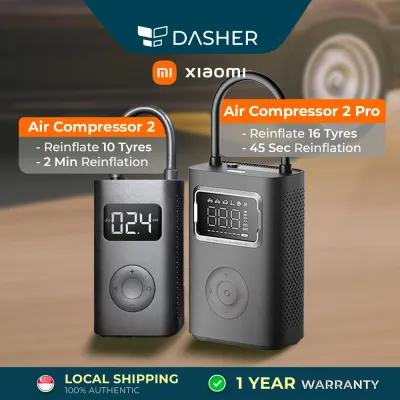
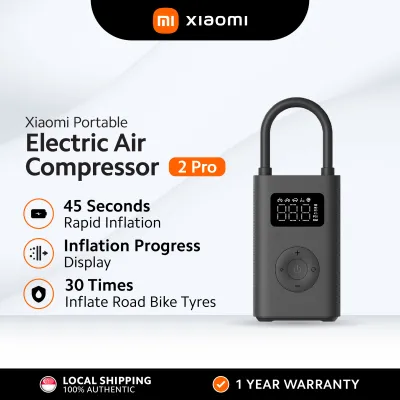
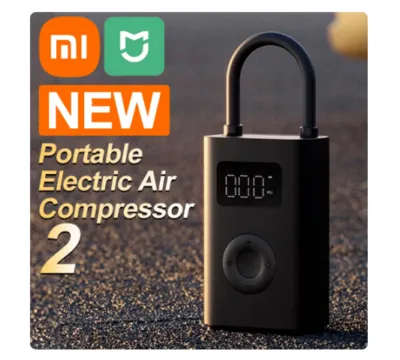
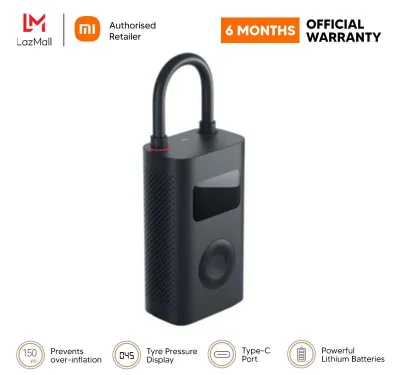
![[2025] Xiaomi Pump 2 MiJia Portable Handheld Electronic Air inflator/Pump Suitable For Car Motorcycle EBike Scooter Instock](https://img.lazcdn.com/g/p/3e082dd3fde1bc260eb18bfa0cd19ce7.jpg_400x400q80.jpg_.webp)
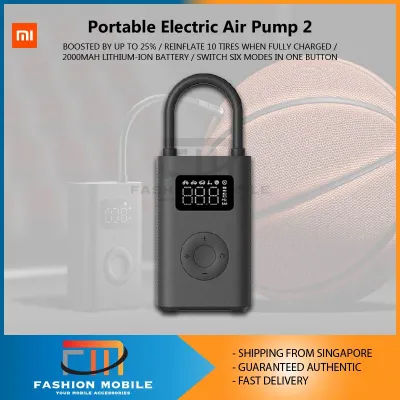
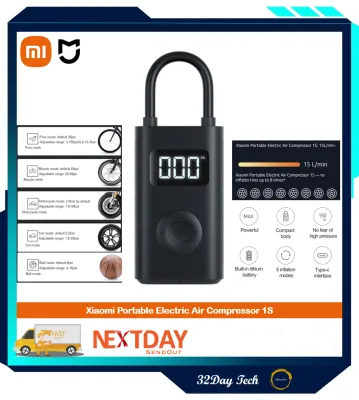
Prices are valid at publication and may change. Please refer to the product page for the latest price.
It is a common and potentially dangerous mistake to inflate tires to the pressure number molded onto the tire sidewall. The number on the sidewall represents the maximum inflation pressure the tire can safely hold under its maximum load capacity, not the daily operating pressure recommended for your specific car. Operating your vehicle at this maximum pressure results in a harsh ride, reduced tire contact with the road, accelerated wear along the center of the tread, and compromised braking performance.
Vehicle manufacturers specify tire pressure in one of three common units: Pounds per Square Inch (PSI), Bar, or Kilopascals (kPa). You must note the exact unit used on your vehicle’s placard to ensure you configure your air pump correctly. For reference, 1 Bar is approximately equal to 14.5 PSI or 100 kPa. Always use the exact unit and value specified on your vehicle’s placard rather than attempting to estimate or guess the correct level.
For an accurate baseline reading, always check and adjust your tire pressure when the tires are cold. Tires are considered cold when the vehicle has been parked for at least three hours or driven less than 1.6 kilometers at moderate speed. As you drive, friction between the tire tread and the road generates heat, which causes the air inside the tire to expand and raises the pressure reading. If you adjust your tire pressure immediately after a long drive, the reading will be artificially high, leading to under-inflation once the tires cool down to ambient temperatures.
Prepare the Xiaomi Air Pump and Configure Settings
To prepare the Xiaomi air pump, begin by powering on the device. On most models, this is accomplished by pulling the high-pressure air hose out of its dedicated storage port, which automatically activates the digital display. Once the screen illuminates, check the battery status indicator, which is typically represented by an LED light at the bottom of the device or a battery icon on the screen. Ensure the battery has sufficient charge; inflating multiple passenger car tires requires significant energy, and a low battery may cause the pump to shut down mid-task.

Next, navigate the device’s menu to select the appropriate operating mode. The pump features several preset modes, including settings for bicycles, motorcycles, cars, and sports balls, each represented by a corresponding icon on the screen. While the car preset provides a convenient starting point, you should use the manual or custom mode to input the exact target pressure identified from your vehicle’s placard. This custom mode allows you to adjust the target pressure in precise increments using the plus and minus buttons on the interface.
Once you have selected the manual mode, verify that the display unit matches the unit specified by your vehicle’s manufacturer. If your vehicle placard lists the pressure in Bar but your pump is currently displaying PSI, you must toggle the units. On most generations of this device, this is done by long-pressing the mode cycle button until the unit indicator on the screen changes. Refer to your specific model’s user manual if the button sequence differs, as incorrect unit configuration can lead to severe over-inflation or under-inflation.
Step-by-Step Process for Inflating the Tires
Before beginning the inflation process, ensure your vehicle is parked safely on a flat, level surface, the parking brake is firmly engaged, and the engine is turned off. Locate the valve stem on the tire you wish to inflate and unscrew the protective valve cap. Place the cap in a secure location, such as your pocket or the vehicle’s cup holder, to prevent losing it during the process. Inspect the valve stem briefly to ensure it is clean, free of debris, and showing no signs of cracking or dry rot.
Take the high-pressure air hose of the pump and attach it to the tire’s valve stem. Depending on the specific accessories included with your pump, you will either screw the threaded connector directly onto the valve stem or use a quick-connect lever adapter. As you attach the connector, you may hear a brief hiss of escaping air; this is normal. Continue tightening or securing the connector until the hissing stops completely, ensuring a perfectly airtight seal to prevent pressure loss during operation.
Once the hose is securely attached, the digital display on the pump will show the current, real-time pressure of the tire. Compare this reading to your target pressure. Use the plus or minus buttons on the pump interface to set your desired target pressure on the screen. Once the target is set, press the center start button to begin the inflation process. The pump’s internal motor and piston will begin operating, which generates a noticeable humming noise and vibration.
Monitor the digital display as the pump works. The screen will update in real time, showing the gradual increase in pressure. The Xiaomi air pump is equipped with an automatic shutoff feature that stops the motor the moment the internal sensor detects that the preset target pressure has been reached. This safety feature prevents manual over-inflation, but you should remain near the device during operation to monitor its progress and ensure the hose remains securely connected.
As soon as the pump automatically stops, disconnect the air hose from the valve stem. Work quickly to minimize the amount of air that escapes during the unscrewing or releasing process. Immediately replace the protective valve cap onto the valve stem, tightening it finger-tight. The valve cap plays a critical role in keeping road grime, dust, salt, and moisture out of the delicate valve core, which prevents slow leaks and internal corrosion over time.
Post-Inflation Verification and Device Care
After completing the inflation process for all tires, it is highly recommended to verify the final pressure using a separate, trusted manual or digital tire pressure gauge. While the internal sensor of the portable pump is highly convenient, verifying the pressure with an independent tool ensures accuracy and helps identify if the pump’s sensor requires calibration. If you find that the pump has slightly overshot your target pressure, you can manually release a small amount of air by gently pressing the center pin of the tire’s valve core with a small tool, then rechecking the pressure.
Proper storage and maintenance of your portable air pump are essential for preserving its battery life and mechanical performance. Once you are finished, insert the air hose back into its storage port to power down the device. Store the pump and its various nozzle adapters in its protective storage pouch. Keep the device in a cool, dry place inside your vehicle, such as under a seat or in a dedicated organizer. Avoid storing the pump in direct sunlight or in areas prone to extreme heat, such as the glove box or trunk during peak summer months, as high temperatures accelerate lithium-ion battery degradation.
To maintain long-term battery health, charge the device periodically using a compatible USB-C cable and a certified power adapter. Even if you do not use the pump frequently, lithium-ion batteries slowly discharge over time. Recharging the device every three to six months ensures that it remains fully operational and ready for emergency roadside use when you need it most.
Frequently Asked Questions (FAQ)
Can I use a Xiaomi air pump for run-flat or heavy-duty truck tires?
Portable consumer air pumps are primarily engineered for standard passenger cars, light SUVs, motorcycles, and bicycles. While they can technically inflate run-flat tires on standard passenger vehicles—as these tires operate within normal passenger car pressure ranges—they are not designed for the high-volume or high-pressure demands of heavy-duty commercial trucks or large transport vehicles. Heavy-duty truck tires require significantly larger volumes of air and often operate at pressures exceeding 80 PSI. Attempting to inflate these tires with a compact portable pump can exceed the device’s duty cycle, drain the battery completely, or cause the motor to overheat. For heavy-duty commercial vehicles, always use professional-grade high-volume compressors or seek assistance at a commercial service station.
Why does the air pump get hot during use?
The process of compressing air is thermodynamically exothermic, meaning it naturally generates a significant amount of heat. Additionally, the small, high-speed electric motor inside the compact housing works under high load to push air into the pressurized tire. This combination causes the internal components, the outer casing, and especially the metal connector on the high-pressure hose to become warm or hot to the touch during operation. To prevent thermal damage to the internal seals and motor, handle the hose carefully by its rubber sleeve and avoid touching the metal connectors immediately after use. If you are inflating multiple tires that are severely under-inflated, allow the device to cool down for 5 to 10 minutes between tires to respect the manufacturer’s recommended duty cycle.
How often should I check and adjust my tire pressure?
You should check and adjust your tire pressure at least once a month and always before embarking on long road trips or carrying heavy loads. Tire pressure naturally decreases over time due to microscopic permeation through the tire rubber, typically losing about 1 to 2 PSI per month. Furthermore, ambient temperature fluctuations directly impact tire pressure; a significant drop in outdoor temperature will cause the air inside your tires to contract, lowering the pressure. Never rely on a visual inspection to determine if your tires are properly inflated, as modern radial tires can lose a significant amount of air pressure before showing any visible signs of bulging or flattening. Always use a reliable digital or manual gauge for verification.
Community discussion
Share your experience or ask a question. Comments are reviewed before publication.