
Using a memory foam lumbar support in Singapore’s tropical climate often leads to a common frustration: intense heat buildup and a sweaty lower back. While memory foam offers excellent ergonomic contouring, its dense structure naturally traps body heat, a problem amplified by the island’s year-round high humidity. Achieving a comfortable drive requires a combination of selecting the right breathable materials, optimizing your car’s cabin airflow, and maintaining the support properly to prevent moisture retention.
By understanding how these materials interact with heat and humidity, you can make informed adjustments to your vehicle’s interior. This guide explores practical strategies to keep your back cool, from choosing the right seat covers to adjusting your daily driving habits and cabin climate settings.
Understanding Heat Buildup with Memory Foam
Memory foam is a polyurethane-based material engineered to react to body heat and pressure, allowing it to conform closely to the shape of your spine. However, this conforming nature is precisely why it tends to feel exceptionally warm. The microscopic cells within standard memory foam are tightly packed, creating a dense barrier that severely restricts natural air circulation. Unlike traditional fiberfill or open-cell foam cushions, memory foam acts as an insulator, absorbing your body heat and radiating it back toward your lower back.
Products mentioned in this guide
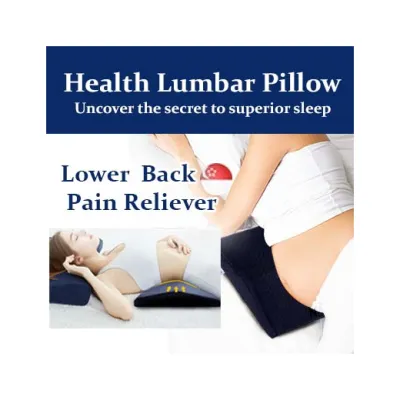
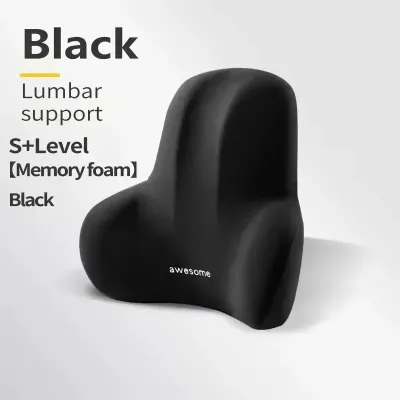
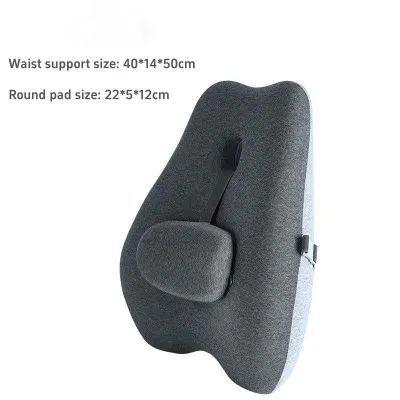
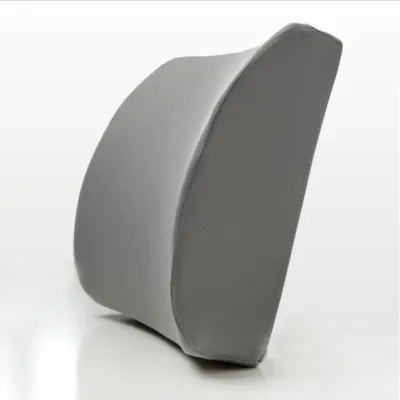
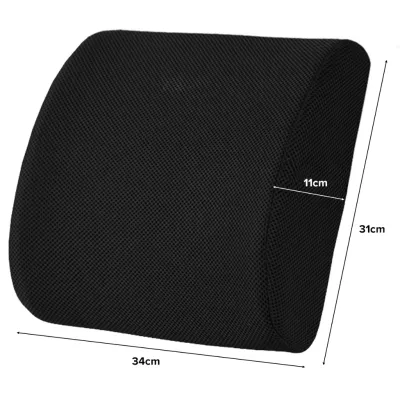
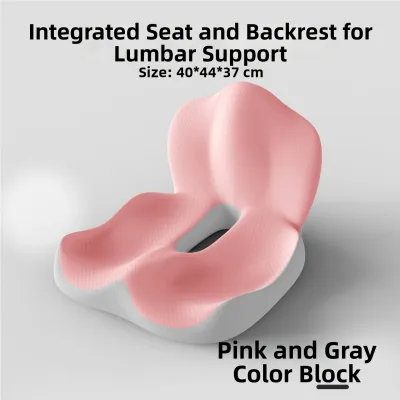
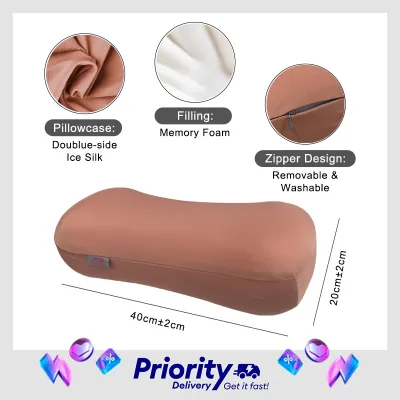
Prices are valid at publication and may change. Please refer to the product page for the latest price.
In Singapore, this physical property is compounded by high ambient humidity. When the air is saturated with moisture, your body’s natural cooling mechanism—sweat evaporation—slows down significantly. As you sit against a dense memory foam cushion, any perspiration from your lower back becomes trapped between your clothing and the support. This creates a localized microclimate of high heat and humidity, leading to a sticky, uncomfortable driving experience within minutes of starting your journey.
You can easily identify when your lumbar support is trapping excessive heat or moisture. If your lower back feels damp or warm to the touch immediately after stepping out of the car, the cushion is likely failing to dissipate heat. Other observable signs include a noticeable softening of the foam as it absorbs body heat, or a lingering musty odor on the cushion cover, which indicates that moisture is not evaporating properly between trips.
Choosing Breathable Seat Covers to Improve Airflow
One of the most effective ways to mitigate heat retention is by installing a breathable seat cover over your existing car seat. The material of your seat cover acts as the primary interface between your body, the lumbar support, and the seat itself. Comparing different materials is essential to finding a solution that promotes airflow while maintaining comfort.

Mesh seat covers are highly recommended for tropical climates because of their open-weave construction. These covers feature thousands of tiny perforations that allow air to flow freely behind your back, helping to dissipate heat before it can accumulate in the memory foam. Woven fabric covers, particularly those made from natural fibers or specialized athletic knits, also offer decent breathability and moisture absorption, though they may not match the raw airflow of a dedicated mesh design. Perforated synthetic or genuine leather covers provide a premium look and some ventilation, but their airflow is generally limited to the specific areas where the perforations are located.
Before purchasing or installing any aftermarket seat cover, you must verify that the design does not compromise your vehicle’s safety systems. Many modern vehicles are equipped with side airbags integrated directly into the outer bolsters of the front seats. A poorly designed or incompatible seat cover can obstruct the deployment path of these airbags, posing a severe safety risk in an accident. Always check the seat cover manufacturer’s compatibility list and look for explicit labels indicating that the cover is airbag compatible or features open side seams designed to tear easily during deployment.
Additionally, if your vehicle features built-in seat ventilation or cooling systems, a thick or non-perforated seat cover will block the airflow, rendering the system ineffective. Consult your vehicle’s owner’s manual to locate the air intake and exhaust vents on your seats. Ensure that any seat cover or lumbar support placement does not block these areas, as restricted airflow can strain the seat’s ventilation motors and reduce overall cabin cooling efficiency.
Evaluating Lumbar Support Covers and Design Features
When shopping for a memory foam lumbar support, the design of the cushion itself plays a critical role in temperature management. Many manufacturers recognize the challenges of heat retention and incorporate specific features to address them. Evaluating these features carefully will help you select a cushion that balances ergonomic support with thermal comfort.
First, prioritize lumbar supports that come with removable, washable covers. The cover should ideally be made from moisture-wicking fabrics, such as polyester blends designed for athletic wear, or highly breathable 3D mesh. These materials pull sweat away from your skin and spread it across a larger surface area, allowing it to evaporate more quickly even in humid conditions. A removable cover also makes regular cleaning much easier, which is vital for preventing sweat buildup from degrading the foam over time.
You will also encounter product labels highlighting features like ventilated foam cores or integrated cooling gel layers. Ventilated cores feature physical holes or channels molded into the memory foam to encourage air passage. While these channels do help, their effectiveness depends on active cabin airflow. Cooling gel layers, often laminated to the surface of the foam, work by absorbing heat from your body to provide an initial cooling sensation. However, it is important to note that this passive cooling effect is temporary; once the gel reaches your body temperature, it will no longer feel cool unless it has an opportunity to release that heat in a cooler environment.
Finally, consider the thickness and density of the memory foam. Extremely thick or ultra-dense cushions provide robust support but also wrap more closely around your lower back, increasing the contact surface area and trapping more heat. A moderately thick cushion with a medium density often strikes the best balance, offering sufficient spinal alignment while minimizing the physical contact area that traps warmth.
Adjusting Your Cabin Environment and Driving Habits
Beyond selecting the right gear, adjusting how you manage your car’s interior climate and your daily driving routines can significantly improve your comfort. Simple changes in how you cool your vehicle can prevent the lumbar support from becoming a heat sink.
When operating your vehicle’s air conditioning, pay close attention to vent direction. Instead of directing all airflow toward your face or chest, adjust some of the central or lower vents to direct air downward and along the sides of your seat. This helps circulate cool air around the base of the seat and behind your lower back, encouraging heat dissipation from the lumbar support. Avoid directing freezing air directly onto your lower back if you are prone to muscle stiffness, but aim to keep the air moving around the seating area.
Parking under the intense tropical sun can cause your car’s cabin temperature to soar, heating the memory foam cushion to extreme levels before you even start driving. To prevent this, use high-quality reflective windshield sunshades and side window visors when parked outdoors. These accessories block radiant heat from directly striking the seats and dashboard. If safe and legal, leaving your windows cracked by a few millimeters can also help hot air escape, reducing the initial heat load on your lumbar support.
On longer journeys across the island, make it a habit to take short breaks. Stepping out of the vehicle for just a few minutes allows the trapped heat and moisture between your back and the cushion to dissipate. It also gives the memory foam an opportunity to cool down and regain its original shape and firmness. Use these breaks to stretch your back and readjust your posture, ensuring that you remain comfortable and alert for the remainder of your drive.
Cleaning and Maintaining Lumbar Supports in Humid Conditions
Singapore’s high humidity creates an ideal environment for mold, mildew, and bacteria to thrive, especially when combined with body heat and sweat on a fabric surface. Establishing a regular cleaning and maintenance routine is essential to keep your lumbar support hygienic and prolong its lifespan.
Always refer to the manufacturer’s care labels before attempting to clean your lumbar support. As a general rule, the removable fabric cover can be machine washed on a gentle cycle with a mild detergent. However, the memory foam core itself should almost never be submerged in water or placed in a washing machine. Agitation and excess water can easily tear the delicate foam structure and destroy its supportive properties. If the foam core requires cleaning, spot-clean it gently with a damp cloth and a mild soap solution, taking care not to saturate the material.
After cleaning, ensuring the foam is completely dry is the most critical step. Trapped moisture inside a dense foam core will quickly lead to mold growth and unpleasant odors. Air-dry the foam core in a well-ventilated, shaded indoor area. Avoid placing memory foam in direct sunlight, as intense ultraviolet rays can degrade the polyurethane material, causing it to crumble or lose its elasticity. Allow the foam to dry completely—which may take up to 24 hours or more in humid weather—before putting the cover back on and returning it to your vehicle.
Regularly inspect your lumbar support for any signs of degradation, such as persistent musty odors that do not disappear after washing, visible mold spots, or a loss of structural resiliency where the foam fails to rebound. If you notice these issues, stop using the support immediately. Using a moldy or degraded cushion can compromise your cabin’s air quality and fail to provide the necessary ergonomic support for your spine.
Frequently Asked Questions (FAQ)
Can I use a cooling gel pad with my memory foam lumbar support?
Yes, you can use an aftermarket cooling gel pad, but you should first check your lumbar support manufacturer’s guidelines to ensure it will not damage the cover material. Keep in mind that gel pads operate on passive heat absorption; they will feel cool initially but will eventually warm up to match your body temperature during long drives. In Singapore’s warm climate, a gel pad left in a parked car can actually absorb cabin heat, making it warm to the touch when you return. Additionally, monitor the pad for any condensation or slipping, as moisture can make the seat surface slick and alter your driving posture, potentially affecting your control of the vehicle.
Will a memory foam lumbar support damage my leather car seats?
Over time, a lumbar support can potentially affect leather upholstery if proper precautions are not taken. High cabin temperatures can cause some synthetic backings or elastic straps on lumbar supports to become sticky or transfer residue onto genuine leather. Before installation, consult your vehicle’s interior care manual for any warnings regarding aftermarket accessories. Ensure your lumbar support features a non-abrasive, colorfast backing. To prevent permanent pressure marks or color transfer, avoid leaving the support tightly strapped to the seat when the vehicle is parked in direct sunlight for extended periods, and periodically remove the cushion to let the leather breathe and recover its shape.
Community discussion
Share your experience or ask a question. Comments are reviewed before publication.