
Drying your vehicle with a cordless car blower is one of the most effective ways to prevent swirl marks and micro-scratches, which commonly occur when dragging physical towels across the clear coat. By using a stream of clean, high-velocity air, you can push water off the panels without ever making physical contact with the paint. However, achieving a flawless, streak-free finish requires the correct technique, proper preparation, and an understanding of how to manage airflow around delicate trim.
In warm, humid climates like Singapore, water can dry rapidly on hot panels, leaving behind stubborn mineral deposits known as water spots. Utilizing a cordless blower speeds up the drying process significantly, allowing you to clear water from the surface before it has a chance to evaporate and etch into your clear coat. To get the best results, you must follow a systematic approach that protects your paint from start to finish.
Prepare Your Vehicle and Blower for a Scratch-Free Dry
Before turning on your cordless blower, you must ensure both the tool and the vehicle are in a state that minimizes the risk of paint damage. The first step is to inspect the blower’s air intake and nozzle. Any dust, sand, or dried detailing chemicals trapped in the nozzle or on the intake filter can be projected onto your wet paint at high speeds, acting like sandpaper. Wipe down the exterior nozzle and check that the intake screen is entirely free of debris.
Products mentioned in this guide
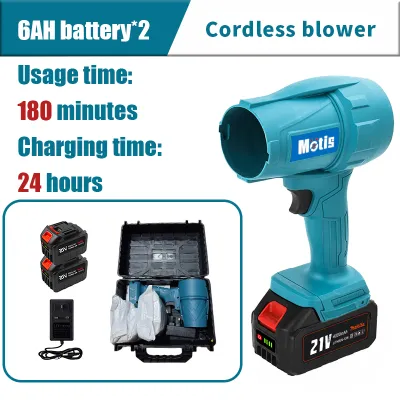

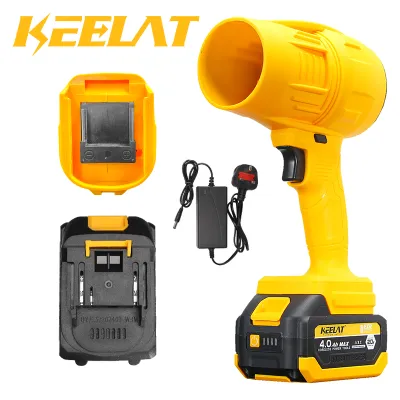
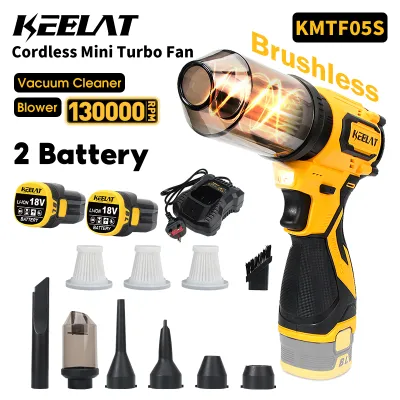
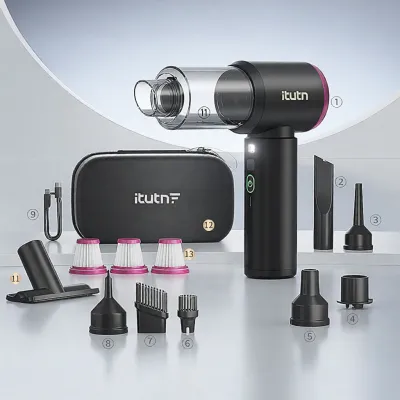
Prices are valid at publication and may change. Please refer to the product page for the latest price.
Next, verify your battery’s charge level. Cordless blowers draw significant power, and a drop in battery voltage mid-task can lead to a sudden loss of airflow. This interruption can cause water to dry on the paint before you can push it off, leading to stubborn water spots. Always start with a fully charged battery pack, and keep a spare on hand if you are drying a larger vehicle.
Equally important is the condition of the vehicle itself. Never attempt to air-dry a car that has not been thoroughly washed and rinsed. If any road grit, dirt, or film remains on the paint, the high-velocity air from the blower can drag these abrasive particles across the clear coat, causing fine scratches. Ensure you have performed a thorough wash and a final, free-flowing rinse to sheet away as much loose dirt and soap residue as possible before starting the blower.
Master the Step-by-Step Drying Technique for Paint Protection
To protect your vehicle’s clear coat, you must maintain a safe operating distance between the blower nozzle and the paintwork. Holding the nozzle too close can concentrate air pressure excessively, which might lift loose clear coat, damage delicate aftermarket wraps, or cause the nozzle tip to accidentally strike the panel. Keep the nozzle tip at least 15 to 30 centimeters away from the surface, adjusting based on the tool’s power and the panel’s stability.

The physical motion you use determines how efficiently water is cleared from the panels. Always work from the top of the vehicle downward, starting with the roof, moving to the glass, then the hood, trunk, and finally the side panels. Hold the blower at a 45-degree angle relative to the surface, directing the airflow to push the water beads downward and off the edges of the panels. Use smooth, overlapping sweeping motions rather than erratic, rapid movements to ensure water is systematically guided off the car rather than scattered back onto dry areas.
Adjusting your blower’s speed settings is crucial for managing different areas of the vehicle. High-speed settings are ideal for large, flat expanses like the roof and hood, where you need maximum force to break the water’s surface tension and sheet it off quickly. For vertical side panels or curved body lines, a medium speed setting often provides better control, preventing water from splashing back onto sections you have already dried. Always monitor how the water behaves and adjust the throttle or speed dial to match the curvature of each panel.
Vehicles with existing paint protection, such as ceramic coatings, sealants, or high-quality waxes, will dry much faster with a blower. The hydrophobic properties of these coatings cause water to bead up and slide off the surface with minimal air pressure. If your vehicle lacks protection, the water may lay flat on the panels, requiring a slightly closer nozzle distance and slower, more deliberate sweeping motions to push the water sheet off the vehicle.
Clear Water from Crevices, Mirrors, and Complex Trim Safely
One of the greatest advantages of a cordless car blower is its ability to purge trapped water from hidden recesses that towels cannot reach. Side mirrors, door handles, window tracks, license plate frames, and badge gaps are notorious for holding water that slowly drips out later, leaving unsightly run lines down your clean paint. Direct the nozzle into these gaps at a slight angle, using short bursts of air to force the trapped moisture out onto the surrounding panels where it can be easily swept away.
While clearing these tight spaces, you must exercise caution around rubber seals, weatherstripping, and delicate plastic trim. High-velocity air can easily dislodge loose rubber gaskets, lift aging adhesive, or tear degraded weatherstripping. Keep the nozzle at a slightly greater distance when working near these components, and avoid holding the airflow stationary over a single spot for more than a few seconds.
If your cordless blower features variable speed controls or interchangeable nozzles, utilize them for these intricate areas. A narrower, tapered nozzle concentrates the airflow, allowing you to target tight crevices like front grilles and lug nut wells without needing to run the blower at its highest, loudest setting. Lowering the motor speed while using a concentrated nozzle gives you precise control, reducing the risk of blowing water back into areas you have already dried.
Avoid Common Mistakes That Risk Paint Damage or Streaks
The most common mistake when using a cordless blower is making physical contact between the nozzle and the vehicle’s paint. In the heat of the task, it is easy to misjudge the distance and bump the hard plastic nozzle against a fender or door. To prevent this, consider using a blower equipped with a soft rubber nozzle tip, or wrap the end of your plastic nozzle with a clean silicone band or microfiber cloth secured with a rubber band to act as a protective bumper.
Another critical error is allowing the blower’s intake to pull in dirty air or debris from the ground. When drying the lower sections of your doors, rocker panels, or wheels, it is natural to point the blower downward. However, if the air intake is positioned too close to dusty garage floors or loose gravel driveways, it can suck up small stones and dirt, instantly launching them at high speed directly onto your wet paint. Always keep the intake pointed upward or away from the ground, and maintain a high clearance from the floor.
Recognize the physical limits of air drying and know when to transition to a manual method. While a blower is excellent for removing the vast majority of water, a few stubborn droplets or light water films may remain, particularly on vehicles without a ceramic coating or wax layer. Rather than continuously blasting these spots and risking heat buildup or water spotting, switch to a clean, high-GSM microfiber drying towel. Gently blot the remaining droplets to achieve a perfectly dry, streak-free finish.
Inspect Your Finish and Maintain Your Blower for Next Time
Once you have finished drying, conduct a thorough inspection of the vehicle’s paintwork under high-quality, diffused lighting. Walk around the car and look at the panels from multiple angles to identify any missed water spots, streaks, or hidden moisture slowly weeping from panel gaps. Addressing these small spots immediately with a quick detailer spray and a clean microfiber towel prevents them from baking into the clear coat and forming permanent mineral deposits.
Proper maintenance of your cordless blower is essential to ensure it remains safe for future detailing sessions. After each use, remove the battery pack and store it in a cool, dry place away from direct sunlight, following the manufacturer’s specific storage guidelines to preserve its overall lifespan. In warm climates, avoid charging the battery immediately after a heavy run; let the battery pack cool down to room temperature first to protect its internal cells.
Finally, wipe down the exterior body and nozzle of the blower with a damp microfiber cloth to remove any overspray from detailing chemicals, dirt, or moisture. Storing a clean tool prevents contaminants from transferring to your hands or back onto your vehicle’s paint during the next drying cycle. Keep the blower in a clean storage bag or on a dedicated shelf in your garage to protect it from dust and environmental moisture.
Frequently Asked Questions (FAQ)
Can a cordless blower completely replace microfiber drying towels?
While a cordless blower is highly effective at removing the majority of standing water and clearing tight crevices, it is best used as part of a hybrid drying system rather than a total replacement. On vehicles without a hydrophobic paint protection layer, water tension can make it difficult to blow away every single droplet. Using the blower to clear ninety percent of the water—especially from mirrors, grilles, and emblems—and then lightly blotting the remaining moisture with a clean, plush microfiber towel ensures a completely streak-free finish without the risk of scratching.
Is it safe to use a standard leaf blower instead of a dedicated car blower?
Using a standard yard leaf blower on vehicle paint carries several risks that dedicated car blowers are designed to avoid. Yard blowers typically lack internal air filtration systems, meaning they can suck up airborne dust, pollen, and fine grit and blast them directly onto your wet, vulnerable paintwork. Additionally, many leaf blowers are heavy, bulky, and feature long, hard plastic nozzles that are difficult to maneuver around tight vehicle contours, significantly increasing the risk of accidental contact and scratches. Dedicated car blowers feature shorter nozzles, rubber tips, and integrated air filters to ensure only clean, safe air touches your vehicle.
Community discussion
Share your experience or ask a question. Comments are reviewed before publication.