
Using a car squeegee without scratching your paint requires a flawless wash process, a high-quality silicone blade, and a lubricated surface. If even a single speck of dirt remains on the clear coat, the squeegee blade will drag it across the panel, creating unsightly swirl marks and deep scratches. By mastering the correct preparation and physical technique, you can safely harness the speed and efficiency of a squeegee to dry your vehicle.
Understanding Scratch Risks When Using a Car Squeegee
Your vehicle’s clear coat is a thin, protective top layer designed to shield the paint from UV rays and environmental damage. While it provides a brilliant gloss, it is relatively soft and highly susceptible to physical marring. When you slide a squeegee blade across the paint, any microscopic debris left behind acts as an abrasive. The blade traps these particles against the clear coat, dragging them along the path of your stroke and creating linear scratches.
Unlike a plush microfiber towel, which has deep fibers designed to absorb and isolate stray dirt particles, a solid squeegee blade has nowhere to hide debris. Therefore, the safety of a squeegee depends entirely on the cleanliness of the surface and the flexibility of the blade material. If you are drying a car in a dusty environment, or if the wash was rushed, you must skip the squeegee entirely and rely on alternative drying methods.
Products mentioned in this guide
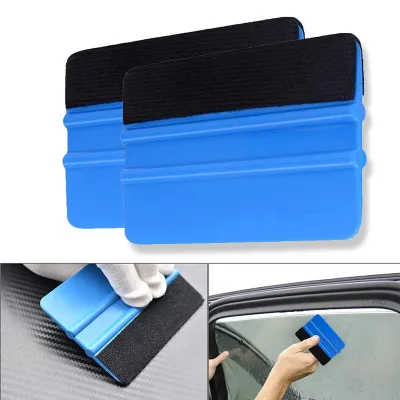
1 Lazada user ratings
👌Ease of Use:easy 🔧Durability:balance between flexibility and durability 🔒Safety:right fit for the hand 💪Effectiveness:solid 💲Value for Mone…Read full reviewShow less
👌Ease of Use:easy 🔧Durability:balance between flexibility and durability 🔒Safety:right fit for the hand 💪Effectiveness:solid 💲Value for Money:definitely
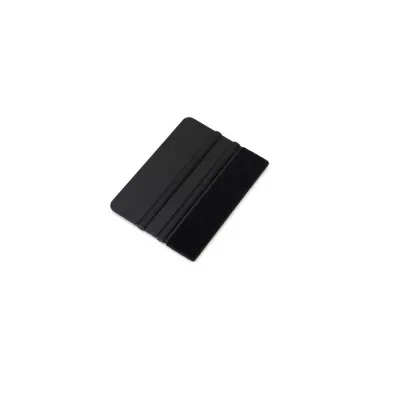

2 Lazada user ratings
Just as described. Everything is good. Nice product.
Great product
Prices are valid at publication and may change. Please refer to the product page for the latest price.
Household glass squeegees are fundamentally different from automotive paint-safe squeegees. Glass squeegees feature stiff, hard rubber blades designed for rigid glass surfaces and often have exposed metal channels that can easily gouge paint. Automotive squeegees utilize highly flexible, medical-grade silicone that conforms to body contours and minimizes friction when wet.
Essential Preparation Before Squeegeeing Your Car
The preparation phase is where paint safety is won or lost. You must never use a squeegee on a car that has only received a quick rinse. Begin with a thorough pre-wash using a foam cannon to loosen surface contaminants before you touch the vehicle. Follow this with a meticulous hand wash using the two-bucket method to prevent dirt from being reintroduced to the paint.

One bucket holds your clean, soapy wash water, while the second bucket is filled with clean rinse water to flush your wash mitt after cleaning each panel. Use a high-quality car wash shampoo that offers high lubricity to help the mitt glide safely. Once the hand wash is complete, rinse the vehicle thoroughly from top to bottom.
Use a strong, clean stream of water to ensure all soap residue and loosened grit are completely flushed from panel gaps, trim pieces, and flat surfaces. Before you begin drying, apply a dedicated drying aid or a light mist of quick detailer spray across the wet panels. This step adds an extra layer of lubrication, reducing the friction between the squeegee blade and the clear coat.
Choosing a Paint-Safe Car Squeegee
Not all squeegees are created equal, and using the wrong tool will almost guarantee paint damage. Avoid standard household window squeegees entirely. Instead, look for a dedicated automotive squeegee made from soft, medical-grade silicone. This material is highly flexible, allowing the blade to conform to the curves of your vehicle’s bodywork while exerting minimal friction.
The design of the tool is equally important. Choose a squeegee with a fully encased handle or one made of soft plastic to prevent accidental contact between hard metal edges and your paint. Rounded edges on the blade tips are also essential, as sharp corners can dig into the clear coat during a turn or angled stroke.
Always inspect the manufacturer’s packaging to confirm the tool is rated safe for automotive clear coats. Verify the instructions for any specific material compatibilities, ensuring the blade is safe for use on paint, plastic trim, and glass alike.
Step-by-Step Technique for Safe Squeegee Drying
Safe squeegee drying relies on a systematic approach and a delicate touch. Always start at the highest point of the vehicle, which is typically the roof, and work your way downward. This prevents water from running back down onto panels you have already dried.
Hold the squeegee handle comfortably, maintaining a blade angle of approximately 30 to 45 degrees relative to the paint surface. Do not press down hard on the tool. The weight of your hand and the natural flexibility of the silicone blade are sufficient to sweep the water away. Let the blade glide effortlessly over the wet surface.
Work in straight, overlapping strokes to ensure complete water removal without leaving dry gaps. After every single pass, stop and wipe the edge of the silicone blade with a clean, damp microfiber towel. This simple step removes any microscopic dust or water spots that may have accumulated on the blade edge before you start the next stroke.
When transitioning to vertical panels like doors and fenders, adapt your stroke direction to follow the natural body lines of the vehicle. Short, controlled strokes are much safer and easier to manage than long, sweeping motions across complex contours. Never force a wide, rigid stroke over sharp body lines or badges.
Finishing Touches and Tool Maintenance
A squeegee is an excellent tool for bulk water removal, but it cannot complete the job alone. Complex areas such as door mirrors, grilles, door jambs, and tight crevices around badges require a different approach. Use a plush, high-GSM microfiber drying towel to gently blot or wipe these intricate areas to prevent trapped water from slowly dripping out later.
Once the vehicle is dry, perform a thorough visual inspection. Examine the paint from various angles under bright, direct lighting or using a detailing inspection light. Look for any remaining water streaks, pooling, or light smudges. If you spot any damp areas, gently buff them dry with a clean, dry microfiber towel.
After completing the drying process, rinse your squeegee blade under clean running water to remove any residual drying aid or dust. Store the tool in a clean, dust-free drawer or hang it by its handle. Never store a squeegee resting on its silicone blade, as this can warp the edge and ruin its ability to sweep water cleanly.
Common Squeegee Mistakes That Damage Clear Coats
Understanding what to avoid is just as important as mastering the correct technique. The most common mistake is dragging a squeegee over a dry or semi-dry panel. Without water or a drying aid to act as a lubricant, the silicone blade will grab and chatter across the paint, creating intense friction that can easily mar the clear coat.
Another frequent error is applying heavy downward pressure. Some detailers believe that pressing harder will remove more water, but this only increases the risk of trapping stray particles and grinding them into the paint. Let the flexibility of the silicone do the work.
Finally, never underestimate the danger of dropping your tool. If your squeegee falls onto the driveway or garage floor, do not simply wipe it with your hand and keep working. The soft silicone blade will instantly attract tiny, sharp stones and grit from the ground. Using a dropped squeegee without washing it thoroughly under running water is a guaranteed way to inflict severe scratches on your vehicle’s finish.
Frequently Asked Questions (FAQ)
Can I use a standard window squeegee on my car's paint?
No, you should never use a standard window squeegee on your car’s paint. Window squeegees feature hard rubber blades designed for glass, which is much harder and more scratch-resistant than automotive clear coat. Additionally, window squeegees often have exposed metal channels or hard plastic edges that can easily contact and gouge your paint during use.
Is a squeegee better than a microfiber drying towel?
Neither tool is universally better; they serve different purposes. A silicone squeegee is highly efficient for rapid bulk water removal on large, flat panels like the roof, hood, and trunk. However, a microfiber drying towel is safer for complex contours, tight spaces, and final buffing because its fibers can safely trap and isolate any missed dirt particles.
Do I need a drying aid when using a car squeegee?
While not strictly mandatory if the surface is perfectly clean and wet, using a drying aid is highly recommended. A drying aid spray provides essential lubrication that helps the silicone blade glide smoothly over the paint, significantly reducing friction. Many drying aids also leave behind a thin layer of gloss or sealant protection.
Community discussion
Share your experience or ask a question. Comments are reviewed before publication.