
You can identify a genuine 3M leather cleaner by systematically inspecting its packaging quality, verifying official security labels or QR codes, checking the liquid’s consistency and scent, and purchasing exclusively from authorized retail channels. Because counterfeit car care products often mimic the original packaging closely, a combination of physical inspection and seller verification is the most reliable way to protect your vehicle’s interior.
When caring for your vehicle’s interior, always verify the safety boundary of any cleaner from the specific product and vehicle documentation before application. Cleaners, fluids, and care products should only be used for label-authorized uses, as a material name alone does not prove safety for paint, leather, plastics, sensors, or seals. Using an unverified or counterfeit chemical formula on your car’s cabin surfaces carries significant risks.
Why Authenticity Matters for Your Vehicle's Interior
Using an unverified or counterfeit chemical formula on your car’s cabin surfaces carries significant risks. Genuine leather cleaners are carefully balanced to match the delicate pH requirements of treated automotive hides. Counterfeit formulations, however, often contain harsh, industrial-grade solvents or high-alkalinity detergents that strip away the factory-applied protective topcoat.
Products mentioned in this guide
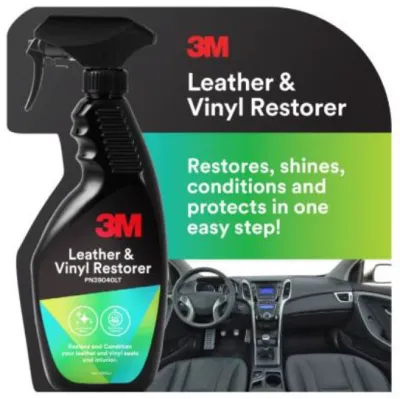
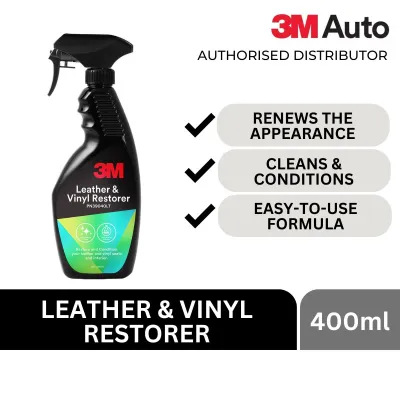
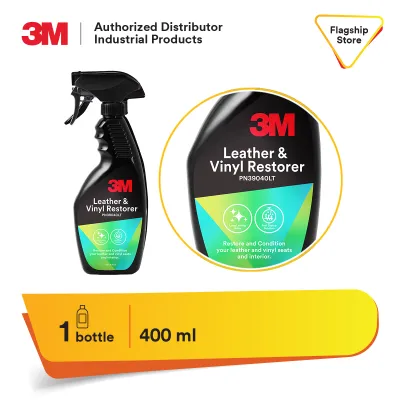
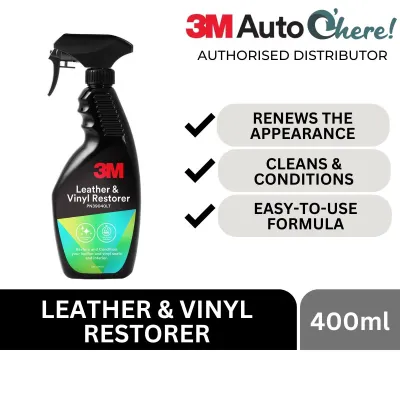
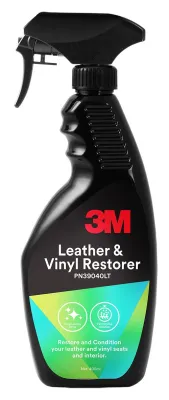
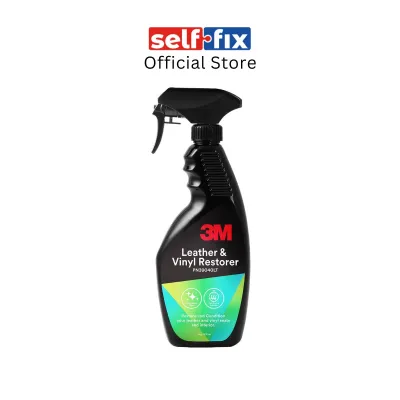
Prices are valid at publication and may change. Please refer to the product page for the latest price.
Once this protective barrier is compromised, the leather becomes highly vulnerable to drying, premature cracking, and severe discoloration. Authentic products typically incorporate conditioning agents and UV inhibitors that preserve the material’s flexibility under intense sunlight. Fake alternatives lack these protective additives, leaving your seats exposed to rapid thermal degradation.
Beyond material damage, unregulated chemical mixtures pose direct health and safety hazards. Counterfeit liquids may release volatile organic compounds (VOCs) or toxic fumes inside the enclosed space of a vehicle cabin. These airborne irritants can cause respiratory discomfort or skin irritation upon contact with the seats.
Visual and Physical Checks to Spot a Fake
Spotting a counterfeit product begins with a close examination of the physical container and its labeling. Genuine packaging adheres to strict manufacturing standards, resulting in crisp, high-contrast printing and perfectly aligned text. Counterfeit bottles often exhibit blurry graphics, slight color shifts, or inconsistent fonts that deviate from official brand guidelines.

Carefully inspect the text on both the front and back labels for spelling mistakes, grammatical errors, or unusual spacing. Authentic bottles feature clearly printed batch numbers, manufacturing dates, and barcodes that are typically stamped or inkjet-printed directly onto the plastic or label. If these details are missing, smudged, or easily scratched off with a fingernail, the product is highly suspect.
The physical construction of the bottle and spray mechanism provides further clues. Genuine containers use high-quality, durable plastics with smooth seams and a sturdy trigger spray nozzle that operates without sticking. Counterfeiters often use cheaper, thinner molds that feel flimsy, leak under light pressure, or feature poorly fitting caps with broken or misaligned tamper-evident rings.
Finally, observe the physical properties of the liquid itself if the container allows. Authentic leather cleaners generally have a consistent viscosity, a uniform color, and a mild, controlled scent designed for indoor use. A liquid that appears watery, separates into distinct layers, contains visible sediment, or emits a harsh, chemical-solvent odor is a strong indicator of a counterfeit formulation.
Official Verification Methods and Brand Tools
To combat counterfeiting, official security features are frequently integrated into product packaging. Many genuine automotive products feature specialized anti-counterfeit holograms or security labels that shift color or reveal hidden patterns when tilted under direct light. Inspect the bottle for these reflective seals, ensuring they are firmly adhered and do not peel off easily.
Depending on the specific regional release and production batch, some packages include scratch-off panels revealing a unique verification code or a secure QR code. Scanning these codes with a smartphone should direct you to an official brand verification portal. Be cautious if the scan redirects to an unfamiliar, generic web address rather than a verified brand domain.
If you remain uncertain about a product’s authenticity, you can contact the manufacturer’s customer support team directly. Provide them with the exact batch code, manufacturing date, and high-resolution photos of the packaging and labels. The support representatives can cross-reference these details with their production databases to confirm whether the batch is legitimate.
How to Evaluate the Seller and Purchase Channel
Selecting the right purchase channel is your primary line of defense against counterfeit automotive chemicals. Purchasing directly from authorized distributors, official brand storefronts on major ecommerce platforms, or established brick-and-mortar automotive supply stores greatly minimizes your risk. These sellers maintain documented supply chains that trace directly back to the manufacturer.
When shopping on online marketplaces, exercise extreme caution with third-party listings. Unusually low prices—such as a bottle listed for a fraction of the standard retail price of around S$15 to S$25—are a primary warning sign. While a discount is appealing, counterfeiters frequently use low prices to quickly liquidate unauthorized stock.
Examine the seller’s profile, customer feedback history, and business registration details before completing a transaction. Be wary of storefronts that rely entirely on generic stock photos, have a high volume of recent negative reviews mentioning fake goods, or lack a clear history of selling automotive care products. Always request and retain a formal tax invoice or purchase receipt, as this documentation is essential for returns or disputes.
Action Plan If You Suspect a Counterfeit Product
If you suspect that your leather cleaner is not genuine, stop using it immediately. Applying an unverified chemical to your car’s interior can cause rapid, irreversible damage to the leather, plastics, or surrounding vinyl trim. Store the bottle in a secure, upright position away from heat sources to prevent leaks.
Document the product thoroughly by taking clear, well-lit photographs of the entire bottle, focusing on the labels, batch codes, nozzle, and any physical defects. Keep a digital copy of your purchase receipt, order confirmation, and any communication with the seller. This evidence is crucial for securing a refund and reporting the incident.
Contact the ecommerce platform or the retailer immediately to initiate a formal dispute or return request, citing concerns over product authenticity. Most reputable platforms have buyer protection policies that cover counterfeit merchandise. Additionally, report the suspicious listing and seller account to the platform’s administration and local consumer protection authorities to help prevent other vehicle owners from purchasing harmful fakes.
Frequently Asked Questions (FAQ)
Can I rely solely on the price to identify a fake 3M leather cleaner?
While an unusually low price is a strong red flag, you cannot rely on price alone to identify a counterfeit product. Some sophisticated counterfeiters price their items close to the standard retail average to avoid raising suspicion and to make their listings appear legitimate. Therefore, physical inspection of the packaging and verification of the seller’s credentials remain essential steps.
Does a genuine 3M leather cleaner always have a strong chemical smell?
No, genuine formulations are engineered to be safe and relatively pleasant for use inside the enclosed cabin of a vehicle, typically featuring a mild or characteristic scent. A harsh, overpowering, or solvent-heavy chemical odor is a common indicator of a counterfeit product. Fake manufacturers often use cheap, unregulated chemical solvents that emit strong, unpleasant fumes.
Community discussion
Share your experience or ask a question. Comments are reviewed before publication.