
Upgrading your vehicle’s interior with thick leather seat covers brings an immediate sense of luxury, but it often introduces an annoying side effect: a widened car seat gap. The added padding and material thickness can alter the contours of your seats, turning the narrow space between your seat and the center console into a deep, items-devouring crevasse. If you find your phone, keys, or parking cards constantly sliding down this gap, you are not alone.
Resolving this issue requires a combination of physical barriers, proper seat cover adjustments, and smart organization. By installing flexible gap fillers, securing your seat covers tightly, or utilizing specialized console side pockets, you can easily reclaim this space. Crucially, any modification must preserve the functionality of your seatbelts, adjustment tracks, and side airbags.
Why Thick Leather Seat Covers Widen the Car Seat Gap
Installing premium aftermarket leather covers changes the physical dimensions of your car’s front seats. The thick leather, often backed by a dense layer of polyurethane foam padding, increases the overall volume of the seat cushion and backrest. When you sit, this extra material compresses and spreads outward toward the center console, narrowing the initial clearance but creating a sloped, slippery wedge. This wedge acts as a funnel, directing loose items straight into the car seat gap.
Products mentioned in this guide
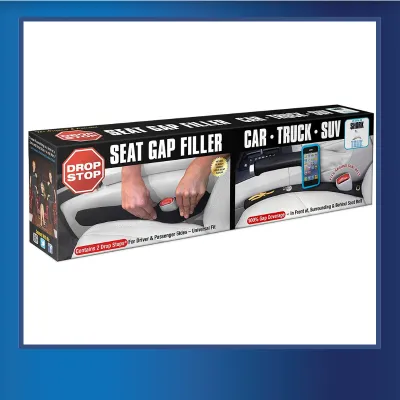
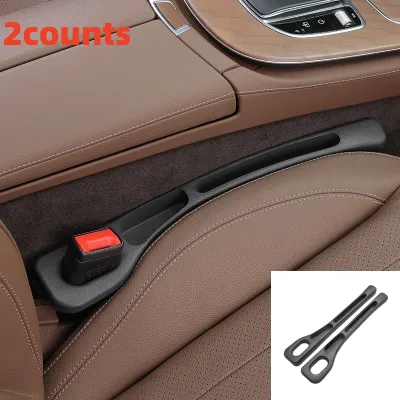
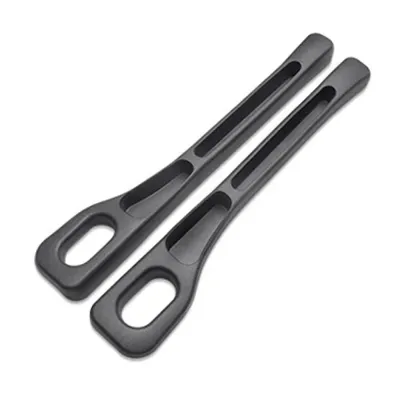
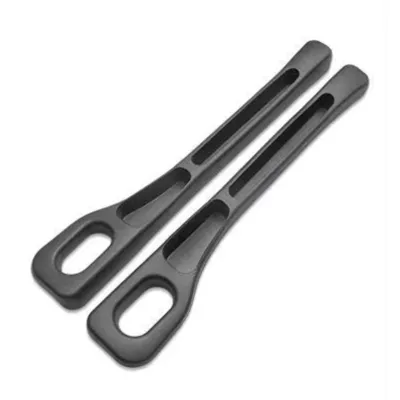
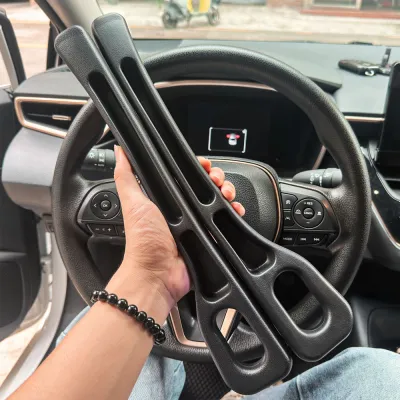

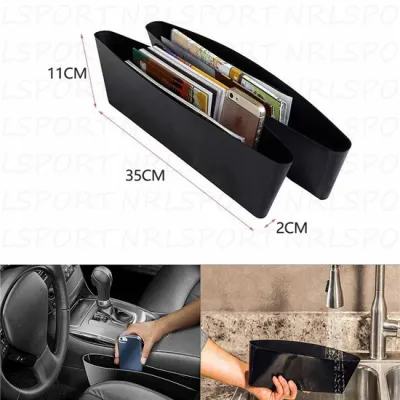
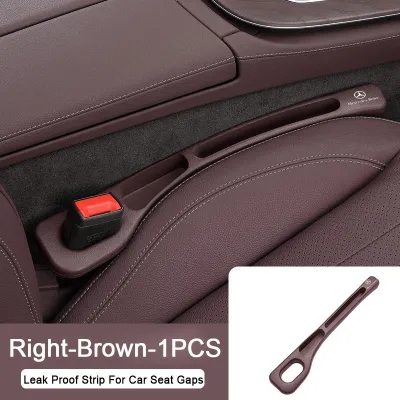
Prices are valid at publication and may change. Please refer to the product page for the latest price.
Poor installation tension frequently worsens this issue. When universal or semi-custom covers are not pulled completely taut, the excess leather bunched at the edges creates a rounded, elevated profile. Instead of a flat surface, you end up with a high-friction slope that pushes loose pocket items outward. As you slide in and out of the cabin, your body weight shifts this loose material, actively pushing items off your lap and into the void.
Furthermore, original seat designs often feature aggressive side bolsters, especially in sporty models or modern SUVs popular in Singapore. These bolsters are engineered to hold your body in place during tight turns. When you overlay these contoured shapes with thick, stiff leather covers, the cover cannot conform perfectly to the deep recesses. This misalignment leaves hollow air pockets underneath the leather, forcing the outer edges of the cover to sit higher and wider than originally intended, thereby exacerbating the funnel effect.
Practical Solutions to Block or Bridge the Car Seat Gap
Addressing a widened car seat gap does not mean you have to sacrifice your new leather interior. Depending on your budget, aesthetic preferences, and how often you adjust your seats, several highly effective methods can block or bridge this space.

Install a Car Seat Gap Filler
A dedicated car seat gap filler is a simple, elongated insert designed to plug the open space between the front seat and the center console. These accessories act as a physical bridge, catching falling items before they can slide down into the dark, hard-to-reach areas of the cabin floor. These accessories are highly affordable, typically ranging from S$15 to S$40 on local ecommerce platforms.
When selecting a gap filler, material choice is paramount. Avoid rigid plastic models that cannot adapt to the shifting contours of your car’s interior. Instead, opt for soft, flexible materials such as high-density neoprene, soft thermoplastic polyurethane (TPU), or flexible memory foam wrapped in thin synthetic leather. These pliable materials compress easily, allowing them to squeeze tightly into the gap regardless of how wide or narrow it becomes.
To install a friction-fit gap filler, slide the built-in slot or loop over your seatbelt buckle receptacle first. This anchor point prevents the filler from sliding backward or forward. Next, press the main body of the filler firmly down into the gap until it sits flush with the top of the seat cushion. For models that rely on non-damaging adhesive strips, clean the side of the center console thoroughly with a damp microfiber cloth and let it dry completely before mounting to ensure a secure bond. When properly installed, the filler should remain firmly in place, sliding smoothly alongside the seat whenever you adjust your driving position.
Adjust and Secure the Seat Cover Installation
Sometimes, the most effective solution is to address the root cause by adjusting how the thick leather seat cover sits on the frame. If the leather is bunching up and creating a sloped funnel, a few installation adjustments can flatten the profile and reduce the gap.
Start by deep-tucking the edges of the seat cover. Using a plastic trim removal tool or a blunt kitchen spatula, carefully push the excess leather and seams deep into the crevices between the seat cushion and the plastic side shields. Avoid using sharp metal screwdrivers, which can easily puncture your new leather or scratch the plastic console. Tucking the material tightly pulls the top surface flat, minimizing the rounded edge that rolls toward the gap.
Next, inspect the underside of the seat to ensure the cover’s anchor hooks, elastic straps, or chucks are fully tensioned. Reach beneath the seat frame and pull these straps taut, securing them to stable metal anchoring points. Be extremely careful to route these straps away from any moving parts, yellow electrical connectors for side airbags, or seat heater wiring. Pulling the leather taut from underneath prevents the cover from shifting and bunching when you enter or exit the vehicle.
If the thick cover continues to slide across the original fabric or leather seat, insert a thin, non-slip grip mat—such as a silicone mesh mat or a thin rug pad—between the original seat surface and the cover. Cut the mat to size so it remains completely hidden. This added friction stops the leather cover from migrating toward the center console, maintaining a stable, flat seat profile that is far less likely to funnel items downward.
Use a Console Side Pocket or Organizer
For drivers who want to turn a frustrating problem into a functional upgrade, a console side pocket or drop-in organizer is an excellent alternative. These accessories insert directly into the car seat gap, blocking the drop while providing dedicated storage slots for daily essentials.
These organizers typically feature a slim, wedge-shaped pocket made of plastic, wrapped in matching synthetic leather or durable fabric. They sit securely in the gap, keeping your smartphone, parking access cards, sunglasses, and pens within arm’s reach. In Singapore, where quick access to parking cards or contactless payment cards is essential when entering carparks or ERP gantries, having a dedicated, elevated slot prevents frantic searching.
Before purchasing a console side pocket, it is crucial to measure the dimensions of your seat gap. Measure both the width of the space and the depth from the top of the seat cushion down to the seat rails. A pocket that is too wide will press uncomfortably against your thigh or force the seat cushion out of alignment, while one that is too deep may interfere with the seat adjustment levers. Choose a model with a slim profile that fits snugly without putting pressure on your seat’s power adjustment buttons or manual levers.
Crucial Safety Checks Before Blocking the Car Seat Gap
While keeping your phone and keys secure is important, vehicle safety must always take priority. Modifying the interior space around your front seats can inadvertently interfere with critical safety systems and mechanical operations if not done carefully.
Side Airbags: Many modern vehicles feature side-impact airbags housed within the outer bolsters of the front seat backrests. If you install any gap-blocking device, ensure it is positioned strictly on the inner edge of the seat, between the seat and the center console. Never wrap straps, covers, or rigid accessories around the outer edges of the seat backrest where they could block the airbag deployment path. If your seat covers themselves cover these areas, verify that they feature certified, documented tear-away safety seams designed to burst open when the airbag deploys.
Seat Adjustment Tracks: The metal rails beneath your seats must remain completely clear of obstructions. When installing a gap filler or organizer, check that no part of the accessory sags or protrudes downward into the tracks. A blocked rail can jam manual adjustment levers or overload and damage electric power seat motors. After installation, slide the seat fully forward and backward to confirm smooth, unobstructed movement.
Seatbelt Buckles: Your seatbelt receptacle must remain fully accessible and free from pressure. Any gap filler you choose should feature a dedicated cutout that slides over the buckle sleeve, allowing the buckle to move naturally. The filler must not cover the red release button, compress the buckle housing, or make it difficult to click the seatbelt latch into place.
Pedal Interference: Never use loose, hard, or excessively long objects to plug the gap. In the event of sudden braking or a sharp turn, a loose plastic organizer or heavy object could dislodge and slide forward under the driver’s seat. If an object rolls into the driver’s footwell, it can wedge behind the brake or accelerator pedal, creating an extremely dangerous situation where you cannot control the vehicle.
How to Choose Seat Covers That Minimize Gap Issues
If you are planning a future upholstery upgrade or considering replacing your current covers, selecting the right design from the outset can prevent car seat gap issues entirely.
Always prioritize custom-fit, vehicle-specific seat covers over universal options. Custom-fit covers are patterned precisely to match the exact dimensions, curves, and side bolsters of your specific vehicle model and year. This precise tailoring ensures the leather sits flat against the seat frame, eliminating the excess material and loose edges that cause universal covers to bunch up and create a sloped funnel.
Pay close attention to the edge-binding and seam construction of the covers. Look for designs that feature flat, double-stitched seams along the outer edges rather than thick, wrapped hems. Flat edges lie flush against the seat plastic shields, preserving the original width of the gap and preventing the cover from pushing outward toward the console.
Additionally, look for seat covers equipped with an integrated anti-slip backing. High-quality covers often feature a rubberized, micro-dot silicone backing or a high-friction suede-like lining. This backing grips the original upholstery firmly, preventing the thick leather from migrating or shifting during daily use, which keeps your seat profile stable and minimizes gap expansion over time.
Frequently Asked Questions (FAQ)
Will a seat gap filler interfere with my car's side airbags?
No, a properly installed seat gap filler will not interfere with your vehicle’s side airbags, provided it is placed exclusively on the inner side of the seat next to the center console. Side-impact airbags are designed to deploy from the outer bolsters of the seat backrests, facing the doors. To ensure complete safety, never install any straps, rigid brackets, or fillers on the outer side of the front seats, and always verify that your aftermarket seat covers have verified airbag-compatible seams.
How do I clean and maintain a leather car seat gap filler?
To maintain a leather gap filler in Singapore’s humid tropical climate, wipe it down regularly with a soft microfiber cloth and a mild, pH-balanced leather cleaner to remove accumulated dust, sweat, and oil. Avoid using harsh household detergents or alcohol-based wipes, which can strip the leather’s protective oils and cause premature cracking. Every few months, apply a light coat of high-quality leather conditioner. This conditioning routine keeps the material supple and prevents it from drying out or becoming sticky due to the frequent temperature fluctuations between parking in the hot sun and running the vehicle’s air conditioning.
Community discussion
Share your experience or ask a question. Comments are reviewed before publication.