
Identifying genuine Rays tyre valve caps requires a close look at manufacturing precision, material weight, and packaging details. Because Rays is a premium Japanese wheel manufacturer, their official accessories exhibit high-grade machining, flawless anodized finishes, and exact branding. Counterfeit products, which frequently flood online marketplaces and unauthorized accessory shops, typically suffer from rough threading, uneven coloring, and poor-quality rubber seals. By systematically checking the physical build, logo alignment, and retail packaging, you can protect your wheels and maintain proper tyre pressure.
Why Counterfeit Valve Caps Pose a Risk
While a valve cap might seem like a minor aesthetic accessory, it plays a critical role in protecting the tyre valve core from dirt, moisture, and road debris. Counterfeit valve caps often lack the precise tolerances required to form an airtight seal. Over time, a poorly fitting cap can allow slow air leaks to develop, leading to gradual tyre pressure loss that compromises your vehicle’s handling and fuel efficiency.
Furthermore, substandard metals used in replica caps pose a severe risk of material degradation. Cheap alloys can react chemically with the brass or aluminum of your tyre’s valve stem, especially when exposed to road salt, moisture, and high temperatures. This chemical reaction can lead to galvanic corrosion, effectively fusing the cap to the valve stem.
Products mentioned in this guide
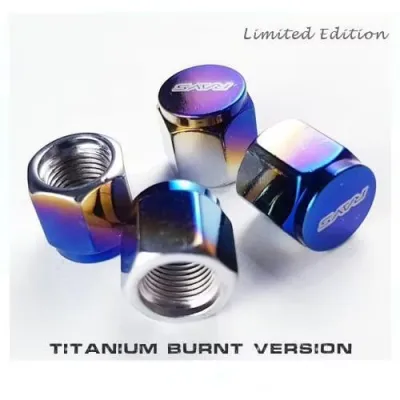
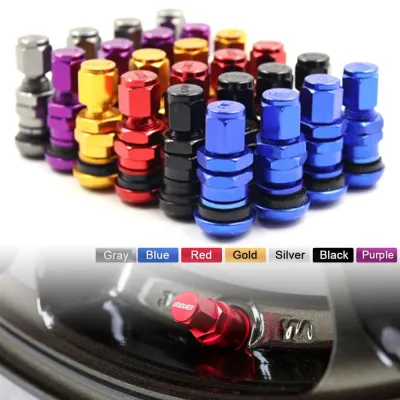
Prices are valid at publication and may change. Please refer to the product page for the latest price.
When a valve cap seizes, removing it often requires replacing the entire valve stem, which can be an expensive and inconvenient repair. Additionally, the aesthetic appeal of fake caps deteriorates rapidly, with cheap paint or anodizing fading, chipping, or peeling after only a few weeks of exposure to the elements.
Physical and Visual Inspection Checklist
Before purchasing or installing any aftermarket valve caps, verify your vehicle’s specific valve stem dimensions, interface type, and mounting position against your original vehicle documentation to ensure proper compatibility and road safety. Genuine Rays valve caps are manufactured to strict tolerances, resulting in a distinct weight and solid feel in the hand. If the caps feel unusually light, flimsy, or excessively heavy for their size, they may be made from inferior cast metals rather than high-grade billet aluminum or duralumin.

Carefully peer inside the cap to inspect the internal threading. Genuine caps feature clean, smoothly cut threads that allow you to spin the cap onto the valve stem effortlessly by hand. If you notice sharp burrs, uneven thread depth, or metal shavings left behind from the machining process, the product is highly likely to be a counterfeit.
The exterior finish is another immediate indicator of authenticity. Genuine Rays products undergo a high-quality anodizing process that yields a deep, uniform color across the entire surface. Look closely for any blemishes, pooling of paint in recessed areas, or uneven coloration, which are classic hallmarks of cheap spray-painting or low-grade anodizing methods.
Material and Build Quality
High-quality manufacturing leaves distinct physical markers that counterfeiters struggle to replicate economically. Inspect the overall structure of the cap for signs of cheap casting, such as porous surfaces, tiny air bubbles, uneven edges, or visible mold lines running down the sides. Genuine Rays caps are typically CNC-machined from solid metal stock, leaving a perfectly smooth, seamless exterior.
The internal seal is another critical component to evaluate. Peer inside the cap to verify the presence of a high-quality rubber O-ring or seal. In genuine caps, this seal is made from durable, elastic rubber that fits snugly at the bottom of the chamber to prevent air and moisture from entering. Counterfeit caps often use stiff, plastic-like seals that are poorly sized, easily fall out, or crack under compression.
Always cross-reference the physical material of the caps with the official product specifications provided in the manufacturer’s catalog. For instance, if the official product line is specified as lightweight duralumin but the caps you received are heavy, magnetic steel, you have clear evidence of a counterfeit product.
Logo and Engraving Details
The branding elements on genuine Rays accessories are executed with extreme precision. Examine any engraved, embossed, or printed logos under bright, direct light, or use a magnifying glass if necessary. Genuine engravings feature consistent depth, razor-sharp edges, and perfect font accuracy that matches the official Rays branding.
Replicas often display telltale signs of sloppy production, such as misaligned letters, blurred edges, or incorrect spacing between characters. The font weight might appear too thick or too thin compared to official images, and the paint fill within engraved logos may bleed outside the lines.
Take the time to compare the logo placement and size with official product images from the brand’s catalog or authorized dealers. Even minor discrepancies, such as a logo that is slightly rotated, off-center, or scaled incorrectly relative to the cap’s facets, indicate a counterfeit item.
Packaging and Documentation Checks
Official packaging is often the first line of defense against counterfeit goods, as replica manufacturers rarely invest in high-quality printing and packaging materials. Inspect the retail box or blister pack for overall structural integrity, crisp printing resolution, and accurate brand colors. Genuine packaging features sharp text, high-contrast graphics, and sturdy cardboard or plastic that protects the contents during transit.
Look closely at the product labels for specific part numbers, barcodes, and official branding. Genuine Rays packaging typically includes a dedicated label with a clear part number, manufacturing origin, and sometimes a holographic security sticker or a scratch-off verification code. Check for spelling mistakes, blurry barcodes, or labels that look hastily applied or crooked.
Additionally, verify the presence of any included accessories or documentation that should accompany the product line. Depending on the specific model of valve caps, this may include specialized installation tools, warranty leaflets, or official authenticity certificates. If these items are missing, poorly printed, or contain grammatical errors, the product’s authenticity is highly suspect.
Finding Reliable Sellers in Singapore
To minimize the risk of purchasing counterfeit automotive accessories in Singapore, always prioritize established and reputable purchasing channels. Authorized distributors, well-known automotive accessory shops, and specialized wheel dealers are your safest options. These businesses source their inventory directly from official supply chains, ensuring that you receive genuine components.
If you choose to browse third-party sellers on local e-commerce platforms, exercise extreme caution. Carefully evaluate the seller’s profile by checking their overall rating, business history, and detailed buyer reviews. Look for reviews that specifically mention product authenticity, and be wary of stores with generic names, high volumes of negative feedback, or very short operating histories.
Price is often the most reliable indicator of a counterfeit product. Genuine Rays valve caps are premium accessories that command a realistic market price reflecting their manufacturing quality and import costs. If you encounter a listing offering a set of caps at a price that seems too good to be true—such as a fraction of the standard retail price in Singapore—it is almost certainly a counterfeit.
What to Do If You Suspect a Fake
If you receive a set of valve caps and suspect they are counterfeit, do not install them on your vehicle. Instead, immediately document all discrepancies by taking clear, well-lit photographs of the product. Capture close-up shots of the rough threading, misaligned logos, uneven finish, and any flaws in the packaging or labels.
Contact the seller right away to report your concerns and request a full return or refund based on the authenticity issues. State your observations clearly and provide the photographic evidence you gathered. Reputable sellers will often resolve the issue promptly to protect their business reputation.
If the seller is uncooperative, refuses the return, or claims the product is genuine despite clear evidence to the contrary, escalate the dispute. Use the buyer protection system provided by the e-commerce platform to file a formal claim, or contact local consumer protection authorities in Singapore, such as the Consumers Association of Singapore (CASE), for further assistance.
Frequently Asked Questions (FAQ)
Do fake valve caps damage the tyre valve stem?
Yes, poorly manufactured counterfeit valve caps can cause significant damage to your tyre valve stems. If the internal threads of the cap are incorrectly cut or contain rough burrs, they can easily cross-thread during installation, stripping the delicate threads on the valve stem. Additionally, using cheap, incompatible metals can trigger galvanic corrosion, causing the cap to seize permanently onto the stem. If you suspect your valve stem has been damaged or cross-threaded by a counterfeit cap, consult your vehicle’s manual and seek qualified installation or repair from a professional tyre specialist before driving, as compromised valve stems can lead to sudden tyre deflation.
Can I use a digital scale to verify authenticity?
While a digital scale can be a helpful tool in your inspection process, it should not be relied upon as standalone proof of authenticity. Comparing the weight of your caps against known genuine specifications can highlight material differences, as cheap replicas are often made of heavier steel or lighter, low-grade plastics. However, sophisticated counterfeiters sometimes adjust the weight of their products using denser filler materials to mimic the feel of genuine duralumin or aluminum. Therefore, weight verification should always be combined with a thorough visual and physical inspection of the threading, finish, and logos.
Community discussion
Share your experience or ask a question. Comments are reviewed before publication.