
Setting the correct tire pressure is one of the most straightforward yet critical maintenance tasks you can perform for your vehicle. Using a portable digital inflator like the Xiaomi air pump makes this process highly convenient, but achieving the correct pressure requires understanding your tire’s specific requirements. Properly inflated tires ensure optimal traction, improve fuel efficiency, extend tread life, and maintain predictable handling. By combining the digital precision of your portable pump with the manufacturer’s specifications, you can keep your vehicle running safely under various driving conditions.
Find the Manufacturer-Recommended Tire Pressure
Before connecting your air pump, you must determine the exact tire pressure recommended by your vehicle’s manufacturer. This baseline specification is unique to your vehicle’s make, model, and weight distribution. You can typically find this information on a printed placard located on the driver-side door jamb, inside the fuel filler flap, or within the owner’s manual. Never use the maximum pressure rating printed on the tire sidewall itself, as this figure represents the absolute limit the tire can safely hold under maximum load, not the daily operating pressure.
Vehicle weight, passenger capacity, and tire dimensions directly dictate the recommended baseline pressure. For example, a vehicle carrying a full load of passengers or heavy cargo requires higher tire pressure to support the extra weight and prevent excessive sidewall flexing. In regions with consistent tropical temperatures, such as Singapore, maintaining the correct baseline pressure is vital because high ambient heat combined with road friction can rapidly increase tire temperatures during highway driving. Operating a vehicle with tires inflated to the incorrect baseline compromises the contact patch, leading to uneven wear and reduced braking efficiency.
Products mentioned in this guide
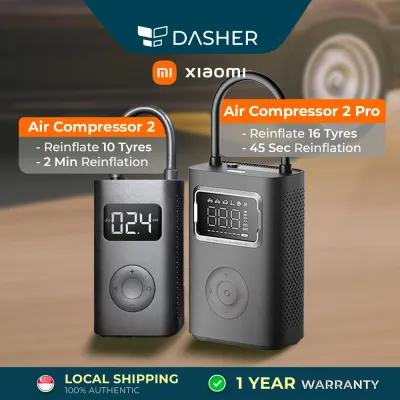
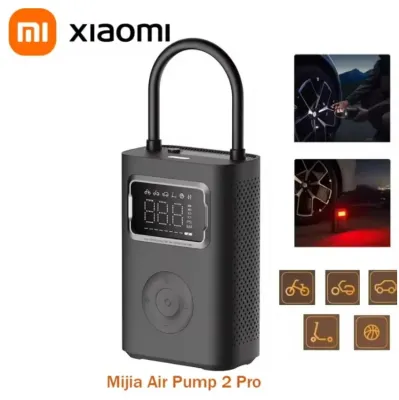
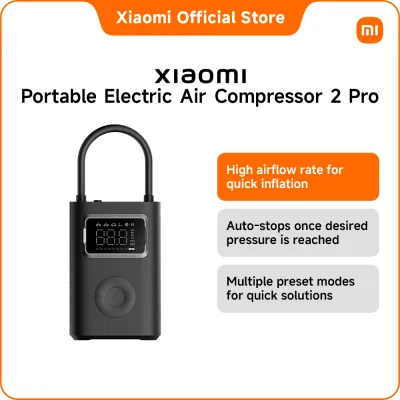
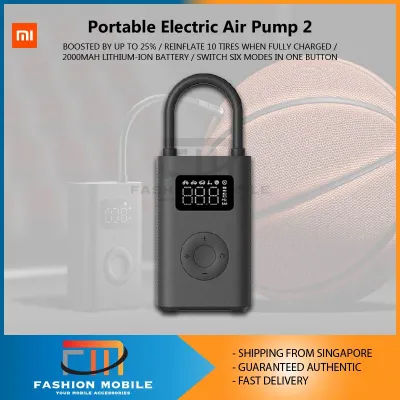
![[2025] Xiaomi Pump 2 MiJia Portable Handheld Electronic Air inflator/Pump Suitable For Car Motorcycle EBike Scooter Instock](https://img.lazcdn.com/g/p/3e082dd3fde1bc260eb18bfa0cd19ce7.jpg_400x400q80.jpg_.webp)
Prices are valid at publication and may change. Please refer to the product page for the latest price.
It is also important to note that front and rear tires often require different pressure levels. Front-engine vehicles frequently specify higher pressure for the front tires to support the weight of the engine and transmission. Always consult the manufacturer’s placard for these specific front-to-rear differences rather than applying a single uniform pressure to all four wheels. Keeping these variables in mind ensures that your baseline measurements align perfectly with the vehicle’s engineered dynamics.
Prepare Your Xiaomi Air Pump and Tires for Inflation
To ensure an accurate reading and a safe inflation process, you must prepare both your equipment and your tires beforehand. Start by checking the battery level of your Xiaomi air pump; attempting to inflate multiple tires with a low battery can result in the pump shutting down mid-cycle. Next, select the appropriate nozzle adapter for your tire’s valve stem. Most passenger cars, motorcycles, and modern utility bicycles use a standard Schrader valve, which connects directly to the pump’s default hose, while high-pressure road bicycles typically require the included Presta adapter.

Measuring tire pressure when the tires are cold is essential for an accurate reading. Tires are considered cold when the vehicle has been parked for at least three hours or driven less than two kilometers. As you drive, friction between the tire tread and the road surface generates heat, causing the air inside the tire to expand and temporarily raising the pressure reading. If you adjust your tire pressure immediately after a long drive, you will likely underinflate your tires once they cool down to ambient temperatures.
Before attaching the pump, perform a quick visual inspection of the tire’s tread and sidewalls. Look for embedded debris like nails or screws, visible cracks, bulges, or signs of uneven tread wear. If you notice any structural damage or deep cuts in the rubber, do not attempt to inflate the tire. Instead, seek professional mechanical assistance immediately, as inflating a structurally compromised tire can lead to a sudden blowout.
Step-by-Step Guide to Setting the Target Pressure and Inflating
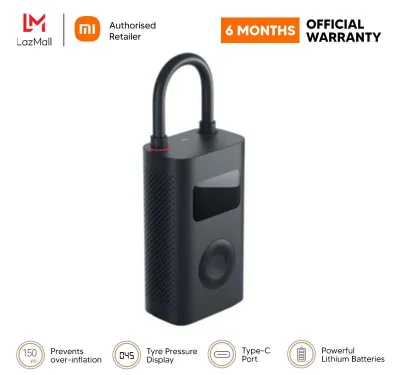
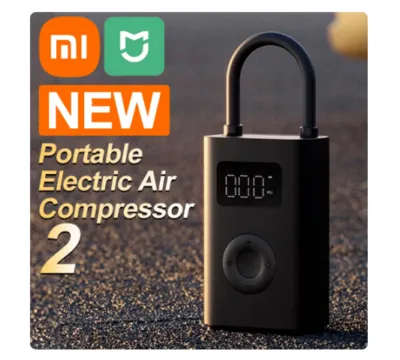
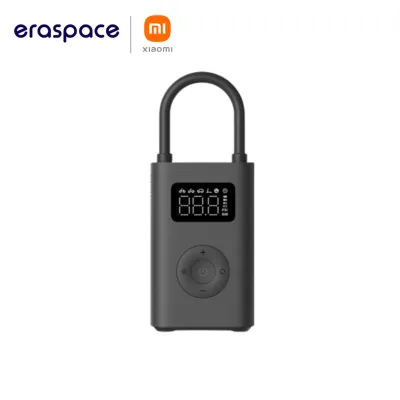
Operating the Xiaomi air pump is highly intuitive once you understand its digital interface and control layout. To power on the device, simply pull the air hose out of its storage port. The digital screen will illuminate, displaying the current pressure reading and the active measurement unit, which you can toggle between PSI and bar depending on your preference and the units listed on your vehicle’s door placard.
Begin by cycling through the preset modes using the mode selection button. The pump features dedicated presets for bicycles, motorcycles, cars, and sports balls, alongside a manual custom mode. For vehicle tires, select the car or motorcycle mode, or switch to the custom mode if your target pressure falls outside the standard preset ranges. Securely attach the air hose to your tire’s valve stem by screwing the brass connector clockwise until it is tight. You may hear a brief hiss of escaping air during this step; tighten the connector quickly to minimize air loss and ensure a sealed connection.
Once connected, the screen will display the tire’s current real-time pressure. Use the plus and minus buttons on the interface to adjust the target pressure to match your manufacturer’s recommended specification. After setting the desired value, press the central start button to begin the inflation cycle. The pump’s internal motor will activate, and the digital display will update in real time as the pressure rises.
The Xiaomi air pump features an integrated auto-stop mechanism that automatically halts inflation once the tire reaches your pre-set target pressure. This feature prevents overinflation, but you should remain nearby to monitor the process. Once the pump stops, unscrew the hose connector from the valve stem quickly to prevent excess air from escaping. Immediately replace the valve stem cap to protect the internal valve core from dirt, moisture, and road debris.
Adjusting for Different Tire Types and Specifications
Different vehicle classes and tire designs require distinct pressure ranges and operational considerations. Passenger car tires generally operate between 30 and 36 PSI, whereas motorcycle tires can range from 28 to 40 PSI depending on whether they are designed for street riding or off-road use. Bicycle tires vary even more dramatically, with wide mountain bike tires running as low as 20 PSI for traction, and narrow road bike tires requiring up to 120 PSI to minimize rolling resistance.
If you plan to carry heavy cargo, tow a trailer, or embark on sustained high-speed highway driving, you must adjust your target pressure accordingly. Vehicle manufacturers specify these elevated pressure values on the door jamb placard or in the owner’s manual. Increasing the pressure slightly under heavy loads prevents the tire sidewalls from sagging, which reduces heat buildup and maintains stable handling. Once the heavy load is removed, remember to lower the tire pressure back to the standard daily operating level.
Changes in tire brand, tread pattern, or seasonal conditions do not alter the vehicle manufacturer’s recommended pressure specifications. Even if you switch from standard touring tires to high-performance summer tires or rugged all-terrain tires, the vehicle’s weight distribution remains the same, meaning the original placard recommendations still apply. Always rely on the vehicle’s official documentation rather than guessing new values based on the tire brand or tread design.
Post-Inflation Checks and Safety Boundaries
After completing the inflation process, it is good practice to perform a few quick checks to verify the results and ensure long-term safety. If you suspect the digital sensor on your air pump is reading inaccurately, use a high-quality manual tire pressure gauge to double-check the pressure. Minor discrepancies of 1 to 2 PSI are common due to temperature variations and sensor tolerances, but a significant difference indicates that either the pump’s sensor needs calibration or there is a leak in the connection.
If a tire loses pressure immediately after inflation, inspect the valve stem for leaks. You can apply a small amount of soapy water to the valve opening; if bubbles form, the valve core is loose or damaged and must be tightened or replaced. If the air pump runs continuously for several minutes without the tire pressure rising, stop the pump immediately. This symptom usually points to a severe puncture, an unseated tire bead, or a loose hose connection that is allowing air to escape as fast as it is pumped in.
Always respect the physical limits of your portable equipment. Portable air compressors generate significant heat during operation; if the pump body feels excessively hot to the touch, turn it off and allow it to cool down for at least fifteen minutes before resuming. If you encounter persistent leaks, visible sidewall bulging, or uneven wear patterns that do not resolve with proper inflation, consult a professional tire specialist to inspect the structural integrity of your tires.
Frequently Asked Questions (FAQ)
Can I use the Xiaomi air pump while it is plugged into a power source?
You should consult your specific model’s user manual to verify if pass-through charging is supported. Most portable battery-powered air pumps do not allow operation while actively charging to prevent the internal lithium-ion battery from overheating. Operating the pump while plugged into a power source can degrade battery health and trigger thermal safety shutdowns. For safety and longevity, always charge the device fully before use and disconnect the charging cable before starting the inflation process.
How do I reset the Xiaomi air pump if the screen freezes or shows an error?
If the digital display freezes or displays an error code, you can perform a basic reset by inserting the air hose back into its storage port, which acts as the physical off switch for many models. If the screen remains frozen, press and hold the power or mode selection buttons for several seconds as outlined in your product manual. For smart models that connect to a mobile application, check for available firmware updates through the app, as software updates frequently resolve sensor calibration issues and system glitches.
Does the pump automatically adjust the target for temperature changes?
The Xiaomi air pump reads the physical pressure inside the tire at the current ambient temperature, but it does not automatically adjust the target pressure to compensate for hot or cold weather. You must manually adjust the target pressure using the interface buttons based on your vehicle manufacturer’s guidelines. For example, if you are inflating your tires in cold conditions, you must set the target to the recommended cold inflation pressure specified on your vehicle’s door placard.
Community discussion
Share your experience or ask a question. Comments are reviewed before publication.