
Achieving a crystal-clear, streak-free finish on your car windows in Singapore requires more than just grabbing a generic bottle of blue liquid from the household cleaning cabinet. The combination of intense tropical heat, high humidity, and the widespread use of aftermarket solar films means that your choice of car window cleaner must be highly deliberate. To get the best results, you need a dedicated automotive glass cleaner formulated to lift road oils and interior plastic off-gassing without damaging sensitive surfaces.
Selecting the right product involves understanding how different chemical formulas interact with your vehicle’s materials and the local environment. By matching the correct cleaner with proper physical tools and application techniques, you can eliminate distracting glare and maintain perfect optical clarity during both heavy downpours and bright sunny days.
Core Criteria for a Streak-Free Car Window Cleaner
To understand why some cleaners leave frustrating smears while others leave glass virtually invisible, it helps to look at the chemical behavior of the liquid. A high-quality car window cleaner must balance its evaporation rate, surfactant concentration, and residue profile to perform effectively on automotive glass.
Products mentioned in this guide
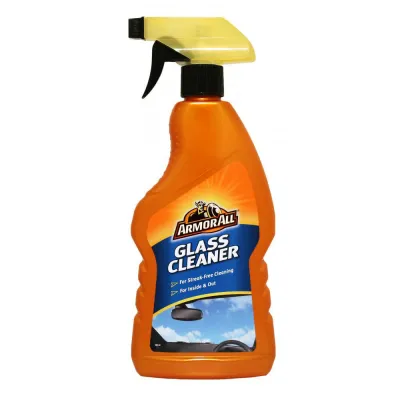
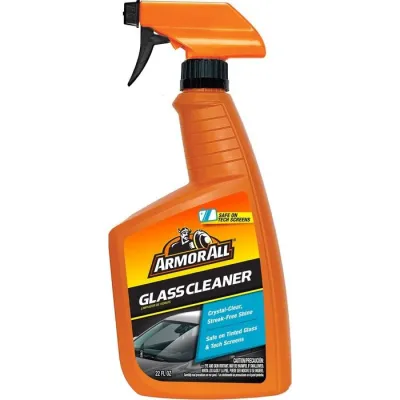

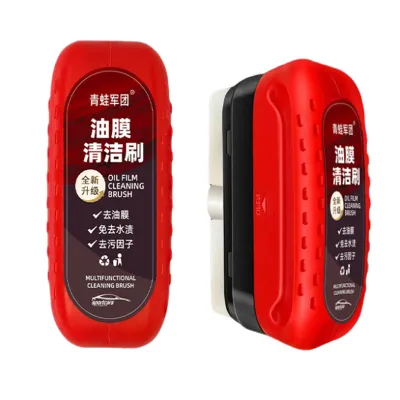
![[✅SG Ready Stock] Glass oil film cleaning brush/Car Glass Oil Film Cleaning Wipes/ Glass Stain Remover/Auto Glass bursh](https://img.lazcdn.com/g/p/6c89f4ac9816953faf2b0af0035d19aa.png_400x400q80.png_.webp)
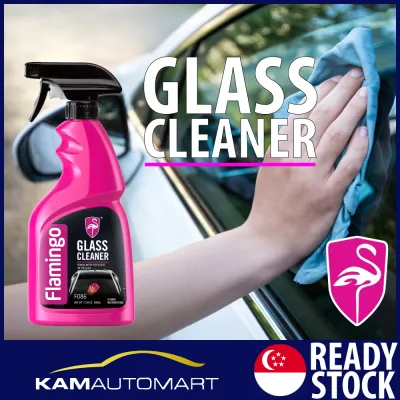
Prices are valid at publication and may change. Please refer to the product page for the latest price.
Evaporation Rate An effective automotive glass cleaner must have a carefully calibrated evaporation rate. If the liquid flashes off the glass too quickly, it will dry before you can wipe away the suspended dirt, leaving behind white streaks of concentrated cleaning agents. Conversely, if the formula evaporates too slowly, it will pool on the surface, requiring excessive wiping that can scratch the glass or smear grease across a wider area.
Surfactant Balance Surfactants are the compounds that lower the surface tension of the liquid, allowing it to wet the surface evenly and lift contaminants. Automotive glass faces unique soils, including oily road film, diesel soot, bug splats, and interior plastic off-gassing (which creates a hazy chemical film on the inside of the windshield). The cleaner must contain specialized, non-ionic surfactants that can emulsify these greasy deposits without leaving a soapy, smeary residue behind.
Residue-Free Formulation Unlike household cleaners that often contain soaps, scents, or artificial dyes to make them smell pleasant, automotive glass cleaners must be strictly residue-free. Any leftover chemical film will catch the light from oncoming headlights or streetlights, creating a dangerous blinding glare at night. A true automotive-grade formula evaporates completely, leaving nothing but bare, clean glass.
Comparing Common Glass Cleaner Formulas
When shopping for a car window cleaner, you will primarily choose between different chemical compositions and physical delivery methods. Understanding these options allows you to select a product that matches your vehicle’s specific modifications and your preferred cleaning workflow.

Ammonia-Based vs. Ammonia-Free Cleaners
Ammonia is a traditional ingredient in many industrial glass cleaners because of its exceptional ability to cut through heavy grease, organic matter, and stubborn road grime. It also evaporates very rapidly, which helps prevent streaks on standard, untreated glass. However, ammonia poses significant risks when used in an automotive context.
The Risks of Ammonia Most vehicles in Singapore utilize aftermarket solar control films to block heat and ultraviolet radiation. Ammonia is highly destructive to these films; it chemically breaks down the polyester material and degrades the adhesives holding the tint to the glass. Over time, using an ammonia-based cleaner on tinted windows will cause the film to bubble, turn purple, peel, and lose its heat-rejection properties. Furthermore, ammonia overspray can dry out and crack rubber window seals, vinyl dashboards, and leather upholstery.
The Ammonia-Free Standard For modern automotive care, ammonia-free formulations are the industry standard. These products utilize specialized alcohols (such as isopropyl alcohol) and mild, tint-safe solvents to dissolve grease and road film. They deliver the same rapid evaporation and deep cleaning power as ammonia but are completely safe for aftermarket window tints, factory-tinted glass, rubber gaskets, and interior plastics.
Liquid Sprays vs. Foaming Aerosols
The physical format of your cleaner dictates how well you can control the application, especially when transitioning between the exterior and interior of the vehicle.
Liquid Sprays Liquid glass cleaners packaged in traditional trigger spray bottles are highly versatile and cost-effective. They allow you to apply a generous mist over large exterior glass panels, making them excellent for breaking down heavy road grime, bird droppings, and water spots. Because they are highly fluid, they quickly penetrate dirt layers. However, liquid sprays run easily, which can make them difficult to manage on vertical or overhead interior glass.
Foaming Aerosols Foaming glass cleaners are delivered via pressurized aerosol cans and expand into a thick white foam upon contact with the glass. This foam clings to vertical surfaces without running or dripping. This makes foaming aerosols highly suitable for cleaning the interior windshield and rear window, as it prevents the liquid cleaner from dripping down into the dashboard, sensitive electronic components, or leather trim. The foam also provides a longer dwell time, allowing the active ingredients to break down stubborn films before you wipe them away.
Adjusting for High Humidity and Heat
Singapore’s tropical climate introduces specific environmental challenges that can interfere with even the highest-quality car window cleaner. High ambient temperatures and elevated humidity directly affect how chemicals behave on your car’s glass.
Managing Rapid Evaporation When a car is parked outdoors, the glass surfaces absorb solar radiation and can reach temperatures far higher than the ambient air. If you apply a glass cleaner to hot glass, the liquid carrier will flash off almost instantly. This leaves the cleaning agents baked onto the surface before you have a chance to wipe them, resulting in severe, stubborn streaking. To prevent this, always ensure the glass is cool to the touch before starting. Work in a shaded area, such as a multi-storey car park, or clean your windows during the cooler hours of the early morning or late evening.
The Impact of Humidity High humidity levels slow down the final drying phase of the cleaning process. While the alcohol in the cleaner may evaporate, any remaining moisture can linger on the glass, leading to faint smearing as you wipe. To combat this, you must adjust your technique by using highly absorbent, dry microfiber towels to perform a final buffing pass. Selecting a professional-grade formula with a balanced flash point ensures that the product remains workable long enough to lift the dirt but still evaporates cleanly without leaving a damp haze in humid conditions.
Essential Tools and Application Techniques
Even the most advanced car window cleaner will fail to deliver a streak-free finish if it is applied with the wrong tools or poor technique. Achieving optical clarity is a two-part process: the chemical loosens the dirt, and the physical tool removes it from the glass.
Selecting the Right Microfiber Towel Standard household cotton cloths, paper towels, and cheap, plush microfiber towels are unsuitable for glass cleaning. Cotton and paper towels shed lint, while plush microfibers can drag dirt across the surface and leave behind tiny fibers. Instead, use dedicated glass microfiber towels. These towels typically feature a tight, flat-weave or a waffle-weave pattern and have a weight of 200 to 300 GSM (grams per square meter). The flat weave maximizes surface contact to scrape away film, while the waffle pockets trap moisture and dirt away from the glass.
The Two-Towel Method To guarantee a streak-free finish, always use two separate microfiber towels:
- Towel 1 (The Cleaning Towel): Lightly mist this towel with your glass cleaner (rather than spraying the glass directly, which can cause overspray on your dashboard). Use this damp towel to agitate, loosen, and lift the dirt and oily film from the glass.
- Towel 2 (The Buffing Towel): Keep this towel completely dry and clean. Immediately after wiping a section with the first towel, use this dry towel to buff the glass in rapid, light motions. This picks up any remaining moisture and microscopic residue before it can dry and form a streak.
Proper Folding Techniques Never bunch up your microfiber towel into a ball. Instead, fold the towel in half, and then in half again, to create a neat square. This gives you eight distinct, clean faces to work with. As soon as one face becomes damp or dirty, flip the towel to a fresh, dry quadrant. This prevents you from simply transferring oils and road grime from one window to the next.
Cross-Hatch Wiping Patterns To make your cleaning process highly efficient, adopt a cross-hatch wiping pattern. Wipe the interior glass using only horizontal strokes, and wipe the exterior glass using only vertical strokes. If you finish cleaning and notice a faint streak, the direction of the streak will instantly tell you which side of the glass it is on. A horizontal streak is on the inside, while a vertical streak is on the outside, saving you from cleaning both sides again.
Pre-Purchase Checklist and Safety Limits
Before purchasing a car window cleaner, review this practical checklist to ensure the product is safe for your specific vehicle and that you know when to seek professional assistance.
Label Verification
- Tint Safety: Confirm that the label explicitly states "tint-safe," "ammonia-free," or "safe for aftermarket window films."
- Overspray Compatibility: Check if the formula is safe for adjacent interior materials. If the product accidentally lands on leather, vinyl, or digital infotainment screens, it should not cause staining or chemical etching.
- Storage Instructions: Review the manufacturer's storage guidelines. Never store pressurized aerosol cans or chemical cleaners inside a car trunk parked in the sun, as interior cabin temperatures can easily exceed safe limits, causing product degradation or pressure risks. Store your car care chemicals in a cool, dry place at home.
When to Consult a Professional While a standard car window cleaner is excellent for daily maintenance, certain glass issues require specialized treatment or professional detailing services:
- Water Spot Etching: If your glass has severe, chalky rings that do not fade after cleaning, these are mineral deposits (calcium and magnesium) from rainwater drying on hot glass. These deposits physically etch into the glass and require a specialized glass polish or clay bar treatment to remove.
- Wiper Blade Chatter: If your wipers skip, squeak, or chatter even after you have thoroughly cleaned the windshield, the glass may have a heavy buildup of road oils, or the wiper blades themselves may have degraded and require replacement.
- Physical Scratches: Fine scratches from wiper blades dragging dirt across the glass cannot be cleaned away. Attempting to polish them out yourself with aggressive abrasives can distort the glass, creating optical distortions. Consult a professional glass restoration specialist in these cases.
Frequently Asked Questions (FAQ)
Can I use household glass cleaners on my car windows?
No, you should avoid using standard household glass cleaners on your vehicle. Many household formulas contain ammonia, which chemically damages aftermarket window tints, dries out rubber seals, and degrades vinyl dashboards. Additionally, household cleaners are formulated to tackle dust and fingerprints on mirrors, whereas automotive glass cleaners are specifically engineered to cut through stubborn, oily road film, diesel soot, and interior plastic off-gassing. Using a household cleaner on a car windshield often results in heavy, greasy smearing.
Why do my car windows still streak after cleaning?
Streaking usually occurs due to three common application errors. First, using dirty or saturated microfiber towels will simply smear trapped oils and dirt back onto the glass. Second, applying the cleaner to hot glass or working in direct sunlight causes the liquid to evaporate too quickly, leaving dried chemical residues behind. Third, using too much product can overwhelm your microfiber towel’s absorption capacity, leaving excess moisture to dry into streaks. Always use the two-towel method, work on cool glass in the shade, and apply the cleaner sparingly.
How often should I clean my car windows to maintain clarity?
For optimal safety and visibility, you should clean your exterior car windows once a week or every two weeks, especially if you drive frequently in rainy conditions where road grime splashes onto the glass. The interior glass should be cleaned at least once a month. Even if the interior looks clean, plastic dashboards and vinyl trims continuously release chemical vapors (off-gassing) that condense onto the inside of the windshield, creating a hazy film that scatters light and worsens night-time glare.
Community discussion
Share your experience or ask a question. Comments are reviewed before publication.