
Selecting the right carbon fork cover for your motorcycle requires a systematic approach that balances precise physical measurements, material verification, and safety considerations. Because motorcycle forks are critical to steering stability and suspension performance, any aftermarket addition must fit flawlessly without restricting mechanical movement. By understanding how to measure your fork tubes, distinguish genuine carbon fiber from cosmetic imitations, and evaluate mounting security, you can enhance your motorcycle’s aesthetics and protect its front suspension components within a realistic budget.
In Singapore’s riding environment, characterized by high humidity, intense tropical sunlight, and frequent stop-and-go urban traffic, choosing high-quality materials is especially important. Poorly manufactured covers can trap moisture, degrade under UV exposure, or interfere with critical components like brake lines and ABS sensors. Taking the time to verify compatibility and installation requirements before making a purchase ensures that your upgrade remains durable, safe, and fully compliant with local road standards.
Understanding Fork Cover Fitment and Compatibility
Achieving a precise fit is the most critical step when selecting a carbon fork cover. Motorcycle forks are engineered with tight tolerances, and even a minor measurement error can lead to a cover that rubs against moving parts or fails to mount securely. To determine the exact dimensions required for your motorcycle, you must measure both the outer diameter of the fork tubes and the total length of the area you intend to cover.
Products mentioned in this guide
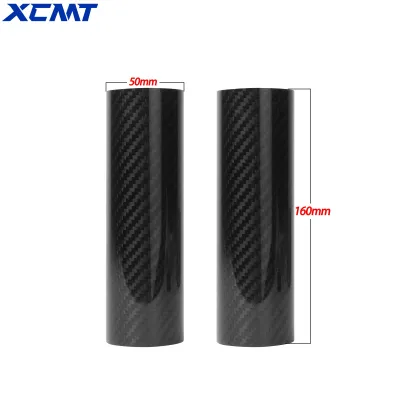
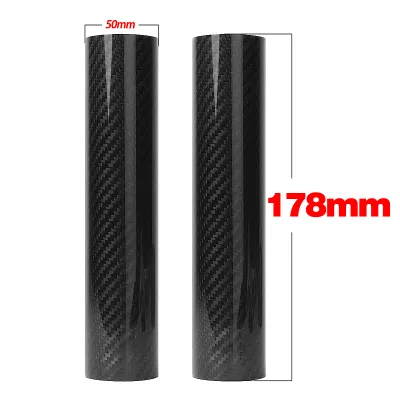
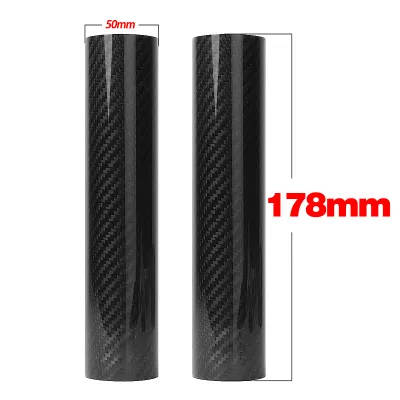
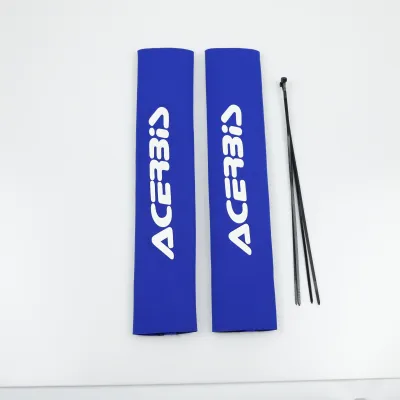
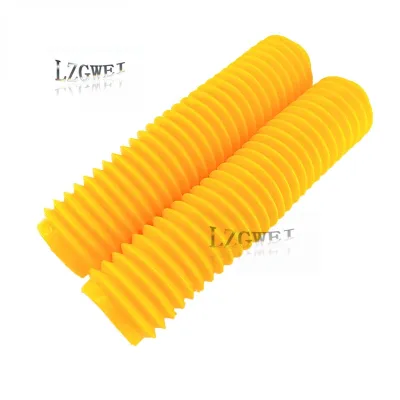
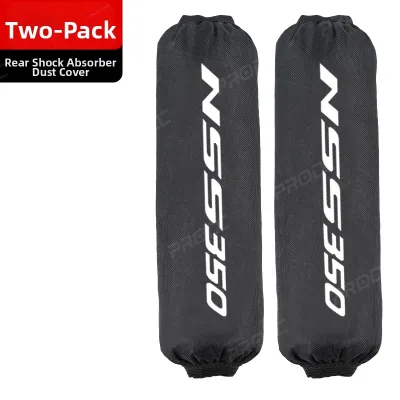
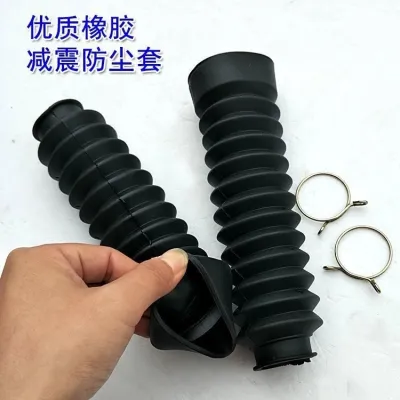
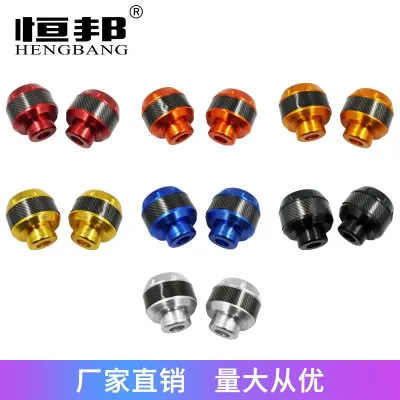
Prices are valid at publication and may change. Please refer to the product page for the latest price.
To obtain accurate measurements, use a digital caliper rather than a flexible tape measure, as even a millimeter of variance can prevent proper installation. Measure the outer diameter of the fork tube at three distinct points: near the top triple clamp, in the middle, and near the bottom joint. This accounts for any tapering in the fork manufacturing. If you do not have a caliper, consult your motorcycle’s original equipment manufacturer (OEM) service manual, which typically lists the precise technical specifications of the front suspension assembly.
The length of the cover must be calculated based on the suspension’s travel limits. For conventional forks, the cover typically sits on the non-moving upper tube, but it must still clear the lower slider when the front suspension is fully compressed under heavy braking. For inverted forks, the cover may protect either the upper outer tube or the lower inner tube. When measuring the required length, always refer to the maximum suspension travel specification in your owner’s manual to ensure the cover will not bottom out or bind during deep suspension strokes.
Mounting mechanisms vary significantly across aftermarket carbon fork covers, and you must choose one that matches your motorcycle’s existing hardware points. Common designs include clip-on sleeves that snap directly over the tubes, bolt-on covers that secure to existing fender or caliper mounts, and high-strength adhesive backings. Clip-on designs offer easy removal but must fit the diameter perfectly to prevent spinning. Bolt-on options provide the most secure mechanical attachment but require compatible mounting points on your fork bottoms. Adhesive options require meticulous surface preparation and are generally semi-permanent.
Before finalizing your choice, verify all critical clearances around the front wheel assembly. The installed cover must not contact or pinch the brake lines, ABS sensor cables, front fender, or brake calipers. Turn the handlebars fully from lock to lock to ensure that the covers do not strike the radiator, fairings, or fuel tank. Any physical contact during steering or suspension compression can damage the carbon fiber, restrict your steering angle, or compromise your control of the motorcycle.
Evaluating Carbon Fiber Quality and Construction
The aftermarket motorcycle parts market features a wide range of products labeled as carbon fiber, but their actual construction and quality vary enormously. To avoid purchasing brittle, heavy, or purely cosmetic components, you must understand how to evaluate the material composition and manufacturing processes used by different brands.

Genuine carbon fiber is constructed from woven carbon filaments bonded together with a high-strength polymer resin, often cured under heat and pressure in an autoclave. This process, commonly referred to as pre-preg or dry carbon, results in an exceptionally lightweight, strong, and heat-resistant part. Wet carbon fiber, which is laid up by hand and cured at room temperature, is slightly heavier and less precise but still offers genuine structural benefits. Both types provide actual impact resistance against road debris and stones.
In contrast, many budget-friendly options are actually carbon-look hydro-dipped ABS plastic or fiberglass with a thin carbon weave overlay. Hydro-dipped parts are purely cosmetic and offer no structural protection; they can easily crack when struck by road debris. Fiberglass overlays are heavier than pure carbon fiber and are prone to delamination, where the outer carbon layer separates from the fiberglass backing due to vibration and thermal expansion. You can often identify these imitations by checking the underside of the part; genuine carbon fiber displays a consistent woven pattern on both sides, whereas overlays typically show a rough, white, or grey fiberglass backing.
The type of resin and protective coating used during manufacturing determines how well the cover will withstand environmental exposure. In tropical climates like Singapore, constant exposure to intense ultraviolet (UV) radiation and high humidity can cause low-quality resins to yellow, cloud, or become brittle. Ensure the manufacturer specifies the use of an epoxy resin formulated with UV inhibitors, finished with a high-quality, UV-resistant clear coat. This protective layer prevents solar degradation and keeps the carbon weave looking sharp over years of exposure.
Finally, determine whether you need a cover designed for structural impact protection or strictly for lightweight aesthetic enhancement. Structural covers are thicker, often reinforced with an inner layer of Kevlar, and are designed to absorb the impact of flying gravel on off-road or track environments. Aesthetic sleeves are much thinner and lighter, designed primarily to cover weathered chrome or add a custom look to street bikes. Matching the construction type to your riding style prevents premature wear and ensures the part performs as expected.
Balancing Aesthetics, Function, and Budget
Choosing a carbon fork cover involves finding the right balance between visual appeal, protective utility, and financial investment. Because carbon fiber is a premium material, understanding what drives the cost of these components helps you make an informed decision that aligns with your practical needs.
The choice between a glossy or matte finish is primarily aesthetic, but it also affects your maintenance routine. Glossy finishes feature a thick, polished clear coat that enhances the visual depth of the carbon weave, making it stand out prominently. However, glossy surfaces are highly susceptible to showing micro-scratches, swirl marks, and water spots from rain. Matte finishes offer a subtle, modern appearance that hides minor dust and light scratches well, but they can be more challenging to clean if they become stained with chain fling, engine oil, or road grime, as aggressive scrubbing can polish the matte surface unevenly.
From a functional standpoint, you must decide if you require a cover that provides active protection for your fork seals or if you simply want a decorative sleeve. Some advanced fork covers feature integrated deflectors or shields that block road grit, bugs, and water from reaching the delicate rubber fork seals, thereby extending the lifespan of your suspension. Conversely, simple decorative sleeves wrap around the upper tubes and offer no seal protection. Be aware that poorly designed decorative sleeves can actually trap moisture and dirt against the metal fork tubes, creating a micro-environment that accelerates corrosion and seal failure.
When establishing your budget, expect to see a wide price range in Singapore Dollars (S$). Basic cosmetic sleeves made from wet-laid carbon or composite overlays typically range from S$50 to S$150. High-end, autoclave-cured dry carbon covers from reputable manufacturers, which include model-specific mounting hardware and certified UV protection, generally cost between S$200 and S$500 or more. While budget options are appealing, investing in a high-quality part from an established brand often saves money in the long run by avoiding premature yellowing, cracking, or fitment issues that require replacement.
Installation Considerations and Safety Checks
Because the front suspension and steering assemblies are critical to your safety on the road, installing aftermarket fork covers requires careful attention to detail. Improperly installed covers can shift during operation, binding the suspension or interfering with the braking system, which can lead to a loss of control.
Before beginning the installation, thoroughly review the manufacturer’s instructions for specific torque values, adhesive curing times, and surface preparation steps. If the cover uses a bolt-on design, always use a calibrated torque wrench to tighten the fasteners to the specified limits; over-tightening can crush the carbon fiber or strip the threads on your fork mounts, while under-tightening can allow the cover to vibrate loose. For adhesive-mounted covers, clean the fork tubes meticulously with isopropyl alcohol to remove all grease, wax, and road grime, and allow the adhesive to cure fully in a dry environment before riding.
Once the installation is complete, perform a series of comprehensive safety checks before starting the engine. Verify that the covers do not restrict the steering lock in either direction. Compress the front suspension repeatedly by holding the front brake and pushing down firmly on the handlebars; the forks must move smoothly through their travel without any binding, squeaking, or rubbing. Check that the covers do not obstruct the airflow around the brake calipers or pinch any brake lines, ABS sensor wires, or speed sensor cables.
Establish a strict safety boundary before attempting the installation yourself. If the manufacturer’s instructions require you to disassemble the forks, remove the triple clamps, or modify any OEM structural components, do not attempt to do this without the proper tools and experience. If you encounter any fitment issues that require drilling, grinding, or trimming the carbon fiber or your motorcycle’s original parts, stop immediately. In these situations, consult a qualified professional motorcycle mechanic to ensure the modification is completed safely and correctly.
Building Your Shortlist: A Buyer's Evaluation Matrix
To make a systematic and objective decision, compile a shortlist of potential carbon fork covers and evaluate them against a standardized set of criteria. This approach prevents emotional purchasing decisions based solely on aesthetics and ensures that the product you select is physically compatible and durable.
| Evaluation Parameter | Specification to Verify | Risk of Non-Compliance |
|---|---|---|
| Physical Dimensions | Exact outer diameter (OD) and length matching your OEM fork specifications. | Loose fit, rattling, or binding during suspension travel. |
| Material Composition | Genuine pre-preg or wet carbon fiber (avoid simple hydro-dipped plastic). | Premature cracking, lack of impact protection, and structural failure. |
| UV Protection | Epoxy resin with UV inhibitors and an automotive-grade clear coat finish. | Yellowing, clouding, and delamination under tropical sunlight. |
| Mounting Interface | Secure mechanical bolts, precise clip-ons, or high-strength adhesive. | Cover shifting during high-speed riding, potentially blocking steering. |
| Clearance Compliance | Minimum 5mm clearance from brake lines, ABS sensors, and fenders. | Pinched lines, sensor failure, or physical damage to front-end components. |
When evaluating aftermarket parts on online marketplaces, define strict dealbreakers to filter out low-quality products. Avoid any listing that lacks clear dimensional specifications, fails to mention UV protection, or does not offer a specific model-year fitment guarantee. Additionally, verify the seller’s return policy and warranty terms before purchasing. Because aftermarket tolerances can vary, having a clear return path ensures you are not left with an unusable part if the cover does not fit your specific motorcycle model as promised.
Frequently Asked Questions (FAQ)
Can I install a carbon fork cover on inverted forks?
Yes, you can install carbon fork covers on inverted (upside-down) forks, but the design and installation requirements differ from conventional setups. On inverted forks, the wider outer tube is clamped by the triple trees at the top, while the narrower inner tube slides into it at the bottom. Covers for inverted forks are typically designed either as upper wraps to protect the thick outer tubes from cosmetic damage or as lower guards to shield the exposed inner slider tubes from stone chips and road debris. When selecting a cover for inverted forks, ensure it is specifically engineered for your fork model’s upper or lower dimensions, and verify that the mounting hardware does not interfere with the fork seals or the movement of the lower sliders.
How do I clean and maintain a carbon fiber finish?
To maintain the appearance of your carbon fork covers and protect the clear coat, use gentle, non-abrasive cleaning methods. Wash the covers using a pH-neutral automotive or motorcycle shampoo and a clean, soft microfiber cloth to prevent micro-scratches. Avoid using harsh chemical solvents, degreasers, or abrasive polishing compounds, as these can strip the UV-resistant clear coat and dull the finish. After washing, dry the covers thoroughly with a clean microfiber towel to prevent water spots. To enhance UV protection and maintain the shine of glossy finishes, you can periodically apply a high-quality wax or sealant that is explicitly labeled as safe for clear-coated carbon fiber or automotive paint.
Do fork covers affect motorcycle insurance or road legality in Singapore?
In Singapore, cosmetic modifications such as carbon fork covers generally do not require Land Transport Authority (LTA) approval, provided they do not alter the structural integrity, dimensions, or safety of the motorcycle. However, the covers must be securely mounted and must not interfere with the suspension travel, steering lock, or braking system. Any modification that compromises these critical safety systems is illegal and unsafe. Additionally, while minor cosmetic enhancements rarely affect your insurance premium, it is highly recommended to declare all aftermarket accessories to your insurance provider. This ensures that your policy remains fully valid and that the aftermarket parts are documented in the event of a claim.
Community discussion
Share your experience or ask a question. Comments are reviewed before publication.