
A dead motorcycle battery can leave you stranded, but you can safely jump-start it and get back on the road by following a precise electrical sequence. The safest method involves using either a dedicated, portable lithium jump starter or a healthy 12V donor battery from another motorcycle or a stationary car with its engine turned off. By connecting the positive terminals first, grounding the negative cable to the motorcycle’s frame, and keeping the donor vehicle’s engine off, you protect your motorcycle’s sensitive electronic control unit (ECU) and stator from catastrophic electrical damage.
Preparation: Tools and Pre-Checks
Before touching any wires, verify that the battery is the actual culprit. A dead battery typically manifests as dim dashboard lights, a weak horn, or a rapid clicking sound from the starter relay when you press the ignition. If the lights are bright and the engine cranks strongly but refuses to catch, the issue lies in the fuel system, spark plugs, or ignition switch rather than the battery. Attempting to jump-start a motorcycle with other mechanical failures will only drain your donor battery and strain your starter motor.
Always consult your motorcycle’s owner’s manual before attempting any electrical work. The manual outlines the exact location of the battery—which may be tucked under the seat, behind a side fairing, or beneath the fuel tank—and details how to access the terminals safely. It also contains manufacturer-specific warnings regarding jump-starting, electrical safety boundaries, and warranty terms. If an action could damage an item or affect human safety, compatibility, or warranty, first check the applied product’s label and the treated item’s manufacturer instructions. If instructions conflict, the item is unidentified, or the use is not covered, stop and consult the manufacturer or a qualified professional.
Products mentioned in this guide
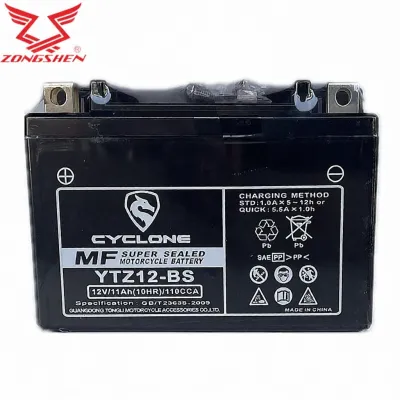
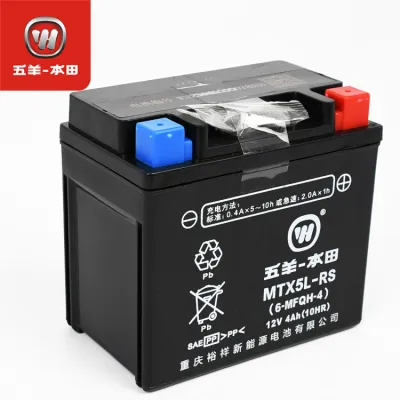
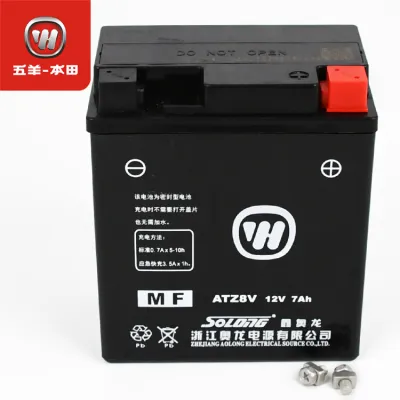
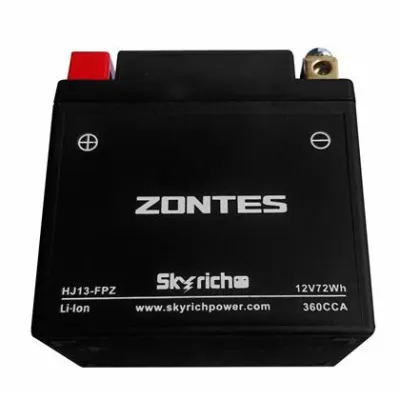
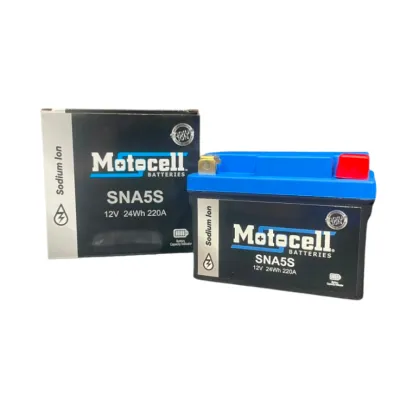
Prices are valid at publication and may change. Please refer to the product page for the latest price.
Gather the necessary tools before starting. You will need a set of clean, heavy-duty jumper cables with small clamps designed for tight motorcycle battery compartments, or a dedicated portable motorcycle lithium jump starter. Wear insulated gloves and safety glasses to shield yourself from unexpected sparks or battery acid. Ensure your workspace is clean, dry, and free of standing water before beginning any work on the electrical system.
Perform a thorough visual inspection of the dead battery. Look closely for physical damage, swelling, cracks, or leaking liquid. If you spot white powdery corrosion, a bulging battery case, or wet acid leaks, stop immediately. Attempting to jump-start a physically compromised battery can cause an explosion or electrical fire. In this scenario, the battery must be replaced entirely, and you should contact a professional mechanic to inspect the charging system.
Critical Safety Boundaries and Donor Battery Rules
Electrical compatibility is non-negotiable. Both the donor power source and the dead motorcycle battery must share the exact same voltage rating—typically 12 volts (12V) for modern street bikes. Never attempt to connect a 12V donor battery or jump pack to a vintage motorcycle that uses a 6V electrical system, as this will immediately destroy the wiring, bulbs, and ignition components. Always verify the voltage specifications printed on both batteries before making any connections.

The chemistry of your battery dictates the equipment you can use. Traditional lead-acid batteries are relatively forgiving, but modern lithium-ion (LiFePO4) motorcycle batteries require specialized, smart portable jump starters designed specifically for lithium chemistry. Using an incompatible high-output jump pack or a standard lead-acid car battery on a lithium motorcycle battery can lead to thermal runaway, chemical fires, or permanent battery destruction. Check the label on your battery to confirm its chemistry before connecting any external power source.
If you are using a car as the donor vehicle, the car’s engine must remain completely turned off. While a car’s 12V battery is safe to use as a passive power source, a running car’s alternator produces a high-amperage charging current with voltage spikes that can easily overwhelm and destroy a motorcycle’s delicate voltage regulator/rectifier, stator, or ECU. Keep the car’s keys out of the ignition to prevent accidental starting during the process. This simple precaution protects your motorcycle’s sensitive electronics from expensive, irreversible damage.
Working with batteries carries inherent environmental risks. Lead-acid batteries emit highly flammable hydrogen gas during operation and charging. Always perform the jump-start in a well-ventilated outdoor area or an open garage, and keep all potential ignition sources, such as cigarettes, lighters, or grinding tools, far away from the workspace. In Singapore’s hot and humid tropical climate, battery gases can expand quickly, making ventilation and spark prevention even more critical to your safety.
Step-by-Step Jump-Starting Procedure
Follow this precise, step-by-step sequence to minimize the risk of short circuits and sparks. Ensure the cables do not drape over hot engine components or moving parts like drive chains or belts.
Step 1: Access and clean
Remove the seat or body panels to expose the dead battery. Inspect the terminals for any blue, green, or white corrosion crust. If present, gently clean the terminals using a wire brush or a baking soda and water mixture, ensuring the battery caps are sealed tightly. Wipe the area dry with a clean cloth. Refer to the manufacturer’s instructions for cleaning any sensitive electronic components nearby.
Step 2: Connect the Positive (Red) cables
Take the red positive jumper cable and attach one clamp securely to the positive (+) terminal of the dead motorcycle battery. Take the opposite end of the red cable and attach it to the positive (+) terminal of the donor battery or the positive port of your portable jump starter. Ensure these clamps are firmly seated and do not wiggle, as loose connections can create high-resistance points and dangerous sparks.
Step 3: Connect the Negative (Black) cables
Connect one clamp of the black negative cable to the negative (-) terminal of the donor battery or jump starter. Next, perform the crucial safety step: attach the remaining black clamp to a clean, unpainted, solid metal part of the dead motorcycle’s frame, engine block, or a dedicated grounding bolt. Do not connect this final clamp to the negative terminal of the dead battery. Connecting to the frame ensures that any spark generated when completing the circuit occurs far away from the battery, minimizing the risk of igniting escaping hydrogen gas. If your motorcycle’s design features a fully painted frame or carbon fiber components that make a metal ground impossible, consult your owner’s manual for the designated grounding point or, as a last resort, carefully connect directly to the negative terminal while wearing full eye protection.
Step 4: Start the motorcycle
Turn the motorcycle’s ignition key to the “On” position and verify that the engine kill switch is set to “Run.” Press the starter button. If the engine does not fire up within 5 seconds, release the button. Wait 2 to 3 minutes to allow the starter motor to cool down and prevent the starter windings from overheating. Attempting to crank continuously can burn out the starter motor or drain the donor battery.
Step 5: Disconnect in reverse order
Once the motorcycle’s engine is running smoothly, you must disconnect the cables immediately to prevent unregulated current backflow. Remove the clamps in the exact reverse order of installation:
- First: Remove the negative (black) clamp from the motorcycle's frame ground.
- Second: Remove the negative (black) clamp from the donor battery or jump starter.
- Third: Remove the positive (red) clamp from the donor battery or jump starter.
- Fourth: Remove the positive (red) clamp from the motorcycle's positive (+) terminal.
Keep the cable clamps completely separate during this process; letting the positive and negative clamps touch while connected to a power source will cause a severe short circuit.
Post-Start Actions and System Verification
Once your motorcycle is running, do not simply let it idle in your driveway. A motorcycle’s stator (alternator) is designed to produce its maximum charging output at higher engine RPMs. Idling generates minimal current and may not be enough to overcome the electrical load of the headlights and fuel pump, meaning the battery will not charge. In Singapore’s heavy stop-and-go traffic, prolonged idling can also cause the engine to overheat without providing sufficient charging current.
Take the motorcycle for a continuous ride of at least 20 to 30 minutes. Keep the engine speed in its normal operating range rather than lugging it in high gears. This consistent engine speed allows the stator to deliver a steady charging current back into the motorcycle battery, restoring its state of charge. A quick run on the highway is far more effective than navigating slow, congested city streets.
While riding, monitor your instrument cluster closely. Check that no warning lights, such as the check engine light or battery warning light, remain illuminated. Verify that your headlights, taillights, brake lights, and turn signals operate at full brightness. If the lights flicker or dim significantly when you apply the brakes or use the signals, your charging system may be failing.
Understand that a jump-start is a diagnostic indicator, not a permanent cure. If your motorcycle battery died because you left the parking lights on overnight, a solid ride should restore it. However, if the battery is more than 3 to 5 years old and fails to hold a charge after a long ride, it has likely reached the end of its service life and must be replaced. Have the battery tested with a dedicated load tester, or consult a qualified professional to inspect your stator and regulator/rectifier if the issue persists.
Troubleshooting and Safe Alternatives
If the motorcycle fails to start even with a jump-start, several underlying issues could be at play. A completely sulfated or internally shorted battery can act as an electrical “black hole,” absorbing all the jump starter’s current without passing it to the starter motor. Alternatively, a blown main fuse, a faulty starter solenoid, or active safety interlocks—such as a faulty kickstand sensor, neutral switch, or clutch switch—can prevent the engine from cranking.
For manual transmission motorcycles, push-starting (or bump-starting) is a viable emergency alternative. This method involves putting the bike in second gear, pulling in the clutch, pushing the bike to a brisk walking pace (or rolling down a gentle slope), and then quickly releasing the clutch while pressing the starter button. However, this only works if the battery has a tiny amount of residual voltage left to power the fuel pump and ECU on modern fuel-injected bikes; a completely flat battery on a fuel-injected motorcycle cannot be bump-started.
If you are at home and have access to mains power, smart charging is always a safer, more reliable alternative to jump-starting. Remove the battery from the motorcycle and connect it to a dedicated motorcycle smart charger or trickle charger. These devices use multi-stage charging algorithms to gently desulfate and restore deeply discharged batteries without exposing the motorcycle’s delicate electronics to voltage surges.
Establish a clear stop condition to protect yourself and your machine. If you smell burning plastic, see smoke rising from the wiring harness, or notice the jumper cables getting extremely hot to the touch, disconnect everything immediately. These are signs of a severe short circuit or electrical failure. Stop all attempts, do not try to ride or start the bike, and contact a qualified motorcycle mechanic.
Frequently Asked Questions (FAQ)
Can I use a portable power bank to jump-start my motorcycle?
You cannot use a standard USB power bank designed for mobile phones, as these lack the cold cranking amps (CCA) and specialized high-current circuitry required to turn over an engine. However, you can safely use a dedicated portable lithium jump starter designed for vehicles. Ensure the jump pack is rated for your motorcycle’s engine displacement and voltage, and always follow the manufacturer’s instructions for connection and safety limits.
Will jump-starting damage my motorcycle's ECU?
Jump-starting will not damage your motorcycle’s ECU if you follow the correct safety protocols. The primary cause of ECU damage is using a running car as the donor vehicle, which introduces high-amperage voltage spikes from the car’s alternator into the motorcycle’s delicate electrical system. By keeping the donor vehicle’s engine turned off, or by using a portable jump starter, the ECU remains completely safe.
How long does a motorcycle battery last after being jump-started?
A jump-start does not restore a worn-out battery’s health; it merely bypasses it to start the engine. If the battery is relatively new and died because of a temporary drain (like leaving an accessory on), it can last for several years once fully recharged by a long ride or a smart charger. However, if the battery is older than 3 years or has suffered permanent plate sulfation from deep discharge, it may fail to hold a charge and will require replacement within days or even hours.
Community discussion
Share your experience or ask a question. Comments are reviewed before publication.