
Black, sticky road tar spots can quickly ruin the appearance of your vehicle, but removing them does not have to compromise your car’s exterior finish. A safe and highly effective way to remove tar from car paint is to use a dedicated chemical tar remover that dissolves the petroleum-based bond, allowing you to wipe the residue away gently with a clean microfiber towel. Attempting to scrape, scrub, or use harsh household chemicals can scratch or dull the clear coat, leading to costly paint correction repairs. By following a systematic, chemical-first approach, you can restore a smooth, clean surface while helping to preserve the protective clear coat layer underneath.
Understanding Road Tar and Clear Coat Safety
Road tar is a highly viscous, petroleum-based byproduct of asphalt wear and road construction. When tires kick up fresh asphalt or road oil, these hot, sticky droplets cling to your vehicle’s lower panels, rocker moldings, and wheel arches. As the tar cools, it undergoes a chemical bonding process with the paint surface, hardening into a stubborn, raised deposit that resists standard car wash shampoos.
Modern vehicles rely on a multi-stage paint system, where a thin, transparent layer of clear coat sits on top of the colored base coat. This clear coat provides gloss and shields the underlying paint from ultraviolet rays, environmental fallout, and minor physical abrasion. However, clear coats are highly susceptible to chemical etching from aggressive household solvents and physical scratching from abrasive scrubbing.
Products mentioned in this guide
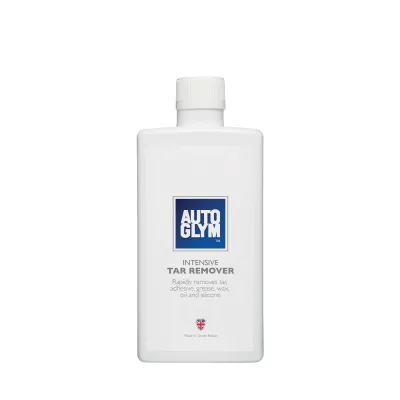
33 Lazada user ratings
For using especially on car doors to remove those sickening tar spots. Actually using kerosene does the job, but better to play safe. Pay ab…Read full reviewShow less
For using especially on car doors to remove those sickening tar spots. Actually using kerosene does the job, but better to play safe. Pay abit more for proper tar remover. Autoglym trusted brand.👍
Fast delivery and items are well packed. Will buy again as pricing is good when on promotion. More promotion please.
Good removal for tar! Highly recommended! Seller delivers fast!
Performance:good Appearance:good Quality:good
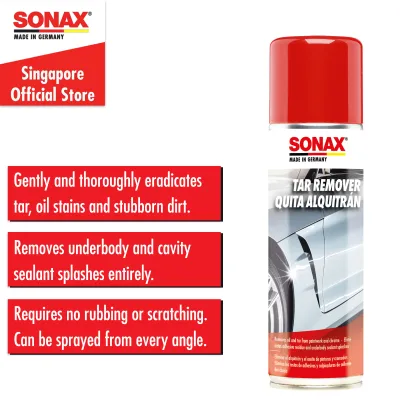
11 Lazada user ratings
Highly recommended tar remover, Perfect for detailing, Leaves a glossy finish, We are happy with this purchase. Necessary item to have as it…Read full reviewShow less
Highly recommended tar remover, Perfect for detailing, Leaves a glossy finish, We are happy with this purchase. Necessary item to have as its good. Highly recommended. Great seller and fast delivery service. Easy transaction.
fast delivery. excellent packaged highly recommend. easy to use products.
Order received on time haven't tried yet.
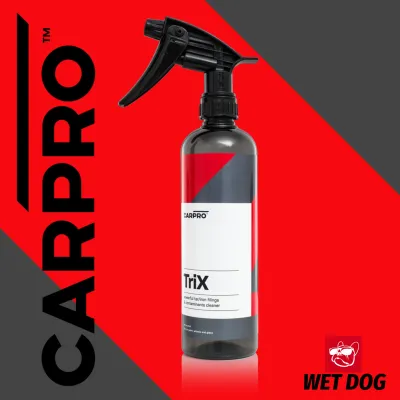
13 Lazada user ratings
This is safe on glass too, so it can be used to decontaminate the whole car.
Very effective in removing brake dust.
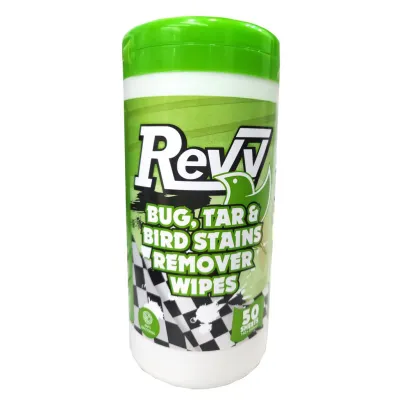
47 Lazada user ratings
delivery is faster than expected items are received in good conditions yet to use, hope its effective
✨Effectiveness:not so effective. birds shit stain marks remains on surface after cleaning.
No more worries about bird droppings!, Quick and effective stain removal!,
Saves time and effort!, Say goodbye to bird stains with ease!,
well packed
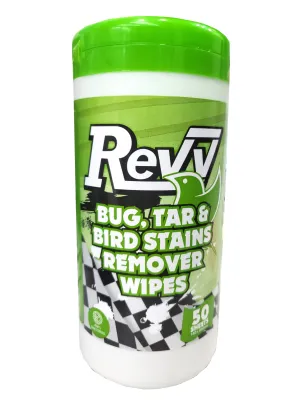
26 Lazada user ratings
items arrived and am satisfied with thr item. thank u for the fast delivery. Will definitely order again from lazada
yet to try. hope it can remove the bird droppings effectively without affecting the car paint .if so, will buy more
good product. it is convenient to use as can just use and throw.
Convenient and easy to use, Leaves surfaces clean and shiny,
Fast delivery..hope it works well
Prices are valid at publication and may change. Please refer to the product page for the latest price.
When dealing with bonded road tar, patience is your most valuable tool. Forcing the tar off through mechanical friction—such as hard rubbing or scraping—acts like rubbing sandpaper across the clear coat, leaving behind deep swirl marks and scratches. Utilizing a specialized chemical solvent designed specifically for automotive paint allows you to break down the tar’s molecular structure safely, turning a hard contaminant into a soft liquid that lifts away without physical force.
Tools and Materials Needed for Tar Removal
To execute a safe and successful tar removal process, assembling the correct automotive-grade supplies beforehand is essential. Using the wrong materials can introduce fine scratches or strip away paint finishes, so you must select products formulated specifically for automotive clear coats.

First, obtain a dedicated automotive tar and bug remover. These commercial solvents are engineered to target petroleum-based bonds without softening or clouding the clear coat, provided you follow the manufacturer’s instructions. Avoid generic industrial degreasers or hardware-store solvents, which are often too aggressive for delicate automotive finishes.
Next, prepare several high-quality, plush microfiber towels. Microfiber is uniquely designed to trap loosened particles within its tiny fibers, lifting them away from the paint surface rather than dragging them across it. You will also need standard car wash soap and a two-bucket washing setup to clean the vehicle before and after the treatment. Finally, secure a high-quality automotive wax or paint sealant to restore the protective barrier on the treated panels, as chemical tar removers will inevitably strip away any existing wax or sealant.
Step-by-Step Guide to Removing Tar from Car Paint
Safely removing road tar requires a structured, step-by-step workflow that minimizes physical contact with the paint. Always perform this process in a shaded, cool area, as direct sunlight can cause cleaning chemicals to dry too quickly, leaving behind stubborn residues or causing chemical stains on the clear coat.
Step 1: Wash and Dry the Affected Area
Before applying any chemical tar remover, you must thoroughly clean the vehicle’s surface to remove loose dirt, dust, and road grit. If you skip this step, any loose particles remaining on the paint will act as an abrasive medium when you wipe the tar away, resulting in severe scratches. Wash the affected panels using a dedicated automotive shampoo and a clean wash mitt.
Rinse the surface thoroughly with clean water to ensure all soap residue is washed away, then dry the area completely using a clean microfiber towel. Inspect the tar spots closely to ensure there are no large, hard pieces of road gravel embedded within the tar, which could drag across the paint.
Step 2: Apply a Dedicated Tar Remover
With the paint surface clean and dry, you can now apply the chemical solvent. Shake the bottle of your automotive tar remover thoroughly to ensure the active ingredients are fully mixed. Depending on the product’s packaging and instructions, you can spray the solvent directly onto the tar spots or apply it to a clean microfiber towel and press it against the affected area.
Allow the product to dwell on the tar spots for the exact duration specified on the manufacturer’s label, which typically ranges from one to three minutes. During this dwell time, the solvent penetrates the hardened tar, breaking down its sticky petroleum bonds. Keep a close eye on the treated area to ensure the solvent does not dry out on the paint; if you notice it evaporating, apply a light misting of the product to keep the surface wet.
Step 3: Gently Wipe Away the Dissolved Tar
Once the dwell time is complete, you should observe the tar spots softening, running, or dissolving into a dark liquid. Take a clean, plush microfiber towel, fold it into quarters, and gently wipe the dissolved tar away. Wiping in a single direction rather than using a circular motion is recommended, as straight-line wipes minimize the risk of creating visible swirl marks.
Do not apply heavy downward pressure or attempt to scrub the paint. If some tar remains, simply flip your microfiber towel to a clean side, apply a small amount of additional tar remover, and repeat the gentle wiping process. Frequently folding the towel to expose a fresh, clean surface is critical to ensure you are lifting the tar off the car rather than smearing it back onto the clear coat.
Step 4: Wash, Rinse, and Protect the Paint
After successfully removing all tar spots, you must neutralize and remove any lingering chemical solvent residue from the paint surface. Wash the treated panels once more using your automotive car wash soap and a clean wash mitt. This step helps ensure that no active solvents remain on the clear coat, where they could potentially degrade the finish over time.
Rinse the area thoroughly with clean water and dry it completely with a fresh microfiber towel. Because dedicated tar removers are highly effective solvents, they will have stripped away any pre-existing wax, sealant, or ceramic coating from the treated area. To restore your paint’s defense against environmental damage, apply a fresh layer of high-quality automotive wax or paint sealant to the clean, dry panels according to the product instructions.
What to Avoid When Removing Tar
When faced with stubborn road tar, it can be tempting to reach for aggressive household tools or alternative chemicals to speed up the process. However, using unapproved materials can cause permanent, costly damage to your car’s clear coat that requires professional repainting to fix.
Avoid using abrasive scrubbing pads, kitchen sponges, stiff-bristled brushes, or razor blades on automotive paint. These tools are far too abrasive for delicate clear coats and will leave behind deep scratches, gouges, and dull patches. Additionally, avoid using unverified household solvents such as paint thinner, acetone, gasoline, or undiluted industrial degreasers. While these chemicals can dissolve tar, they are highly aggressive and can quickly soften, swell, cloud, or completely melt the clear coat. Once a clear coat is chemically compromised, it cannot be polished back to its original state and must be professionally refinished. Finally, avoid scrubbing dry, hardened tar without a lubricating solvent, as the hard tar particles themselves will scratch the surrounding paint as they break loose.
When to Seek Professional Detailing Help
While most minor road tar contamination can be safely managed at home with the right tools, certain situations warrant the expertise of a professional automotive detailer. Recognizing when to stop can save you from accidentally causing severe damage to your vehicle’s finish.
If you encounter exceptionally thick, heavy, or old tar deposits that do not soften or budge after multiple applications of a dedicated automotive tar remover, do not force the issue. Professional detailers have access to specialized commercial-grade equipment and techniques that can safely lift heavy contamination without harming the paint.
You should also seek professional assistance if your clear coat already shows signs of peeling, deep scratching, or chemical etching from previous DIY attempts. If the paint surface feels excessively rough, dry, or chalky even after a thorough cleaning, a professional paint correction service—involving machine compounding and polishing—is often required to restore the clear coat’s smooth, glossy finish.
Frequently Asked Questions (FAQ)
Can I use household items like WD-40 or peanut butter to remove tar?
While popular internet hacks often suggest using household lubricants like WD-40 or peanut butter to loosen road tar, these methods are generally not recommended for optimal paint care. Some household oils can temporarily soften tar, but they lack the precise chemical formulation of dedicated automotive solvents and can leave behind heavy, greasy residues. These oily residues can be exceptionally difficult to wash off completely, and any remaining film will prevent your protective wax or sealant from bonding properly to the paint. For predictable, clear-coat-safe results, it is highly recommended to stick to dedicated automotive tar removers designed specifically for vehicle finishes.
Will a clay bar remove tar spots from my car?
An automotive clay bar is designed to remove fine, embedded surface contaminants like industrial fallout, brake dust, and tree sap overspray, but it is not an appropriate tool for removing thick, raised tar spots. Attempting to clay over heavy tar deposits will quickly clog and tear the clay bar, rendering it useless. More importantly, dragging a clay bar over hard tar can trap abrasive particles within the clay, which will then scratch and swirl your clear coat as you move the bar across the paint. It is recommended to use a chemical tar remover first to dissolve and wipe away thick tar deposits, and then use a clay bar only if the paint still feels slightly rough to the touch afterward.

Community discussion
Share your experience or ask a question. Comments are reviewed before publication.