
Every tire rolling on the road carries a molded sequence of letters and numbers along its sidewall. These standardized codes are not arbitrary serial numbers; they represent critical specifications regarding the tire’s physical dimensions, weight capacity, and safety limits. Understanding how to read these markings is essential for any vehicle owner, as selecting a replacement tire that matches your vehicle manufacturer’s exact requirements is fundamental to maintaining safe operation, predictable handling, and braking performance.
Decoding the Core Tire Size Code
To find the correct physical fitment for your wheels, you must first decode the primary sequence of numbers and letters on the sidewall, typically formatted like “205/55R16”. The first three digits represent the section width of the tire in millimeters, measured from sidewall to sidewall when mounted on the correct wheel. While a wider tire is sometimes associated with a broader contact patch, this structural dimension alone does not guarantee specific performance outcomes, as tread compound and pattern play highly significant roles.
Following the slash, the next two digits indicate the aspect ratio, which is the profile height of the tire expressed as a percentage of its section width. For example, a 55 aspect ratio means the sidewall height is 55 percent of the tire’s width. Lower aspect ratios generally provide stiffer sidewalls and quicker steering response, but they can also result in a firmer ride and less cushioning against road imperfections.
Products mentioned in this guide
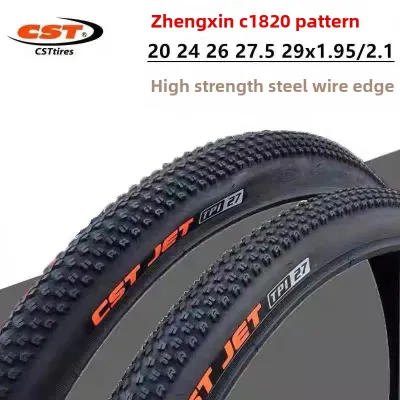
Prices are valid at publication and may change. Please refer to the product page for the latest price.
The letter that follows—most commonly “R”—denotes the construction type of the tire. The “R” stands for radial, meaning the internal ply cords run radially across the tire from bead to bead, which is the standard construction for almost all modern passenger vehicles. This is a strict compatibility requirement; mixing radial and non-radial tires on the same vehicle can severely compromise stability and handling.
The final two-digit number in this core sequence represents the rim diameter in inches. This number must match your vehicle’s physical wheel size exactly, as a 16-inch tire cannot be safely or physically mounted onto a 15-inch or 17-inch wheel. Before purchasing new tires, always compare these core dimensions against your vehicle’s official tire placard rather than assuming that wider or larger dimensions are inherently better or compatible with your suspension clearance.
Understanding Load Index and Speed Rating
Directly following the core size dimensions, you will find a separate alphanumeric code, such as “91V”. This sequence represents the tire’s load index and speed rating, which are critical safety thresholds established by the vehicle manufacturer. The numerical portion is the load index, a standardized code that corresponds to the maximum weight capacity a single tire can safely support when fully inflated. For instance, a load index of 91 indicates a specific weight capacity that must equal or exceed the minimum specification detailed by your vehicle’s manufacturer to prevent structural tire failure under load.

The final letter in the sequence is the speed rating, which indicates the maximum sustained speed capability of the tire under optimal laboratory test conditions. Common speed ratings for passenger cars include H, V, W, and Y, with each letter corresponding to a specific maximum velocity. It is important to recognize that this rating is a structural capability limit and does not represent a recommended or legal driving speed for public roads.
When selecting replacement tires, you must never downgrade either the load index or the speed rating below the vehicle manufacturer’s original specifications. Installing tires with lower ratings can compromise your vehicle’s electronic safety systems, such as electronic stability control and anti-lock braking systems, and may lead to unpredictable handling or heat-induced tire failure at highway speeds.
Locating Additional Manufacturing and Safety Markings
Beyond the primary size and capacity codes, tire sidewalls contain secondary markings that provide vital information regarding the tire’s age and physical condition. One of the most critical markings to locate is the Department of Transportation (DOT) safety code. This alphanumeric sequence ends with a four-digit number that indicates the exact week and year of manufacture; for example, “3426” means the tire was manufactured in the 34th week of 2026. Checking this code helps you avoid purchasing or installing aged inventory, as rubber compounds naturally degrade and harden over time, even when stored unused.
You should also locate the tread wear indicator (TWI) marks, which are often represented by small triangles or the letters “TWI” molded near the outer edge of the sidewall. These markings point directly to the raised wear bars situated within the tread grooves. When the surrounding tread wears down to the level of these indicators, the tire has reached its legal wear limit and must be replaced immediately to maintain wet-weather traction.
Additionally, the maximum inflation pressure is molded onto the sidewall, typically expressed in pounds per square inch (psi) or kilopascals (kPa). It is crucial to understand that this figure is the absolute maximum pressure the tire can safely hold, not the recommended operating pressure for your vehicle. For daily driving, you must always refer to the vehicle’s official placard for the correct inflation levels.
How to Verify the Correct Specifications for Your Car
To ensure you purchase the correct tires, you should follow a systematic verification process before making any buying decisions. First, locate the vehicle’s official tire information placard, which is typically found on the driver’s side door jamb, inside the fuel filler flap, or inside the glovebox. This placard lists the exact tire sizes, load indexes, speed ratings, and recommended cold inflation pressures specified by the vehicle manufacturer for front and rear axles.
Next, consult your vehicle’s owner’s manual. The manual often provides additional context, such as alternative approved tire sizes for winter use, or specific load and speed requirements when carrying heavy cargo or towing. It also outlines any specific requirements for matching tread patterns or brands across the same axle.
Finally, cross-reference these official specifications with the tires currently installed on your vehicle. You should only rely on the current tires’ markings if they match the door placard exactly, as previous owners or workshops may have installed incorrect sizes or lower-rated tires during past replacements. If you detect any discrepancies between the placard and the installed tires, prioritize the placard specifications or consult a qualified automotive professional to verify the correct fitment.
Frequently Asked Questions (FAQ)
Can I install a different tire size than what is recommended?
Altering your tire dimensions from the manufacturer’s recommended specifications can significantly affect your vehicle’s speedometer accuracy, suspension clearance, and electronic safety systems. If you are considering a different size, you must consult a qualified automotive professional to ensure compatibility and check local traffic regulations in Singapore to ensure the modification remains road-legal.
Where can I find my vehicle's original tire specifications?
The most reliable sources for your vehicle’s original equipment manufacturer (OEM) tire specifications are the tire information placard on the driver’s side door jamb, the official owner’s manual, or an authorized vehicle dealership. Avoid relying solely on online forums, generic fitment charts, or the markings on your current tires, as these sources may not account for your specific vehicle model year or trim level.
Community discussion
Share your experience or ask a question. Comments are reviewed before publication.