
Washing your car without scratching the paint requires minimizing friction and preventing abrasive dirt particles from rubbing against the clear coat. Traditional washing methods often grind road grime back into the paintwork, leaving behind fine, spiderweb-like scratches known as swirl marks. By using a dedicated car wash shampoo, high-quality microfiber tools, and a systematic washing technique, you can safely lift and rinse away dirt while preserving your vehicle’s glossy finish.
Essential Tools and Materials for a Scratch-Free Wash
Selecting the right products is the foundation of a safe car wash. Dedicated car wash shampoo is formulated specifically for automotive clear coats, providing high lubricity that allows the wash mitt to glide smoothly over the surface. These shampoos feature a neutral pH that lifts dirt without stripping existing waxes, sealants, or ceramic coatings.
In contrast, household detergents like dish soap or laundry detergent should never be used on automotive paint. These household cleaners are formulated to strip grease and oils, which means they will quickly degrade protective paint coatings and dry out rubber seals. Over time, this exposure leaves the paint vulnerable to oxidation and environmental damage.
Products mentioned in this guide
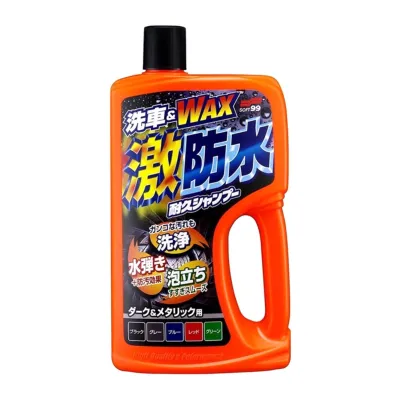
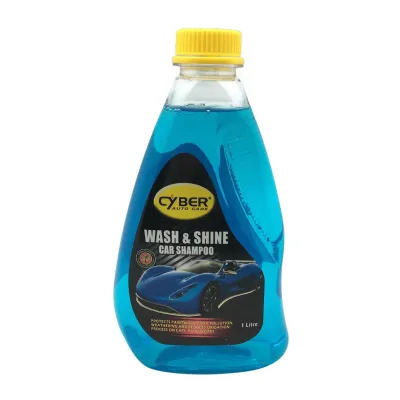
36 Lazada user ratings
Product is ok but more thought can be put into the packing. In the recent Redmart delivery, my food items were packed in the same box as car…Read full reviewShow less
Product is ok but more thought can be put into the packing. In the recent Redmart delivery, my food items were packed in the same box as car shampoo, detergent etc. Hope Redmart packing team does not repeat this in future.
Not the first time buying groceries from redmart. Items received well with good packaging. Received punctually.
Appearance: ok Performance: hope it is good as it is my first time buying this . Will buy again if it is good
Efficiently removes dirt and grime., easy Great car shampoo!,
Delivered well packed without any leakage. Yet to try out
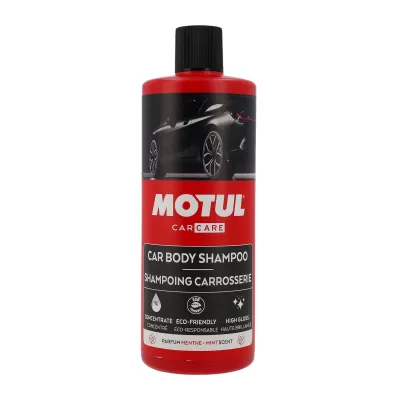
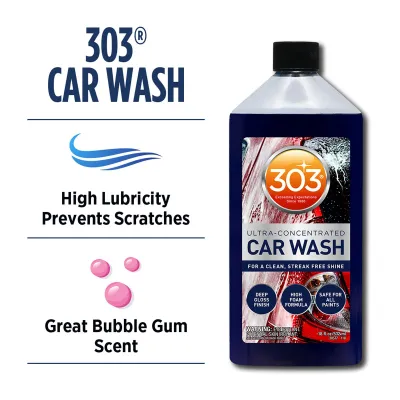
43 Lazada user ratings
Good packaging, Deep color enhancement, Car looks clean and sparkling . Easy application .. have been using Armor all for the longest time
Received quick delivery. Order in bulk to safe cost and delivery. Value for money purchase. Will order again.
Mirror-like finish, Gentle dirt removal, Real carnauba wax, . Keeps my car looking shiny and clean
Brilliant shine, Water beading effect, Gentle dirt removal, Mirror-like finish,
Smooth delivery Item received Well packed n protected Thank you
Prices are valid at publication and may change. Please refer to the product page for the latest price.
The tools you use to apply the shampoo are just as important as the soap itself. Traditional polyurethane sponges have flat surfaces that trap dirt between the sponge and the paint, acting like sandpaper as you wipe. Microfiber wash mitts feature deep, plush fibers that pull dirt away from the paint surface and hold it deep within the pile until rinsed.
For drying, avoid old cotton t-shirts or bath towels, which have rough fibers that can cause micro-marring on delicate clear coats. A high-pile, high-absorbency microfiber drying towel safely lifts remaining moisture without friction. These towels are designed to absorb several times their weight in water, reducing the number of passes needed to dry a panel.
To prevent dirt from re-contaminating your wash tools, set up two separate buckets. One bucket holds your clean soapy water, while the second bucket is filled with plain water for rinsing your dirty mitt. Placing a grit guard—a plastic radial grid—at the bottom of each bucket keeps settled dirt particles at the bottom, preventing them from being picked up by your wash mitt.
Finally, prepare your water source. A standard garden hose with a multi-pattern spray nozzle works well for rinsing. If you choose to use a pressure washer, select a wide-angle nozzle tip, typically 40 degrees, and maintain a safe distance of at least 30 centimeters from the paint to avoid peeling decals or damaging delicate trim.
Step-by-Step Guide to Washing Your Car Safely
Before you begin, choose an appropriate washing location. Always wash your vehicle in a shaded area or during cooler parts of the day, such as early morning or late afternoon. Direct sunlight dries water and shampoo rapidly, leaving behind stubborn mineral spots and soap residue that can be difficult to remove safely.

Pre-Wash and Initial Rinsing
Start by checking the temperature of the vehicle’s panels. Touch the hood or roof gently with the back of your hand; if the metal feels hot, let the vehicle cool down in the shade before applying water or shampoo. Applying cold water to hot body panels can cause rapid temperature changes, and soap will dry almost instantly on a hot surface.
Perform a thorough initial rinse from the top of the vehicle down to the bottom. Use a steady stream of water to flush away loose dust, mud, and surface debris. This step is crucial because removing loose contaminants before you touch the paint with a mitt significantly reduces the risk of dragging abrasive particles across the clear coat.
Pay special attention to the wheel arches, rocker panels, and lower bumpers where road grime accumulates heavily. Rinsing these areas thoroughly first prevents heavy mud from splashing back onto clean panels later in the process. Take your time during this phase to ensure as much loose dirt is removed as possible.
The Two-Bucket Washing Method
Prepare your wash station by filling both buckets with clean water. Add the recommended amount of car wash shampoo to the first bucket (the wash bucket) according to the manufacturer’s label instructions, then agitate the water to create a rich, lubricating foam. Leave the second bucket (the rinse bucket) as plain water, ensuring both buckets have grit guards installed at the bottom.
Submerge your microfiber wash mitt in the soapy wash bucket, ensuring it is fully saturated with the lubricating shampoo solution. Gently place the mitt onto the roof of the vehicle and begin washing. Let the weight of the wet mitt provide the necessary pressure rather than pushing down onto the paint.
Wash the vehicle using straight, overlapping lines rather than circular motions. Straight-line passes minimize the visibility of any minor marring that might occur, whereas circular motions create multi-directional scratches that catch light from every angle, forming highly visible swirl marks. Work on one small section or panel at a time to keep the surface wet.
Work systematically from the top of the vehicle downward. Start with the roof, move to the windshield and glass, then wash the hood, trunk, upper side panels, and finally the lower panels. Because the lower sections of a car accumulate the heaviest road grime and grit, washing them last prevents you from transferring that heavy dirt to cleaner upper panels.
After washing a single panel or a section of a panel, submerge the dirty wash mitt into the rinse bucket. Rub the mitt against the grit guard at the bottom of the bucket to release trapped dirt and debris. Wring out the mitt outside the bucket, then dip it back into the soapy wash bucket to reload it with clean, lubricated shampoo before moving to the next panel.
Drying Without Swirl Marks
Once the vehicle is completely rinsed and free of soap, begin the drying process immediately to prevent water spots. Mineral deposits in tap water can etch into the clear coat if left to dry under ambient heat. Acting quickly ensures a clean, spot-free finish.
Lay a clean, high-pile microfiber drying towel flat across a wet panel. Instead of rubbing the towel back and forth, gently drag it toward you by its corners, allowing the fibers to absorb the water naturally. Alternatively, you can pat the surface dry to eliminate friction entirely, which is the safest way to handle soft clear coats.
If you have access to a filtered air blower or a dedicated car dryer, use it to blow standing water out of tight crevices, such as side mirror housings, door jambs, panel gaps, and around emblem badges. This prevents water from dripping down and creating unsightly run marks on your freshly dried paint. Wipe down the door jambs with a separate, clean microfiber towel to finish.
Common Washing Mistakes That Damage Car Paint
Washing a vehicle under direct sunlight is one of the most common errors. The heat causes the shampoo and rinse water to evaporate prematurely, leaving behind hard water deposits and dried soap film that require polishing to remove. Always prioritize shade or wash during cooler hours.
Using a single bucket without a rinse step is another major cause of paint damage. Without a separate rinse bucket, the dirt lifted from your car is transferred directly into your soapy wash water, where it is picked up by the mitt and rubbed back onto the paint. This circular transfer of dirt is the primary cause of wash-induced swirl marks.
Dropping a wash mitt on the ground and continuing to use it can ruin your paint instantly. If a mitt touches the driveway, it will pick up tiny stones and abrasive grit; even a thorough rinse may not remove all particles, so it is safer to switch to a clean, backup mitt immediately. Keep an extra mitt nearby just in case.
Applying heavy downward pressure while washing is unnecessary and harmful. Let the lubricity of the car wash shampoo and the soft fibers of the microfiber mitt do the work of lifting the dirt; pressing down hard only grinds contaminants into the clear coat. A light touch is all that is required to clean safely.
Relying on circular washing motions creates circular scratches that are highly reflective under sunlight. Sticking to straight-line motions ensures that any minor imperfections remain unidirectional, making them far less noticeable to the eye. This simple adjustment in technique makes a dramatic difference in paint clarity over time.
Frequently Asked Questions (FAQ)
Can I use dish soap instead of car wash shampoo?
No, you should avoid using dish soap on your vehicle’s paint. Dish soaps are formulated with aggressive surfactants designed to strip heavy grease and food oils from dishes. On a car, these chemicals will strip away protective wax coatings, sealants, and gloss enhancers, leaving the clear coat exposed to UV damage and environmental contaminants. Over time, repeated use of dish soap can also dry out rubber window seals and plastic trim, causing them to fade and crack. Dedicated car wash shampoo is engineered to clean safely while preserving these protective layers.
How often should I wash my car to protect the paint?
There is no single schedule that fits every vehicle, as washing frequency depends on your driving habits, local weather, and where you park. If your car is parked outdoors under trees or exposed to industrial fallout, bird droppings, or tree sap, it may require a wash every week to prevent these acidic contaminants from etching the paint. For vehicles parked in a garage and driven less frequently, a bi-weekly or monthly wash is often sufficient. Perform a visual and tactile check: if the paint feels rough or looks dusty, it is time for a safe wash.

Community discussion
Share your experience or ask a question. Comments are reviewed before publication.