
To dry your car safely with a chamois cloth without scratching the paint, you must ensure the vehicle is completely free of dirt, keep the cloth damp and clean, and pull it flat across the surface rather than rubbing it in circular motions. A car wash cloth chamois—whether made of genuine sheepskin leather or high-grade synthetic materials—is highly prized for its exceptional water-absorbing capabilities. However, unlike microfiber towels which have a deep, plush pile that can safely trap microscopic dirt particles away from the paint, a chamois has a flat, smooth surface. If any dirt remains on your car or gets trapped under the cloth, the flat surface of the chamois will press those abrasive particles directly against your clear coat, dragging them along to create unsightly swirl marks and fine scratches.
In tropical environments like Singapore, where high humidity and sudden downpours are common, drying your car quickly and thoroughly is essential to prevent mineral-rich tap water from evaporating into stubborn water spots. Yet, the combination of heat and rapid drying means you must work efficiently and with the correct technique. Understanding how to prepare your vehicle, execute the proper drying motions, and care for your cloth afterward is the key to maintaining a flawless, mirror-like finish on your vehicle.
Preparing Your Vehicle and Chamois for Safe Drying
The foundation of a scratch-free dry begins long before the chamois touches the paint. You must verify that the vehicle has undergone a thorough, multi-stage wash to remove every trace of road grime, dust, and abrasive grit. Even a microscopic speck of sand left behind in a hard-to-reach crevice can be picked up by the cloth and dragged across the panels. Use a dedicated car shampoo and the two-bucket wash method, followed by a high-pressure rinse to flush out panel gaps, door jambs, and window seals where hidden dirt often lurks.
Products mentioned in this guide
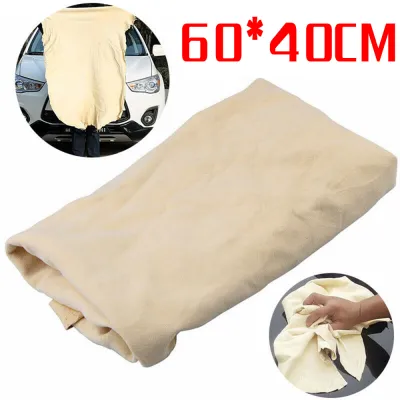

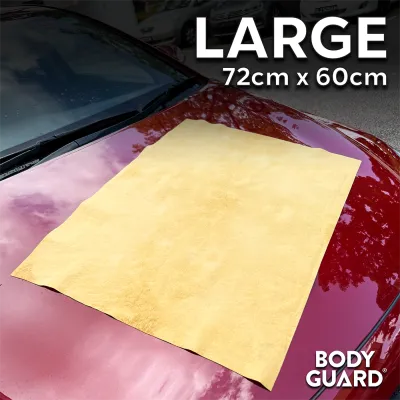
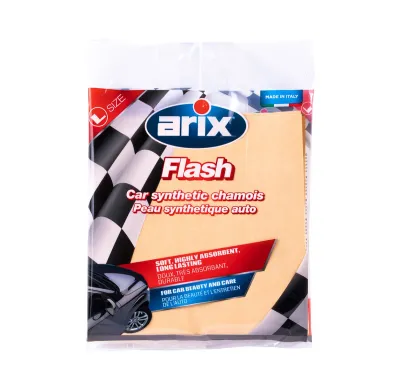


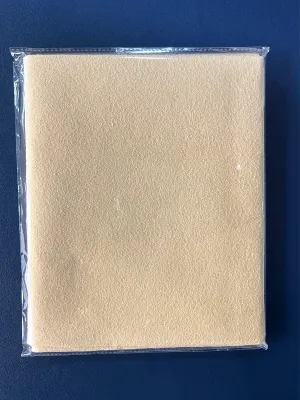

Prices are valid at publication and may change. Please refer to the product page for the latest price.
Before laying the chamois on your car, inspect the cloth itself. A dry chamois is naturally stiff and can act like cardboard against your paint. You must fully submerge the cloth in clean, lukewarm water and wring it out thoroughly until it is uniformly damp and pliable. Run your fingers across both sides of the damp cloth to check for any embedded debris, leaf fragments, or hardened spots from previous uses. If you feel any rough areas or trapped grit, do not use the cloth until it has been thoroughly cleaned and cleared of contaminants.
Choosing the right environment for drying is equally critical to success. Avoid drying your vehicle in direct, intense sunlight or high-wind conditions. In Singapore’s warm climate, direct sunlight heats up the metal panels rapidly, causing water droplets to evaporate before you can reach them with your cloth, leaving behind unsightly mineral rings. Wind can also blow airborne dust and sand onto your freshly washed, wet car, instantly contaminating the surface. Whenever possible, perform your drying process in a shaded, sheltered area, such as a multi-storey carpark wash bay or during the cooler hours of the early morning or late evening.
Step-by-Step Technique for Scratch-Free Drying
To minimize the risk of cross-contamination, always dry your vehicle from the top down. Start with the highest and cleanest areas, such as the roof, sunroof, and side windows, before moving down to the hood, trunk, and upper door panels. Save the lower door sections, rocker panels, and bumpers for last. These lower areas naturally accumulate the heaviest road grime, grease, and brake dust. By working downward, you ensure that any residual dirt on the lower panels is not accidentally dragged upward onto the cleaner, more visible upper surfaces of your car.

The physical motion you use to dry the car determines whether your paint remains pristine or suffers from swirl marks. Never bunch the chamois into a tight ball and scrub the paint, and avoid rubbing in circular motions. Instead, lay the damp chamois completely flat across the wet panel. Hold two corners of the cloth and gently pull or glide it toward you in a straight, smooth motion. The natural surface tension of the damp cloth will lift the water off the paint without requiring downward pressure. For vertical panels or intricate body lines where gliding is difficult, use a gentle patting motion to blot up the water rather than wiping.
Frequent wringing is essential to maintain the cloth’s effectiveness and safety. As you glide the chamois across the panels, it quickly becomes saturated with water and may pick up trace amounts of airborne dust. Keep a dedicated bucket of clean rinse water nearby. Wring out the chamois frequently into this separate bucket, rather than back onto the car or into your clean wash water. This prevents the cloth from becoming overloaded with water and ensures that any suspended fine dust is flushed out of the material regularly.
Adhere to a strict zero-tolerance rule for dropped cloths. If the chamois slips from your hands and touches the ground, stop using it immediately. The soft, damp surface of a chamois will instantly grab onto tiny rocks, sand, and concrete dust from the floor. Attempting to shake or rinse the cloth quickly at the wash bay is rarely enough to remove all embedded grit. Set the dropped cloth aside and switch to a clean backup drying towel to complete the job, saving the dirty chamois for a thorough, deep cleaning later.
Cleaning and Storing Your Chamois Cloth After Use
Proper post-wash maintenance is what preserves the soft texture of your car wash cloth chamois and prevents it from becoming a scratching hazard during the next wash. As soon as you finish drying your vehicle, rinse the cloth thoroughly under clean, running tap water. Do not allow the dirty water or any residual car shampoo to dry inside the fibers, as this will cause the material to harden and lose its natural absorbency.
When washing the cloth, always consult the manufacturer’s specific care label, as cleaning requirements differ significantly between genuine leather and synthetic materials. For genuine leather chamois, never use harsh household detergents, dish soaps, laundry powders, or degreasers. These chemicals strip away the natural cod oil used during the tanning process, leaving the leather dry, brittle, and prone to cracking. If the leather requires cleaning beyond a clean water rinse, use a mild, pH-neutral soap specifically formulated for genuine chamois or leather. For synthetic chamois, mild detergents are generally safe, but you must avoid fabric softeners and bleach, which can break down the synthetic polymers and ruin the cloth’s capillary structure.
Drying the cloth requires patience and a gentle touch. Gently squeeze out the excess water rather than twisting or wringing genuine leather with extreme force, which can stretch and tear the delicate wet fibers. Hang the damp cloth to air-dry in a shaded, well-ventilated indoor area. Never place a chamois in a clothes dryer, on a hot radiator, or in direct sunlight. Excessive heat and UV rays will cause genuine leather to shrink, warp, and turn into a stiff, unusable sheet of parchment.
Once the chamois is completely dry, store it in a clean, dust-free, and breathable container or bag. Do not leave it exposed on a garage shelf where it can collect airborne dust and pests. Note that some synthetic PVA chamois are designed to be stored slightly damp inside their original plastic tubes to keep them pliable; if your synthetic cloth requires this, ensure it is clean and stored with a drop of clean water to prevent mold, and check the manufacturer’s instructions to verify the correct storage method.
When to Replace Your Chamois Cloth
Even with meticulous care, every car wash cloth chamois will eventually reach the end of its safe operating life. You must regularly inspect the physical condition of your cloth to ensure it remains safe for your vehicle’s delicate clear coat. One of the primary warning signs is permanent stiffness or crustiness. If the cloth remains rough, stiff, or fails to soften up completely after being thoroughly soaked in water, the fibers have degraded. Using a hardened cloth will inevitably cause micro-marring and fine scratches on your paint.
In humid climates like Singapore, mold and mildew are constant threats to damp detailing gear. Inspect your chamois for lingering sour odors, mustiness, or dark, localized spots that do not wash out. Mold growth not only damages the structural integrity of the cloth but can also transfer bacteria and unpleasant smells to your vehicle’s surfaces. If a deep rinse with a mild, authorized cleaner cannot eliminate the odor or stains, it is time to discard the cloth.
Finally, look for signs of physical disintegration. Check the edges and surface of the cloth for thinning areas, fraying, or tearing. If the chamois begins to shed small fibers, lint, or leather dust onto your car’s paint during the drying process, the material is breaking down. Continuing to use a shedding or tearing cloth reduces drying efficiency and increases the risk of uneven pressure points, making replacement the safest choice for your car’s finish.
Frequently Asked Questions (FAQ)
Can I use a chamois cloth on a wet car without washing it first?
No, you should never use a chamois cloth on a wet car without washing it first. A chamois is strictly a drying tool, not a cleaning mitt. If your car is covered in rain water but has road dust, pollen, or environmental fallout on the surface, wiping it with a chamois will trap those abrasive particles between the flat cloth and the paint. Because the chamois lacks a deep pile to absorb and isolate dirt, it will drag the grit across the clear coat like fine-grit sandpaper, resulting in severe swirl marks and scratches. Always perform a complete wash and rinse before using any drying cloth.
Is a synthetic chamois better than genuine leather for car paint?
Neither material is universally superior; instead, they offer different trade-offs depending on your maintenance preferences. Genuine leather chamois provides unmatched natural absorbency and a traditional, soft feel, but it requires highly specific care, including gentle hand-washing and air-drying away from heat to prevent hardening. Synthetic chamois (often made of PVA) is highly durable, resistant to mold and mildew, easier to clean, and can often be stored damp in its case for immediate use. If you prefer low-maintenance convenience and long-term durability, a synthetic option is often more forgiving, whereas enthusiasts who enjoy traditional detailing routines may prefer the classic performance of genuine leather. Always check the product specifications and care labels to match the material to your routine.
Community discussion
Share your experience or ask a question. Comments are reviewed before publication.