
To maximize the effectiveness of a car odour remover in tropical conditions like Singapore’s, you must place the product away from direct sunlight, utilize the vehicle’s natural airflow channels, and combine active scenting with passive moisture absorption. Simply hanging a cardboard tree from the rearview mirror or tossing a gel canister onto the dashboard will lead to rapid product depletion, potential interior damage, and a cloying scent that fails to address underlying musty odours.
Achieving a fresh, neutral cabin environment in a hot, humid climate requires a strategic approach. By understanding how high temperatures interact with different fragrance formats and learning how to position them safely, you can maintain a pleasant driving environment while extending the lifespan of your chosen product.
How Singapore's Heat and Humidity Challenge Car Odour Control
High cabin temperatures dramatically accelerate the evaporation rate of liquid and gel-based fresheners. When a vehicle is parked under direct sunlight, interior temperatures can quickly climb well above outdoor ambient levels, causing the volatile solvents in odour removers to vaporise at an unsustainable rate. This rapid depletion means a product rated for sixty days in temperate climates might last less than two weeks in local conditions.
Products mentioned in this guide




Prices are valid at publication and may change. Please refer to the product page for the latest price.
At the same time, Singapore’s consistently high relative humidity traps moisture within the porous materials of your car’s interior. Fabric seats, floor carpets, headliners, and seatbelts easily absorb airborne water vapour, creating a damp environment where biological odours can thrive. When the vehicle heats up, this trapped moisture evaporates, carrying musty, stale smells back into the cabin air.
This dual action of rapid evaporation and persistent dampness means that standard, surface-level air fresheners are often overwhelmed. Simply trying to mask a deep-seated moisture odour with a heavy perfume creates a dense, cloying atmosphere that can cause headaches or nausea. To achieve true freshness, you must balance active scent distribution with targeted humidity control and strategic placement.
Choosing the Right Odour Remover Format for High Temperatures
Selecting the correct product format is the essential first step in managing cabin air quality under intense tropical heat. Different materials react uniquely to elevated temperatures, affecting both their safety and their longevity.

Solid and Ceramic Diffusers Solid block and ceramic diffusers offer exceptional stability when exposed to high cabin temperatures. Because they do not rely on large volumes of liquid carriers or volatile gels, they do not melt, liquefy, or leak when the vehicle is parked in the sun. Scent molecules are bound within a porous clay, ceramic, or polymer matrix, allowing for a slow, metered release that resists rapid thermal evaporation. This makes them one of the most reliable and cost-effective choices for tropical climates.
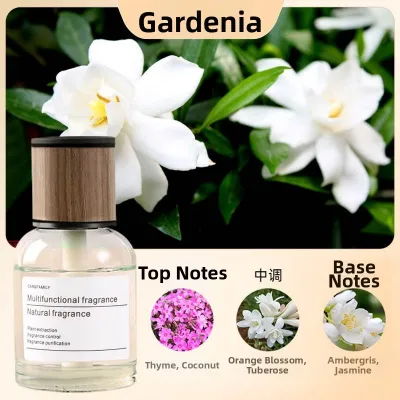
Gel and Liquid Formats Gel and liquid odour removers are highly popular due to their strong initial scent throw, but they carry distinct risks in hot environments. Under extreme heat, gels can liquefy completely, while liquid reservoirs can experience rapid pressure build-up. If these products tip over or leak, the concentrated solvents can chemically react with dashboard plastics, dissolve leather finishes, or leave permanent stains on fabric upholstery. If you choose these formats, select high-quality containers with secure, spill-proof seals and place them upright in secure locations.
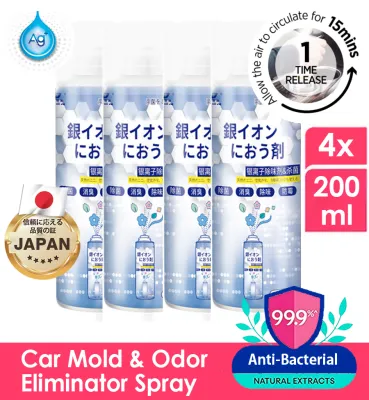
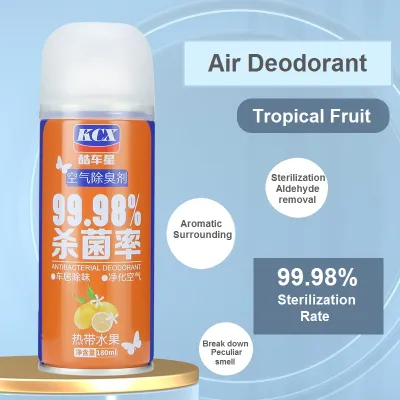
Aerosol Sprays Pressurised aerosol cans present a significant safety hazard if left inside a hot vehicle. The internal pressure of an aerosol container increases exponentially as the temperature rises. If a car is parked in an unshaded open-air car park, cabin temperatures can easily exceed the safe storage limits specified on aerosol product labels (typically 50°C), risking a violent rupture or explosion. Always store aerosol sprays in a cool, dry place outside the vehicle, or transport them only during active use.
Vent Clips Vent clips are highly effective at dispersing scent because they utilise the high-velocity air coming directly from the air conditioning vents. However, their performance is highly dependent on active airflow. When the vehicle is parked and the AC is off, the stagnant heat inside the cabin can dry out the internal scent pad or liquid reservoir prematurely. To prevent this, look for vent clips with adjustable mechanical shutters that allow you to close off the product when leaving the vehicle.
Where to Place Odour Removers for Airflow and Safety
Proper placement of your car odour remover is critical to ensure even scent distribution, protect your vehicle’s interior surfaces, and maintain strict driving safety standards.
Airflow Zones To distribute a fragrance effectively without overwhelming a single area, place the odour remover near the vehicle’s natural airflow paths. Positioning a diffuser near the air conditioning return vents—typically located under the front dashboard or near the floorboards—allows the climate control system to draw in the scent and distribute it evenly through all active vents. Placing the product at floor level under the front seats also utilises natural convection currents as cool air sinks and warm air rises, creating a subtle, continuous dispersion.
Safety Exclusions Never place any odour remover, diffuser, or decorative accessory on or near the steering wheel boss, the passenger-side dashboard, or the A-pillars. These areas house the vehicle’s supplemental restraint system (airbags). If an airbag deploys during a collision, any object resting on these surfaces will be launched into the cabin with extreme force, risking severe injury to occupants. Additionally, avoid hanging heavy objects from the rearview mirror that could obstruct your forward line of sight, and never place loose canisters near the driver’s footwell where they could roll under the brake or accelerator pedals.
Heat Avoidance Direct ultraviolet (UV) radiation and intense heat from the windshield will rapidly degrade both natural and synthetic fragrance oils, often altering their chemical structure and turning a pleasant scent into a sour, chemical odour. Keep your odour removers out of direct sunlight by placing them in shaded areas such as the lower centre console, rear seat pockets, or dedicated under-seat brackets. This simple adjustment preserves the integrity of the fragrance and prevents the plastic casing of the product from warping or cracking.
Secure Mounting Always secure your odour remover to prevent it from sliding, tipping, or becoming a projectile during sudden braking or sharp turns. Use high-quality, heat-resistant silicone non-slip pads or secure mechanical clips designed specifically for automotive use. Avoid using cheap double-sided adhesives that can melt in the heat, leaving a sticky, difficult-to-remove residue on your dashboard or console surfaces. Before mounting any product, consult your vehicle’s owner’s manual to ensure the placement does not interfere with any interior sensors or controls.
Daily Usage Techniques to Maximise Effectiveness and Longevity
Implementing smart daily habits can significantly extend the lifespan of your car odour remover while ensuring a consistently fresh cabin environment.
AC Synergy When you first enter a car that has been parked in the sun, open the windows and set the air conditioning to fresh air mode with the fan on high for one to two minutes. This quickly expels the superheated, stale air and any accumulated moisture from the cabin. Once the temperature begins to drop, close the windows and switch the AC to recirculation mode. Recirculation allows the odour remover to work within a closed loop, distributing the scent evenly throughout the interior without constantly venting the treated air outside.
Pacing the Release To prevent your odour remover from exhausting itself too quickly in the heat, manually restrict the exposure of the scent source. If you are using a gel tub or a liquid diffuser, do not peel off the protective foil seal entirely; instead, cut a small slit or peel back only a fraction of the cover. For adjustable plastic diffusers, keep the ventilation shutters at their lowest setting during the hottest months of the year. This simple step limits the surface area exposed to evaporation, drastically extending the product’s usable life.
Parking Routines Whenever possible, park your vehicle in shaded areas, multi-storey car parks, or basement garages to shield the cabin from direct solar radiation. If you must park in an open-air lot, place a high-quality, reflective sunshade across your front windshield. This can lower cabin temperatures by several degrees, directly reducing the thermal stress on your odour remover. For highly heat-sensitive liquid or gel products, consider temporarily placing them inside the glove box or centre console compartment when leaving the car parked for extended periods.
Rotation and Replacement The human olfactory system naturally adapts to constant sensory inputs over time, a process known as olfactory fatigue or “nose-blindness.” You may believe your car odour remover has stopped working when, in reality, your brain has simply blocked out the continuous scent. To verify if a product needs replacing, check physical indicators such as gel shrinkage, dry ceramic surfaces, or significant weight loss rather than relying solely on your sense of smell. To combat nose-blindness, consider rotating between two completely different scent profiles every few weeks to keep your senses active.
Beyond Fragrance: Managing Moisture and Mould at the Source
An odour remover is designed to neutralize or mask airborne molecules, but it cannot repair physical issues or eliminate deep-seated biological growth. To maintain a truly clean cabin, you must address the root causes of tropical car odours.
Identifying Hidden Moisture Regularly inspect your vehicle’s interior for hidden moisture, which is the primary source of musty smells in humid climates. Check the floor carpets beneath your mats, the areas directly under the front and rear seats, and the spare tyre well in the boot. Wet umbrellas, damp shoes from sudden tropical downpours, and condensation from cold drinks can easily saturate these areas. If you detect dampness, remove the floor mats and allow the interior to dry completely in a well-ventilated area.
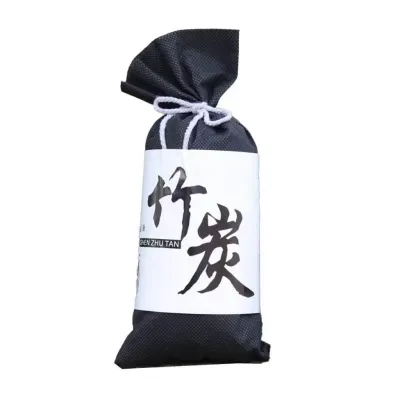
Drying Routines To actively combat high ambient humidity, place passive moisture absorbers containing silica gel or activated bamboo charcoal alongside your odour remover. While the odour remover works to keep the air smelling fresh, these passive absorbers physically extract water vapour from the air, lowering the relative humidity inside the cabin. This dry environment prevents the germination of mould spores and mildew, stopping musty odours before they can develop.
Cabin Air Filter The evaporator coil of your car’s air conditioning system is a dark, damp environment where mould and bacteria thrive. As air passes over the coil, these micro-organisms are blown directly onto your cabin air filter, where they can accumulate and create a sour, vinegar-like smell when the AC is first turned on. Refer to your vehicle’s manufacturer instructions to locate, inspect, and replace the cabin air filter regularly—typically every 10,000 to 15,000 kilometres, or more frequently in highly humid climates.
When to Stop If a persistent damp, sour, or chemical smell remains inside your vehicle despite thorough cleaning, drying, and the use of odour removers, you should stop trying to resolve the issue yourself. A persistent smell often indicates a deeper mechanical or biological problem, such as a leaking AC evaporator core, a clogged cabin drain line, or deep-seated mould growth within the seat foam. In these situations, seek professional interior detailing or specialized automotive AC servicing to diagnose and resolve the issue safely.
Frequently Asked Questions (FAQ)
Can I leave aerosol odour removers in my car overnight?
You should avoid leaving pressurised aerosol cans inside your vehicle, especially if it is parked outdoors. While overnight temperatures are lower, Singapore’s daytime heat can rise rapidly the following morning. If you forget to remove the can before the sun hits the vehicle, cabin temperatures can quickly exceed the safe storage limits of the pressurised container, risking a dangerous rupture or explosion. Always store aerosol products in a cool, dry place at home or in a ventilated garage.
Why does my car smell worse after using a fragrance?
Using an air freshener or fragrance product in a dirty car often creates an unpleasant, cloying mixture of scents. When synthetic fragrance molecules combine with active biological odours—such as mould, mildew, or decomposing food particles—they do not eliminate the bad smell; instead, they layer over it, creating a heavier and more offensive aroma. To prevent this, always thoroughly clean, vacuum, and dry your vehicle’s interior to remove the source of the odour before introducing any scent products.
Are bamboo charcoal bags better than chemical odour removers for humidity?
Bamboo charcoal bags and chemical odour removers serve completely different functions, and they are most effective when used together. Bamboo charcoal is a passive, non-scented absorber that physically traps moisture and microscopic odour molecules within its porous structure, making it highly effective at controlling humidity and preventing mould. Chemical odour removers, on the other hand, are designed to active-neutralise or mask existing airborne smells with pleasant fragrances. Using bamboo charcoal to dry the air and a stable diffuser to add a pleasant scent provides the most comprehensive climate control for your vehicle.

Community discussion
Share your experience or ask a question. Comments are reviewed before publication.