
Selecting the correct size for a side window sunshade requires a precise understanding of your vehicle’s window geometry and mounting style. To find the perfect fit, you must measure either the visible glass area for internal shades—such as static cling, suction cup, or magnetic wire-frame designs—or the entire outer door frame for external stretchable mesh sleeves. Because modern automotive windows are rarely perfect rectangles, taking multiple measurements across different points is the only way to prevent issues like buckling, sagging, or dangerous blind spots.
While many manufacturers market their products with generic vehicle categories, a hands-on measurement remains the most reliable path to a secure fit. Taking a few minutes to measure your windows ensures that the shade stays firmly in place, maintains clear driver visibility, and functions without damaging your vehicle’s window mechanisms.
Why Proper Sizing Matters for Safety and Compliance
An ill-fitting sunshade is more than just an aesthetic annoyance; it represents a direct safety hazard on the road. If a sunshade is too large for the window frame, it can easily buckle and pop out of place, distracting the driver or falling directly into the cabin during sudden maneuvers. Conversely, a shade that is too small leaves significant gaps, allowing harsh sunlight and glare to penetrate the cabin, which can temporarily blind the driver or overheat passengers in the back seat.
Products mentioned in this guide
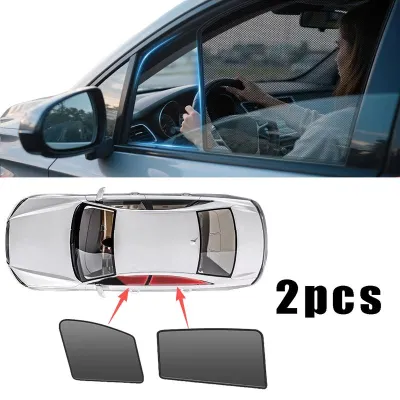
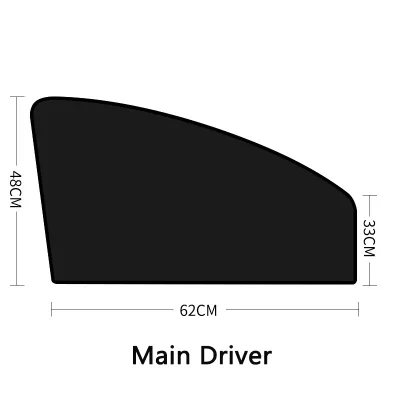
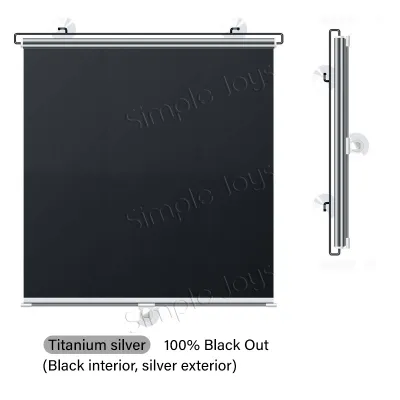
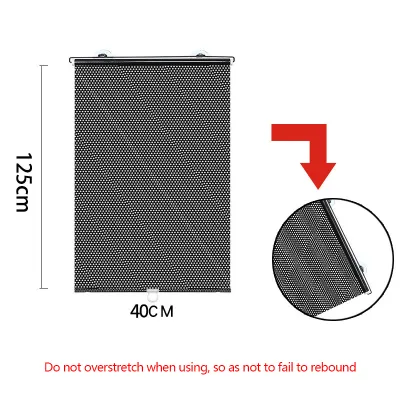
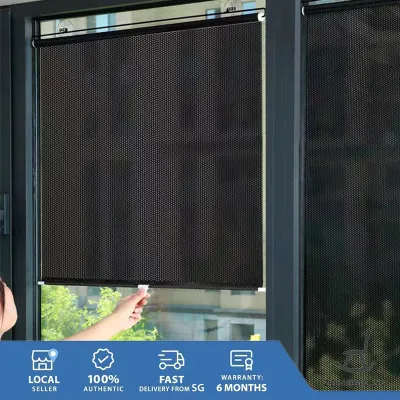
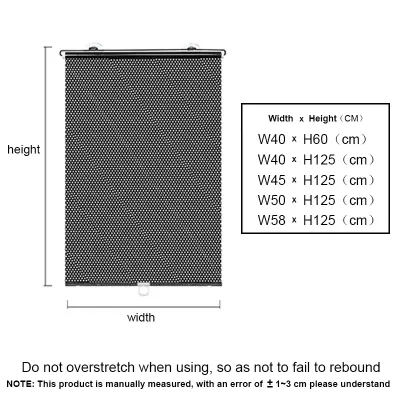
Prices are valid at publication and may change. Please refer to the product page for the latest price.
For front side windows, the safety boundary is exceptionally strict. The driver must have an entirely unobstructed view of both side mirrors at all times. A sunshade that extends too far forward or sags downward can block these critical sightlines, making lane changes and parking maneuvers highly dangerous. Even a minor obstruction of the side mirror can lead to catastrophic blind spots on busy urban roads.
In Singapore, vehicle modifications and interior accessories must comply with strict local traffic regulations enforced by the Land Transport Authority (LTA). Under these guidelines, the front windscreen and front side windows must maintain a minimum light transmittance of 70%, while rear side windows and the rear windscreen must maintain at least 50%. Applying opaque, highly reflective, or poorly sized physical sunshades to the front windows while the vehicle is in motion is illegal if it compromises driver visibility. Ensuring your sunshades are correctly sized and positioned helps you maintain full compliance with these safety standards.
Essential Tools for Accurate Window Measurement
Before beginning the measurement process, gathering the right tools will ensure your dimensions are precise to the millimeter. Using the wrong tools can lead to inaccurate readings, resulting in a poorly fitting shade.

- Flexible Measuring Tape: A standard metal measuring tape works best for straight edges and rigid window frames, while a flexible tailor's tape is ideal for capturing the curves of the glass.
- Notepad or Smartphone: Keep a dedicated space to record your measurements immediately, noting down separate dimensions for the front and rear windows.
- Microfiber Cloth: Cleaning the window glass and surrounding rubber trim before measuring is highly recommended. Dust and debris can obscure the exact boundaries of the window frame and prevent suction cups or static cling materials from adhering correctly during test fits.
Step-by-Step Guide to Measuring Your Side Windows
To get the most accurate dimensions, you must tailor your measurement technique to the specific type of sunshade you plan to install. Different mounting styles rely on entirely different areas of the car door.
Measuring the Glass Area vs. the Window Frame
For internal sunshades—including suction cup models, static cling films, and custom-fit magnetic wire frames—your focus must be entirely on the visible glass area. Do not include the plastic or metal door trim in these measurements.
- Width Measurements: Measure the horizontal distance of the glass at three distinct points: the top edge, the middle section, and the bottom edge where the glass meets the door panel. Record all three numbers.
- Height Measurements: Measure the vertical distance of the glass at three points: the front edge (nearest the A-pillar or B-pillar), the center line, and the rear edge.
- Using the Smallest Dimension: For internal shades, always use the smallest of your recorded width and height measurements. This prevents the shade from being too tight, which causes the frame to buckle or the static cling to peel away from the glass.
For external mesh sleeves (often referred to as “sock-style” sunshades), you must measure the entire outer door frame. These shades slip over the top of the door frame like a sleeve, covering both the inside and outside of the window.
- Frame Width: Open the car door and measure the horizontal width from the outermost metal edge of the front frame to the outermost edge of the rear frame.
- Frame Height: Measure the vertical height from the top of the metal door frame down to the point where the metal meets the lower door panel.
Accounting for Curvature, Seals, and Mechanisms
Modern car windows feature aerodynamic curves and sloped angles that complicate simple rectangular measurements. If your window has a sharp upward slope or a triangular quarter-glass section, a standard rectangular shade will not provide adequate coverage.
Inspect the rubber weatherstripping and window tracks carefully. The sunshade must sit flush against the glass without pressing hard into the rubber seals. If a wire-frame shade is forced into the window track, it can interfere with the window regulator, preventing the glass from rolling up or down smoothly.
Additionally, avoid measuring too close to the bottom edge where the glass disappears into the door cavity. If your sunshade extends below the window sweep (the rubber seal at the bottom of the window), the glass will drag the shade down into the door when rolled down, potentially damaging the window motor or tearing the sunshade material.
Choosing the Right Sunshade Type Based on Your Measurements
Once you have recorded your window’s exact dimensions, you can compare them against the various sunshade designs available on the market to find the best match for your vehicle.
Custom-Fit vs. Universal Sunshades
Custom-fit sunshades are engineered using 3D laser scans of specific vehicle makes, models, and production years. If you purchase a high-quality custom-fit shade, you generally do not need to perform manual measurements, as the manufacturer has already tailored the frame to snap perfectly into your specific window trim. These shades offer maximum coverage with zero light gaps, but they come at a higher price point, often ranging from S$50 to S$150 per set in Singapore.
Universal sunshades, on the other hand, are designed to fit a wide range of vehicles and are sold in standard size brackets (such as Small, Medium, Large, and Extra-Large). To choose the correct universal size, compare your recorded measurements against the manufacturer’s sizing chart. Always select the size bracket where your window’s maximum dimensions fall safely within the shade’s limits, keeping in mind that a slightly smaller universal shade is always safer than an oversized one that buckles.
Mesh Sleeves, Static Cling, and Suction Cup Designs
Different sunshade materials have unique physical properties that dictate how forgiving they are with sizing discrepancies.
- Mesh Sleeves (Sock-Style): These rely on elastic fabric stretch to fit over the door frame. Because they are flexible, they offer some tolerance for sizing errors. However, if your car has exceptionally thick door panels or unique aerodynamic shapes, the mesh can overstretch, leading to tears in the fabric or wind noise at highway speeds. Note that mesh sleeves cannot be used on frameless doors, such as those found on many coupes and electric vehicles.
- Static Cling Films: These require a completely flat application on the glass. You should choose a static cling shade that is at least 1 to 2 centimeters smaller than your measured glass area. This margin ensures the film does not touch the rubber weatherstripping, which would cause the edges to lift, peel, and catch when the window is operated.
- Suction Cup and Wire-Frame Shades: These rigid designs require precise measurements. The wire frame must match the perimeter of the window glass closely enough to hold itself in place via tension or suction cups. If the frame is even slightly too large, it will bow outward, creating a gap that lets in heat and potentially blocking your peripheral vision.
How to Install and Verify the Fit
After purchasing your sunshade, performing a proper installation and fit verification is essential to ensure safety and longevity.
- Step 1: Clean the Surface: Use a microfiber cloth and an approved glass cleaner to remove grease, dust, and fingerprints from the window glass and surrounding frame. This step is critical for static cling and suction cup models.
- Step 2: Position the Shade: Place the sunshade against the window, starting from the front edge (nearest the side mirror) and working your way back. For mesh sleeves, pull the sleeve evenly over the door frame, ensuring there are no severe wrinkles or loose folds.
- Step 3: Check Window Operation: Slowly roll the window down and up. Listen for any straining from the window motor and watch for any shifting of the sunshade. If the shade moves, catches, or makes contact with the inner window seals, it must be adjusted.
- Step 4: Verify Driver Sightlines: Sit in the driver's seat in your normal driving position. Look towards both side mirrors. Ensure that no part of the sunshade blocks your direct line of sight to the mirrors or your peripheral view of the road.
Strict Safety Stop Condition: If at any point during installation or testing the sunshade obstructs your view of the side mirrors, slips out of position during a low-speed test drive, or causes the window motor to struggle, remove or reposition the shade immediately. Do not operate the vehicle with an improperly secured or obstructive sunshade.
Common Sizing and Selection Mistakes to Avoid
One of the most frequent mistakes car owners make is purchasing oversized universal shades with the hope of achieving “maximum coverage.” An oversized shade cannot lay flat, leading to sagging material that easily blocks the driver’s view or falls off while driving. Additionally, bulky, oversized shades are incredibly difficult to fold and store, often cluttering the door pockets or passenger footwells.
Another common error is assuming that a “one-size-fits-all” or “standard sedan” label on a product package will automatically fit your vehicle. Window shapes vary drastically between a compact hatchback, a luxury sedan, and a family SUV. Always rely on your manual measurements rather than generic marketing labels.
Finally, never overlook local legal compliance. While it may be tempting to install dark, heavy mesh sleeves on the front side windows to combat Singapore’s intense tropical heat, doing so while driving can lead to fines if it violates LTA visibility guidelines. Reserve high-coverage, opaque shades for the rear passenger windows, and opt for legally compliant, high-transmittance solar films or highly removable, transparent mesh options for the front windows.
Frequently Asked Questions (FAQ)
Can I legally use a sunshade on the front side windows while driving in Singapore?
Under LTA regulations in Singapore, any accessory installed on the front side windows must not compromise the driver’s visibility. The front side windows must maintain at least 70% light transmittance. Opaque, dark mesh, or solid fabric sunshades that block the driver’s direct view of the side mirrors or the road ahead are illegal to use while the vehicle is in motion. If you require sun protection for the front seats while driving, ensure you use LTA-compliant solar tinting films, or only apply temporary shades when the vehicle is parked.
What should I do if my universal sunshade is slightly too big?
If you have purchased a static cling or flexible non-wire mesh shade that is slightly too large, you may be able to carefully trim the edges using a utility knife and a straight edge, provided the manufacturer’s instructions explicitly allow modification. However, for rigid wire-frame or suction cup shades, you must never bend or force the frame to fit. If a rigid shade is too large, reposition it to prioritize clear mirror visibility even if it leaves a gap at the rear of the window, or return the product to exchange it for a smaller, safer size.
Community discussion
Share your experience or ask a question. Comments are reviewed before publication.