
Matching aftermarket components to your Kawasaki Ninja requires a systematic approach that goes far beyond simply knowing the model name. Because the Kawasaki Ninja lineup spans several decades, multiple engine displacements, and diverse regional specifications, verifying exact compatibility is critical for maintaining vehicle safety, optimal performance, and road legality. Whether you are looking to upgrade your exhaust system, replace worn brake pads, or install a new chain and sprocket kit, relying on generic compatibility lists can lead to costly purchasing mistakes or, worse, dangerous mechanical failures on the road.
To ensure a proper fit, you must treat your motorcycle as a unique combination of specific engineering dimensions rather than a broad marketing label. A Ninja 400, a ZX-6R, and a Ninja 1000 have vastly different mechanical interfaces, and even the same model can undergo significant design changes between production years. By systematically verifying your motorcycle’s unique identifiers and cross-referencing them with official technical documentation, you can confidently select Speedi aftermarket parts that align with your bike’s original specifications.
Verify Your Kawasaki Ninja's Exact Specifications
Before searching for any aftermarket parts, you must establish a precise baseline of your motorcycle’s factory specifications. The most reliable way to identify your bike is by locating the Vehicle Identification Number (VIN) and the chassis code. On most Kawasaki Ninja models, the VIN is stamped directly onto the steering head sleeve on the right side of the frame, and it can also be found on your official registration documents. This 17-character alphanumeric code contains specific details about the manufacturing plant, engine type, and model year, which are essential for avoiding compatibility errors.
Products mentioned in this guide
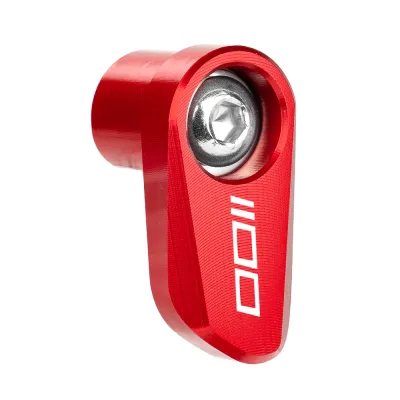
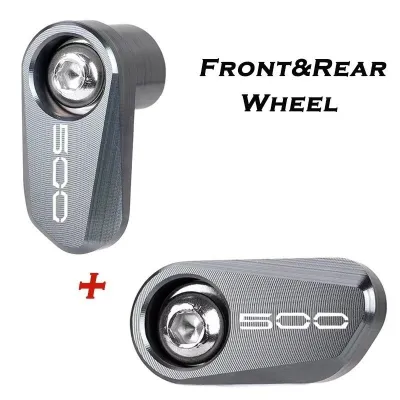
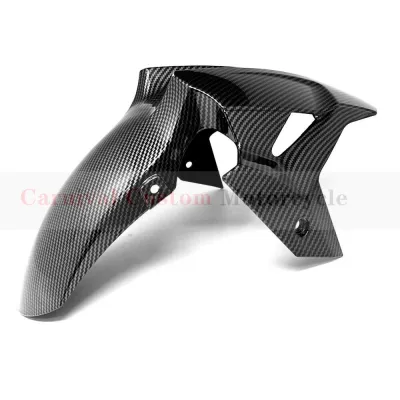
Prices are valid at publication and may change. Please refer to the product page for the latest price.
Once you have located the VIN, confirm the exact model year, engine displacement, and specific sub-model variant of your Ninja. It is common for riders to confuse the registration year with the actual manufacturing model year, which can lead to purchasing parts designed for a different generation. Furthermore, sub-model variations play a massive role in part compatibility. For instance, a Ninja model equipped with an Anti-lock Braking System (ABS) often utilizes different brake lines, speed sensors, and caliper mounting brackets compared to its non-ABS counterpart. Special editions or regional variants may also feature unique suspension components or exhaust routing.
After gathering these details, cross-reference your motorcycle’s identity with the official owner’s manual or the manufacturer’s database. This step allows you to establish the exact original equipment manufacturer (OEM) part numbers for your exhaust, brakes, and drivetrain. When you search for Speedi aftermarket components, having these OEM numbers on hand allows you to perform a direct cross-reference check. This systematic verification ensures that the aftermarket parts you purchase are engineered to match the precise mounting points, clearances, and tolerances of your specific machine.
Selecting Speedi Exhaust Systems for Your Ninja
Upgrading or replacing your exhaust system requires careful consideration of both physical compatibility and local road regulations. You must first decide between a slip-on muffler and a full exhaust system, as each option demands a different level of verification. A slip-on muffler typically replaces only the stock silencer and connects to the existing factory header pipes. For this installation, you must verify the outer diameter of your stock mid-pipe and the exact location of the mounting brackets on the passenger footpeg or frame. Even a minor variance of a few millimeters can prevent a slip-on from sealing correctly, leading to exhaust leaks.

A full exhaust system, on the other hand, replaces the entire tract from the engine’s exhaust ports to the tailpipe. This requires verifying the header pipe diameters, the spacing of the exhaust port studs on the cylinder head, and the clearance around the oil filter, radiator, and lower fairings. Additionally, you must check the size and placement of the oxygen (O2) sensor bungs. Many modern Kawasaki Ninja models utilize O2 sensors to monitor emissions, and if the Speedi exhaust system does not feature a matching bung size or position, you will be unable to reinstall the sensor, resulting in engine warning lights and poor performance.
Beyond physical fitment, you must verify local transport authority regulations regarding noise limits and emissions standards before purchasing an exhaust system. In Singapore, for example, aftermarket exhaust systems must be approved by the Land Transport Authority (LTA) and must carry specific certification markings to be considered road-legal. Installing an uncertified exhaust system can result in heavy fines and mandatory vehicle inspections. Furthermore, changing the exhaust flow characteristics alters engine backpressure. While some slip-on mufflers can be used with stock engine settings, full exhaust systems typically require an Electronic Control Unit (ECU) remap or an external fuel management controller to prevent the engine from running dangerously lean.
Choosing Speedi Brake Pads and Rotors
Braking components are among the most critical safety systems on your motorcycle, meaning there is no room for error when selecting replacement parts. Any modification, replacement, or maintenance work on your motorcycle’s braking system must strictly follow the original-vehicle instructions. Because incorrect installation can lead to sudden brake failure, it is highly recommended to have all braking components installed by a qualified professional mechanic. Before purchasing Speedi brake pads or rotors, you must identify the exact front and rear caliper models installed on your Ninja, including their mounting types—such as radial or axial—and their specific piston configurations.
When selecting brake pads, you must choose a friction compound that matches your typical riding conditions and verify its performance characteristics against the manufacturer’s technical data sheets. Sintered metal pads offer strong initial bite and high-temperature stability, making them popular for spirited riding, but they can cause rapid wear on rotors that are not rated for sintered materials. Organic or semi-metallic pads offer smoother modulation and are gentler on rotors, making them suitable for daily commuting, but they may experience brake fade under extreme heat. Always ensure that the Speedi pad shape matches your caliper’s internal dimensions exactly, as even minor variations can cause the pads to bind or slip out of alignment.
Rotor selection requires equally meticulous verification of physical dimensions. You must measure and confirm the outer diameter, thickness, minimum wear thickness limit, bolt circle diameter (BCD), and the exact number of bolt holes. Never assume that a rotor will fit simply because it is labeled for a “Kawasaki Ninja.” A Ninja 300 uses a completely different rotor setup than a Ninja ZX-6R, and installing a rotor with the incorrect offset or diameter can prevent the caliper from aligning properly, leading to uneven pad wear or complete mechanical lockup. Prioritize matching OEM specifications and consult a qualified technician if you are considering upgrading to a different rotor size or caliper configuration.
Sizing Speedi Chains and Sprockets
The drivetrain of your Kawasaki Ninja is responsible for transferring power from the engine to the rear wheel, making proper chain and sprocket sizing essential for smooth operation and longevity. You must first confirm the required chain pitch for your specific model, which is typically designated by numbers like 520, 525, or 530. The pitch represents the distance between the chain pins, while the second and third digits indicate the width between the inner plates. Installing a chain with the incorrect pitch onto your sprockets will cause immediate wear, severe noise, and a high risk of the chain snapping under acceleration.
In addition to the pitch, you must determine the exact number of chain links required for your swingarm length and sprocket configuration. While you can purchase a longer chain and cut it down to size using a specialized chain breaker tool, purchasing a chain that is too short will make installation impossible. When replacing the chain, it is highly recommended to replace both the front and rear sprockets at the same time. This prevents a worn sprocket from prematurely wearing out your new chain. You must also decide whether to stick with stock sprocket tooth counts or alter them to change your final drive ratio. For example, adding teeth to the rear sprocket increases low-end acceleration but reduces top speed, which can alter your speedometer readings.
Finally, evaluate the trade-offs between different chain sealing technologies based on your maintenance habits and riding environment. Standard unsealed chains require frequent lubrication and adjustment, making them less ideal for daily road use. Sealed chains, such as O-ring and X-ring designs, feature rubber seals that lock grease inside the chain rollers while keeping dirt and water out. X-ring chains generally offer a longer service life and lower friction compared to traditional O-ring chains because the twisted seal design creates less drag while maintaining a highly effective barrier. Choose the seal type that best matches your willingness to perform regular drivetrain maintenance.
Pre-Purchase Compatibility and Safety Checklist
To prevent costly purchasing mistakes and ensure safe operating conditions, you should execute a rigorous pre-purchase checklist before finalizing any order. Start by cross-checking the specific Speedi part numbers against your verified motorcycle specifications, VIN, and chassis code. Many aftermarket manufacturers provide detailed application guides that list compatible model years and sub-models. If a part number does not explicitly list your exact model year and variant, do not assume it will fit; instead, contact the manufacturer or an authorized distributor to verify compatibility.
Next, review the manufacturer’s installation instructions to identify any special tools, torque specifications, or clearance requirements. Replacing a chain requires a high-quality chain rivet tool, while replacing brake rotors requires a calibrated torque wrench to ensure the mounting bolts are tightened to the exact factory specifications. If you do not possess the required tools, mechanical experience, or a clean working environment, you should plan to have the parts installed by a professional mechanic. This is especially critical for braking systems and full exhaust installations, where minor errors can have catastrophic safety consequences or void your motorcycle’s warranty.
Finally, establish clear stop conditions for your project. If you encounter any conflicting specifications during your research, or if a part does not align precisely with its mounting points during a dry fit, halt the installation immediately. Never attempt to force a part to fit by modifying brackets, filing down metal, or using incorrect hardware. If the required torque values are unavailable, or if you notice any clearance issues between the new parts and surrounding components like the swingarm, fairings, or brake lines, stop and consult the manufacturer or a qualified professional before proceeding.
Frequently Asked Questions (FAQ)
Can I use Speedi parts from a different Ninja model year?
Using aftermarket parts designed for a different model year carries significant risks, even if the motorcycles belong to the same generation. Motorcycle manufacturers frequently introduce minor mid-generation updates that alter mounting points, sensor thread pitches, electrical connectors, or braking geometry without changing the overall appearance of the bike. To avoid compatibility issues, you should compare the specific chassis codes and OEM part numbers of both model years rather than relying on general model family names. If the OEM part numbers differ, the aftermarket parts are highly unlikely to fit correctly, and you should consult the parts manufacturer or a certified technician to confirm fitment before attempting installation.
Do I need to tune the ECU after installing an aftermarket exhaust?
Installing an aftermarket exhaust system alters the flow of exhaust gases, which directly impacts engine backpressure and the air-fuel ratio. When backpressure is reduced, the engine typically draws in more air, which can cause the air-fuel mixture to run lean if the fuel delivery is not adjusted. While some slip-on mufflers are designed to operate safely within the stock ECU’s self-adjusting limits, full exhaust systems or setups that remove the catalytic converter almost always require an ECU remap or an external fuel controller to maintain safe operating temperatures and engine performance. You should always check the exhaust manufacturer’s specific recommendations and closely monitor your engine for signs of a lean condition, such as excessive heat, popping on deceleration, or hesitation during acceleration.
Community discussion
Share your experience or ask a question. Comments are reviewed before publication.