
To select the ideal motorcycle tyre pump, you must match the pump’s capabilities to your motorcycle’s specific tire pressure requirements and valve stem design. Most street motorcycles require cold inflation pressures between 28 and 42 PSI, meaning your pump should ideally support a maximum output of at least 60 to 80 PSI to provide comfortable operating headroom. Additionally, you must ensure the pump’s connector matches the standard Schrader valve found on almost all motorcycle rims. Selecting a pump with these correct specifications ensures efficient inflation, prevents equipment strain, and keeps your tires at their optimal operating pressures for road safety.
Decoding Your Motorcycle Tire's PSI Requirements
To find the correct inflation pressure for your motorcycle, always refer to the manufacturer’s recommended cold tire pressure. This specification is typically located in your owner’s manual or on a chassis placard, which is commonly stuck to the swingarm, chain guard, or inside the glove compartment. Always consult your motorcycle’s original-vehicle documentation for exact inflation specifications, and seek assistance from a qualified technician if you suspect tire damage or require professional tire installation.
It is crucial not to confuse the manufacturer’s recommended cold pressure with the maximum pressure molded onto the tire’s sidewall. The sidewall rating indicates the absolute maximum pressure the tire can safely hold under maximum load, not the pressure you should use for daily riding. Operating your tires at the maximum sidewall pressure can lead to a harsh ride, reduced traction, and uneven tire wear.
Products mentioned in this guide
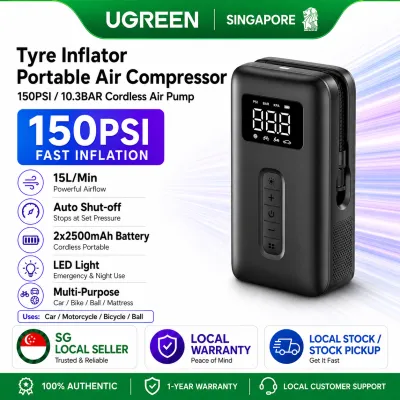

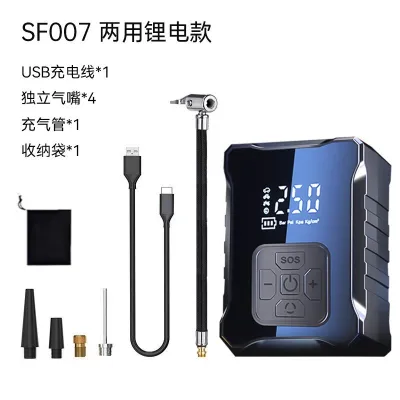
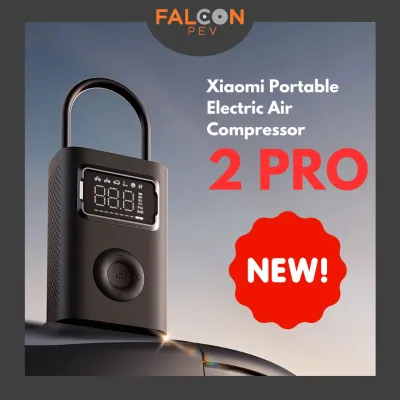
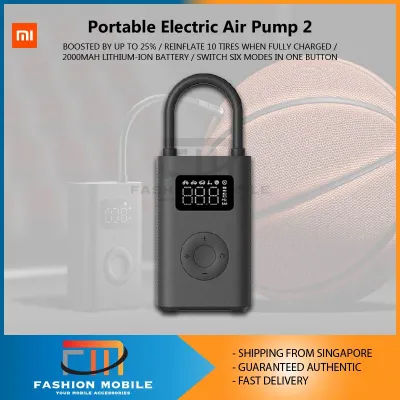
![[2025] Xiaomi Pump 2 MiJia Portable Handheld Electronic Air inflator/Pump Suitable For Car Motorcycle EBike Scooter Instock](https://img.lazcdn.com/g/p/3e082dd3fde1bc260eb18bfa0cd19ce7.jpg_400x400q80.jpg_.webp)
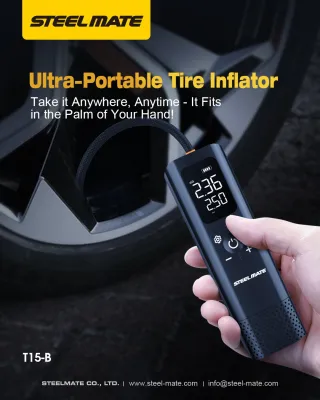
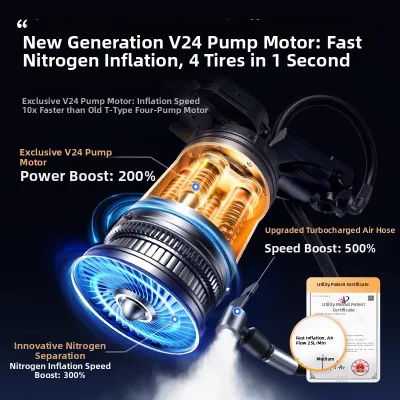
Prices are valid at publication and may change. Please refer to the product page for the latest price.
When selecting a motorcycle tyre pump, ensure its maximum pressure rating comfortably exceeds your tire’s maximum sidewall pressure. If your tire requires 42 PSI and your pump is only rated to 40 or 42 PSI, the pump will have to work at its absolute limit. This causes the pump to run hot, slow down significantly, and potentially fail prematurely. A pump rated for 80 to 100 PSI provides the necessary headroom to inflate your tires quickly and efficiently without straining the motor or manual mechanism.
Keep in mind that your actual pressure needs will fluctuate based on riding conditions. Carrying a pillion passenger, loading heavy touring luggage, or riding at sustained high speeds generally requires adjusting your tire pressures toward the upper limit of the manufacturer’s recommended range. Having a pump with a flexible and higher PSI range allows you to make these precise adjustments easily before you set off.
Identifying the Correct Valve Connector Type
Before purchasing a pump, you must verify that its chuck, or connector, is compatible with your tire’s valve stem. The vast majority of motorcycles utilize Schrader valves, which are the same wide, threaded valves used on passenger cars. However, some specialized, lightweight, or aftermarket rims—particularly on off-road or vintage motorcycles—might feature Presta valves, which are narrower and require a different attachment mechanism.

When evaluating a motorcycle tyre pump, check the design of its chuck. A high-quality pump should feature a secure locking mechanism, such as a thumb-lock lever or a threaded screw-on connector, to establish an airtight seal. A loose or poorly fitting chuck will allow air to escape during connection and disconnection, making it difficult to achieve an accurate pressure reading. If your household has a mix of vehicles using different valve types, look for a pump that includes interchangeable brass adapters.
Another highly valuable feature on a pump chuck is an integrated bleed valve or pressure release button. When inflating tires, it is easy to accidentally overshoot your target pressure. A bleed valve allows you to release small increments of air while the pump remains connected to the valve stem, saving you the hassle of repeatedly removing and reattaching the chuck to check the pressure.
Choosing the Right Pump Format for Your Riding Style
The right pump format depends heavily on where and how you plan to maintain your tires. For home garage maintenance, a manual floor pump is an excellent, highly reliable choice. Floor pumps do not require electrical power or batteries, feature large, easy-to-read gauges, and allow you to inflate tires quickly using your body weight. However, their bulky size makes them impractical for carrying on a ride.
If you need a solution for roadside emergencies or long-distance touring, portable electric inflators or compact hand pumps are more suitable. Portable electric pumps run on rechargeable lithium-ion batteries or plug directly into your motorcycle’s 12V accessory socket. When choosing a battery-powered inflator, verify its battery capacity and power draw to ensure it can complete multiple top-ups on a single charge. Look for models with an automatic shutoff feature, which stops the pump automatically once your pre-set target pressure is reached.
Additionally, pay close attention to the length and flexibility of the pump’s hose. Motorcycle wheels often have limited clearance due to large brake discs, sprockets, and drive chains. A flexible, sufficiently long hose allows you to connect the pump securely to the valve stem without having to roll the motorcycle back and forth to position the valve at the bottom of the wheel rotation.
Verifying Gauge Accuracy and Safety Features
An inaccurate pressure gauge can lead to under-inflation or over-inflation, both of which compromise your motorcycle’s handling and safety. When choosing a pump, compare the benefits of analog and digital gauges. Digital gauges generally offer higher precision, displaying readings in clear, 0.5 PSI increments, and often feature backlighting for nighttime use. However, they rely on batteries that can drain over time. Analog dial gauges are highly durable and battery-free, but you must ensure the dial is large enough to read clearly at your specific target pressure range.
Ensure the gauge displays your preferred measurement units, whether that is PSI, Bar, or kPa. Having to perform mental conversions while inflating your tires increases the risk of calculation errors. Most modern digital pumps allow you to toggle between these units at the press of a button, which is highly convenient if your owner’s manual uses a different unit than your tire sidewall.
Finally, inspect the overall build quality of the pump’s components. Look for heavy-duty materials such as braided rubber or steel-reinforced hoses, metal chucks, and robust casings. High-pressure inflation generates significant heat, especially near the hose connection point. Durable materials prevent the hose from softening or leaking under pressure, ensuring your pump remains a reliable safety tool for years to come.
Frequently Asked Questions (FAQ)
Can I use a standard car tire pump on a motorcycle?
Yes, you can use a standard car tire pump because both vehicles typically use Schrader valves. However, car pumps are designed to move a larger volume of air, and their built-in gauges may not be calibrated for the high precision needed at lower motorcycle pressures. Always use a dedicated, high-quality tire pressure gauge to verify the final pressure of your motorcycle tires.
What happens if my pump's maximum PSI is lower than my tire's requirement?
If your pump’s maximum PSI rating is lower than or equal to your tire’s required pressure, the pump will struggle to push air into the tire. The motor or manual piston will experience extreme resistance, leading to overheating, rapid wear, or complete mechanical failure. This leaves your tires under-inflated, which severely degrades handling, increases braking distances, and risks tire damage.
Do tubeless motorcycle tires require a different pump or adapter?
For routine pressure maintenance and top-ups, tubeless motorcycle tires use standard Schrader valves and do not require any special pumps or adapters. However, if you are mounting a new tubeless tire and need to seat the tire bead against the rim, a standard portable pump will not suffice. Seating a bead requires a high-volume, high-pressure burst of air from a workshop air compressor; once seated, you can maintain the pressure with any standard motorcycle pump.
Community discussion
Share your experience or ask a question. Comments are reviewed before publication.