
Matching the right microfiber cloth to each car detailing task is the secret to achieving a flawless, scratch-free finish. Microfiber is not a one-size-fits-all tool; using the wrong weave or weight can lead to permanent swirl marks on your paint, lint-covered glass, or scratched interior screens. By understanding how different cloth types interact with various surfaces, you can optimize your car care routine and protect your vehicle’s value.
To get the best results, you must evaluate two primary specifications: weight (measured in grams per square meter, or GSM) and weave style. Selecting the correct combination ensures that your cleaning products perform as intended while minimizing physical friction on delicate clear coats.
Understanding Microfiber Weaves and GSM for Car Care
Grams per square meter (GSM) is the standard industry measurement for microfiber density and thickness. A lower GSM number indicates a thinner, lighter cloth, while a higher GSM indicates a thicker, heavier, and more absorbent towel. Understanding this rating helps you quickly determine whether a cloth is built for delicate polishing or heavy-duty scrubbing.
Products mentioned in this guide
![[SG] Microfiber Cleaning Cloth ✨ Home Cloth Car Cloth Carwash Cleaning Cloth Washing](https://img.lazcdn.com/g/p/ffe687ddef7e3bd8839d43c8eeecd032.jpg_400x400q80.jpg_.webp)
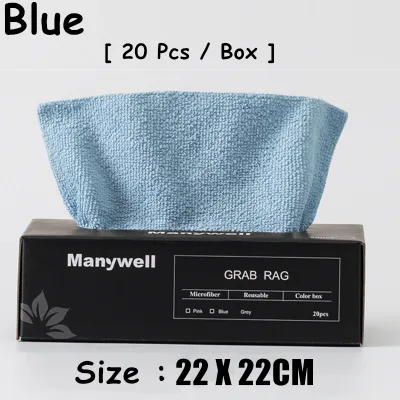
Prices are valid at publication and may change. Please refer to the product page for the latest price.
The weave of a microfiber cloth determines how its individual fibers are arranged and how they interact with dirt and liquids. Different weaves serve distinct purposes:
- Terry Weave: This is the traditional microfiber design featuring closed loops. It offers excellent general-purpose cleaning utility, making it ideal for wiping down durable surfaces.
- Plush Weave: Featuring long, open-ended loops, plush towels are incredibly soft and gentle. They are designed to lift dust and debris away from delicate surfaces, trapping particles deep within the pile.
- Waffle Weave: This cloth has a distinct cross-hatched, dimpled pattern that resembles a kitchen waffle. It is engineered to absorb large amounts of liquid quickly and glide smoothly over glass without leaving streaks.
- Edgeless: These towels are cut using lasers or ultrasonic waves, leaving them completely free of stitched borders. This design eliminates the risk of hard polyester threads scratching sensitive clear coats.
Always check the manufacturer’s tag or packaging for the material blend, which is typically expressed as a ratio of polyester to polyamide. A higher polyamide content generally yields a softer, more absorbent towel. Be sure to follow any specific usage limits or care instructions provided by the manufacturer to maintain the cloth’s integrity.
Choosing Cloths and Towels for Exterior Paint, Polishing, and Waxing
Your vehicle’s exterior clear coat is highly sensitive to friction and can easily develop fine scratches, commonly known as swirl marks. When buffing off wax, applying paint sealants, or using quick detailer sprays, you should always reach for plush, high-GSM towels. These towels provide a thick cushion of fibers that safely lifts residue away from the paint rather than dragging it across the surface.

Edgeless or silk-banded cloths are highly recommended for any direct paintwork. Standard utility towels often feature rough polyester stitched edges that can easily scratch soft clear coats during buffing. By using laser-cut edgeless towels or those finished with soft silk borders, you eliminate this common source of paint damage.
Before any cloth touches your paint, perform a quick physical inspection. Shake the towel out thoroughly and run your fingers through the fibers to check for any trapped debris, such as small twigs, dried wax, or grit. Even a tiny particle embedded in the fibers can act like sandpaper when pressed against your car’s paint.
If you accidentally drop a microfiber towel onto the ground during a detailing session, stop using it immediately on the paint. In outdoor environments or open garage spaces, a dropped towel will instantly pick up microscopic stones and dirt from the ground. Set the dropped towel aside in a designated bin to be washed, and grab a fresh, clean cloth to continue your work.
Selecting Towels for Glass, Interior Surfaces, and Wheels
Cleaning automotive glass requires a specialized approach to avoid leaving behind distracting streaks or fine lint. Standard plush towels tend to shed tiny fibers that become highly visible when driving into direct sunlight. For crystal-clear windows and mirrors, use a tight waffle-weave cloth or a dedicated flat-weave glass towel paired with a high-quality glass cleaner.
For interior surfaces, such as dashboards, leather seats, and modern infotainment screens, opt for soft, medium-GSM cloths. Infotainment screens and glossy piano-black trim are exceptionally prone to scratching, so treat them with the same care as your exterior paint. Avoid using stiff utility towels that can snag on leather stitching or leave fine scratches on delicate plastic lenses.
It is critical to separate your wheel and engine bay cleaning cloths from those used on your paint and interior. Wheels and tires accumulate highly abrasive brake dust, road grime, and iron particles. If you use the same towel on your dashboard or exterior paint, you risk transferring these harsh contaminants, leading to permanent scratching and staining.
Drying Towels and Heavy-Duty Decontamination
Drying your vehicle quickly and safely after a wash requires a towel with exceptional water capacity. Twisted-loop microfiber drying towels are highly effective for this task. The unique twisted fibers expose more surface area to the water, allowing the towel to glide effortlessly over wet paintwork and absorb large volumes of water without becoming saturated too quickly.
For heavy-duty decontamination tasks, such as cleaning greasy door jambs, wiping down engine bays, or applying tire dressings, rely on older, worn-out microfiber towels or lower-cost utility terry cloths. These areas contain heavy grease, road tar, and chemical residues that will permanently stain and degrade high-quality paint towels.
To keep your collection organized and prevent accidental damage, implement a strict color-coding system. For example, reserve blue towels exclusively for glass, yellow for exterior paint, green for interior surfaces, and black or grey for wheels and engine bays. This simple visual system prevents accidental cross-contamination during busy detailing sessions.
Washing and Maintaining Your Microfiber Collection
Proper maintenance is crucial to preserve the soft, static-charge properties of microfiber. Always wash your detailing cloths separately from regular household laundry to prevent cotton lint from transferring onto the microfiber. Group your cloths by task during the wash—do not wash greasy wheel towels with delicate paint-buffing cloths.
Use a dedicated microfiber wash solution or a mild, liquid detergent free of perfumes and dyes. Never use fabric softeners or bleach. Fabric softeners coat the microscopic fibers with a chemical layer that clogs the material, completely destroying its absorbency and static dust-attraction capabilities.
Dry your towels carefully to avoid melting the synthetic fibers. Microfiber is made of polyester and polyamide, which are highly sensitive to heat. Air drying in a clean, dust-free indoor space is the safest method. If you use a dryer, select a low-heat or no-heat air-fluff cycle to keep the fibers soft and pliable.
Regularly audit your collection and retire damaged cloths. If a towel becomes stiff, loses its absorbency, or has embedded grit that cannot be washed out, immediately downgrade it to dirty utility tasks like wiping down suspension components or engine bays. If it is severely frayed or contaminated with metal shavings, discard it entirely to protect your vehicle.
Frequently Asked Questions (FAQ)
Can I use the same microfiber towel for my car's interior and exterior paint?
It is highly recommended to use separate towels for your car’s interior and exterior paint. Interior cleaners, leather conditioners, and vinyl protectants often contain silicone or oils that can cause severe streaking and smearing if transferred to exterior clear coats or glass. Additionally, exterior paint towels may carry microscopic grit or wax residues that can stain delicate interior fabrics, leather, or soft-touch plastics. Keeping these tasks separated by color-coded towels ensures both surfaces remain clean and undamaged.
How do I know if a microfiber cloth is no longer safe for car paint?
You can determine if a microfiber cloth is unsafe for paint through a few simple physical checks. Feel the texture of the towel; if it feels stiff, rough, or crunchy rather than soft and plush, the fibers have likely melted from high heat or are clogged with dried product. Inspect the cloth closely under bright light for any embedded debris, such as tiny twigs, dried leaves, or metallic grit, which washing failed to remove. Finally, check for frayed edges or loose stitching that could scratch the clear coat. If a towel fails any of these checks, downgrade it to wheel or engine bay cleaning.
Community discussion
Share your experience or ask a question. Comments are reviewed before publication.