
Upgrading a car audio system is a highly rewarding project, but achieving a balanced, high-fidelity soundstage requires more than simply buying the loudest components available. To build a cohesive system, you must carefully match your car speakers and subwoofers so they work together without frequency gaps or overwhelming bass. When these components are mismatched, you risk creating a muddy soundscape where deep bass notes either drown out vocals or disappear entirely. A successful integration relies on matching continuous power ratings, selecting complementary driver sizes, planning safe amplification, and tuning crossover filters correctly.
Before purchasing any new audio equipment, always consult your vehicle’s original documentation to verify mounting clearances, factory wiring interfaces, and electrical system limits. Because aftermarket audio upgrades involve working with your vehicle’s electrical system and removing interior panels, understanding the safety boundaries of automotive electrical work is essential. If you are uncomfortable routing high-current power cables or modifying factory wiring harnesses, seeking qualified professional installation is the safest way to protect your vehicle and ensure road legality.
Identify Core Specifications for Safe Compatibility
To build a safe and balanced system, you must first understand continuous RMS (Root Mean Square) power handling. Unlike peak or maximum power ratings—which are marketing figures representing what a component can handle for a fraction of a second—RMS measures the continuous power a speaker or subwoofer can safely manage over long periods. When matching components, always pair your amplifier’s continuous RMS output with the RMS power handling of your speakers and subwoofers to prevent thermal damage or underpowering.
Products mentioned in this guide
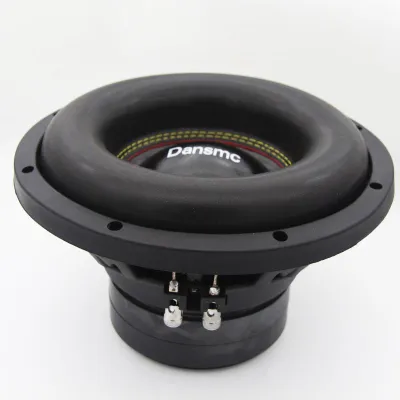
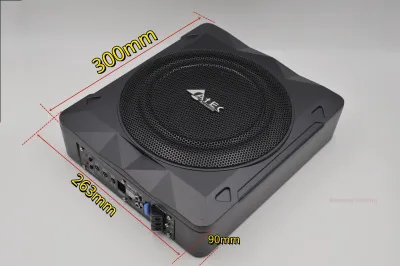

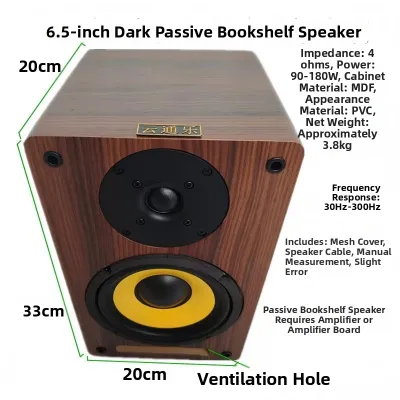
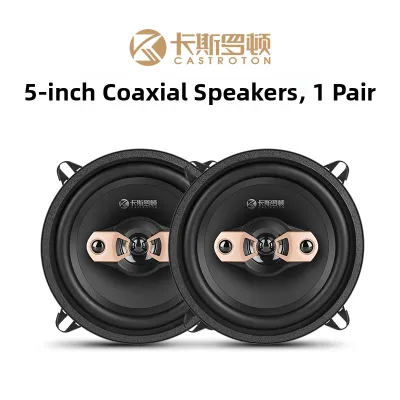
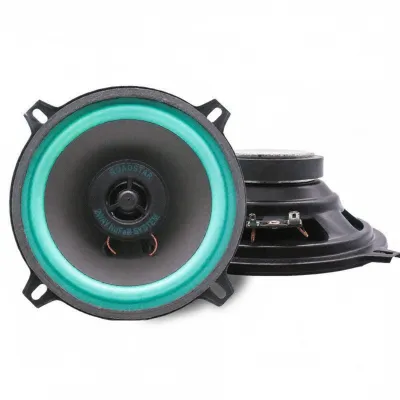
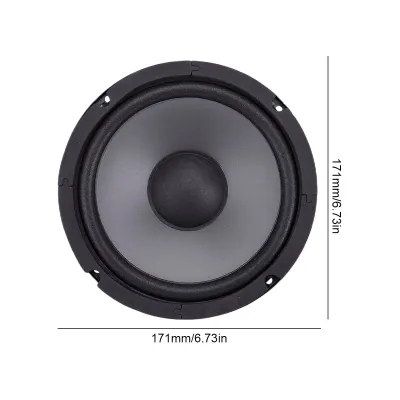
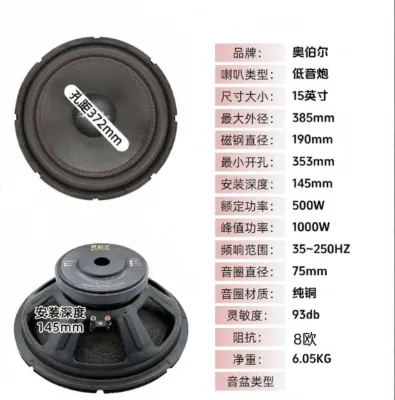
Prices are valid at publication and may change. Please refer to the product page for the latest price.
Impedance, measured in ohms, is another critical factor that dictates how much electrical resistance a speaker presents to an amplifier. Most car speakers operate at 4 ohms, while subwoofers are commonly available in 2-ohm, 4-ohm, or dual-voice-coil configurations. Understanding how parallel or series wiring affects the final impedance load is essential; for instance, wiring two 4-ohm subwoofers in parallel drops the load to 2 ohms, which your amplifier must be rated to handle safely.
Sensitivity ratings, expressed in decibels (dB) at one watt of power measured at a distance of one meter, indicate how efficiently a speaker converts electrical energy into acoustic volume. A speaker with a high sensitivity rating (such as 90 dB or higher) requires less amplifier power to reach a specific volume than a speaker with a lower rating. Matching the sensitivity profiles of your car speakers and subwoofers helps ensure that one component does not naturally dominate the soundscape at a given volume level.
Select a Subwoofer That Complements Your Speakers
Selecting the right subwoofer requires balancing your acoustic goals with the physical realities of your vehicle. The size of the subwoofer driver should complement both the cabin volume of your car and the output capabilities of your door speakers. In compact vehicles common in urban environments like Singapore, an 8-inch or 10-inch subwoofer is often sufficient to deliver tight, punchy bass without overwhelming the mid-bass produced by your door speakers. Larger vehicles like SUVs may require a 12-inch driver to adequately pressurize the larger cabin volume.

The enclosure type plays a pivotal role in shaping the subwoofer’s performance and determining how much space it occupies. Sealed enclosures are compact and airtight, offering highly accurate, tight bass response that is ideal for critical listening and space-saving installations. Ported enclosures use a tuned vent to boost low-frequency output, providing louder, deeper bass at the expense of a larger physical footprint in your boot.
Before purchasing any subwoofer, you must verify the physical mounting depth, clearance, and cargo space requirements. Measure your boot or under-seat storage areas carefully to ensure the enclosure fits securely without blocking access to spare tires or utility compartments. For drivers who cannot afford to lose cargo space, shallow-mount subwoofers or custom-molded enclosures designed for specific vehicle recesses offer an excellent compromise.
Plan Amplification and Safe Wiring Configurations
Driving both your main speakers and a subwoofer requires a well-planned amplification strategy to ensure clean, undistorted sound. You can calculate your total RMS power requirements by summing the continuous power needs of all components. A common configuration involves using a multi-channel amplifier (such as a 4-channel unit) to power the front and rear door speakers, paired with a dedicated monoblock amplifier to drive the subwoofer.
High-performance audio systems place a significant demand on your vehicle’s electrical system. Before installing high-power amplifiers, assess your alternator’s output and battery capacity to ensure they can handle the additional current draw. If your headlights dim when the bass hits, it is a clear sign that your electrical system is struggling, which may require upgrading your battery or installing a high-output alternator.
Safety must be your top priority when routing power through your vehicle. Always select the correct wiring gauge (such as 4-gauge or 1/0-gauge oxygen-free copper wire) based on the total current draw of your amplifiers. Additionally, install an appropriate in-line fuse on the main power cable within 18 inches of the battery terminal to protect your vehicle from electrical shorts and potential fire hazards. For any complex electrical work, consult your vehicle’s service manual or seek professional installation.
Tune Crossovers for a Seamless Frequency Blend
Once your hardware is installed, tuning the frequency crossovers is the key to achieving a seamless blend between your car speakers and subwoofers. The High-Pass Filter (HPF) on your door speakers should be set to block low-frequency bass notes that these smaller drivers cannot reproduce efficiently. Setting the HPF typically between 80 Hz and 100 Hz prevents distortion and physical damage to your door speakers, allowing them to focus on clear mid-range and high frequencies.
Conversely, the Low-Pass Filter (LPF) on your subwoofer amplifier must be adjusted to limit the high-frequency sounds reaching the subwoofer. Setting the LPF to match the HPF setting of your main speakers—usually around 80 Hz—creates a smooth transition where the subwoofer handles the deep bass and the door speakers take over seamlessly. This prevents muddy overlap where both components try to play the same frequencies.
Acoustic cancellation can occur if the sound waves from your subwoofer and door speakers arrive at your ears out of phase, resulting in weak or hollow bass. Utilizing the phase control switch (0 or 180 degrees) on your amplifier can resolve this issue by aligning the physical movement of the subwoofer cone with your main speakers. Experimenting with subwoofer placement and orientation within the boot can also dramatically improve the overall sound staging and bass impact.
Avoid Common Pairing and Installation Mistakes
One of the most common mistakes in car audio upgrades is pairing a massive, high-output subwoofer with weak, underpowered door speakers. This imbalance results in a muddy soundstage where the bass completely drowns out vocals and instrumentals, defeating the purpose of a high-quality upgrade. Always aim for proportional power and output capabilities across all channels.
Another critical error is ignoring impedance stability ratings, which can lead to amplifier overheating, thermal shutdown, or permanent damage. Never wire your subwoofers in a configuration that drops the impedance below the amplifier’s minimum rated limit (such as wiring a 1-ohm load to an amplifier that is only stable down to 2 ohms). Always verify the wiring diagram and amplifier specifications before powering on the system.
Finally, avoid relying on peak or maximum power ratings printed on product packaging when designing your system. These inflated numbers do not reflect real-world performance and can lead to mismatched components that fail under continuous use. Base all your calculations, wire gauge selections, and fuse ratings strictly on continuous RMS power specifications.
Frequently Asked Questions (FAQ)
Can I add a subwoofer to my factory car speakers?
Yes, you can integrate an aftermarket subwoofer with your factory car speakers, but you will need specific hardware to bridge the connection. Since most factory head units lack dedicated RCA pre-outs, you must use a Line Output Converter (LOC) or an amplifier with high-level (speaker-level) inputs to tap into the existing factory speaker wires. It is also important to check the factory system’s frequency response, as some modern OEM systems automatically roll off the bass at higher volumes to protect cheap factory speakers, which may require a specialized bass restoration processor.
Do I need a separate amplifier for the subwoofer?
Yes, a dedicated amplifier is highly recommended for driving a subwoofer effectively. Standard car stereos and factory head units typically output only 10 to 20 watts RMS per channel, which is far too low to move the heavy cone of a subwoofer. Using a dedicated monoblock (Class D) amplifier provides the high RMS power required for low-frequency reproduction while operating with high thermal efficiency, ensuring your vehicle’s electrical system is not unnecessarily strained.
Community discussion
Share your experience or ask a question. Comments are reviewed before publication.