
Maintaining correct tire pressure is fundamental to road safety, vehicle handling, and fuel efficiency. When searching for an air compressor portable enough to store in your vehicle, it is easy to assume that any generic pump will suffice for all tire types. However, using an underpowered inflator on a large SUV tire can lead to motor burnout, while using an heavy-duty unit on a delicate bicycle tire risks overinflation and damage. Finding the ideal match requires understanding how your specific vehicle type dictates the technical demands of the compressor.
Selecting the right tool involves balancing inflation speed, pressure limits, power delivery, and storage constraints. In Singapore, where drivers frequently navigate tight multi-storey carparks and experience tropical heat that causes tire pressures to fluctuate, having a reliable personal inflator is highly practical. By matching your vehicle’s specifications to the correct compressor capabilities, you ensure that roadside top-ups are safe, efficient, and stress-free.
Why Tire Volume and Pressure Dictate Your Compressor Choice
To choose the right portable air compressor, you must first understand the relationship between tire volume and target pressure. Tire volume refers to the actual amount of space inside the tire that must be filled with air, which dictates the required airflow rate of the compressor—measured in Litres Per Minute (LPM) or Cubic Feet per Minute (CFM). Target pressure, measured in pounds per square inch (PSI) or bar, is the structural force required to support the vehicle’s weight. These two factors operate on an inverse scale across different vehicle classes.
Products mentioned in this guide
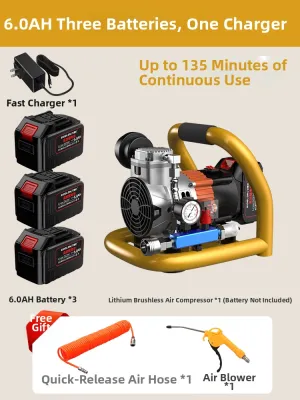
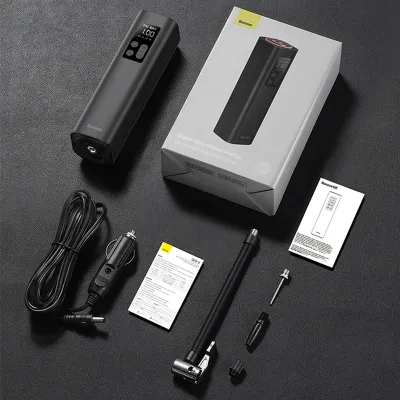
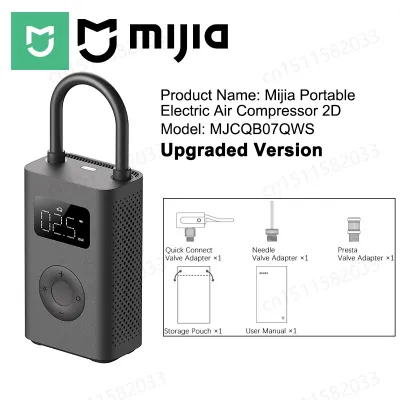
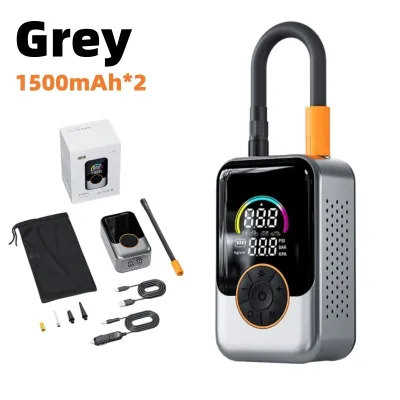
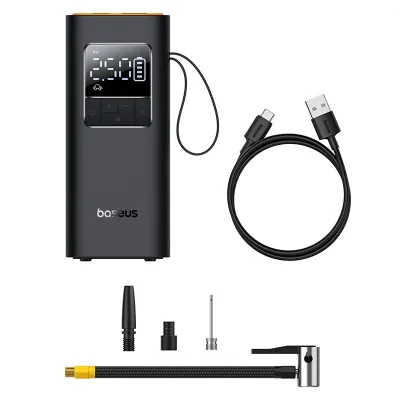
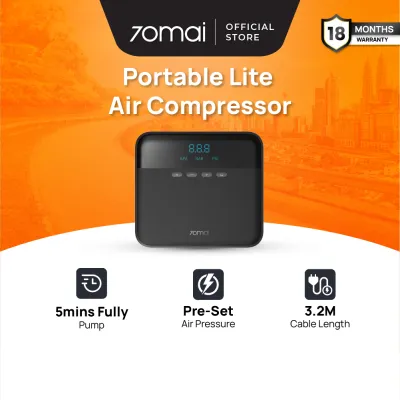
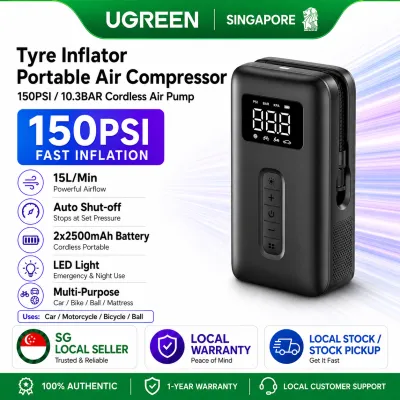
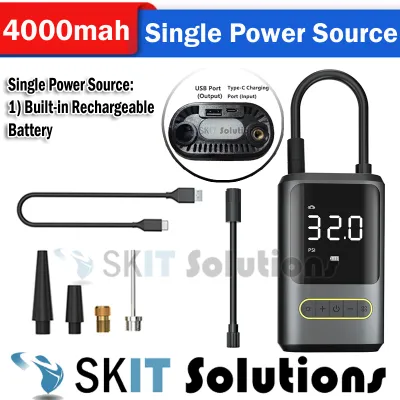
Prices are valid at publication and may change. Please refer to the product page for the latest price.
For example, a large SUV tire holds a massive volume of air but operates at a relatively moderate pressure, typically between 30 and 35 PSI. To inflate this tire efficiently, a compressor needs a high airflow rate (LPM) to fill the large cavity quickly. Conversely, a road bicycle tire holds an incredibly small volume of air but requires extremely high pressure, often between 80 and 120 PSI. For a bicycle, the compressor does not need high airflow, but its motor and seals must be strong enough to push against high resistance without failing.
Before purchasing or operating any inflation equipment, always verify your vehicle’s recommended cold tire pressure. This information is located on the tire placard—usually found on the driver’s side B-pillar (door frame), inside the fuel filler flap, or in the vehicle’s owner’s manual. Never use the maximum pressure molded onto the tire sidewall; this figure represents the absolute structural limit of the tire under maximum load, not the safe operating pressure specified by your vehicle manufacturer.
Choosing the Right Portable Air Compressor by Vehicle Type
Cars and Sedans: Balancing Speed and Convenience
Standard passenger cars and sedans require a balanced approach to tire maintenance. These tires hold a moderate volume of air and typically require pressures between 30 and 36 PSI. For these vehicles, a compact, single-cylinder 12V DC compressor is the most practical choice. It easily plugs into the vehicle’s 12V cigarette lighter socket, drawing power directly from the car’s electrical system without risk of running out of battery mid-inflation.

When choosing a model for a sedan, ensure the power cord and air hose have a combined length of at least 3.5 meters. This length ensures you can comfortably reach all four wheels from the cabin’s power outlet without stretching the cables. Look for units equipped with digital pressure gauges and an automatic shutoff feature. This safety mechanism allows you to set the target PSI beforehand; the compressor will automatically stop pumping once the pressure is reached, preventing accidental overinflation.
Because sedans have dedicated boot space, a small, square-shaped compressor that fits neatly inside the spare wheel well is ideal. A unit with an airflow rate of 25 to 35 LPM can top up a standard car tire from 25 to 32 PSI in under two minutes, making it an efficient tool for routine monthly checks or unexpected punctures.
SUVs and Light Trucks: Prioritizing Airflow and Duty Cycle
Large SUVs and light commercial vehicles present a much greater challenge for portable inflators. A typical SUV tire (such as a 265/60R18) contains up to three times the air volume of a standard sedan tire. If you attempt to use a low-output passenger car compressor on an SUV tire, the unit will have to run continuously for 15 to 20 minutes just to fill a single tire, causing extreme heat buildup and potential motor failure.
For these larger vehicles, prioritize a compressor with a high airflow rate of at least 45 to 60 LPM and a robust duty cycle. Because high-output compressors draw significant electrical current, they often exceed the 10-amp or 15-amp fuses found in standard dashboard cigarette lighter sockets. To prevent blowing your vehicle’s fuses, look for heavy-duty compressors that connect directly to the vehicle’s 12V battery terminals using heavy-duty alligator clamps.
Additionally, ensure the compressor features built-in thermal overload protection. This safety feature automatically shuts down the motor if it begins to overheat, protecting your investment. A dual-cylinder portable compressor is highly recommended for SUVs, as it delivers the necessary volume quickly while operating at a lower, safer temperature.
Motorcycles and Scooters: Compactness and Valve Access
Motorcycle and scooter riders face severe space constraints, meaning extreme portability is the primary consideration. Because two-wheelers lack large boots or storage compartments, the compressor must be small enough to fit under the seat, inside a tank bag, or within a side pannier. For this reason, cordless, rechargeable lithium-ion battery-powered mini compressors are highly favored.
Motorcycle tires are highly sensitive to pressure changes; even a variance of 2 PSI can noticeably degrade handling, cornering stability, and wet-weather traction. Therefore, the compressor must feature a highly accurate, calibrated digital gauge. Avoid cheap analog gauges, which can easily misread pressures by 3 to 5 PSI.
Another critical factor is valve stem access. Motorcycle wheels are crowded with brake rotors, large hubs, and drive chains, making it difficult to attach a standard straight compressor chuck. Look for a portable compressor that features a highly flexible rubber hose and a 90-degree angled chuck or a secure screw-on valve connector. This allows you to achieve an airtight seal in tight spaces without bending or damaging the tire’s valve stem.
Bicycles: High Pressure, Low Volume, and Valve Adapters
Bicycle tires span a wide spectrum of inflation needs, from high-volume, low-pressure mountain bike tires (20 to 35 PSI) to low-volume, high-pressure road bike tires (80 to 120 PSI). To handle these demands, a portable compressor must be capable of reaching high pressures without stalling. Many cheap car compressors are physically incapable of pushing air past 80 PSI, making them useless for road cycling.
Valve compatibility is another essential consideration. While cars, motorcycles, and mountain bikes use standard Schrader valves, most performance bicycles use narrower Presta valves. When selecting a compressor for bicycle use, ensure it features a dual-purpose chuck or includes a high-quality, threaded brass Presta adapter. Loose-fitting slide-on adapters often leak air at high pressures, preventing the tire from reaching its target PSI.
For cyclists, a pocket-sized, rechargeable lithium-ion air pump is the ultimate solution. These units weigh very little, can be recharged via standard USB ports, and do not rely on an external 12V car power source. This makes them perfect for carrying in a jersey pocket or mounting directly to the bicycle frame for emergency repairs on the road or trail.
Essential Specifications to Verify Before Purchasing
When evaluating different portable air compressors, look past marketing buzzwords and focus on verified technical specifications. Understanding these metrics will help you avoid underpowered or unsafe tools.
- Power Source Options:
- 12V DC (Car Plug): Draws continuous power from your vehicle. Highly reliable for emergency roadside use, but requires the vehicle's engine to be running to avoid draining the car battery.
- Rechargeable Lithium-Ion Battery: Offers maximum portability and cordless convenience. However, lithium batteries naturally discharge over time and can degrade if left in a hot car boot under direct sunlight. Regular charging maintenance is required.
- AC/DC Dual Power: These versatile units can plug into a standard household wall outlet (230V AC in Singapore) or a 12V DC car socket. They are excellent for home garage maintenance but are generally larger and more expensive, typically ranging from S$80 to S$180.
- Max PSI vs. Working PSI: Many manufacturers advertise a maximum pressure of "150 PSI" to make their products seem powerful. However, this is often a static rating with zero airflow. Always look for the "working pressure" specification, which indicates the maximum pressure the compressor can comfortably sustain while actively pumping air.
- Duty Cycle: This specification represents the percentage of time a compressor can operate within a given period before it must be switched off to cool down. For example, a compressor with a 30% duty cycle at 10 minutes can run continuously for 3 minutes but must then rest for 7 minutes. Attempting to run a low-duty-cycle pump continuously to fill multiple large tires will lead to permanent motor damage.
- Gauge Accuracy: Look for compressors with digital gauges that are certified to international accuracy standards (such as ANSI B40.1). A precise gauge ensures you do not overinflate your tires, which can cause a harsh ride and accelerated center-tread wear, or underinflate them, which increases rolling resistance and heat buildup.
Evaluating Cross-Vehicle Compatibility: Do You Need Multiple Pumps?
If your household manages a mix of vehicles—such as an SUV, a family sedan, and several bicycles—you may wonder if a single “universal” compressor can handle everything. While some high-end hybrid compressors exist, attempting a one-size-fits-all approach usually involves significant trade-offs.
A heavy-duty, high-volume SUV compressor is highly efficient for cars, but it is far too bulky to carry on a bicycle ride. Furthermore, these large units require a 12V car battery connection, making them useless if you need to inflate a bicycle tire inside your home or on a remote cycling path. Conversely, a pocket-sized cordless bicycle pump will quickly overheat and run out of battery power if you attempt to inflate four large SUV tires from scratch.
To help you decide on the best setup for your household, consider the following decision matrix:
| Household Fleet | Recommended Setup | Key Reasons |
|---|---|---|
| Cars & SUVs only | High-output 12V DC compressor (with direct-to-battery clamps) | High airflow handles large volumes; car battery provides endless power. |
| Cars, Motorcycles & Bicycles | Cordless rechargeable lithium-ion mini pump + Compact 12V DC pump | Cordless handles bikes/motorcycles anywhere; 12V handles cars without battery-drain anxiety. |
| Bicycles only | Ultra-compact rechargeable lithium-ion pump (with Presta adapter) | Lightweight, high-pressure capability, fits in a saddlebag. |
For most multi-vehicle households, a two-pump strategy is the safest and most efficient route. Keeping a dedicated, compact 12V corded compressor in your car’s boot ensures you are always prepared for roadside emergencies, while a small cordless rechargeable pump kept at home handles bicycles, sports equipment, and motorcycles.
Safe Inflation Practices and Tool Maintenance
To ensure both your safety and the longevity of your equipment, always follow proper inflation practices and maintenance routines.
First, always check and adjust your tire pressure when the tires are cold. Tires are considered cold when the vehicle has been parked for at least three hours or driven less than 3 kilometers at moderate speed. Driving generates friction and heat, which expands the air inside the tire and temporarily raises the pressure reading. Adjusting your pressure when the tires are hot can lead to dangerous underinflation once they cool down.
Second, always consult your vehicle’s owner’s manual and the air compressor’s instruction manual before use. If you notice any signs of tire damage—such as sidewall bulging, deep cracks, or exposed steel cords—do not attempt to inflate the tire. Instead, consult a qualified tire professional immediately, as inflating a structurally compromised tire can lead to a dangerous blowout.
Finally, maintain your portable air compressor by keeping its air intake filter clean and free of dust. Store the compressor in a cool, dry environment inside a protective carrying case. In Singapore’s highly humid climate, moisture can cause internal electrical corrosion and degrade rubber seals. Periodically inspect the power cables and air hoses for any signs of cracking, fraying, or wear, and replace any damaged components immediately to ensure safe operation.
Community discussion
Share your experience or ask a question. Comments are reviewed before publication.