
Achieving a cohesive car interior relies on aligning the material, color, and stitching details between your steering wheel cover and your handbrake cover. Rather than treating these accessories as isolated purchases, coordinating them creates a unified, factory-fitted aesthetic. This guide outlines the practical steps to evaluate your existing steering wheel cover and select a handbrake cover that visually and materially complements it without compromising driving safety or material integrity.
Identify Your Steering Wheel Cover Baseline
Before purchasing a new handbrake cover, you must establish the exact specifications of your existing steering wheel cover. This baseline acts as a precise checklist, ensuring you do not rely on memory or generic color descriptions when browsing online marketplaces or local automotive accessory shops.
Start by determining the primary material composition of your steering wheel cover. Check the original manufacturer labels, product packaging, or purchase receipts to confirm whether it is genuine leather, synthetic leather (such as polyurethane or microfibre leather), or suede/Alcantara. Different materials have distinct tactile qualities and reflect light differently, which directly impacts how well they pair with other cabin accessories.
Products mentioned in this guide
![[Aurora Auto Parts] Protective Covers Comfortable Grip Auto-Shift Gear Car Handbrake Cover Vehicles Interior Decor Accessories Handbrakes for Mitsubishi Asx Outlander XL Lancer Pajero Attrage L200 Xpander Mirage Triton](https://img.lazcdn.com/g/p/828a4252bf972073435d00081f31fd47.jpg_400x400q80.jpg_.webp)
![[SG 🚚] Universal Car PU Leather Gears Handbrake Cover Shift Lever Cover Collars Handbrake Cover Hand Brake Cover Anti](https://img.lazcdn.com/g/p/255879639c9df3d3a8a9a51184d32d56.jpg_400x400q80.jpg_.webp)
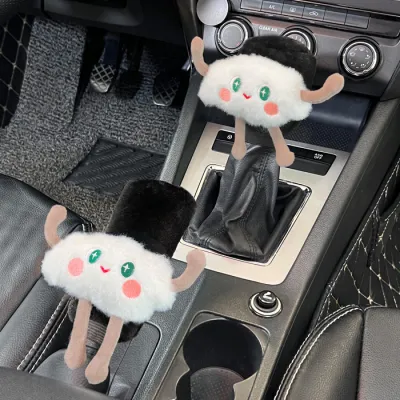
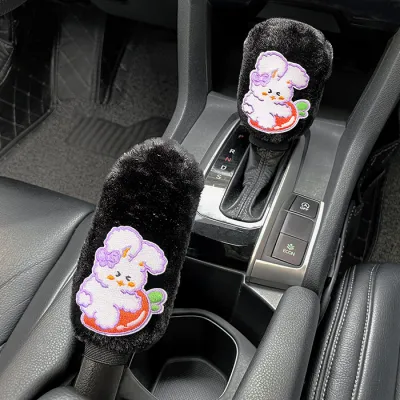
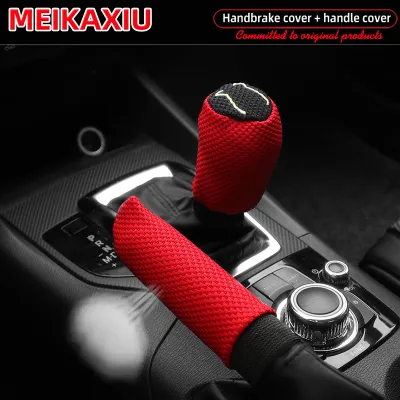
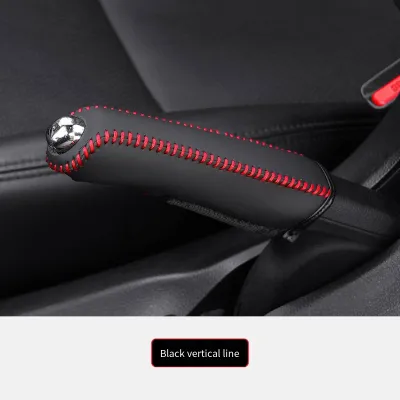
Prices are valid at publication and may change. Please refer to the product page for the latest price.
Next, note the exact base color shade under natural daylight. Black is rarely just black; it can range from a warm charcoal to a cool, blue-toned obsidian. If your steering wheel cover features secondary accent colors, colored piping, or contrasting side panels, document these hues carefully.
Finally, examine the stitching details closely. Document the stitching style (such as a cross-stitch, parallel stitch, or baseball stitch), the thread color, and the pattern density. Replicating or intentionally complementing these small details is what elevates an interior from looking piecemeal to looking professionally customized.
Match Materials: Leather and Suede Pairings
Selecting a handbrake cover material that coordinates with your steering wheel cover is essential for maintaining visual balance and ensuring even wear over time. The most straightforward approach is identical material matching, such as pairing a genuine leather steering wheel cover with a genuine leather handbrake cover. This creates a seamless, uniform cabin appearance where both high-touch surfaces age at a similar rate and share the same natural sheen.

However, conditional material mixing is a viable alternative if you understand the visual trade-offs and maintenance differences. For instance, pairing a smooth leather handbrake cover with a suede steering wheel cover can work well because the handbrake is handled less frequently than the steering wheel. Suede and Alcantara are highly sensitive to oils and sweat from your hands, whereas leather is more resilient and easier to wipe down. Keeping the higher-wear handbrake area in leather while enjoying the premium feel of a suede steering wheel is a practical compromise for daily drivers.
When selecting your handbrake cover, verify the material authenticity through the manufacturer’s product specifications. Mismatched synthetic and genuine textures can look jarring when placed in close proximity. Synthetic leather often has a highly uniform, stamped grain pattern, whereas genuine leather exhibits natural variations. Over time, synthetic materials may crack or peel under intense cabin heat, while genuine leather develops a patina, making any initial mismatch even more obvious as the cabin ages.
Align Colors and Stitching Details
Achieving a factory-fitted look requires precise alignment of colors and stitching details. When matching the base color of your handbrake cover to your steering wheel cover, consider how different materials absorb and reflect light. In regions with intense tropical sunlight, such as Singapore, cabin surfaces are subjected to harsh glare that can expose even minor color mismatches. A matte black suede steering wheel cover will absorb light and appear darker than a semi-gloss black leather handbrake cover, even if both are labeled black.
To mitigate this, try to match materials when matching colors, or choose a handbrake cover that is slightly darker than the steering wheel cover to keep the visual weight lower in the cabin. If you are ordering online, request real-world photos from the seller or check customer reviews to see how the product looks under natural sunlight rather than studio lighting.
Stitching thread color is another critical element, particularly when dealing with high-contrast designs like red, blue, or yellow thread on black material. A mismatched thread color between the steering wheel and the handbrake immediately disrupts the visual flow of the console. Ensure the thread type and color match as closely as possible.
Beyond color, pay attention to the stitch pattern and spacing. If your steering wheel cover features a dense, tightly spaced sport stitch, a handbrake cover with wide, loose stitching will look out of place. Replicating the stitch pattern across both touchpoints maintains a consistent, custom-upholstered look that ties the driver’s cockpit together.
Coordinate Textures and Secondary Accents
To maintain a unified interior theme, you must evaluate the secondary design elements and surface finishes of both covers. Match surface textures to ensure tactile and visual consistency across your primary control points. If your steering wheel cover features perforated leather side grips combined with smooth leather top and bottom sections, look for a handbrake cover that incorporates a similar perforated texture on its sides.
Coordinate additional accents such as carbon fiber trims, metallic grommets, or contrasting side panels if they are present on your steering wheel cover. For example, if your steering wheel cover has a subtle carbon fiber pattern at the twelve o’clock position, a handbrake cover with a matching carbon fiber accent strip on the spine will create a cohesive, sporty aesthetic.
Avoid the temptation to introduce overly aggressive patterns or mismatched decorative elements that disrupt the cabin’s visual flow. If your steering wheel cover is a minimalist, solid black suede design, adding a handbrake cover with bright metallic accents or loud branding will look disjointed. Keep the design language consistent; if one accessory is understated, the other should follow suit to maintain a sophisticated cabin environment.
Verify Fitment and Safety Clearances
While aesthetics are important, driving safety and operational integrity must always take priority. Before purchasing any handbrake cover, you must verify that it fits your specific vehicle model and does not interfere with the mechanical operation of the emergency brake. Handbrakes are critical safety components, and an ill-fitting cover can lead to dangerous situations.
Start by checking your vehicle’s handbrake lever dimensions against the cover’s sizing specifications. Many handbrake covers are designed for specific vehicle makes and models, while others are marketed as universal. Universal covers often rely on drawstrings, elastic bands, or set screws, which may not provide a sufficiently snug fit on every lever shape.
Ensure the cover does not obstruct the handbrake’s full range of motion, its engagement mechanism, or the release button at the tip of the lever. The cover must not bunch up at the base or slide forward, as this could prevent you from fully engaging or releasing the brake.
Review the installation instructions carefully before purchasing. Secure fitment is essential to prevent the cover from slipping or shifting during active use. If the installation requires adhesive, stitching, or mechanical fasteners, ensure you have the correct tools and feel confident performing the task. If you are unsure about the fitment, compatibility, or installation safety, consult your vehicle’s original manual or seek assistance from a qualified automotive professional.
Frequently Asked Questions (FAQ)
Is it acceptable to mix leather and suede for the steering wheel and handbrake?
Yes, mixing leather and suede is acceptable and can create an appealing tactile contrast in your cabin. This combination works effectively when you pair a leather handbrake cover with a suede steering wheel cover, as the handbrake is subjected to less frequent handling and is easier to clean in leather. To keep the look cohesive, ensure that other design elements, such as the stitching color and any accent panels, remain identical across both accessories.
How should I maintain matched leather or suede covers?
To preserve the coordinated look of your interior accessories, always refer to the manufacturer’s care labels for specific cleaning instructions. Use material-specific cleaners, such as a dedicated leather conditioner for leather surfaces and a specialized suede brush and cleaner for suede or Alcantara. Avoid cross-contaminating the surfaces by using separate microfiber cloths for each material, as leather conditioners can ruin the delicate nap of suede, while suede cleaners may dry out genuine leather.
Community discussion
Share your experience or ask a question. Comments are reviewed before publication.