
Layering a motorcycle rain suit over your riding jacket is the safest way to ride through a sudden downpour. The protective riding jacket, equipped with impact armor and abrasion-resistant textiles, must remain closest to your body to function as designed during an accident. The rain suit serves as an external barrier, keeping water out so your primary gear remains dry, lightweight, and fully functional.
Achieving this balance requires careful attention to fit, adjustment, and layering technique. If the rain suit is too tight, it can compress your jacket’s armor, shifting it out of alignment or restricting your circulation. Conversely, a suit that is too loose will flap violently at highway speeds, causing rider fatigue and potentially snagging on your motorcycle’s controls. By following a systematic approach to layering, you can stay dry without compromising your safety on the road.
Why Your Rain Suit Must Always Go Over the Riding Jacket
The primary reason for this layering order is the preservation of your protective armor’s position. Motorcycle jackets are engineered with internal pockets that hold elbow, shoulder, and back protectors tightly against your joints and spine. If you attempt to stuff a bulky riding jacket over a rain suit, or wear a rain suit underneath a tight jacket, the armor can easily shift out of its designated pocket zones, leaving critical impact areas completely unprotected.
Products mentioned in this guide
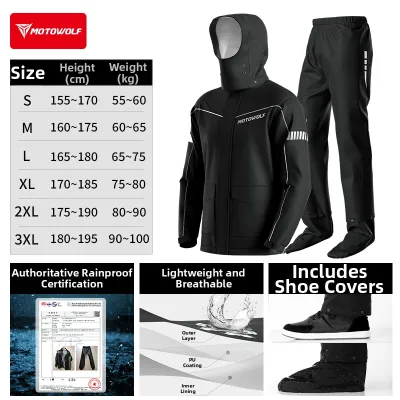
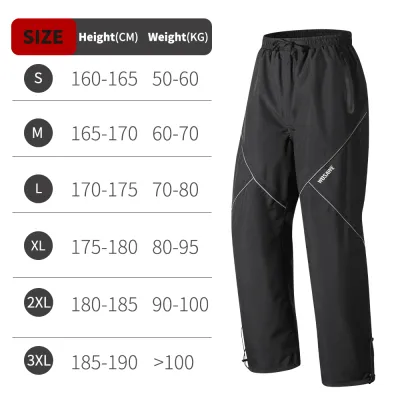
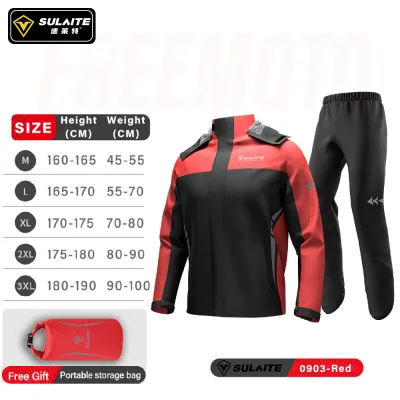
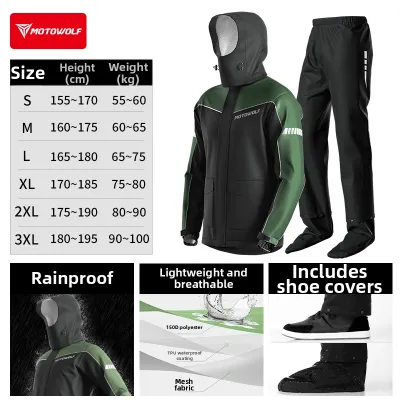
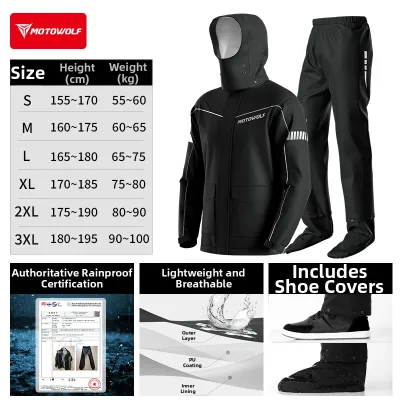
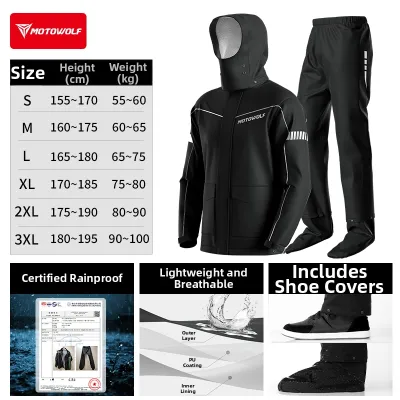
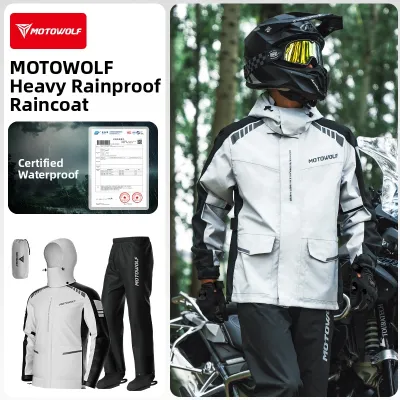
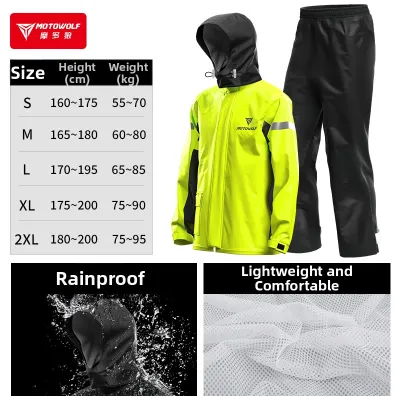
Prices are valid at publication and may change. Please refer to the product page for the latest price.
Abrasion resistance is another critical factor. High-quality riding jackets are constructed from heavy-duty materials like Cordura, ballistic nylon, or leather to withstand high-friction slides on asphalt. Rain suits, typically made of lightweight polyurethane or polyester, offer virtually no abrasion resistance and will tear instantly upon contact with the road. Keeping the heavy-duty jacket underneath ensures that the primary slide layer remains intact.
Waterproofing mechanics also play a major role. When a riding jacket becomes saturated with water, a phenomenon known as “wetting out,” it becomes incredibly heavy and cold. This added weight accelerates rider fatigue, while the drop in body temperature slows down your reaction times. Placing the waterproof rain suit on the outside prevents the underlying protective gear from absorbing water, keeping your setup light and dry.
How to Layer Your Gear Step-by-Step
Before you even put on your riding jacket, perform a quick pre-ride check of your armor inserts. Reach inside the jacket lining to ensure that the shoulder, elbow, and back protectors are sitting flat within their mesh pockets. Over time and through repeated wear, these inserts can curl or slide out of position, which can cause discomfort or leave you vulnerable during a fall.

Once the armor is verified, put on your riding jacket and prepare it to act as a smooth base layer. Zip up the main front closure completely and secure any integrated storm flaps. Next, tighten all adjustment straps on the sleeves, waist, and collar to pull the fabric taut against your body. Eliminating excess slack in the jacket prevents it from bunching up under the rain suit, which can create uncomfortable pressure points and restrict your movement.
Now, step into your motorcycle rain suit. If you are using a two-piece suit, pull the trousers up first, ensuring the waistband sits comfortably over your riding pants without pulling down on the crotch. Slip on the rain jacket, carefully guiding your armored sleeves through the armholes to avoid dragging the jacket sleeves upward. Zip the rain suit fully, fold over the external storm flaps, and secure the hook-and-loop fasteners at the collar, cuffs, and ankles to create a reliable seal against wind and water.
Essential Fit and Movement Checks Before You Ride
Before mounting your motorcycle, you must perform a comprehensive range of motion test. Stand with your feet shoulder-width apart, then bend your elbows, raise your arms, and swing your legs as if mounting your bike. Sit on your motorcycle and assume your typical riding posture, whether that is a forward sportbike tuck or an upright touring stance. Ensure that the fabric across your shoulders and back does not pull tight, and that your elbows can bend freely without the armor pinching your skin.
Next, verify the security of all closures and fasteners while in the riding position. Check that the collar of the rain suit fits snugly against your neck without choking you or leaving a gap where water can run down your chest. Ensure that the sleeve cuffs of the rain suit overlap your gloves properly—typically, the rain suit cuff should go over the glove gauntlet to prevent water from running down your arm and into the glove.
Visibility is another crucial safety element during wet weather, as rain drastically reduces a driver’s line of sight. Walk around your motorcycle or look in a mirror to confirm that the rain suit’s high-visibility panels and reflective strips are fully exposed. Ensure that your helmet, backpack straps, or a high collar do not block these reflective elements, as they are your primary means of remaining visible to other motorists in low-light conditions.
Common Layering Mistakes That Compromise Safety
One of the most common mistakes riders make is attempting to wear a thin rain jacket underneath their main riding jacket. While this might seem like a quick way to block the wind, it allows the outer riding jacket to become completely waterlogged. The trapped moisture between the layers creates a humid, clammy environment that can lead to rapid shivering and loss of concentration, while the heavy, wet jacket drags down on your shoulders.
Over-tightening the adjustment straps on your rain suit is another hazard to avoid. While you want to prevent flapping, pulling the straps too tight can compress the underlying armor inserts, pushing them out of their protective pockets or cutting off blood circulation to your limbs. This restriction can lead to numbness in your hands and feet, severely compromising your ability to operate the clutch, throttle, and brakes safely.
In tropical environments like Singapore, ignoring ventilation is a recipe for discomfort. High humidity combined with heavy downpours means that a completely sealed, non-breathable rain suit will quickly trap your body heat, turning the interior into a sauna. Look for rain suits that feature underarm zippered vents or rear exhaust vents protected by storm flaps. These features allow hot air to escape while preventing rain from entering, keeping your core temperature stable.
Post-Ride Care for Your Jacket and Rain Suit
Proper post-ride care is essential to maintain the integrity of both your protective gear and your waterproof layers. As soon as you arrive at your destination, hang both your riding jacket and your rain suit on wide, padded hangers in a well-ventilated area. Never leave wet gear stuffed inside a top box, backpack, or gear bag, as this creates a breeding ground for mold, mildew, and unpleasant odors that can ruin the fabrics.
When cleaning your gear, always consult the manufacturer’s care labels for specific instructions. For the riding jacket, you may need to remove the armor inserts before hand-washing or spot-cleaning the textile shell with a mild detergent. For the rain suit, avoid harsh chemical detergents, fabric softeners, or bleach, as these substances can strip away the durable water repellent (DWR) coating or damage the polyurethane laminate that keeps the water out.
Store your dry gear in a cool, dark closet away from direct sunlight and heat sources like radiators or water heaters. Prolonged exposure to ultraviolet (UV) rays can degrade the nylon fibers of your riding jacket and cause the waterproof backing of your rain suit to crack and peel. By storing your gear properly, you ensure that the materials remain strong, flexible, and ready to protect you on your next wet-weather ride.
Frequently Asked Questions (FAQ)
Can I use a one-piece or two-piece rain suit over my jacket?
Both styles can work, but they offer different trade-offs when layered over an armored jacket. A one-piece rain suit provides the most reliable seal against water ingress because there is no waist seam where water can pool and seep through. However, one-piece suits can be incredibly difficult to wriggle into over bulky, high-friction riding gear, especially on the side of the road during a sudden downpour. A two-piece suit is much easier to put on quickly and allows you to wear just the jacket if the rain is light, though you must ensure the jacket hem overlaps the trousers sufficiently to prevent leaks.
What should I do if my rain suit feels too tight over my armored jacket?
If your rain suit feels restrictive or compresses your armor, you should avoid riding in it. A tight fit limits your range of motion, making it harder to react quickly to road hazards, and can cause the armor to shift away from your joints. Check if the rain suit has adjustable expansion panels or straps that can be loosened. If it still feels tight, you will need to size up; most manufacturers recommend buying a rain suit one size larger than your standard riding jacket size to accommodate the bulk of the armor and thick textile fabrics.
Community discussion
Share your experience or ask a question. Comments are reviewed before publication.