
Integrating an electric foam sprayer into your home car wash setup transforms a tedious chore into an efficient, paint-safe routine. By automating soap application, this battery-powered tool generates a thick, consistent cling of foam that loosens road grime before you touch the paint with a wash mitt. It sits perfectly between your initial rinse and contact wash, acting as an essential preventative measure against swirl marks. To build a complete system, you must pair the sprayer with the right rinsing tools, wash mitts, buckets, and drying materials, creating a seamless workflow optimized for your specific washing environment.
The Role of an Electric Foam Sprayer in Your Car Wash Setup
The primary role of an electric foam sprayer in a modern car care routine is to provide a touchless pre-wash stage. In traditional washing, applying soap with a sponge directly onto a dusty car drags abrasive dirt particles across the clear coat, creating micro-scratches. The electric foam sprayer solves this by blanket-coating the vehicle in a dense layer of soapy foam. This foam clings to vertical surfaces, encapsulating dust, grit, and environmental fallout, and gently pulling them down as the foam slides off.
An electric foam sprayer is a complementary tool rather than a total replacement for other equipment. It does not replace the high-pressure rinsing power of a pressure washer, nor does it eliminate the need for a physical contact wash on heavily soiled areas. Instead, it serves as a bridge. By softening and lifting the bulk of the surface dirt during the pre-wash phase, it ensures that when you finally touch the car with a wash mitt, there is minimal abrasive debris left on the paint, significantly reducing the risk of paint marring.
Products mentioned in this guide
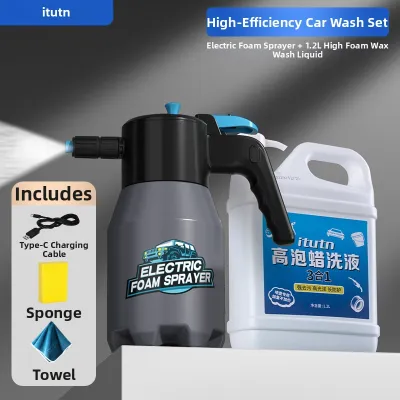
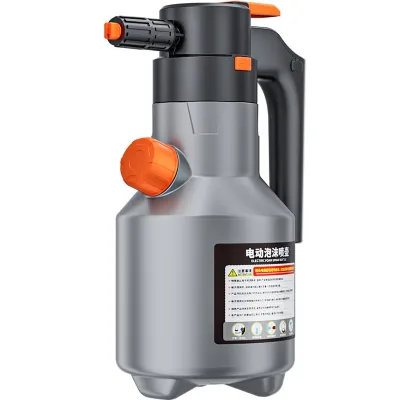
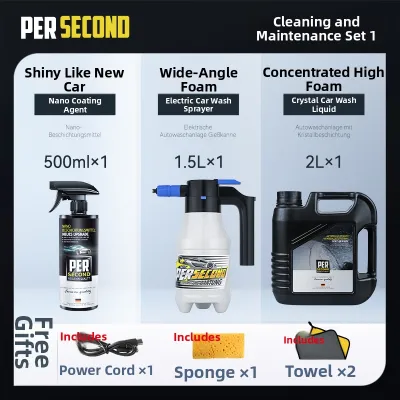
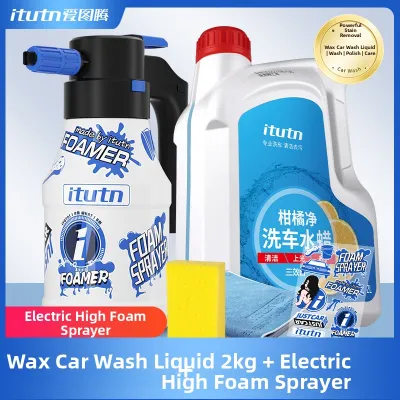
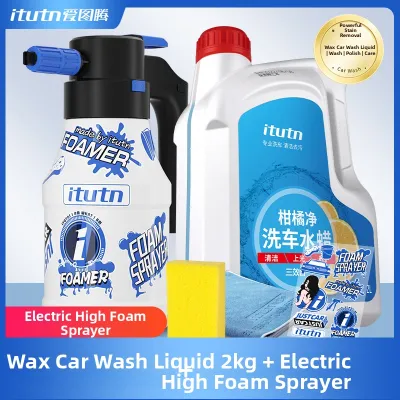
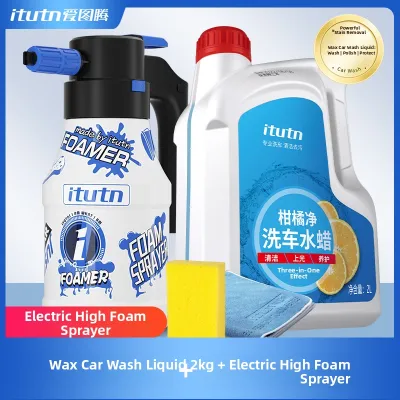
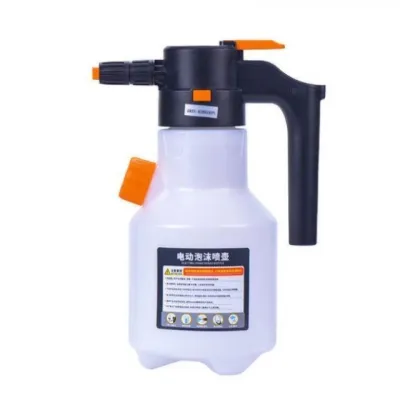
Prices are valid at publication and may change. Please refer to the product page for the latest price.
For car owners in Singapore, where vehicles are frequently exposed to sudden tropical downpours followed by intense sunlight, road grime can quickly bake onto exterior panels. Using an electric foam sprayer in a shaded wash bay allows you to apply a uniform layer of soap that stays wet longer than hand-applied soapy water. This extended dwell time is crucial for breaking down stubborn tropical road film before physical scrubbing begins.
Essential Tools to Pair With Your Electric Foam Sprayer
To maximize the utility of your electric foam sprayer, integrate it with a carefully selected suite of complementary tools. First, choose your water source: a garden hose or a pressure washer. While a garden hose is sufficient for rinsing loose foam, a pressure washer provides the high-velocity stream needed to blast away stubborn mud before and after foaming. If using a pressure washer, verify the manufacturer’s nozzle recommendations to avoid paint damage from excessive pressure.

Next, select high-quality contact wash tools. A premium microfiber wash mitt is highly recommended over traditional sponges because its deep pile traps remaining dirt away from the paint. Pair this with a two-bucket system: one bucket for rinsing the mitt, and another for your car wash solution. Placing grit guards at the bottom of both buckets keeps dirt trapped at the bottom, preventing re-contamination.
The drying phase requires highly absorbent microfiber drying towels. Leaving a vehicle to air-dry, especially in warm climates, leads to unsightly mineral deposits and water spots. A large, high-density twist-loop microfiber towel allows you to dry the entire vehicle with minimal passes, absorbing water quickly without requiring heavy pressure that could scratch the clear coat.
Finally, select automotive-specific soaps formulated for foam applications. These soaps contain specialized surfactants designed to generate stable, long-lasting foam when mixed with air and water. Always read product labels to ensure the soap is pH-balanced and safe for your vehicle’s specific exterior finishes, such as ceramic coatings, paint protection films, or matte wraps.
Step-by-Step Car Wash Workflow Using an Electric Foam Sprayer
An efficient car wash workflow relies on a logical sequence designed to minimize physical contact with the paint. Begin by parking in a shaded area, such as a multi-storey car park wash bay. Washing under direct sunlight causes water and soap to dry rapidly, leaving stubborn water spots. Once the panels are cool, perform an initial pre-rinse from the top down to flush away loose dust, sand, and surface debris.
Next, prepare your electric foam sprayer. Dilute your chosen automotive soap with water inside the reservoir, strictly adhering to the dilution ratios on the chemical label. Secure the pump head, power on the device, and apply a thick, even layer of foam starting from the roof down to the lower panels. Allow the foam to dwell for the duration recommended by the soap manufacturer—typically two to five minutes—without letting it dry on the paint.
While the foam dwells, prepare your two buckets. For lightly soiled vehicles, glide your soapy wash mitt directly over the remaining lubricated foam layer. For dirtier vehicles, rinse off the initial foam layer first, then apply a fresh layer of foam or use soapy water from your wash bucket. Always wipe in straight, linear motions rather than circular patterns to prevent swirl marks. Clean the mitt in your rinse bucket after wiping each panel to keep it free of grit.
After the contact wash, perform a thorough final rinse from top to bottom, paying close attention to panel gaps, door jambs, and side mirrors where soap bubbles hide. Once all residue is flushed away, immediately transition to drying. Spread your clean microfiber drying towel flat and gently pull it toward you to lift the water. For intricate areas like wheels and grilles, use a smaller, separate microfiber towel to prevent spotting.
Compatibility and Safety Checks for Your Tool Setup
Operating electrical equipment near water requires strict adherence to safety protocols. Before operating your electric foam sprayer, inspect the battery compartment, rubber seals, and charging port covers. Ensure all protective caps are securely sealed to prevent water ingress. Always charge the device using the manufacturer-specified cable and power adapter, and never submerge the motorized head in water.
Chemical safety is equally important for preserving your vehicle’s exterior. Always read product labels on your car wash soaps. Avoid using aggressive household detergents, degreasers, or industrial cleaners, as these can degrade the sprayer’s internal seals and strip away your vehicle’s protective wax. If your vehicle features specialized aftermarket finishes, such as matte vinyl wraps or delicate trim, verify that the soap is rated safe for those materials.
Proper maintenance of your electric foam sprayer after each wash ensures long-term reliability. Once finished, empty any remaining soap mixture from the reservoir. Fill the container with clean water and run the sprayer for at least thirty seconds to flush soap residue from the internal pickup tube, pump, and nozzle. This simple step prevents dried soap from clogging the fine mesh filters and valves, which can cause motor strain.
Always establish clear stopping conditions. If you notice unusual noises from the motor, a sudden drop in pressure, or water leaking into the battery compartment, turn off the device immediately. Likewise, if you observe unexpected chemical reactions on your vehicle’s paint—such as staining or rapid dulling—stop the wash, rinse the area thoroughly with clean water, and consult the manufacturer or a professional detailer before proceeding.
Frequently Asked Questions (FAQ)
Can I use regular household soap in my electric foam sprayer?
No, you should avoid using household soaps, such as dishwashing liquids or laundry detergents, in your electric foam sprayer. Household detergents are formulated to strip away heavy grease and oils, which means they will easily strip off your vehicle’s protective wax, paint sealants, or ceramic coatings, leaving the clear coat vulnerable to environmental damage. Additionally, these soaps do not contain the specialized lubricating agents found in dedicated automotive formulas, increasing the risk of scratching your paint during the contact wash. Always check the product label to ensure you are using a pH-balanced, automotive-specific soap.
Do I still need a pressure washer if I have an electric foam sprayer?
While an electric foam sprayer is highly effective at applying soap, it does not replace the high-pressure rinsing capabilities of a pressure washer. The electric foam sprayer is designed to generate and distribute foam at low, safe pressures, which is perfect for dwell time but insufficient for blasting away heavy mud, wheel grime, or stubborn road salt. A complete setup benefits from both tools: the pressure washer is used for the initial heavy rinse and the final clean rinse, while the electric foam sprayer handles the precise, even application of the pre-wash foam.
Community discussion
Share your experience or ask a question. Comments are reviewed before publication.