
Maintaining correct tire pressure is one of the most straightforward yet critical aspects of vehicle ownership. Whether you are driving a passenger car, riding a motorcycle, or commuting on a bicycle, properly inflated tires ensure optimal traction, shorter braking distances, and improved fuel or battery efficiency. A portable electric pump, such as a Xiaomi air compressor, offers a convenient, cable-free solution to manage your tire pressures at home or on the road.
To achieve accurate results and protect your equipment, you must understand how to configure the device, locate your vehicle’s specific pressure requirements, and use the correct adapters. Operating a portable compressor requires a systematic approach to prevent air loss, avoid over-inflation, and protect delicate valve stems. This guide provides a comprehensive, step-by-step walkthrough for inflating different tire types safely and efficiently.
Before attempting any tire maintenance, always prioritize safety. Tire inflation directly affects vehicle stability and road safety; therefore, you should always consult your vehicle’s official documentation or owner’s manual for specific guidelines. If you observe unusual tire wear, persistent pressure loss, or structural damage, seek assistance from a qualified tire professional before operating any inflation equipment.
Products mentioned in this guide
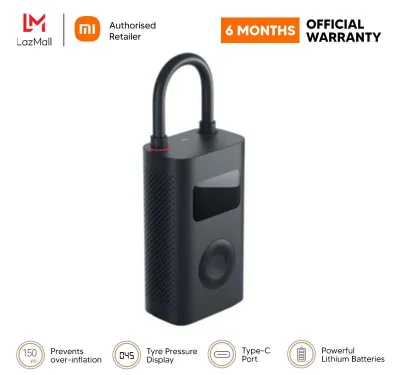
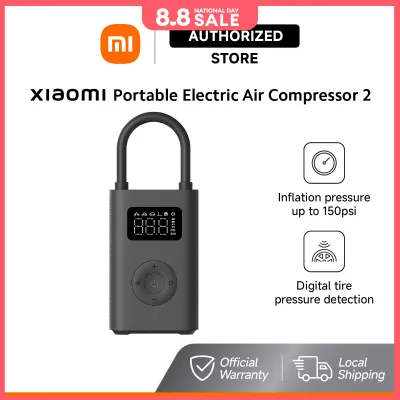

![[2025] Xiaomi Pump 2 MiJia Portable Handheld Electronic Air inflator/Pump Suitable For Car Motorcycle EBike Scooter Instock](https://img.lazcdn.com/g/p/3e082dd3fde1bc260eb18bfa0cd19ce7.jpg_400x400q80.jpg_.webp)
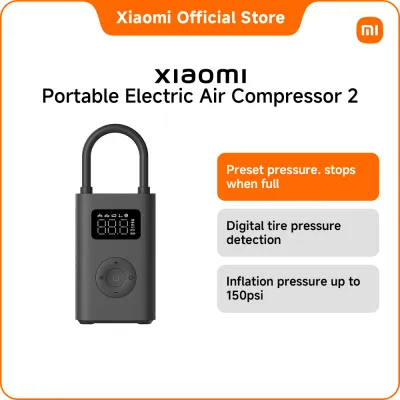

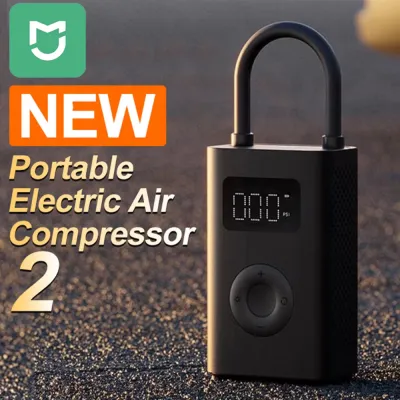
Prices are valid at publication and may change. Please refer to the product page for the latest price.
Preparing Your Equipment and Finding Recommended Pressures
Before starting the inflation process, verify that your portable compressor has sufficient battery charge. Operating a high-pressure motor requires substantial energy, and a low battery can lead to premature shutdown or inaccurate pressure readings. Turn on the device and check the digital display; if the battery indicator is low, charge the unit fully using a compatible USB power source before proceeding.
Next, identify the correct target pressure for your specific vehicle. A common mistake is reading the pressure number molded onto the tire’s sidewall. This figure represents the maximum pressure the tire can safely hold at maximum load, not the manufacturer’s recommended operating pressure. For passenger cars and motorcycles, the correct cold inflation pressure is typically located on a sticker inside the driver’s side door jamb, on the inside of the fuel filler flap, or within the owner’s manual.
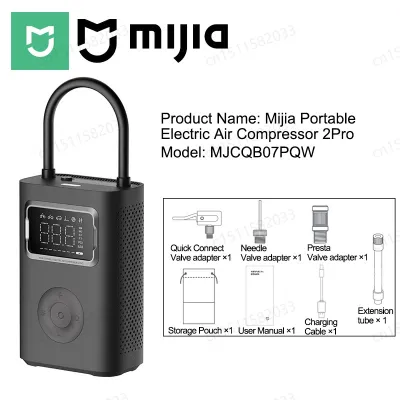
Once you know the target pressure, select the appropriate nozzle adapter from the compressor’s storage compartment. The default hose end is designed for standard Schrader valves, which are common on cars and motorcycles. For specialized bicycle tires, you will need to retrieve either the Presta valve adapter or the needle valve adapter from the accessory kit. Ensure the adapter is clean and free of debris before attaching it to the hose.
Step-by-Step Guide for Car Tires
To begin inflating a car tire, park the vehicle on a flat, level surface, engage the parking brake, and turn off the engine. Remove the plastic dust cap from the tire’s valve stem and place it in a secure location, such as your pocket or the vehicle’s console, to prevent losing it. Inspect the valve stem briefly to ensure there is no visible dirt or corrosion inside the thread.

Attach the compressor’s hose to the tire valve by screwing the threaded connector clockwise onto the stem. As you tighten the connection, you may hear a brief hissing sound of escaping air; continue screwing the connector firmly until the hiss stops completely, indicating a secure seal. Avoid over-tightening, which can damage the rubber seals inside the connector or strip the threads on the valve stem.
Turn on the compressor and select the appropriate measurement unit—typically PSI or bar—using the device’s control buttons. Use the plus and minus buttons to set the target pressure to match the manufacturer’s specification. The digital screen will display both the current real-time pressure of the tire and your preset target value.
Press the start button to begin inflation. The compressor motor will run, and the real-time pressure reading on the screen will gradually rise. Once the tire reaches the pre-programmed target pressure, the device’s automatic shutoff feature will stop the motor. This prevents over-inflation and ensures consistent pressure across all tires.
Immediately after the motor stops, unscrew the hose connector from the valve stem. Work quickly to minimize the amount of air that escapes during disconnection. Once the hose is free, replace the valve cap immediately and tighten it hand-tight to protect the valve core from road grime, water, and dust.
Specific Techniques for Motorcycle and Bicycle Tires
Two-wheeled vehicles require a different approach to inflation due to their smaller air volumes and specialized valve designs. While a car tire contains a large volume of air that cushions pressure changes, motorcycle and bicycle tires react much faster to incoming air. This rapid pressure rise requires careful monitoring to prevent sudden over-inflation.
Additionally, the valve stems on motorcycles and bicycles are often smaller, longer, or more flexible than those on passenger cars. Applying excessive force while connecting or disconnecting the compressor hose can bend the stem or damage the internal valve core. Supporting the valve stem with one hand while attaching the connector with the other is an effective way to prevent structural damage.
Inflating Motorcycle Tires
Motorcycle tires operate within strict pressure ranges that directly influence cornering stability and braking grip. Because a motorcycle tire has a relatively small air volume, the compressor will reach the target pressure much faster than it would on a car tire. Always double-check your target settings before starting the pump to avoid over-pressurizing the tire.
Refer to the swingarm sticker, chain guard, or owner’s manual to find the exact pressure specifications. Note that the recommended pressure for the front tire often differs from the rear tire, and these values may change if you regularly carry a passenger or heavy luggage. Always adjust your settings accordingly for each tire.
For the most accurate pressure reading, place the motorcycle on its center stand or a paddock stand if available. This lifts the tire off the ground, unloading the suspension and removing the weight of the bike from the tire carcass. If you must use a side stand, ensure the bike is stable and take care not to strain the valve stem if it is positioned at an awkward angle near the brake discs.
Inflating Bicycle Tires (Presta vs. Schrader Valves)
Bicycle tires generally fall into two categories based on their valve types: Schrader and Presta. Standard mountain bikes, hybrid bikes, and utility bicycles typically use Schrader valves, which are identical to those found on cars. For these tires, you can screw the compressor’s default hose directly onto the valve stem without any additional adapters.
Road bikes, gravel bikes, and high-performance racing bicycles often use Presta valves, which are narrower and feature a built-in locking mechanism. To inflate a Presta valve, you must first unscrew the small lock nut at the very top of the valve stem pin. Press the pin down briefly with your finger to release any stuck seals; a tiny puff of air will escape, confirming the valve is free.
Thread the brass Presta adapter firmly onto the valve stem, then screw the compressor’s hose onto the adapter. Never attempt to force the standard hose directly onto a Presta valve without the adapter, as doing so will bend the delicate internal pin and ruin the valve. Once the inflation is complete, remove the adapter, tighten the small lock nut back down, and replace the valve cap.
Troubleshooting Common Inflation Issues
Portable air compressors generate a significant amount of heat during operation due to the rapid compression of air. If the device stops running unexpectedly or the housing feels hot to the touch, the internal thermal protection system may have triggered. If this occurs, turn off the device, place it in a shaded area, and allow it to cool down completely for at least 15 to 20 minutes before attempting to use it again.
If you notice that the pressure reading on the digital display fluctuates wildly or drops suddenly while the pump is running, you likely have an insecure connection. Turn off the compressor, unscrew the hose from the valve stem, and inspect the threads for dirt or damage. Re-align the connector and screw it back on, ensuring it sits straight and tight against the valve seal.
Occasionally, you may notice a slow, continuous hiss of air coming from the valve stem after you have detached the compressor hose. This usually indicates that the internal valve core has become loose or is clogged with road dust. You can use a specialized valve core tool to gently tighten the core clockwise, or visit a professional tire shop to have the valve core replaced if the leak does not stop.
Maintaining Your Portable Air Compressor
To ensure your portable compressor remains reliable for emergency roadside use, establish a regular maintenance routine. After each use, wipe down the flexible hose and the metal nozzle adapters with a clean, dry microfiber cloth. This removes road grime, brake dust, and moisture that could otherwise cause corrosion or degrade the rubber seals over time.
Store the compressor in a cool, dry environment protected from direct sunlight. Avoid leaving the device in areas prone to extreme temperature swings, such as a vehicle glove box or trunk during hot afternoon sun, as excessive heat can permanently degrade the capacity and safety of the internal lithium-ion battery.
Finally, manage the battery health by performing a top-up charge every three to six months, even if you have not used the device. Lithium-ion batteries slowly discharge over time when left idle. Regular maintenance charging prevents the battery from falling into a deep discharge state, ensuring the compressor has enough power to assist you when an unexpected low-pressure warning occurs on the road.
Frequently Asked Questions (FAQ)
Can I use the Xiaomi air compressor while it is plugged into a power source?
Most portable electric air compressors, including standard Xiaomi models, do not support pass-through charging. This means the device cannot run its inflation motor while actively receiving power from a USB port or car charger. Attempting to operate the compressor while plugged in can overheat the internal charging circuitry and damage the lithium-ion battery. Always disconnect the charging cable before turning on the inflation motor.
Why does the pressure reading drop slightly after I detach the hose?
When you unscrew the compressor hose from the tire valve, you will hear a short hiss of escaping air. This sound is primarily the pressurized air stored inside the compressor’s hose escaping into the atmosphere, rather than air leaving your tire. However, if you unscrew the connector slowly, a small amount of tire pressure may be lost. To compensate for this minor loss, you can set your target pressure 0.5 to 1.0 PSI higher than the manufacturer’s recommendation, or focus on unscrewing the connector as quickly and cleanly as possible.
Community discussion
Share your experience or ask a question. Comments are reviewed before publication.