
Hand washing your car is the most effective way to maintain its showroom shine, but using the wrong tools or techniques can easily inflict microscopic scratches and unsightly swirl marks. To safely wash your vehicle without damaging the clear coat, you must use high-quality microfiber cloths, ample lubrication, and a systematic physical technique. By understanding how dirt interacts with your car’s paint and using the correct washing methods, you can keep your vehicle looking pristine for years to come.
Understanding How Scratches and Swirl Marks Happen
To prevent paint damage, you must first understand the structure of modern automotive paint. Most modern vehicles feature a base coat of color covered by a thin, transparent protective layer known as the clear coat. While the clear coat is designed to shield the paint from UV rays and environmental hazards, it is relatively soft and highly susceptible to physical abrasion.
Superficial swirl marks, often referred to as micro-marring, are incredibly fine scratches in this clear coat. Unlike deep scratches that penetrate down to the base coat or primer, swirl marks form circular patterns when light reflects off them. These microscopic imperfections scatter light, dulling the paint’s natural depth and gloss.
Products mentioned in this guide
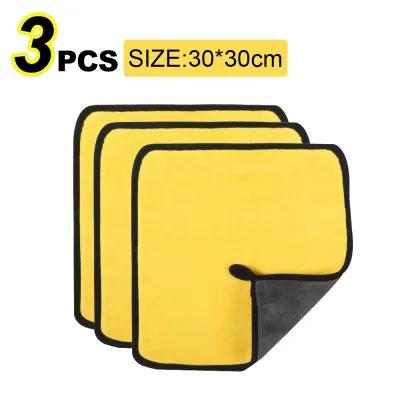
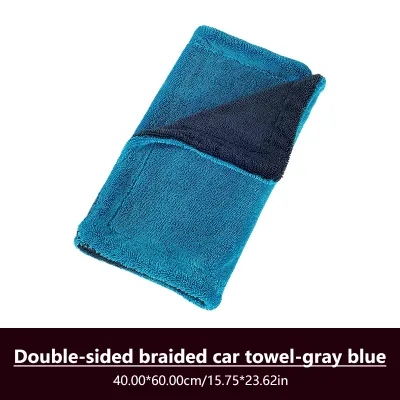

Prices are valid at publication and may change. Please refer to the product page for the latest price.
When dust, sand, road grime, and environmental fallout settle on your car, they act as tiny abrasive particles. If you drag a flat, non-porous cloth or sponge across the paint, these particles get trapped between the cloth and the surface. As you move the cloth, you grind these abrasive particles directly into the clear coat, acting like fine-grit sandpaper.
To prevent this friction damage, you must rely on two critical elements: lubrication and dirt encapsulation. Car wash shampoo acts as a lubricant, creating a slick barrier that allows cleaning tools to glide effortlessly over the surface. This lubrication suspends the dirt particles, reducing the friction that leads to micro-marring.
High-quality microfiber provides the second line of defense through its unique physical structure. Unlike flat cotton or paper fibers, microfiber consists of split synthetic fibers—typically a blend of polyester and polyamide—that feature millions of microscopic hooks and channels. These channels physically lift, trap, and lock dirt deep within the pile of the cloth, keeping the abrasive debris safely away from the delicate paint surface.
Essential Tools and Materials for a Safe Hand Wash
To achieve a scratch-free finish, you must assemble the correct detailing kit before wetting your vehicle. Standard household cleaning items are not designed for automotive clear coats and will inevitably cause damage. Always verify that your tools are clean and free of debris before starting.

Microfiber Wash Mitts: Choose thick-pile microfiber wash mitts, preferably made of plush chenille or long-strand microfiber. These mitts hold a massive amount of soapy water, providing maximum lubrication while safely burying dirt particles deep within their soft fibers.
Microfiber Drying Towels: Invest in large, high-GSM (grams per square meter) drying towels, ideally between 600 and 1200 GSM. Look for twisted-loop or plush edgeless designs that can absorb multiple times their weight in water, allowing you to dry the vehicle with minimal physical contact.
Two Wash Buckets with Grit Guards: You will need two dedicated buckets, each fitted with a grit guard at the bottom. A grit guard is a plastic radial screen that sits slightly off the bottom of the bucket, allowing dirt to settle to the bottom while preventing your wash mitt from picking it back up.
pH-Neutral Car Wash Shampoo: Always use a dedicated, pH-neutral car wash shampoo. Avoid household dish soaps or multi-purpose detergents, as these harsh chemicals strip away protective waxes, sealants, and ceramic coatings, leaving your paint unprotected and drying out rubber seals.
Rinse Source: A standard garden hose with an adjustable spray nozzle or a light-duty pressure washer is essential for thoroughly flushing away loose contamination before and after washing.
Step-by-Step Guide to Washing Your Car Safely
Preparation and Pre-Rinse
Location is critical when washing your car. Always position your vehicle in a shaded area, such as a covered driveway or a multi-storey car park wash bay. Washing in direct sunlight, especially in hot tropical climates like Singapore, causes water and soap to evaporate rapidly, leaving stubborn, mineral-rich water spots that can etch into your clear coat.
Begin by thoroughly rinsing the vehicle from the top down. Use a strong stream of water to flush away loose dust, sand, road salt, and environmental debris before you ever touch the paint with a wash mitt. This step removes the heaviest contaminants, significantly reducing the risk of scratching.
Pre-treat heavily soiled areas, such as bug splatters, bird droppings, or tree sap, which are common under outdoor parking spots. Spray these sections with a dedicated bug remover or pre-wash foam, allowing the chemistry to dwell and soften the contaminants for a few minutes before rinsing them away.
The Two-Bucket Method and Washing Technique
Prepare your two buckets side-by-side. Fill the first bucket with clean water and place a grit guard at the bottom; this is your rinse bucket. Fill the second bucket with water, add the recommended amount of pH-neutral car wash shampoo, and place the second grit guard inside; this is your wash bucket.
Submerge your microfiber wash mitt in the soapy wash bucket, ensuring it is completely saturated with suds. Gently place the mitt onto the roof of the vehicle and begin washing, letting the weight of the wet mitt provide the necessary cleaning pressure.
Always wipe in straight, overlapping lines rather than circular motions. If a microscopic particle does manage to cause a fine scratch, a straight-line scratch is far less visible under direct light and much easier to correct than circular swirl marks, which reflect light from every angle.
Wash one small panel or half a large panel at a time. Once a section is complete, submerge the dirty wash mitt into the clean rinse bucket, rubbing it vigorously against the grit guard to dislodge trapped dirt particles.
Wring out the rinsed mitt, then dip it back into the soapy wash bucket to reload it with fresh, clean lubrication. This simple cycle ensures that you never transfer abrasive dirt back onto your vehicle’s paintwork.
Regularly flip your wash mitt to use the clean, unused side during a washing pass. If you are using flat microfiber cloths instead of a mitt, fold the cloth into quarters to provide eight fresh, clean faces to work with.
Always work from the top of the vehicle down to the bottom. The lower sections of a car, such as the rocker panels and bumpers, accumulate the most abrasive road grime, tar, and brake dust; washing these areas last prevents you from dragging heavy contaminants onto the cleaner upper panels.
Final Rinse and Safe Drying
Once the entire vehicle has been washed, perform a thorough final rinse from top to bottom. Use a gentle, free-flowing stream of water to sheet the water off the paint, ensuring no soap residue remains trapped in panel gaps, door jambs, or window seals.
Transition immediately to the drying phase to prevent water spots from forming as the water evaporates. Reach for your dedicated, plush microfiber drying towel, avoiding old chamois leathers or household bath towels, which lack the dirt-trapping pile needed to prevent scratches from any stray dust.
To dry the paint safely, lay the large microfiber towel flat across a horizontal surface and gently pull it toward you by its corners, letting the weight of the towel absorb the water. For vertical panels, use a gentle patting or blotting motion rather than rubbing the paint with downward physical force.
For an added layer of safety, spray a quick detailer or dedicated drying aid onto the wet panel before wiping. This spray provides extra lubrication, reduces friction between the towel and the clear coat, and leaves behind a slick, glossy protective barrier.
Common Mistakes That Cause Swirl Marks and Scratches
Even with the right tools, minor lapses in technique can quickly introduce scratches to your vehicle’s delicate finish. Recognizing and avoiding these common pitfalls is essential for maintaining a pristine paint job.
Dropping the Cloth: If your microfiber wash mitt or drying towel touches the ground, you must retire it immediately to the laundry bin. Even a split-second contact with concrete or asphalt will cause the microscopic fibers to trap tiny rocks and sand grains that cannot be easily shaken out, turning your cloth into sandpaper.
Applying Excessive Pressure: Many car owners instinctively press down hard to scrub away stubborn stains, bird droppings, or road tar. This physical force grinds the contaminants directly into the clear coat; instead, let the chemical cleaners dwell and soften the spot, allowing the microfiber to gently sweep it away.
Using a Single Bucket: Washing a car with only one bucket recirculates suspended dirt particles directly back onto your wash mitt. Without a separate rinse bucket and grit guards, you are essentially washing your car with dirty, abrasive water.
Washing Hot Paint: Never wash your vehicle when the hood or body panels are hot to the touch. High temperatures cause the soapy water to dry almost instantly, baking the cleaning chemicals and suspended contaminants into the clear coat, which can cause permanent etching.
Using Degraded Microfibers: Over time, microfiber cloths can lose their softness, accumulate embedded debris, or develop hardened edges from improper washing. Using old, stiff, or contaminated cloths on your paint will inevitably cause micro-marring.
How to Clean and Maintain Your Microfiber Cloths
The longevity and performance of your microfiber tools depend entirely on how you wash and store them. Proper maintenance ensures that the fibers remain soft, absorbent, and completely safe for future car washes.
Always wash your automotive microfiber cloths separately from your regular household laundry, cotton towels, and clothes. Cotton sheds lint, which will clog the microscopic channels of your microfiber, rendering them ineffective at trapping dirt and highly likely to cause scratches.
Use a dedicated microfiber wash solution or a mild, dye-free, scent-free liquid detergent. Strictly avoid powder detergents, which may not dissolve completely and can leave abrasive crystals in the fibers, and never use fabric softeners or bleach, as softeners coat the fibers in silicone and destroy their absorbency.
Wash the cloths in warm water and either air dry them in a clean, dust-free indoor area or tumble dry them on a very low heat setting. High temperatures will melt the delicate polyester and polyamide fibers, turning them into hard, scratchy plastic edges.
Once dry, store your clean microfiber cloths in a sealed plastic container or heavy-duty zip-lock bags. This step prevents airborne dust, garage grime, and household pet hair from settling on the clean fibers before your next wash.
Inspect every cloth thoroughly before it touches your vehicle’s paint. Run your hand along the edges and fibers; if a cloth feels stiff, matted, or contains embedded debris that will not wash out, demote it to lower-risk duties like cleaning wheels, tires, engine bays, or exhaust tips.
Frequently Asked Questions (FAQ)
Can I use regular household microfiber cloths for car washing?
No, you should avoid using standard household microfiber cloths on your car’s exterior paintwork. Household cloths are typically designed with a very short pile and often feature rough, polyester-stitched edges that can easily scratch delicate clear coats.
For automotive paint, always use dedicated, high-GSM wash mitts and drying towels. These specialized tools feature plush, long-pile fibers and edgeless or silk-banded borders specifically engineered to protect clear coats from physical abrasion.
How often should I replace my car wash microfiber cloths?
There is no set calendar timeline for replacing your microfiber cloths; instead, their lifespan depends entirely on their physical condition and how frequently they are used. High-quality microfibers can withstand hundreds of washes if cared for correctly.
You should immediately replace or demote a cloth if it loses its plush softness, becomes permanently matted, retains a sour odor after washing, or fails to absorb water effectively. When in doubt, feel the fabric against your skin; if it feels slightly scratchy, it is no longer safe for your car’s paint.
Community discussion
Share your experience or ask a question. Comments are reviewed before publication.