
Finding a compatible side mirror for car replacement is a precise task that requires looking beyond basic vehicle make and model matches. Because automotive manufacturers frequently update mirror designs, wiring configurations, and internal features within a single model year, a generic search can easily lead to purchasing an incompatible part. To ensure a perfect physical fit and full electrical functionality, you must systematically verify your vehicle’s exact production details, locate the original equipment manufacturer (OEM) part number, and check specific regional and electronic variables.
Replacing a side mirror involves understanding both the physical mounting structure and the complex electrical systems integrated into modern door mirrors. A mismatched mirror can lead to non-functional safety features, electrical shorts, or physical gaps that allow wind noise and water to enter the cabin. By following a structured verification process, you can confidently source a replacement mirror that restores your vehicle’s safety, aesthetics, and functionality.
Identify Your Vehicle's Exact Specifications
The foundation of any successful auto parts search begins with gathering your vehicle’s precise manufacturing data. The most reliable identifier is the 17-character Vehicle Identification Number (VIN), which serves as your car’s unique fingerprint. You can typically locate the VIN stamped on a metal plate at the base of the windshield on the driver’s side, printed on the safety compliance certification label on the driver’s side door jamb, or listed on your official vehicle registration and log card documents. Sourcing parts using the VIN eliminates ambiguity by decoding the exact factory build configuration of your specific vehicle.
Products mentioned in this guide
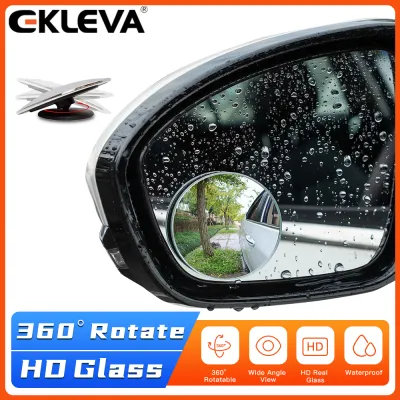
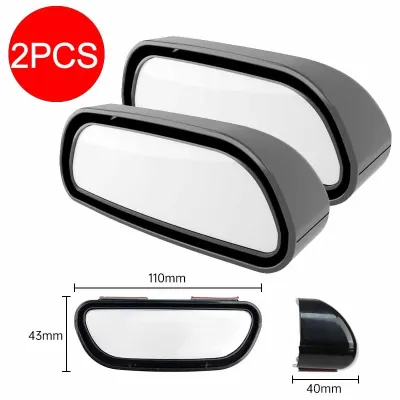
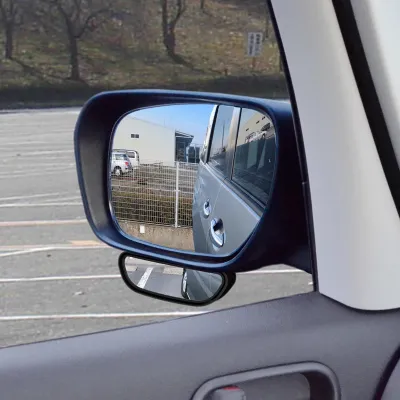
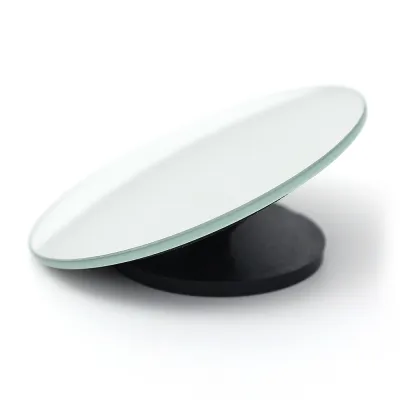
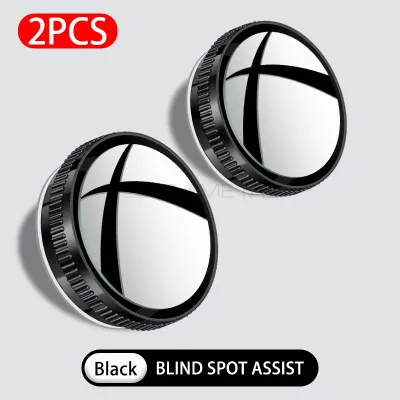
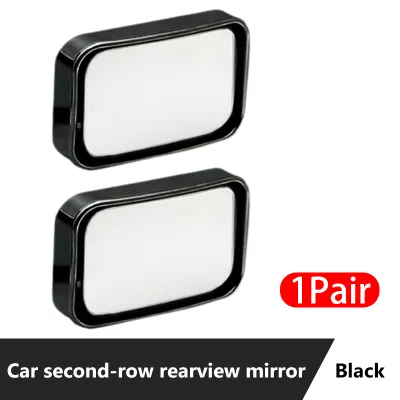
Prices are valid at publication and may change. Please refer to the product page for the latest price.
Beyond the VIN, you must identify your vehicle’s specific trim level, as manufacturers often reserve advanced mirror features for premium packages while equipping base models with simpler assemblies. For example, a base trim might feature manually adjustable or basic power-glass mirrors, whereas a luxury or sport trim of the same model year might integrate heating elements, power-folding motors, memory positioning, and blind-spot detection sensors. Attempting to install a premium mirror on a base-trim wiring harness, or vice versa, can result in unsupported features or incompatible electrical connections.
Additionally, pay close attention to the exact manufacturing date of your vehicle, which is printed on the door jamb safety label. Car manufacturers frequently introduce mid-year production updates, often referred to as split-year changes or facelifts. A vehicle built in the first half of a specific year may use a completely different mirror mounting bracket, housing shape, or wiring harness than one assembled in the second half of that same year, even though both cars share the identical model year designation.
Locate and Verify the OEM Part Number
To guarantee absolute physical and electrical compatibility, you should obtain the original equipment manufacturer (OEM) part number for your existing side mirror. This unique alphanumeric code is assigned by the vehicle manufacturer to identify the exact component installed during assembly. You can often find this number printed on a white adhesive label or stamped directly into the plastic housing on the underside of the mirror, on the mounting base plate behind the interior door trim, or on the plastic backing plate of the mirror glass itself.

If the original part number is missing, illegible, or the mirror is too damaged to inspect, you can retrieve the correct code by contacting the parts department of an authorized dealership. By providing your VIN, the parts specialist can look up the exact factory part number associated with your chassis. This step is highly recommended because manufacturers occasionally update part designs to resolve known defects, resulting in superseded or revised part numbers that replace the original code.
Once you have retrieved the correct OEM part number, use it to cross-reference listings when shopping through local parts distributors, specialized automotive suppliers, or online marketplaces. Comparing the manufacturer part number directly against the seller’s product specifications is the most effective way to avoid ordering a mirror that looks visually identical but features subtle, incompatible differences in its internal mounting studs or electrical pin layouts.
Check Critical Fitment and Feature Variables
One of the most critical regional factors to verify before purchasing a side mirror for car replacement is the driving configuration of the vehicle. Vehicles registered in Singapore require Right-Hand Drive (RHD) specific side mirrors. Because the driver sits on the right side of the cabin, the glass curvature and physical housing angles of RHD mirrors are engineered differently from Left-Hand Drive (LHD) versions to optimize the driver’s field of view and eliminate blind spots. Installing an LHD mirror assembly on an RHD vehicle will severely restrict your rearward visibility, as the mirror glass housing cannot pivot far enough inward to provide a safe viewing angle.
Next, you must verify the electrical interface by checking the connector plug and counting the physical pins. Modern side mirrors serve as hubs for various electronic features, and the number of wires in the harness directly corresponds to these functions. A basic power-adjustable mirror might only require a 3-pin connector, while a mirror equipped with heating elements, integrated turn signals, power-folding motors, auto-dimming glass, and blind-spot monitoring can require 7, 9, or up to 16+ pins. Unplug your damaged mirror and count the pins on the male connector to ensure the replacement unit matches your vehicle’s female door harness plug.
Failing to match the integrated electronic features of your original mirror can trigger diagnostic trouble codes (DTCs) and illuminate warning lights on your dashboard. If your vehicle is equipped with advanced driver assistance systems (ADAS), such as blind-spot monitoring sensors or surround-view cameras integrated into the mirror housing, the replacement unit must support these exact technologies. Conversely, installing a mirror with extra features your car’s computer system does not recognize can cause electrical communication errors across the vehicle’s controller area network (CAN bus).
Finally, determine whether you need to replace the entire mirror assembly or just the mirror glass. The glass itself can be flat, convex, or aspheric, with convex glass commonly used on passenger-side mirrors to provide a wider viewing angle. If the outer plastic housing, mounting bracket, and internal adjustment motors are completely undamaged, purchasing and installing replacement mirror glass independently is a highly cost-effective alternative to replacing the entire housing assembly.
Evaluate Aftermarket vs. OEM Replacement Options
When sourcing a replacement side mirror, you will generally choose between genuine OEM parts, aftermarket alternatives, or used/salvaged components. Genuine OEM assemblies offer the highest assurance of quality, perfect physical fitment, matching paint finishes, and seamless calibration with your vehicle’s safety sensors. However, these parts carry a premium price tag. If your vehicle relies on complex ADAS features, investing in an OEM replacement is often the safest choice to ensure your driver-assist systems continue to function exactly as intended.
Aftermarket replacements are manufactured by third-party companies and are typically more budget-friendly than OEM parts. While many reputable aftermarket brands produce high-quality mirrors that meet or exceed original specifications, some lower-grade alternatives may suffer from thin plastic housings, loose mounting brackets that cause the mirror to vibrate at highway speeds, or distorted glass. When purchasing aftermarket parts, always verify the manufacturer’s warranty and check the seller’s return policy in case the physical fitment or electrical connection does not align perfectly with your vehicle.
Used or salvaged mirrors sourced from auto recyclers can be an excellent middle ground, allowing you to obtain a genuine OEM part at a fraction of the retail cost. This option is particularly advantageous if you can find a salvaged mirror that already matches your vehicle’s factory paint code, saving you the additional expense of painting a new primer-black housing. Before purchasing a used mirror, carefully inspect the plastic housing for hairline stress cracks, verify that all threaded mounting studs are intact, and test the internal adjustment and folding motors to ensure they operate smoothly without grinding noises.
When calculating the total cost of the replacement in S$, remember to factor in all associated expenses. A complete budget estimate should include the purchase price of the mirror assembly, potential shipping or import fees, the cost of professional paint matching if the part arrives unpainted, and any labor charges for professional installation and sensor calibration. Comparing these total figures will help you make a balanced decision that aligns with your budget and safety requirements.
When to Seek Professional Verification
While replacing a basic side mirror can be a straightforward DIY task, certain scenarios demand professional intervention to ensure road safety and vehicle integrity. If your vehicle’s side mirrors are integrated with advanced safety systems, such as blind-spot monitoring radar, lane-keep assist cameras, or 360-degree surround-view cameras, you must have the replacement mirror installed and calibrated by a qualified automotive technician. These sensitive sensors require precise alignment using specialized diagnostic equipment; improper positioning can cause the safety systems to fail or provide inaccurate warnings, compromising your safety on the road.
Additionally, you should stop the installation and consult a professional if you encounter any electrical discrepancies. If the wiring harness connector on the replacement mirror does not match your vehicle’s plug, do not attempt to cut, splice, or repin the wires yourself. Modern automotive electrical systems are highly sensitive to resistance changes, and incorrect wiring can easily damage expensive electronic control modules or cause localized electrical fires.
Always refer to your vehicle’s official workshop manual for specific instructions on removing the interior door panels and accessing the mirror mounting bolts. If the physical mounting points, bolt patterns, or structural brackets of the replacement mirror do not align perfectly with your vehicle’s door frame, do not force the installation. Forcing a mismatched mirror into place can distort the door sheet metal, strip the mounting threads, or create gaps that allow rainwater to leak into the door cavity, leading to corrosion and electrical damage over time.
Frequently Asked Questions (FAQ)
Can I use a side mirror from a different trim level of the same car model?
While a side mirror from a different trim level of the same car model may physically bolt onto your door frame, the electrical compatibility is highly likely to differ. Premium trim levels often utilize wiring harnesses with higher pin counts to support advanced features like power-folding, memory positioning, auto-dimming, and integrated blind-spot sensors, whereas base trims have simpler wiring configurations. Installing a premium mirror on a base model can result in unused connectors, non-functional features, or diagnostic error codes on your dashboard. Always verify that the electrical pinout and connector shape of the replacement mirror match your vehicle’s original wiring harness before purchasing.
Does the side mirror glass need to be replaced, or the entire assembly?
Whether you need to replace the entire assembly or just the glass depends on the extent of the damage. If the outer plastic housing, mounting bracket, internal adjustment motors, and wiring are completely intact, you can save time and money by replacing only the mirror glass. Many vehicles allow the glass to be unclipped from the internal motor backing plate and replaced independently. However, if the internal adjustment motors are broken, the housing is cracked, the mounting studs are sheared, or the integrated turn signal LEDs are damaged, you must replace the entire side mirror assembly to ensure structural integrity and road legality.
Community discussion
Share your experience or ask a question. Comments are reviewed before publication.