
Finding a compatible rear spoiler for your vehicle requires a systematic approach that goes far beyond simply matching the make and model of your car. To ensure a perfect fit, you must verify your vehicle’s exact production year, trim level, and body style, as even minor mid-generation facelifts can alter the curvature of a trunk lid or tailgate. Additionally, you must evaluate how the spoiler mounts to your vehicle, ensure it does not obstruct critical safety components like the third brake light or rearview camera, and confirm that the modification complies with local road safety regulations. Taking the time to verify these details beforehand prevents costly purchasing errors, structural damage, and potential legal issues.
Gather Your Exact Vehicle Specifications
To begin your search, you must collect the precise technical details of your vehicle. Many drivers assume that knowing the basic model name and year is sufficient, but manufacturers frequently introduce subtle design updates mid-cycle. These updates, often referred to as facelifts or refreshes, can alter the dimensions, contour, and mounting points of the trunk, hatch, or rear bumper. A spoiler designed for a pre-facelift model will rarely sit flush on a post-facelift version of the same car, leading to gaps, water accumulation, or mounting failure.
The most reliable way to identify your exact vehicle configuration is by using your Vehicle Identification Number (VIN). This unique 17-character code contains specific data about your vehicle’s manufacturing plant, engine type, trim level, and exact production date. You can typically find the VIN on a metal plate where the dashboard meets the windshield on the driver’s side, or on the driver’s side door jamb sticker. Inputting this number into an authorized manufacturer portal or a certified OEM parts database will reveal the precise specifications of your vehicle’s body panels.
Products mentioned in this guide
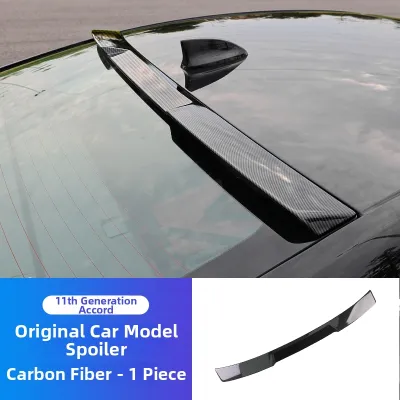
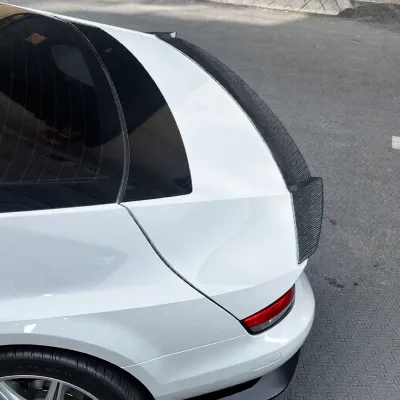
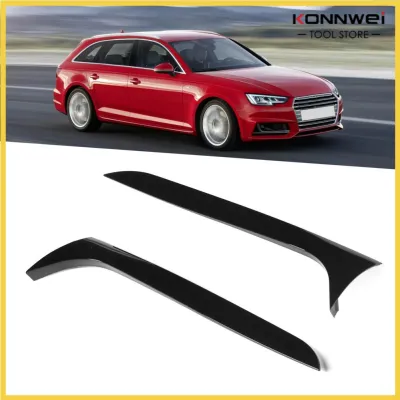
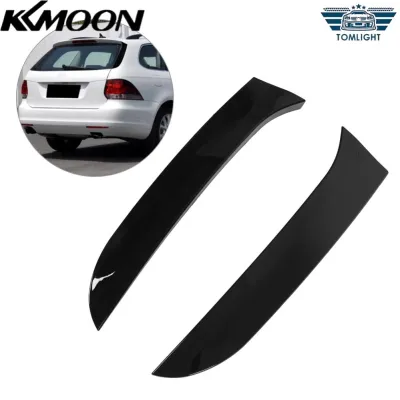
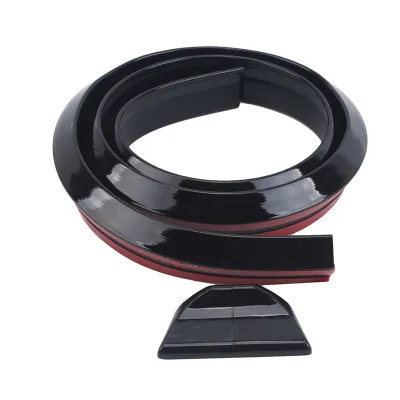
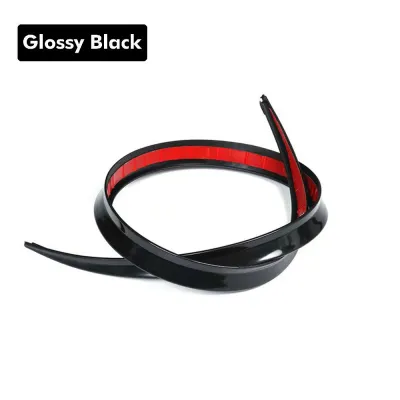
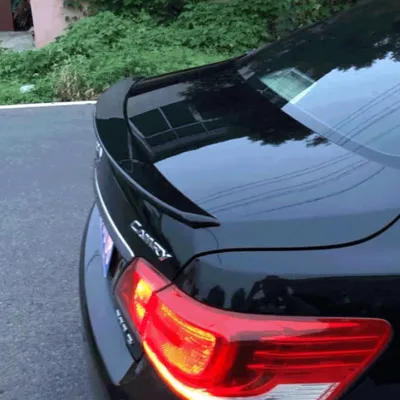
Prices are valid at publication and may change. Please refer to the product page for the latest price.
Beyond the VIN, you must identify your vehicle’s specific trim level and body style. For example, a sedan, coupe, hatchback, and wagon variant of the same model line will almost always feature completely different rear decklid profiles. Furthermore, performance-oriented trim levels may come equipped with factory-installed spoilers or pre-drilled mounting holes that differ from the base model. Checking your owner’s manual or consulting an authorized dealership can help you determine if your vehicle has any unique factory options that would affect aftermarket compatibility.
Additionally, you must consider the material of your vehicle’s original trunk lid or tailgate. Modern vehicles increasingly use lightweight materials such as aluminum, sheet molding compound (SMC), or carbon-fiber reinforced plastics for rear panels. These materials have different load-bearing capacities and structural characteristics compared to traditional steel. Mounting a heavy aftermarket wing on a lightweight composite trunk lid without proper internal reinforcement can cause the panel to flex, crack, or deform under aerodynamic load at highway speeds.
Verify Fitment and Mounting Requirements
Once you have documented your vehicle’s exact specifications, you must evaluate how the aftermarket spoiler attaches to your car. Rear spoilers generally fall into three primary mounting categories: adhesive-backed, bolt-on, and clamp-on. Each style requires a specific trunk or hatch structure to ensure a secure hold and prevent the component from detaching at highway speeds.

Adhesive-backed spoilers, often referred to as lip spoilers, are popular for their non-invasive installation. These components rely on high-strength, automotive-grade double-sided acrylic foam tape to bond directly to the painted surface of the trunk or tailgate. While this method avoids the need for drilling, it requires a perfectly flat or matching curved surface to achieve a full bond. You must verify that the spoiler’s underside contour matches the exact curvature of your trunk lid, as any tension or gap in the adhesive layer will eventually cause the tape to fail under wind load.
Bolt-on spoilers offer the most secure attachment but require physical holes to be drilled through the vehicle’s sheet metal or composite panels. If your vehicle came from the factory with a spoiler, you should look for aftermarket options designed to utilize the existing pre-drilled holes. If you must drill new holes, you must consult the vehicle’s service manual to ensure you do not damage internal wiring harnesses, latch mechanisms, or structural reinforcements. Additionally, proper structural sealing with automotive-grade silicone or rubber gaskets is mandatory to prevent rainwater from leaking into the trunk cavity and causing rust.
Another critical factor to consider when installing a heavier bolt-on spoiler is the capacity of your vehicle’s trunk struts or tension bars. Factory trunk hinges and gas struts are calibrated to support the exact weight of the stock trunk lid. Adding a heavy aftermarket spoiler can overwhelm these components, causing the trunk lid to slam shut unexpectedly or fail to remain open. When purchasing a substantial rear wing, you should check if the manufacturer recommends upgrading to heavy-duty gas struts or stiffer trunk tension springs to handle the additional weight safely.
Clamp-on spoilers secure to the outer edges of the trunk lid using specialized brackets and tension screws. While this style avoids drilling, it is only compatible with trunk lids that have exposed, flat edges with sufficient clearance. Regardless of the mounting style, you must check for physical clearance when the trunk or hatch is fully opened. A poorly fitted spoiler can strike the rear windshield, wiper arms, roofline, or aerial antenna, leading to cracked glass or dented bodywork. You must also ensure the spoiler does not block or shadow the rearview camera lens or the trunk release button.
Check Legal and Safety Compliance
Before purchasing any exterior modification, you must verify that the rear spoiler complies with local road safety standards and transport regulations. In many jurisdictions, including Singapore, aftermarket aerodynamic components are subject to strict guidelines to ensure they do not pose a hazard to other road users or compromise the driver’s visibility.
A primary safety consideration is the high-mount third brake light. This safety device must remain fully visible to drivers traveling behind you. If your vehicle’s original third brake light is integrated into the trunk lid or rear glass, the spoiler must not obstruct its light path from any standard viewing angle. Some aftermarket spoilers feature an integrated LED brake light strip; if you choose this option, you must ensure it is wired correctly into the vehicle’s electrical system according to original-equipment standards, and that such modifications are legally permitted in your region.
Pedestrian safety regulations also dictate the design and placement of exterior modifications. Spoilers must not have sharp edges, pointed corners, or protrude beyond the lateral width of the vehicle’s bodywork. Large, raised wings with metallic endplates are often restricted or prohibited on public roads because they can cause severe injury in a collision. You must review the local transport authority’s guidelines regarding allowable dimensions and materials for exterior attachments.
Beyond physical dimensions, you must consider the aerodynamic impact of the spoiler on vehicle stability. A poorly designed or incorrectly angled spoiler can disrupt the vehicle’s balance, creating lift instead of downforce, or generating excessive drag that reduces fuel efficiency and compromises handling at high speeds. If you are uncertain whether a specific spoiler design meets local regulations or safety standards, you should stop and consult a certified vehicle inspection center or a qualified automotive professional. Modifying your vehicle with non-compliant parts can result in failed roadworthiness inspections, fines, and a requirement to remove the component immediately.
Evaluate Material and Design Options
Aftermarket spoilers are manufactured from several different materials, each offering distinct characteristics regarding weight, durability, paint finish, and cost. Understanding these material properties will help you select an option that matches your long-term maintenance expectations and driving conditions.
Acrylonitrile Butadiene Styrene (ABS) plastic is the most common material used for original equipment and high-quality aftermarket spoilers. ABS plastic is highly impact-resistant, lightweight, and relatively inexpensive to manufacture. It can be easily painted to match your vehicle’s factory color code and holds up well against daily wear and tear. However, you must ensure the manufacturer has treated the ABS plastic with UV-resistant stabilizers, as prolonged exposure to intense sunlight can cause untreated plastic to become brittle and warp over time.
Fiberglass is another widely available material, often favored for custom or low-volume production designs. Fiberglass spoilers are rigid and lightweight, but they are more fragile than ABS plastic and can crack under sudden impacts or stress. They also require significant surface preparation, sanding, and priming before painting to achieve a smooth, factory-like finish. Polyurethane is a highly flexible alternative that resists cracking and can absorb minor impacts without damage, but it is heavier than fiberglass and requires specialized primers to ensure paint adhesion.
Carbon fiber represents the premium end of the spectrum, offering an exceptional strength-to-weight ratio and a distinct, high-tech appearance. True carbon fiber spoilers are finished with a clear, UV-resistant gel coat that showcases the woven fabric underneath. While highly durable, carbon fiber is expensive and cannot be easily repaired if cracked or deeply scratched. When choosing carbon fiber, verify that the manufacturer uses high-quality resins that resist yellowing or clouding under intense heat and UV exposure.
Plan the Installation Process
Installing a rear spoiler can range from a straightforward weekend project to a complex task requiring professional body shop equipment. Honestly assessing your technical skills, available tools, and the complexity of the installation is crucial to achieving a safe and visually appealing result.
For simple adhesive-backed lip spoilers, a DIY installation is highly feasible if you follow proper surface preparation protocols. The bonding area on the vehicle’s paint must be completely free of wax, grease, dirt, and ceramic coatings. Using an isopropyl alcohol solution to clean the surface and applying an adhesion promoter can significantly increase the longevity of the bond. Additionally, you must perform the installation within the manufacturer’s recommended temperature range to ensure the adhesive cures correctly.
If the spoiler requires drilling or complex electrical wiring for an integrated brake light, consulting a professional automotive body shop is highly recommended. Professional installers have the specialized templates, step drills, and rust-inhibiting primers necessary to create clean, sealed holes in your vehicle’s bodywork. They can also ensure that the spoiler is perfectly centered and aligned, preventing aerodynamic imbalance or uneven stress on the trunk hinges.
Before starting any installation, always review both the spoiler manufacturer’s instructions and your vehicle’s official service manual. Pay close attention to torque specifications for any mounting bolts, as over-tightening can crush composite spoilers or distort the vehicle’s sheet metal. If you choose to proceed with a DIY installation, ensure you have all safety gear, including protective eyewear and gloves, especially when handling adhesives, sealants, or drilling tools.
Frequently Asked Questions (FAQ)
Can I install a universal rear spoiler on any car?
While universal rear spoilers are marketed as compatible with a wide range of vehicles, they rarely provide a perfect fit. Universal spoilers are designed with flat or highly generalized mounting bases that do not account for the unique curves, contours, and structural reinforcements of your specific vehicle’s trunk or hatch. Attempting to force a universal spoiler onto an incompatible surface often results in visible gaps, uneven mounting pressure, and severe vibration at higher speeds.
Furthermore, installing a universal spoiler typically requires custom drilling and modification of your vehicle’s body panels. Without model-specific templates, aligning the spoiler correctly is extremely difficult, increasing the risk of off-center installation or structural damage. The lack of precise sealing gaskets also increases the likelihood of water leaks into your trunk, which can lead to corrosion and electrical damage over time. For these reasons, model-specific spoilers are highly recommended.
Will adding a rear spoiler affect my car insurance?
Yes, adding an aftermarket rear spoiler can affect your car insurance policy, and you must declare the modification to your insurance provider. Most insurance companies classify any cosmetic or aerodynamic change that did not come standard from the factory as a vehicle modification. Failing to report the installation of a spoiler can be viewed as a non-disclosure of material facts, which may complicate claims or even void your coverage entirely in the event of an accident.
Before purchasing or installing a spoiler, contact your insurance provider to understand how the modification will impact your premiums and coverage. Some insurers may adjust your premium slightly due to the altered value or perceived risk profile of the modified vehicle, while others may require proof of professional installation to maintain coverage. Keeping detailed receipts of the purchase and professional installation can help facilitate this process and protect your investment.
Community discussion
Share your experience or ask a question. Comments are reviewed before publication.