
Finding the right replacement lorry side mirror is not as simple as picking a part that looks similar to your original equipment. Because commercial vehicles are built to handle heavy-duty hauling, tight urban navigation, and varying load sizes, manufacturers design mirrors with highly specific dimensions, bracket styles, and electrical configurations. Choosing an incompatible mirror can lead to severe safety hazards, including blind spots, high-speed vibrations, electrical malfunctions, or failure during periodic roadworthiness inspections.
To ensure you select a mirror that fits your vehicle perfectly, you must systematically verify your lorry’s exact specifications, physical mounting design, glass curvature, and wiring harness configurations. Taking these steps before making a purchase prevents costly compatibility errors and ensures your vehicle remains safe and road-legal.
Gather Your Vehicle's Exact Specifications
Before searching for a replacement part, you must collect the precise baseline data of your commercial vehicle. The most reliable starting point is your vehicle’s 17-digit Vehicle Identification Number (VIN) or, in the case of many Japanese commercial models popular in Singapore, the chassis number (such as those starting with FE for Mitsubishi Fuso Canter or NPR for Isuzu). This unique identifier is typically stamped on a metal plate inside the passenger door frame, under the cabin on the chassis rail, or listed on your Land Transport Authority (LTA) log card.
Products mentioned in this guide
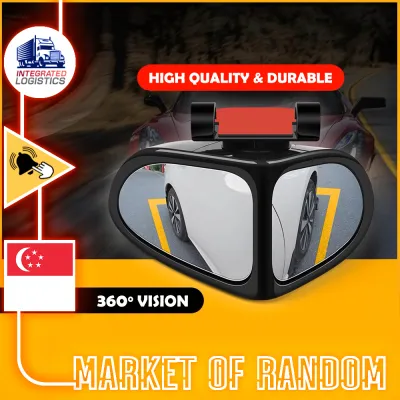
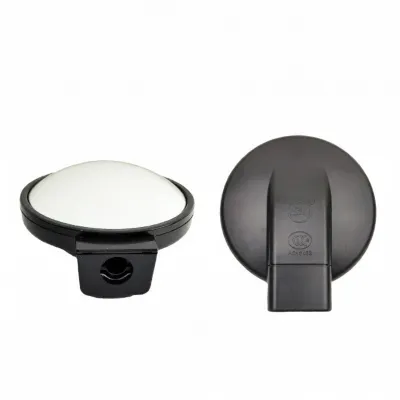
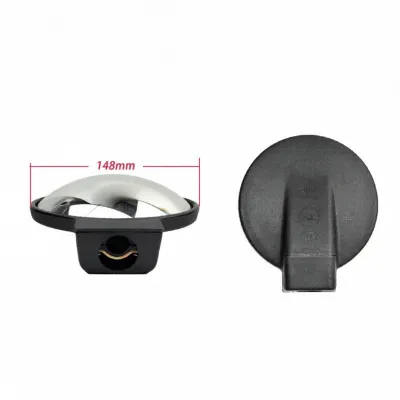
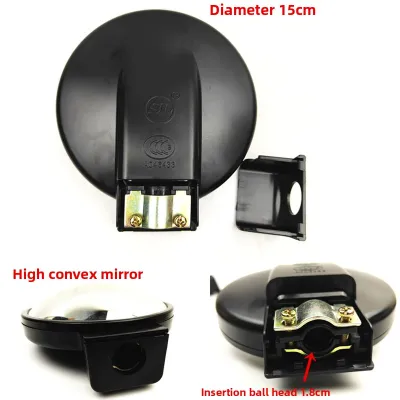


Prices are valid at publication and may change. Please refer to the product page for the latest price.
Knowing only the make and general model of your lorry is rarely sufficient. Manufacturers frequently introduce mid-generation updates or facelifts that alter the shape of the door panels, the curvature of the A-pillars, or the internal mounting brackets. A mirror designed for a 2018 model may not sit flush on a 2021 model of the exact same lorry series due to these subtle structural modifications.
Additionally, pay close attention to the specific trim level and cab configuration of your vehicle. Wide-cab, crew-cab, and standard-cab variants often require different mirror arm lengths to clear the wider body or cargo box. To establish an infallible baseline, check your owner’s manual or locate the Original Equipment Manufacturer (OEM) part number stamped on the backing plate or lower housing of your existing mirror. This number is the most direct way to source an exact match.
Identify the Mounting Type and Bracket Design
The physical attachment mechanism of a lorry side mirror must withstand intense wind resistance, road vibrations, and occasional minor impacts. Commercial vehicles utilize several distinct mounting styles, and installing an incorrect bracket type can compromise the structural stability of the entire assembly.

- Door-Mounted Brackets: Commonly found on light commercial vehicles, these assemblies bolt directly to the sheet metal of the door. They often feature a plastic or metal triangular base plate that must match the door's contour exactly.
- Fender-Mounted Arms: Often utilized on medium-to-heavy trucks, these long, curved metal arms attach to the front fender or hood frame. They position the mirror further forward to help the driver monitor blind spots without turning their head too far from the road.
- A-Pillar Brackets: These brackets secure directly to the structural pillar framing the windshield, providing a highly stable mount that is less susceptible to door-slamming vibrations.
When inspecting your current setup, measure the bolt hole spacing and base plate dimensions with a caliper or tape measure. You must also determine whether your vehicle uses a fixed mounting base or a swing-away (breakaway) mechanism. Swing-away brackets are designed to fold inward or outward upon impact, which is a crucial feature for preventing expensive body damage when navigating tight loading bays or narrow alleyways.
Never rely on visual similarity alone when evaluating brackets. Even a fractional difference in the curvature of the mounting base or the angle of the bolt holes will prevent the bracket from sitting flush. A poorly fitted bracket creates a safety boundary hazard; the gap allows wind to catch the housing, leading to violent shaking at highway speeds that can eventually fatigue the metal, strip the threads, or cause the mirror to detach entirely.
Check Mirror Dimensions and Field of View
A replacement mirror must provide an optimal field of view without exceeding the physical clearance limits of your vehicle’s operating environment. To begin, measure the overall height, width, and depth of your existing mirror housing, along with the surface area of the glass itself. Replacing a factory mirror with a significantly smaller or larger alternative can alter your visibility and affect road safety.
Understanding the functional differences between glass types is essential for managing blind spots on a large commercial vehicle:
- Flat Glass: This glass provides a true-to-life 1:1 reflection, allowing you to accurately judge the distance and speed of vehicles approaching from behind. It is typically used for the primary upper mirror.
- Convex Glass: Also known as a spotter mirror, this glass curves outward to compress the reflection, offering a much wider field of view. It is vital for monitoring the lower lanes directly adjacent to your lorry cab.
- Aspheric Glass: This advanced glass combines a flat inner section with a highly curved outer edge, eliminating the traditional split-mirror setup by merging both fields of view into a single, seamless piece of glass.
While it might be tempting to install an oversized mirror assembly to maximize your view, doing so introduces new risks. In Singapore’s dense urban environments, excessively wide mirrors can strike pedestrians, cyclists, or low-hanging tree branches along narrow roads. Ensure your chosen mirror dimensions meet the minimum visibility requirements for your lorry’s Gross Vehicle Weight (GVW) while remaining within the legal lateral width limits of your vehicle class.
Verify Electrical Connections and Smart Features
If your vehicle features powered, heated, or sensor-equipped mirrors, you must verify the electrical compatibility of the replacement unit to prevent wiring faults. Before attempting to inspect or detach the mirror, turn off the ignition and disconnect the vehicle’s battery to avoid short circuits. Always consult your vehicle’s manufacturer manual for instructions on removing the interior door trim to access the wiring harness.
Once you have accessed the wiring harness, unplug the connector and inspect it closely. Note the exact shape of the plastic plug housing, the arrangement of the internal pins, and the total pin count.
- 2-Pin Connectors: Typically dedicated solely to heated glass elements (defoggers).
- 3-Pin to 5-Pin Connectors: Standard for basic power-adjustable glass, allowing vertical and horizontal movement.
- 7-Pin to 12-Pin Connectors: Found on modern, high-spec lorries. These support advanced features such as integrated LED turn signals, motorized folding mechanisms, ambient temperature sensors, and blind-spot monitoring radar systems.
If the replacement mirror has a different pin count or a different connector shape than your factory harness, do not attempt to force the connection or splice the wires together. Forcing incompatible plugs or splicing wires can cause electrical overloads, blow critical fuses, damage the body control module, or void your vehicle’s warranty. If your replacement requires an upgrade from manual to power, or involves complex wiring adaptations, always seek the assistance of a qualified auto electrician before proceeding.
Ensure Compliance with Singapore Road Safety Regulations
Every commercial vehicle operating on Singapore roads must comply with strict safety standards enforced by the Land Transport Authority (LTA). These regulations are designed to protect both the lorry driver and vulnerable road users, such as motorcyclists and pedestrians.
Under local regulations, all commercial vehicles must be fitted with side mirrors that provide an unobstructed, clear view of the road behind and to the sides of the vehicle. The mirrors must be securely fastened to prevent excessive vibration, which can distort the driver’s perception of distance. Furthermore, aftermarket or replacement mirrors must not feature sharp edges, aggressive protrusions, or non-standard designs that could cause severe injury to pedestrians in the event of a side-swipe collision.
During periodic vehicle inspections at authorized centers like VICOM or JIC, inspectors will thoroughly evaluate the condition and mounting of your side mirrors. Cracked glass, loose brackets, or mirrors that shake excessively during operation will result in an immediate inspection failure. To avoid costly re-inspection fees and potential fines, ensure the mirror design and placement conform to the specific standards designated for your lorry’s classification.
How to Verify Lorry Side Mirror Compatibility Before You Buy
To ensure a seamless purchase and installation process, follow this final verification checklist before completing your transaction:
- Cross-Reference the OEM Part Number: Compare the manufacturer part number of the replacement mirror with the number stamped on your original unit.
- Match the Bolt Pattern: Verify that the mounting base plate dimensions and bolt hole spacing align perfectly with your lorry's door or pillar.
- Confirm the Pin Configuration: Count the pins on the wiring harness plug to ensure they match your vehicle's factory connector.
- Select the Correct Glass Type: Ensure the mirror features the appropriate combination of flat and convex glass to maintain your required field of view.
When purchasing parts from a local automotive stockist or an online commercial vehicle parts supplier, always contact the seller directly before finalizing the order. Provide them with your lorry’s VIN, make, model, and production year, along with clear photographs of your old mirror’s mounting bracket and electrical connector. Request written confirmation that the part is guaranteed to fit your vehicle, and verify that the seller offers a clear return or exchange policy in case you encounter unexpected fitment issues during installation.
Standard manual replacement mirrors for light commercial vehicles in Singapore generally range from S$30 to S$80, while complete electrical assemblies featuring heating elements and integrated blind-spot sensors for heavy-duty trucks can range from S$150 to over S$400. Investing the time to verify compatibility beforehand protects this financial investment and keeps your lorry operating safely on the road.
Frequently Asked Questions (FAQ)
Can I upgrade my manual lorry side mirror to a powered one?
While physically mounting a powered mirror onto a manual door frame is often possible, converting the system to function electrically is a highly complex task. You will need to run custom wiring harnesses through the door cavity into the cabin, install compatible interior control switches, and potentially integrate new relays into the fuse box. Because this modification carries a risk of electrical short circuits, water ingress through poorly sealed door grommets, and potential LTA compliance issues, it should only be performed by a qualified auto electrician.
What should I do if the replacement mirror vibrates excessively while driving?
Excessive vibration is typically caused by a loose mounting bracket, degraded rubber isolators, or an incorrect bracket match that prevents the base plate from sitting flush against the mounting surface. First, check the torque on the mounting bolts using a hand wrench, tightening them strictly to the manufacturer’s specified torque limits to avoid cracking the plastic mirror housing. If the bolts are tight but the vibration persists, inspect the rubber gasket behind the bracket for wear, or verify that the replacement mirror’s weight does not exceed the structural capacity of your vehicle’s mounting points.
Community discussion
Share your experience or ask a question. Comments are reviewed before publication.