
Finding the correct replacement side mirror for your Hyundai involves more than simply matching the vehicle’s model name and production year. Because modern vehicles feature highly integrated safety systems, driver-assist sensors, and convenience electronics, two seemingly identical Hyundai models parked next to each other can have entirely different side mirror assemblies. Ordering an incompatible part can lead to non-functioning blind-spot alerts, inactive heating elements, or a wiring harness that physically cannot connect to your door’s electrical plug.
To ensure a seamless replacement process, you must systematically verify your vehicle’s exact specifications, audit the electronic features of your current mirror, and locate the manufacturer’s original equipment part number before making a purchase. Taking these steps prevents costly ordering mistakes and ensures your new mirror functions safely and correctly.
Step 1: Gather Your Hyundai’s Exact Vehicle Details
To begin your search, you must collect the precise identification details of your vehicle. The most critical piece of information is the 17-character Vehicle Identification Number (VIN). This unique alphanumeric code serves as your car’s fingerprint, detailing the exact factory configuration, production date, and installed options. You can typically find the VIN stamped on a metal plate visible through the driver-side bottom corner of the windshield, printed on the safety certification label on the driver-side door jamb, or listed on your official vehicle registration and insurance documents.
Products mentioned in this guide
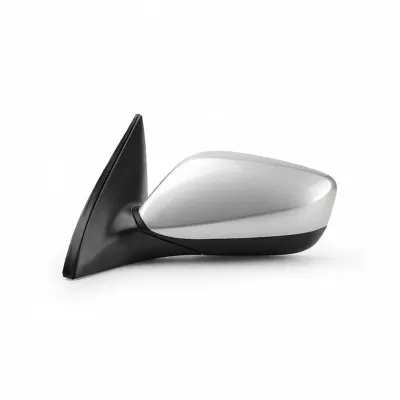
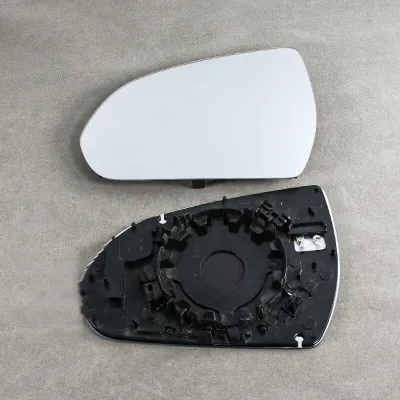


Prices are valid at publication and may change. Please refer to the product page for the latest price.
Alongside the VIN, write down the exact model name, model year, and trim level of your Hyundai. For example, a Hyundai Elantra or Tucson can come in several distinct trim levels, such as the base model, mid-tier variants, or top-tier performance and luxury editions. These trim levels dictate the level of technology integrated into your exterior accessories.
Relying solely on the model name and year is one of the most common mistakes when sourcing a replacement mirror. Manufacturers frequently update mirror designs mid-cycle or offer different mirror configurations within the same model year to accommodate varying trim packages. A base trim might feature a simple manual or basic power mirror, while a premium trim of the same year might include integrated cameras, blind-spot detection indicators, and auto-dimming glass. Having your VIN and trim details ready allows you to bypass generic compatibility charts and query precise manufacturer databases.
Step 2: Identify Your Current Mirror’s Features and Wiring
Before looking at replacement options, you must perform a thorough audit of your existing mirror’s physical and electronic features. Start by examining the glass itself. Determine if it is standard flat glass, convex glass for a wider field of view, or auto-dimming glass that automatically reduces glare from trailing headlights. Look closely at the outer edges of the glass for etched icons indicating built-in driver-assist features, such as a blind-spot monitoring warning light or a heated mirror symbol.

Next, inspect the exterior housing. Note whether the mirror has an integrated LED turn signal strip, an under-mirror puddle lamp that illuminates the ground when you approach, or a small camera lens underneath that feeds into a 360-degree surround-view monitor system. You should also verify how the mirror folds. Basic models require you to fold them manually against the door, while higher-end trims feature power-folding motors controlled by an interior switch.
The most definitive way to confirm compatibility is to examine the internal wiring harness connector. This requires removing the interior door trim panel to access the mirror’s mounting bolts and electrical plug. Count the number of metal pins inside the plastic connector plug. A basic power mirror might only use a 3-pin or 5-pin connector, whereas a fully loaded mirror with heating, power-folding, turn signals, and blind-spot sensors can require a 10-pin, 14-pin, or even larger connector. Matching the pin count and plug shape is essential, as a plug with the wrong pin configuration will not connect to your vehicle’s door harness.
Because accessing the wiring harness requires working with your vehicle’s electrical system and removing interior panels, always disconnect the vehicle’s negative battery terminal before starting disassembly to prevent short circuits or airbag faults. Refer to your original vehicle owner’s manual for specific panel removal instructions. If you are uncomfortable handling electrical connectors or removing door trim, seek assistance from a qualified automotive technician before proceeding with the installation.
Step 3: Locate the Official OEM Part Number
The most reliable method to guarantee a perfect fit is to find the original equipment manufacturer (OEM) part number assigned to your specific mirror assembly. If your original mirror is still partially intact or has been removed from the vehicle, inspect the housing for identification marks. Manufacturers often print, stamp, or stick a label containing the part number on the plastic backing plate behind the mirror glass, on the inner mounting base that mates with the door frame, or inside the main housing cavity.
If the label is missing, illegible, or the mirror is completely lost, you can use your verified VIN to retrieve the exact part number. Contact the parts department of an authorized Hyundai dealership and provide them with your VIN. The parts specialist can look up your vehicle’s build sheet in the official factory catalog to identify the precise part number for your left or right mirror. Alternatively, you can input your VIN into reputable online OEM parts databases that offer interactive exploded-view diagrams of the door and mirror assemblies.
Never guess a part number based on visual similarity alone. Hyundai may use identical-looking mirror housings across different models or model years, but the internal mounting brackets, bolt patterns, or wiring pinouts can differ by fractions of a millimeter or use entirely different electronic protocols. Sourcing your replacement using the exact OEM part number eliminates this risk and ensures the new unit will bolt securely to your door frame and function correctly.
Step 4: Evaluate OEM, Aftermarket, and Used Replacements
Once you have the correct part number, you must decide whether to purchase a genuine OEM part, an aftermarket alternative, or a used component. Genuine OEM parts are manufactured directly by or for Hyundai to match the original factory specifications. Choosing an OEM replacement guarantees a perfect physical fit, matching paint finish quality, and complete electronic compatibility with your vehicle’s safety systems. While OEM parts generally carry a higher price point, they offer the highest reliability and preserve the integrity of advanced features like blind-spot cameras and auto-dimming glass.
Aftermarket replacements are produced by third-party manufacturers and are often more budget-friendly. They are highly suitable for older Hyundai models or basic trim levels that only require manual adjustment or simple power glass. However, you must exercise caution when selecting aftermarket mirrors for vehicles equipped with advanced driver-assistance systems. Some aftermarket options may lack the precise calibration required for blind-spot sensors or surround-view cameras, which can lead to system errors or require professional recalibration after installation.
Used or salvage parts sourced from auto recyclers present an excellent middle ground, especially if you are looking for a pre-painted mirror housing that matches your car’s factory color. When evaluating a used mirror, inspect the glass for scratches or delamination, check the plastic housing for cracks or sun fade, and ensure the wiring harness plug is undamaged with no bent or corroded pins. Verify that the donor vehicle matches your exact model year, trim, and feature set to ensure the internal motors and electronics are still fully functional.
Step 5: Verify Fitment and Return Policies Before Buying
Before finalizing your purchase, perform a final round of verification to protect your investment. If you are buying from an online auto parts retailer or an online marketplace, cross-reference the seller’s compatibility tool or fitment chart with your verified OEM part number and VIN. Do not rely solely on generic compatibility banners, as these automated systems often overlook specific trim-level variations or mid-year production changes.
Carefully review the retailer’s return policy before submitting your order. Pay close attention to the terms regarding electrical components and fragile items. Many parts distributors enforce strict return limitations on electrical parts once the packaging has been opened, or they may charge substantial restocking fees. Ensure the seller offers a clear return window and provides shipping protection for fragile glass components in case the mirror is damaged during transit.
If you are purchasing the replacement mirror from a local auto parts store or salvage yard, bring your old mirror assembly or high-resolution photographs of the mounting base and wiring connector with you. Lay the two parts side-by-side to compare the physical dimensions, the alignment of the mounting studs, the shape of the plastic electrical plug, and the color of the wires. This hands-on comparison is the most effective way to confirm fitment before exchanging payment, saving you valuable time and preventing the hassle of returning an incorrect part.
Frequently Asked Questions (FAQ)
Can I upgrade my manual Hyundai side mirror to a power-folding one?
Upgrading from a manual side mirror to a power-folding mirror is rarely a simple plug-and-play process. Even if the physical housing fits your door frame, your vehicle’s existing door wiring harness likely lacks the necessary electrical leads to power the folding motors. Additionally, you would need to install the corresponding interior control switch panel and potentially reprogram the vehicle’s body control module to recognize the new power-folding function. Because of these extensive wiring and software requirements, attempting this upgrade without custom wiring harnesses and professional electrical modification is not recommended.
Does a replacement side mirror need to be painted to match my car?
Most brand-new replacement side mirrors, whether OEM or aftermarket, are shipped in a primed, unpainted black finish. To match your vehicle’s factory color, you will need to take the new mirror cover to a professional auto body shop for painting. You can find your Hyundai’s exact paint code on the safety certification label located on the driver-side door jamb. Alternatively, you can search for used or salvage mirrors from a donor vehicle of the same model year and color code, which allows you to bypass the painting process entirely, provided the used part’s paint is in acceptable condition.
Community discussion
Share your experience or ask a question. Comments are reviewed before publication.