
Finding the correct replacement for a damaged car side view mirror involves more than just matching your vehicle’s brand and color. To ensure a perfect fit, you must systematically verify your car’s exact manufacturing specifications, identify the specific electrical features built into your current mirror assembly, and locate the correct Original Equipment Manufacturer (OEM) part number. Because modern side mirrors house complex safety sensors, cameras, and heating elements, choosing an incorrect replacement can compromise your vehicle’s advanced driver assistance systems (ADAS) and road safety.
In Singapore’s Right-Hand Drive (RHD) environment, sourcing the correct part requires extra vigilance. A mirror designed for a Left-Hand Drive (LHD) market will have incorrect glass curvature and adjustment angles, severely limiting your rearward visibility. By following a structured verification process, you can confidently select a replacement that restores both the aesthetic appeal and the safety features of your vehicle.
Identify Your Vehicle's Exact Specifications
To begin your parts search, you must gather the precise details of your vehicle. Simply knowing that you drive a specific model is rarely sufficient because manufacturers frequently introduce mid-cycle updates, commonly known as facelifts. These updates can alter the exterior design of the car side view mirror, change the mounting brackets, or modify the internal electrical connectors without changing the model name.
Products mentioned in this guide
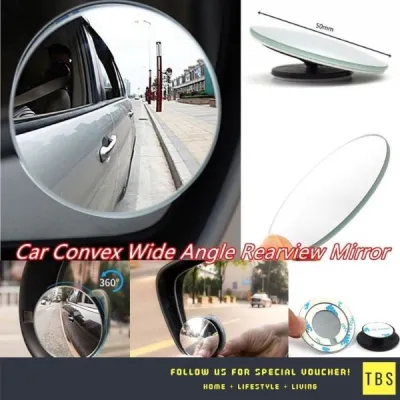


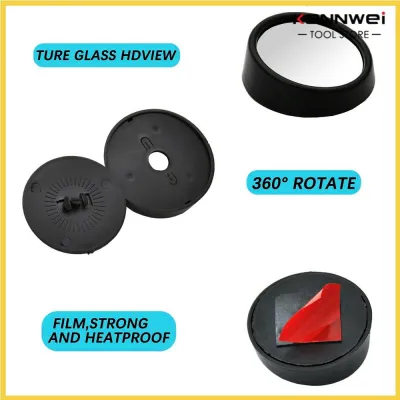
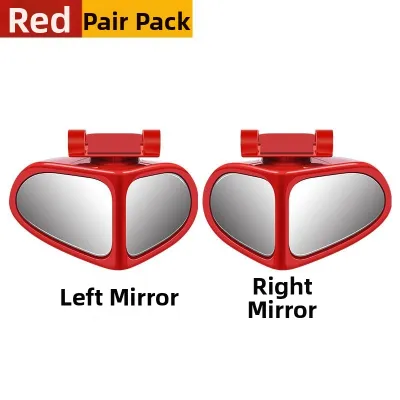
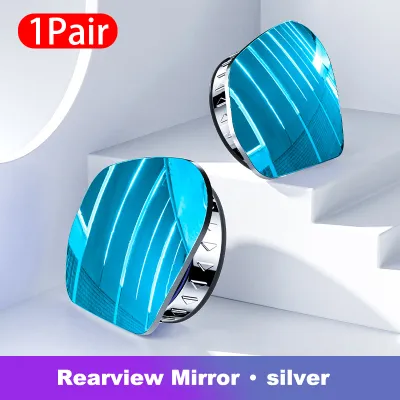
![[SG] [FREE SHIP] 2 Pcs in Box Car Blind Spot Mirror (Type A) Side View Mirror Wide Angle Drive Easy Small Round 360 View](https://img.lazcdn.com/g/p/5b915afb52d35ddb54b56834351d6a62.jpg_400x400q80.jpg_.webp)
Prices are valid at publication and may change. Please refer to the product page for the latest price.
You can find your vehicle’s official details on your Land Transport Authority (LTA) vehicle log card, accessible via the OneMotoring portal. Alternatively, check your motor insurance certificate or the manufacturer’s identification plate, which is typically located on the driver-side door jamb or under the bonnet. Ensure you note the exact model code, production year, and trim level, as these parameters dictate the specific features installed on your vehicle from the factory.
Guessing your vehicle’s trim level is a common mistake that often results in ordering an incompatible part. For example, a base-model sedan might use a simple manual-folding mirror, whereas the premium trim of the exact same model and year might feature power-folding mirrors with integrated blind-spot indicators. Relying on precise documentation ensures you do not purchase an assembly that lacks the necessary internal wiring or features.
Inspect Your Current Side View Mirror for Features and Functions
Modern side mirrors are highly integrated electronic components. Before purchasing a replacement, you must perform a thorough physical and functional audit of your surviving mirror or the damaged assembly to catalog its specific capabilities. This step is critical because the replacement mirror must match the exact wiring configuration of your vehicle’s existing door harness.

Use this checklist to identify the features built into your current mirror:
- Power Folding: Does the mirror fold automatically when you lock the car, or via an interior switch?
- Heated Glass: Is there a rear-defogger linkage that clears mist and condensation from the mirror glass?
- Turn Signals: Are there LED or bulb-based indicator lights built into the outer plastic housing?
- Blind-Spot Monitoring (BSM): Is there an illuminated icon or warning light on the glass surface that alerts you to adjacent vehicles?
- Auto-Dimming: Does the glass automatically tint at night to reduce glare from headlights behind you?
- Puddle Lamps: Is there a small downward-facing light on the underside of the mirror housing that illuminates the ground when you unlock the door?
To confirm which electronic functions are active, sit in your vehicle and test each control on your door panel. Pay close attention to how the mirror responds. If your mirror features an integrated camera for a 360-degree surround-view system, the assembly will contain highly complex multi-pin wiring connectors and specialized internal mounting brackets. These advanced systems require specific replacement units that are physically and electronically compatible with your vehicle’s central computer.
Determine Driver vs. Passenger Side and Adjustment Type
When ordering a car side view mirror, you must clearly specify which side of the vehicle needs the replacement. In Singapore, vehicles are Right-Hand Drive (RHD), meaning the driver sits on the right side of the cabin. Therefore, the driver-side mirror is the right-side mirror, and the passenger-side mirror is the left-side mirror. Always double-check this orientation, as many online parts catalogs default to Left-Hand Drive (LHD) configurations where the driver’s side is on the left.
Beyond physical orientation, you must verify the mirror’s adjustment mechanism. Manual mirrors are adjusted by physically pushing the glass or using a mechanical joystick located on the interior door panel. Power mirrors use electric motors housed inside the casing, controlled by an electronic switch on your dashboard or armrest.
Manual and power-adjustable mirrors are not interchangeable. Manual mirrors have simple internal structures and do not require electrical connections for movement, whereas power mirrors rely on multi-pin wiring harnesses. Attempting to install a manual mirror housing on a vehicle wired for power mirrors will disable your electronic adjustment controls and leave unused, exposed electrical connectors inside your door panel.
Locate the OEM Part Number or Use a VIN Decoder
The most reliable way to guarantee a perfect fit is to identify the Original Equipment Manufacturer (OEM) part number assigned to your specific mirror. This unique alphanumeric code is assigned by the vehicle manufacturer and corresponds to the exact shape, color code, and electrical configuration of your mirror assembly.
To find this number, you may need to inspect the damaged mirror assembly. The OEM part number is often printed on a barcode sticker located on the inner mounting bracket, on the back of the mirror housing, or on the rear plastic backing plate of the mirror glass itself. Accessing these areas may require carefully removing the mirror glass or unbolting the assembly from the door frame.
If the label on your damaged mirror is missing or illegible, you can use your Vehicle Identification Number (VIN) to find the correct part. Your VIN is a unique 17-character code found on your LTA log card, your insurance documents, or visible through the bottom of your front windscreen on the driver’s side. You can provide this number to an authorized dealership’s parts department or input it into a reputable online VIN decoder to retrieve your vehicle’s factory build sheet and the exact corresponding OEM part numbers. This method is the most effective way to account for mid-year production changes or modifications made by previous owners.
OEM vs. Aftermarket Side View Mirrors: Which Should You Choose?
When purchasing a replacement car side view mirror, you will generally choose between OEM parts and aftermarket alternatives. OEM mirrors are produced by your vehicle’s manufacturer or their authorized suppliers. They offer a guaranteed physical fit, exact paint matching, seamless integration with your vehicle’s safety electronics, and are backed by a manufacturer warranty. However, OEM assemblies are typically more expensive, with prices in Singapore often ranging from S$300 to over S$1,000 depending on the complexity of the integrated technology.
Aftermarket mirrors are manufactured by independent companies. They are widely available and generally more affordable, often costing between S$80 and S$250. This makes them a popular choice for older vehicles or budget-conscious drivers. While many reputable aftermarket brands produce high-quality components, low-grade aftermarket mirrors carry significant risks.
Cheap, unbranded aftermarket mirrors frequently suffer from structural and functional deficiencies. Common issues include missing pins in the wiring harness—which will disable features like heating or blind-spot monitoring—poor glass clarity, and excessive vibration when driving at highway speeds. Furthermore, the glass curvature on low-quality aftermarket mirrors may not match safety standards, distorting your perception of distance and creating dangerous blind spots.
As a general decision framework, if your vehicle’s side mirror contains advanced electronics, integrated cameras, or blind-spot sensors, investing in an OEM replacement is highly recommended to preserve system calibration and safety. For older vehicles with basic manual or simple power-adjustable mirrors without advanced driver assistance systems, a high-quality, certified aftermarket mirror from a reputable manufacturer can be a cost-effective and safe alternative.
Verify Fitment and Safety Before Installation
Once your replacement mirror arrives, you must verify its compatibility before beginning the installation process or dismantling your car door panel. Place the new mirror next to the old assembly and conduct a detailed visual inspection. Compare the shape of the mounting base, the position of the bolt holes, and the configuration of the electrical connector pins to ensure they are identical. Always verify the vehicle model, production year, interface, dimensions, mounting position, road legality, and safety impact from the specific product and vehicle documentation; never infer compatibility from a generic category term.
For any electrical work, driver-assistance system integration, or mirror disassembly, always consult your vehicle’s original manufacturer instructions and manual. If you are uncomfortable handling wiring harnesses, door panel removal, or sensor calibration, seek assistance from a qualified automotive technician before purchasing or attempting installation. If the replacement mirror contains integrated cameras for 360-degree views or sensors for blind-spot monitoring, professional calibration at an authorized workshop is typically required. Skipping this step can lead to distorted camera displays, misaligned safety alerts, or complete system failures.
Never force a wiring connector into a plug that does not match, and do not attempt to modify the mounting brackets or door panel to make an ill-fitting mirror fit. If the physical dimensions or electrical connectors do not align perfectly, stop immediately and contact your parts supplier or a qualified professional to verify that you have received the correct part for your specific vehicle configuration.
Frequently Asked Questions (FAQ)
Can I just replace the mirror glass instead of the whole assembly?
Yes, you can replace only the mirror glass if the outer plastic housing, the internal mounting brackets, the adjustment motor, and the wiring harness are completely undamaged. Glass-only replacements are highly cost-effective and straightforward to install. However, if your mirror features integrated turn signals, heating elements, or blind-spot monitoring indicators, you must ensure the replacement glass specifically supports these electrical features and includes the correct rear-side wire connectors to plug into your existing harness.
Do I need to recalibrate my car's cameras after replacing the side mirror?
Yes, if your car side view mirror houses a camera for a 360-degree surround-view system or is integrated with advanced driver assistance systems (ADAS), professional software calibration is required after installation. Failing to calibrate the new camera can result in misaligned camera stitching, distorted visual feeds on your dashboard screen, or inaccurate safety warnings from your vehicle’s collision-avoidance systems. This calibration must be performed using specialized diagnostic equipment at a qualified automotive workshop.
Community discussion
Share your experience or ask a question. Comments are reviewed before publication.