
A truly waterproof and UV-resistant car cover relies on a multi-layered system combining a durable base fabric with specialized functional coatings and reflective outer treatments. No single raw material can block heavy rain while simultaneously reflecting intense solar radiation and allowing trapped moisture to escape. To protect your vehicle’s paintwork and interior from harsh outdoor elements, you must look past generic marketing buzzwords and evaluate the specific construction, coating types, and breathability features of the cover.
Choosing the wrong material can lead to trapped moisture, paint blistering, or accelerated fabric degradation under intense sunlight. Understanding how base fabrics, chemical coatings, and structural designs interact allows you to make an informed decision that matches your local climate and parking conditions.
Decoding the Fabric Base and Coating Layers
An effective outdoor car cover is rarely made of a single, uniform sheet of fabric. Instead, manufacturers construct high-performance covers by bonding multiple layers together, each serving a distinct protective purpose. The foundation of any cover is the base fabric, which provides the necessary tensile strength, tear resistance, and structural integrity to withstand wind and physical wear.
Products mentioned in this guide
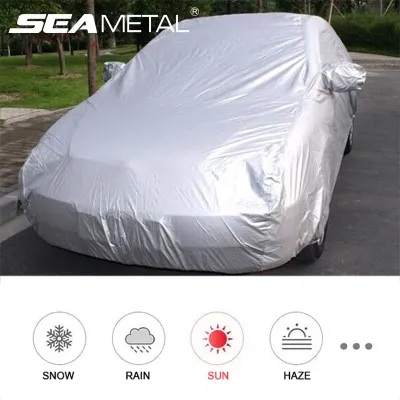
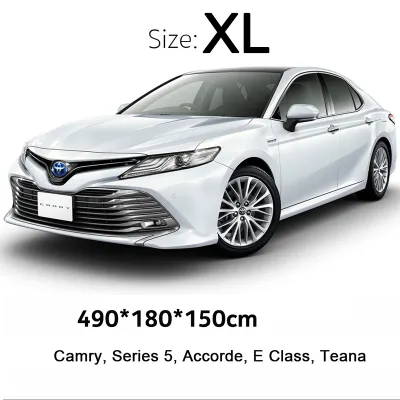
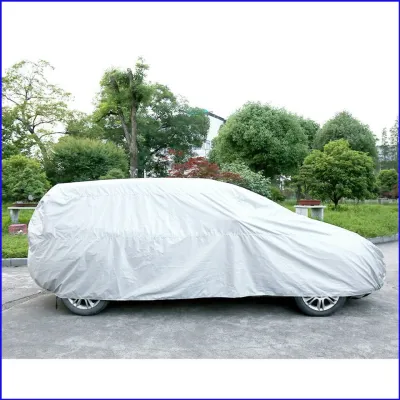
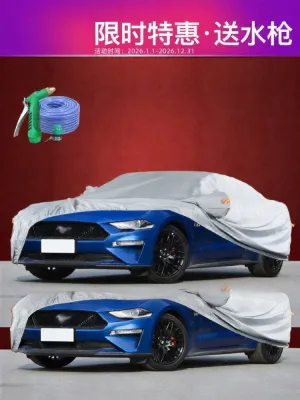
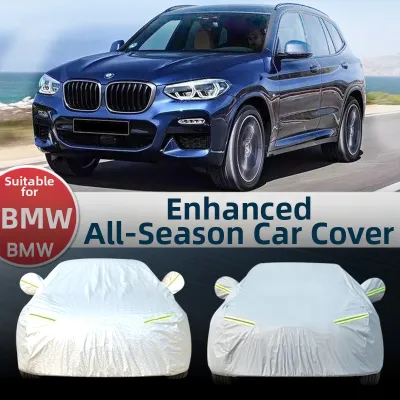
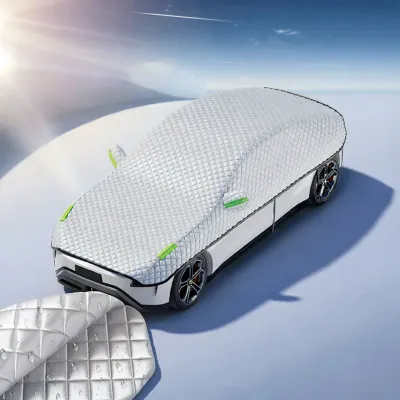
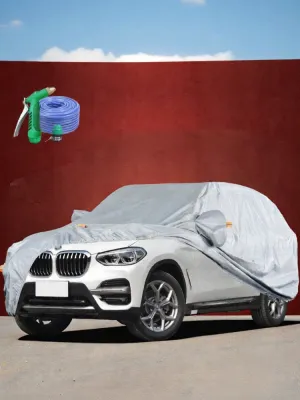
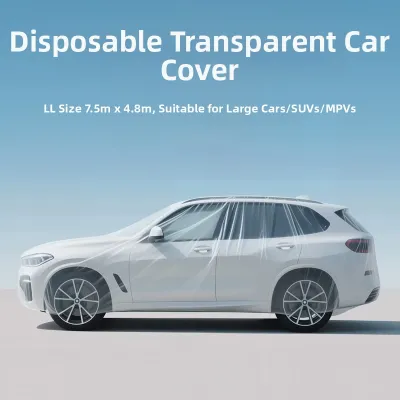
Prices are valid at publication and may change. Please refer to the product page for the latest price.
Polyester and nylon are the most common synthetic fibers used for the base layer. Polyester is highly favored for outdoor use because of its natural resistance to stretching, shrinking, and UV degradation compared to untreated nylon. When reading product specifications, you will often see fabric density measured in Denier (such as 150D or 300D). A higher Denier count generally indicates thicker, stronger threads, which translate to better long-term durability against tearing and wind strain.
Because raw woven synthetic fabrics are naturally porous, they cannot block water or UV rays on their own. To achieve these protective properties, manufacturers apply specialized chemical coatings or laminate functional membranes to the base fabric. Polyurethane (PU) coatings are widely applied to the underside of the fabric to block liquid water penetration, while acrylic coatings are often used to enhance UV stability and fabric strength.
Multi-layer covers typically feature a soft, non-abrasive inner lining bonded to the bottom of the base fabric. This inner layer, often made of spun-bond polypropylene, cotton fleece, or microfiber, acts as a protective cushion. It prevents the rougher structural polyester fibers from rubbing directly against your vehicle’s clear coat, minimizing the risk of micro-scratches when installing or removing the cover.
Evaluating Waterproof Claims and Limitations
Marketing descriptions frequently use the terms “waterproof,” “water-resistant,” and “water-repellent” interchangeably, but they represent very different levels of protection. Understanding these distinctions is crucial for selecting a cover that can handle heavy, prolonged downpours without failing.

Water-repellent covers are treated with a hydrophobic surface coating, often referred to as a Durable Water Repellent (DWR) finish. This treatment causes water to bead up and roll off the surface upon contact. While highly effective during light showers, a water-repellent finish alone will eventually allow water to penetrate the fabric during sustained, heavy rain or when water pools on flat surfaces of the vehicle.
Water-resistant covers offer a higher level of protection, often utilizing tightly woven fabrics or thin internal coatings that can withstand moderate rainfall for a limited duration. However, for complete protection against severe weather, you require a truly waterproof cover. These covers utilize impermeable internal membranes or heavy polyurethane coatings that physically block liquid water from passing through the fabric, even under significant pressure.
Some manufacturers specify the waterproof capability of their materials using a hydrostatic head rating, measured in millimeters. This metric indicates the height of a water column the fabric can support before liquid begins to seep through. While not always listed on consumer packaging, a higher hydrostatic head rating indicates superior resistance to water penetration under pressure.
However, absolute waterproofing introduces a significant trade-off: a lack of breathability. A completely sealed, impermeable cover acts like a plastic bag, trapping rising ground moisture, humidity, and condensation underneath. In warm, humid environments, this trapped moisture creates a greenhouse effect over your vehicle, which can lead to paint clouding, rust, and mold growth. To mitigate this, high-quality waterproof covers must incorporate breathable membrane layers or strategically placed, shielded ventilation flaps that allow water vapor to escape while keeping liquid rain out.
Assessing UV Protection and Heat Reflection
Intense solar radiation is one of the most destructive elements a parked vehicle faces, causing paint oxidation, clear coat failure, and the cracking of interior dashboard materials. To prevent this damage, a car cover must actively block ultraviolet (UV) rays and reflect solar heat away from the vehicle’s surface.
UV resistance is typically achieved through two primary methods: chemical UV inhibitors integrated into the fabric fibers during manufacturing, and reflective outer coatings. Untreated synthetic fabrics degrade rapidly under direct sunlight, becoming brittle, faded, and prone to tearing. Built-in UV inhibitors protect both the cover’s structural integrity and the vehicle beneath it by absorbing or dispersing harmful radiation.
To combat heat buildup, many outdoor car covers feature a highly reflective outer layer, commonly finished in silver or aluminum-colored coatings. These metallic finishes act as a mirror, bouncing solar infrared radiation away from the vehicle. This reflective action helps maintain a lower ambient temperature inside the cabin, protecting sensitive electronics and leather upholstery from extreme heat stress.
When evaluating product options, do not assume that a thicker, heavier fabric automatically provides better sun protection. Instead, look for explicit manufacturer claims regarding UV protection factors (UPF) or specialized UV-resistant coatings. A lightweight, engineered multi-layer cover with a high-quality reflective finish will often outperform a heavy, dark-colored canvas cover that absorbs heat and transfers it directly to your vehicle’s paintwork.
Verifying Durability and Maintenance Requirements
Even the most advanced waterproof and UV-resistant coatings will degrade over time if subjected to harsh environmental conditions and improper care. To ensure your car cover maintains its protective properties for several seasons, you must understand its long-term durability limits and maintenance requirements.
Constant exposure to fluctuating temperatures, heavy rain, and intense sunlight will eventually cause protective coatings to wear down. Regularly inspect your cover for early signs of degradation, such as flaking or peeling on the coated underside, localized fabric thinning, or a loss of water-beading capability on the outer surface. Stiffness or a brittle texture in the fabric indicates that the UV inhibitors have degraded, meaning the cover is nearing the end of its functional lifespan.
Proper cleaning is essential to preserve the integrity of the functional coatings. Always consult the manufacturer’s care label before attempting to clean your cover. Avoid using harsh household detergents, bleach, or abrasive scrubbing brushes, as these chemicals and physical actions can strip away the delicate waterproof membranes and UV-resistant finishes. Instead, wash the cover while it is installed on the vehicle using a soft sponge, clean water, and a mild, pH-neutral soap specifically formulated for technical fabrics.
Never wash a heavy outdoor car cover in a household washing machine or dry it in a mechanical dryer unless explicitly authorized by the manufacturer’s instructions. The agitation and heat can delaminate the bonded layers and melt reflective coatings. After cleaning, allow the cover to air-dry completely on the vehicle or a clothesline. Storing a damp cover in its storage bag encourages mold growth, fabric rot, and the breakdown of polyurethane coatings.
Building Your Evaluation Checklist Before Buying
Before purchasing a waterproof car cover, compile a checklist of technical specifications and design features to ensure you are getting genuine protection rather than marketing hype. This systematic approach helps you compare different products objectively based on your specific parking environment.
First, verify the layer construction. Look for products that clearly detail the function of each layer, specifically identifying a durable base fabric (such as polyester), an active waterproof barrier (like a polyurethane coating), and a soft, paint-safe inner lining. Avoid products that only list a single generic material name without explaining how waterproof and UV-resistant properties are achieved.
Second, evaluate the seam construction. Water is highly likely to penetrate through the needle holes of standard stitched seams during heavy rain. High-quality waterproof covers feature double-stitched seams that are reinforced with internal waterproof tape or are heat-sealed to prevent water intrusion. If a cover claims to be fully waterproof but lacks sealed or taped seams, water will eventually leak through the stitching lines onto your vehicle.
Third, assess the fit and securing mechanisms. A loose-fitting cover can flap violently in high winds, causing the inner lining to rub against your paintwork and potentially causing micro-abrasions. Ensure the cover includes elasticized hems, adjustable under-body buckle straps, and reinforced grommets for securing the cover tightly to your specific vehicle dimensions. Always verify your vehicle’s exact model year and physical measurements against the manufacturer’s sizing guide before purchasing.
Finally, consider your local climate patterns. If you park your vehicle in a highly humid, tropical environment with frequent heavy downpours, prioritize covers that feature robust, shielded ventilation flaps or highly breathable semi-permeable membranes. For extremely sunny, dry environments, prioritize covers with highly reflective silver outer coatings and certified UV-stabilized materials to minimize heat transfer and fabric degradation.
Frequently Asked Questions (FAQ)
Can a completely waterproof car cover trap moisture and damage paint?
Yes, a completely waterproof cover that lacks breathability can trap moisture rising from the ground or evaporating from the vehicle’s surface. Under direct sunlight, this trapped moisture creates a humid greenhouse environment beneath the cover. This sustained humidity can lead to paint blistering, clear coat clouding, rust, and mold growth. To prevent this, always choose a cover equipped with built-in ventilation flaps or breathable membrane layers that allow moisture vapor to escape safely.
Do I need to re-treat my car cover with waterproofing spray?
This depends entirely on the manufacturer’s design and care instructions. Some high-end covers feature factory-applied coatings designed to last the lifetime of the fabric, while others may gradually lose their water-beading properties over time due to environmental exposure. If you notice water is no longer beading on the surface, consult the manufacturer’s documentation to see if they recommend applying a compatible, aftermarket fabric protector or waterproofing spray to restore the outer water-repellent layer.
Community discussion
Share your experience or ask a question. Comments are reviewed before publication.