
Finding a disposable car cover that can withstand intense ultraviolet radiation and sudden, heavy monsoon downpours requires looking beyond generic marketing claims. While disposable covers offer a lightweight, temporary shield, their performance depends entirely on verifying specific material compositions, structural reinforcements, and proper application techniques. To protect your vehicle’s paintwork from water spots and heat degradation, you must evaluate these temporary covers as short-term barriers rather than permanent outdoor parking solutions.
Understanding how these covers interact with tropical weather elements is the first step toward making an informed purchase. By focusing on verifiable material specifications and safe usage practices, you can shield your vehicle effectively without risking damage to its clear coat.
Understanding the Limits of Disposable Covers in Tropical Climates
The local climate presents a dual challenge of high-intensity UV exposure and sudden, torrential downpours. Disposable car covers, typically made from thin plastic polymers, are designed for temporary protection rather than long-term outdoor storage. Expecting a single-use cover to perform like a heavy-duty, multi-layer custom cover over several weeks will inevitably lead to disappointment and potential vehicle damage.
Products mentioned in this guide
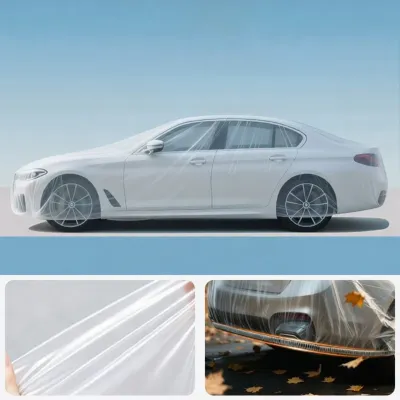
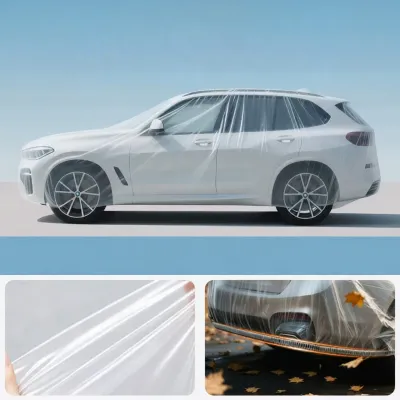
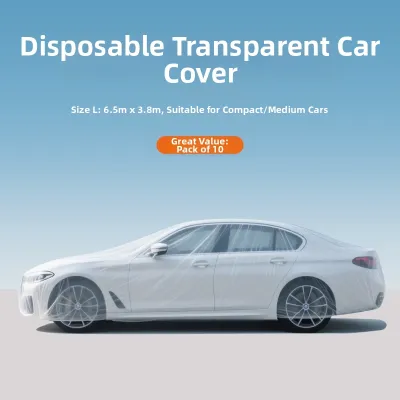
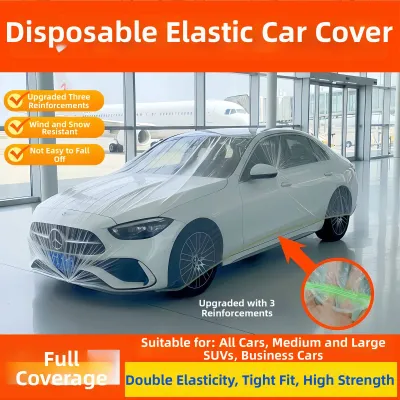
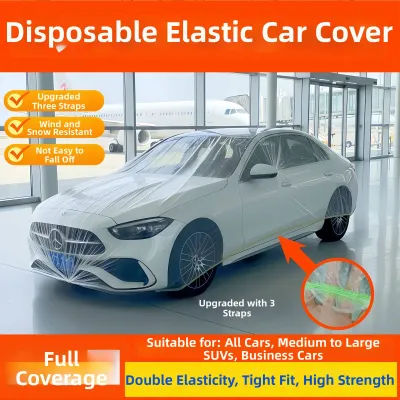
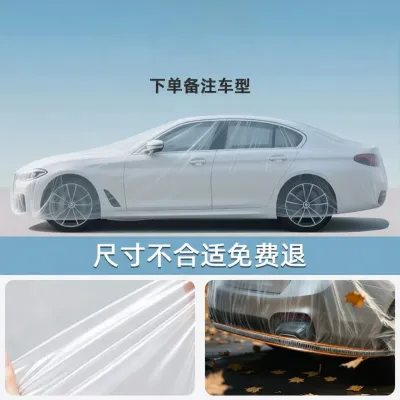
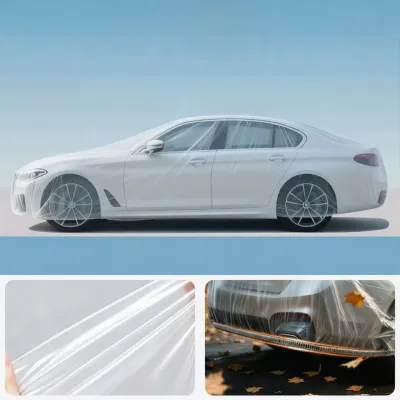
Prices are valid at publication and may change. Please refer to the product page for the latest price.
When browsing online marketplaces, it is crucial to distinguish between “water-resistant” and “waterproof” product descriptions. Water-resistant covers may repel light drizzle, but they will quickly saturate or allow water to seep through under the pressure of a tropical thunderstorm. Fully waterproof options rely on non-porous barriers, but even these can fail if the seams are not adequately sealed against driving rain.
Wind vulnerability is another critical factor in coastal and high-rise residential environments. Lightweight disposable covers lack the structural weight of multi-layer reusable covers, making them highly susceptible to catching wind gusts. Without secure fastening points, strong winds can easily tear the thin material or blow the cover off entirely, leaving the vehicle completely exposed to the elements.
Consequently, these single-use or short-term covers are best suited for temporary scenarios. They excel at protecting a clean vehicle during brief periods, such as weekend storage, short-term parking near construction sites, or indoor dust protection. They are not designed to serve as a primary, continuous defense for daily outdoor parking in open-air lots.
Key Material Specifications to Verify on Product Labels
To ensure a disposable cover can handle intense tropical conditions, you must carefully inspect the manufacturer’s material specifications before purchasing. Do not rely solely on promotional images; instead, look for explicit listings of the chemical composition and construction methods on the product packaging or online listing.

Polyethylene Vinyl Acetate (PEVA) and low-density polyethylene (LDPE) are the most common materials used in waterproof disposable covers. PEVA is generally preferred for its superior flexibility and moderate resistance to temperature fluctuations, which helps prevent the cover from becoming brittle under the sun. Non-woven fabrics, while highly breathable, often require an additional laminated barrier to achieve true waterproof performance.
Sun protection requires a reflective outer layer to deflect solar radiation. Look for covers that specify an aluminum coating or a highly reflective silver surface. This reflective layer is essential for bouncing UV rays away from the vehicle, which helps mitigate cabin heat buildup and protects the vehicle’s interior plastics and leather from premature aging.
Seam construction is the primary failure point for water ingress during heavy downpours. Standard stitched seams contain thousands of tiny needle holes that allow water to drip onto the paintwork. For reliable rain protection, verify that the product specifications explicitly mention heat-sealed or taped seams, which fuse the material sections together to create a continuous moisture barrier.
Finally, check the material thickness, usually measured in mils (thousandths of an inch) or grams per square meter (gsm). While disposable covers are inherently thin, choosing a slightly thicker grade, such as 2 mils or higher, significantly improves tear resistance against sharp vehicle edges, antennas, and wind friction.
Safe Usage and Paint Protection Conditions
Using a disposable car cover incorrectly can cause more damage to your vehicle’s exterior than leaving it uncovered. The most critical rule is to only apply the cover to a vehicle that is completely clean, dry, and cool to the touch.
If you trap road grit, dust, or moisture beneath the cover, the lightweight plastic will act like sandpaper when moved by the wind. This friction can quickly dull the clear coat and leave fine swirl marks across the paintwork. Additionally, covering a hot hood right after driving can trap engine heat, potentially causing the plastic to soften or adhere to the clear coat.
Securing the cover properly is vital to prevent wind-induced paint damage. Ensure the cover features robust elastic hems at the front and rear, and utilize any built-in tie-down straps or plastic clips to anchor it to the wheels. If the cover lacks integrated fasteners, you can use soft, non-abrasive straps, ensuring they do not contact the paint directly.
Moisture management is equally important after a heavy downpour. Once the rain stops and the sun emerges, you must remove the cover as soon as possible. Leaving a wet cover on a car under direct sunlight creates a greenhouse effect, trapping hot water vapor underneath, which can lead to paint blistering, cloudy clear coats, and rapid mold growth inside cabin seals.
Deciding Between Disposable and Reusable Alternatives
When deciding between a disposable cover and a heavy-duty reusable alternative, you must weigh the long-term cost-per-use against your specific parking habits. While a single disposable cover may only cost a small amount, frequently replacing torn or degraded covers quickly adds up, making them less economical over time.
Environmental impact is another important consideration. Disposable plastic covers generate significant plastic waste, especially if they are discarded after only one or two uses due to tropical weather damage. For drivers committed to reducing waste, a high-quality, multi-layer reusable cover is a far more sustainable choice.
Disposable covers are highly practical for specific, short-term scenarios. If you are parking your car near a construction site for a few days, leaving it at an airport parking lot during a short trip, or storing a clean vehicle in an indoor garage to prevent dust accumulation, a lightweight disposable cover is an excellent, low-cost solution.
Conversely, daily outdoor parking in open-air car parks demands a heavy-duty, multi-layer reusable cover. These robust covers feature soft inner linings to protect paint, breathable layers to let trapped moisture escape, and superior UV inhibitors that can withstand years of continuous exposure to the equatorial sun and heavy bird droppings.
Frequently Asked Questions (FAQ)
Can a disposable car cover prevent water spots from heavy rain?
While a high-quality, heat-sealed disposable cover can keep the bulk of rainwater off your vehicle, it cannot guarantee complete protection against water spots. Wind-driven rain can easily blow moisture up under the elastic hems, and any pooling water on untaped seams may eventually seep through. If mineral-rich rainwater gets trapped beneath the cover and dries under the sun, it will still leave stubborn water spots on your paintwork.
Will a disposable cover melt or stick to the car paint under direct sunlight?
Low-quality, ultra-thin polyethylene covers can soften, degrade, or even adhere to the vehicle’s clear coat when subjected to prolonged, intense tropical heat. To prevent this, always verify the manufacturer’s temperature ratings and ensure the vehicle’s bodywork has cooled down completely before applying the cover. Avoid using extremely cheap, unrated packaging plastics as makeshift car covers, as they lack the necessary UV stabilizers to resist solar degradation.
Community discussion
Share your experience or ask a question. Comments are reviewed before publication.