
To ensure a boot cover fits your Honda Vezel properly, you must match the accessory to your vehicle’s specific generation, account for drivetrain-related floor variations, and select a custom-molded design over a generic alternative. The Honda Vezel has gone through distinct design evolutions, meaning a cover designed for an older model will not align with the contours of a newer version. Taking the time to verify these details prevents cargo area damage and ensures your boot remains fully functional.
In a tropical climate, a well-fitting boot cover is essential for protecting your car’s interior from damp umbrellas, wet sports gear, and grocery spills. A loose or poorly sized cover allows moisture to seep into the underlying carpet, leading to musty odors and potential mold growth in the humid air. By focusing on precise measurements and model-specific features, you can maintain your vehicle’s cabin hygiene and preserve its resale value.
Understanding Your Honda Vezel's Boot Configuration
Identifying the exact generation and trim of your Honda Vezel is the first step in securing a perfect boot cover fit. The Vezel has undergone significant structural updates across its production years, most notably between the first-generation models (produced up to 2021) and the second-generation models (2021 to present). The newer generation features a more streamlined rear profile, which alters the depth, width, and side-wall angles of the cargo area. A cover designed for an older model will not sit flat in a newer model, leaving gaps or bunching up against the trim.
Products mentioned in this guide
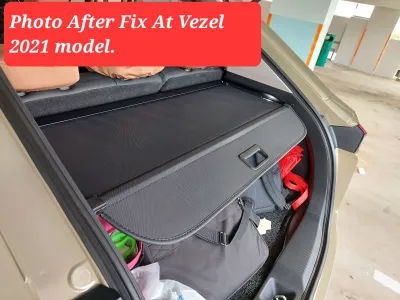
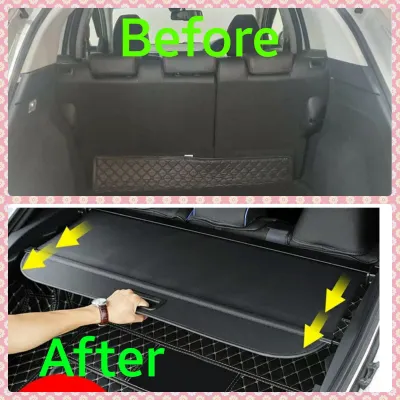
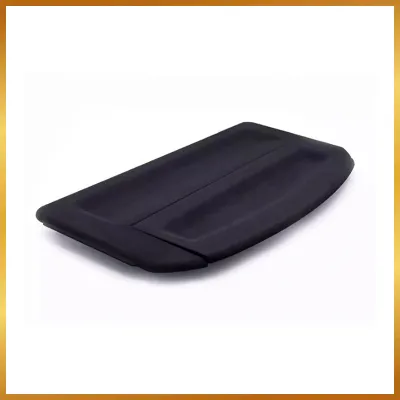
Prices are valid at publication and may change. Please refer to the product page for the latest price.
Drivetrain variations also play a critical role in trunk floor layout. Petrol-only models and hybrid variants (such as the e:HEV) often have different boot floor heights and under-floor storage capacities. Hybrid models require space for high-voltage battery components beneath the cargo floor, which can raise the floor level or eliminate the deep under-floor storage wells found in petrol variants. Before purchasing a cover, check whether your vehicle has a flat boot floor or a recessed configuration, as this directly affects the required shape of the mat.
Additionally, pay close attention to the side panels of your cargo area. Some trim levels come equipped with factory-installed subwoofers, side storage pockets, or specific utility light placements that intrude into the trunk space. A high-quality boot cover must have contours that curve precisely around these features. You must also consider how the rear seats interact with the boot space; if you frequently utilize the folding seat mechanism to carry larger items, you may want a cover that includes split-back protection to cover the rear seatbacks when they are folded flat.
Essential Fitment Features for a Secure Boot Cover
When evaluating boot covers, look for specific design elements that guarantee both protection and stability. A primary feature to consider is a raised edge or lip design, often referred to as a 3D or 5D contour. A raised perimeter lip, typically measuring between 3 to 5 centimetres, acts as a tray to contain liquid spills, dirt, and debris. This is particularly useful for preventing melted ice from cold groceries or rainwater from wet gear from running off the edge of the cover and soaking into the side carpets of your Vezel.

Another critical element is the anti-slip backing material. A boot cover that slides around whenever you accelerate, brake, or turn corners is highly inconvenient and can damage your cargo. Look for covers featuring a textured, high-friction backing or specialized nibs that grip the original carpet fibers securely. It is important to ensure that this backing material is safe for automotive carpets and will not leave sticky residues, discolor the fabric, or cause premature wear to the vehicle’s original floor over time.
Finally, compare the advantages of custom-molded covers against universal trim-to-fit options. Custom-molded covers, usually made from thermoplastic elastomer (TPE) or heavy-duty rubber, are laser-scanned to match the exact dimensions of the Honda Vezel’s boot. They drop into place effortlessly and provide complete edge-to-edge coverage. In contrast, universal mats require manual trimming with scissors, which rarely results in a clean finish and often leaves vulnerable gaps where dirt can accumulate, compromising the overall aesthetic and protection of your trunk.
How to Verify Compatibility Before Purchasing
To avoid the hassle of returning an ill-fitting accessory, establish a clear verification process before making a purchase online or in-store. Start by comparing the manufacturer’s provided dimensions and contour diagrams against your physical trunk floor. Use a standard measuring tape to measure the maximum width between the wheel arches, the depth from the back of the rear seats to the tailgate latch, and the height of any side-wall steps. If a seller provides a detailed shape diagram, visually match it against the layout of your Vezel’s boot to ensure all curves align.
When browsing online marketplaces, look for explicit compatibility statements rather than generic descriptions. Avoid listings that use broad terms like “fits most compact SUVs” or “universal Honda mat.” Instead, seek out products that specifically state compatibility with the “Honda Vezel” and list the corresponding model years and drivetrain types. If you are unsure, contact the seller directly to confirm whether the cover is designed for the petrol or hybrid version of your specific model year.
Reading user feedback and examining customer-uploaded photos is one of the most reliable ways to verify real-world fitment. Look for reviews from other Honda Vezel owners to see if they experienced issues such as curling edges, gaps around the wheel arches, or interference with cargo tie-down hooks. Pay attention to comments regarding how the material behaves over time; some cheaper plastics may warp or emit strong chemical odors when exposed to the high cabin temperatures typical of cars parked in open-air car parks.
Installing and Adjusting Your Boot Cover for a Perfect Fit
Proper installation ensures that your new boot cover performs as intended and remains secure. Before placing the cover in your vehicle, thoroughly clean and dry the trunk surface. Vacuum up all loose dirt, sand, and pet hair, and wipe down any plastic side panels with a damp microfiber cloth. Allowing the original carpet to dry completely is crucial; trapping moisture beneath a waterproof boot cover can lead to mold, mildew, and unpleasant odors inside the cabin.
When placing the cover, carefully align it with the vehicle’s built-in features. Ensure that the cover does not obstruct the tailgate latch mechanism, as any interference can prevent the boot from closing securely or cause sensor errors on your dashboard. If your Vezel is equipped with cargo tie-down hooks or cargo net mounting points, check if the cover has pre-marked cutouts or molded recesses that allow you to access these features without compromising the spill-protection lip.
It is common for boot covers to arrive folded or rolled up from shipping, which can cause temporary creases or curled corners. To help the material settle into its molded shape, lay the cover flat in a warm, sunny spot for a short period to let the material soften and expand. Once warmed, place it in the boot and press down along the edges. If certain corners remain stubborn, check the manufacturer’s instructions to see if you can use a low-heat hair dryer to gently warm the area, or apply small pieces of automotive-grade double-sided tape to secure the edges without damaging the underlying carpet.
Frequently Asked Questions (FAQ)
Will a universal boot cover work for my Honda Vezel?
While a universal boot cover is generally less expensive, it rarely provides a satisfactory fit for the Honda Vezel’s specific cargo dimensions. Universal mats lack the precise contours needed to hug the wheel arches and side panels, leading to gaps where dirt and liquids can easily reach the original carpet. Additionally, universal options do not feature a raised, custom-molded lip to contain spills, and they often slide around during transit. Trimming a universal mat to fit is time-consuming, often results in jagged edges, and typically voids any return policies if the fit is still incorrect.
How do I clean a fitted boot cover without damaging it?
To clean your boot cover safely, always refer to the manufacturer’s care label or instruction sheet for specific cleaning guidelines and temperature limits. For routine maintenance, remove the cover from the boot, shake off loose debris, and wash it using mild soap, water, and a soft brush or sponge. Avoid using harsh chemical solvents, bleach, or abrasive scrubbers, as these can degrade the waterproof coatings, weaken the anti-slip backing, or warp the material. Allow the cover to air dry completely in a shaded area before reinstalling it to prevent trapping moisture in your trunk.
Community discussion
Share your experience or ask a question. Comments are reviewed before publication.