
Stepping into a car that has been sitting under the tropical sun can quickly reveal a lingering, unpleasant odour. In hot and humid climates, persistent smells from food spills, cigarette smoke, and damp carpets do not simply fade away; instead, they intensify. To successfully eliminate these stubborn scents, you must look beyond temporary masking agents and address the root cause using a targeted car odour remover alongside proper physical cleaning and moisture management.
Why Persistent Smells Intensify in Tropical Humidity
High humidity levels act as a highly efficient carrier for odour-causing molecules. Water vapour in the air binds to volatile organic compounds and carries them deep into the porous surfaces of your car’s interior, including fabric seats, carpets, floor mats, and the headliner. Once these molecules are embedded in damp fibres, the trapped moisture prevents them from dissipating naturally, causing the smell to linger indefinitely.
This environment creates a clear distinction between superficial surface smells and deep-seated odours. While a surface spill might smell bad initially, the combination of high humidity and warmth inside a parked vehicle creates an ideal breeding ground for bacteria, mould, and mildew. These microorganisms thrive in damp, poorly ventilated spaces, continuously releasing volatile compounds that produce a persistent, musty stench.
Products mentioned in this guide
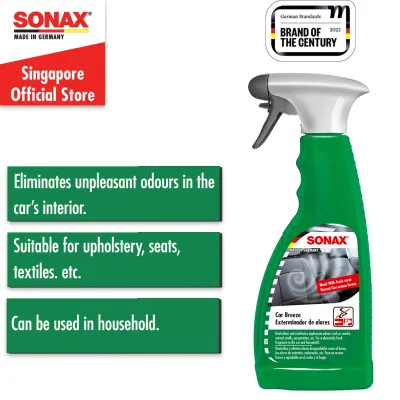
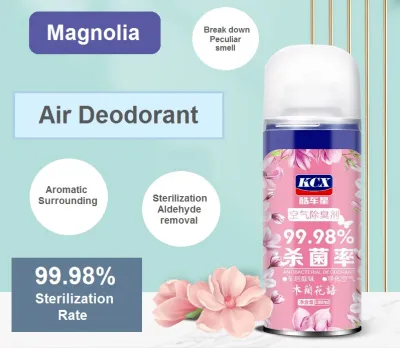
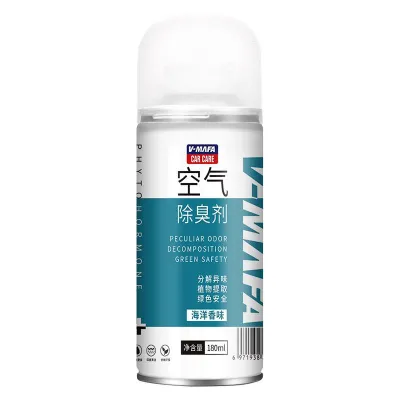
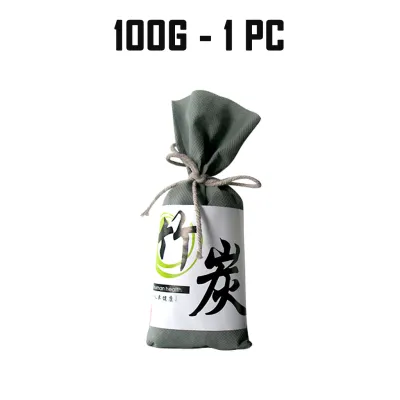


Prices are valid at publication and may change. Please refer to the product page for the latest price.
Attempting to resolve these deep-seated issues with standard air fresheners or heavy perfumes often backfires. Instead of eliminating the odour, these products merely layer a strong synthetic scent over the existing dampness. The resulting mixture of floral or fruity perfumes with underlying organic decay or musty mould often creates an even more unpleasant, cloying atmosphere that can make driving highly uncomfortable.
Targeted Solutions for Common Car Odours
Before applying any car odour remover, you must locate the exact source of the smell and remove all physical debris. Spraying a neutraliser over a hidden piece of decaying food or a damp patch of carpet will yield only temporary relief. A systematic, targeted approach is necessary to address the specific chemical and biological makeup of different common odours.

Removing Food Spills and Organic Decay
Organic matter, such as dropped food, spilled milk, or forgotten groceries, quickly decays in tropical heat, releasing sour and rotting smells. Begin your search by thoroughly inspecting hidden areas of the cabin. Use a flashlight to check under the seats, within the gaps of the centre console, and deep inside the fibres of the floor mats where crumbs and liquids easily accumulate.
Once you locate the spill, avoid using standard surface wipes, which typically only clean the top layer of the material and leave organic residues behind. Instead, opt for an enzymatic cleaner specifically formulated for automotive upholstery. Enzymatic cleaners contain active proteins that physically break down the organic fats, proteins, and starches responsible for the smell, neutralising them at a molecular level.
After applying the cleaner according to the manufacturer’s instructions, ensure the treated area dries completely. Leaving residual moisture in fabric seats or carpets in a humid climate will inevitably encourage new mould and mildew growth. Use dry microfibre towels to press out excess liquid, and leave the car doors open in a well-ventilated, dry area to allow the interior to air out fully.
Neutralising Cigarette Smoke Residue
Cigarette smoke is incredibly invasive because it leaves behind a sticky, tar-like residue that clings to every surface inside the vehicle. This yellowed film continuously off-gasses, releasing a stale, smoky smell long after the cigarette has been extinguished. To tackle this, you must physically wash the hard and soft surfaces of the interior, including the windows, dashboard, steering wheel, and the fabric headliner.
When cleaning the headliner, use extreme caution and a gentle touch. Applying too much liquid or scrubbing too aggressively can dissolve the adhesive holding the fabric to the roof, causing it to sag. Use a damp microfibre cloth lightly misted with a dedicated interior cleaner to gently lift the tar film without saturating the backing material.
Once the physical residue is removed, apply an odour neutraliser or absorber rather than a heavy perfume. Perfumed sprays will only mix with the remaining smoke particles, creating a cloying scent. Additionally, check your cabin air filter and HVAC vents; smoke particles easily circulate through the ventilation system and settle on the filter media. If the filter is discoloured or smells of smoke, replace it immediately to prevent the system from recirculating the odour every time you turn on the air conditioning.
Eliminating Musty and Damp Mould Smells
Musty smells are a direct indicator of trapped moisture and fungal growth, which are common issues in tropical regions. Start by checking for active water leaks. Inspect the footwells under the floor mats, check the boot lining, and look for damp spots around the pillars, which could indicate clogged sunroof drains or degraded door seals.
If you find dampness, remove the wet floor mats immediately and dry the underlying carpet completely. You can use a wet-dry vacuum to extract standing water, followed by a dehumidifier or a fan directed at the wet area. Physical moisture must be entirely eliminated before you attempt to treat the lingering smell, as any remaining dampness will allow the mould to return.
Once the area is dry, apply an anti-microbial or mould-inhibiting treatment designed specifically for automotive fabrics. Always read the product safety label carefully to ensure compatibility with your interior materials, and work in a well-ventilated space. Keep the car doors and windows open during and after application to protect yourself from inhaling concentrated fumes and to assist in the drying process.
Choosing the Right Car Odour Remover for Humid Conditions
Selecting an effective car odour remover requires understanding how different products interact with a humid environment. Masking agents, such as traditional hanging cardboard trees or aerosol sprays, only cover up smells with strong perfumes. In high humidity, these perfumes break down quickly or combine with the damp air, often leading to olfactory fatigue, headaches, or mild nausea during long drives.
Instead, look for active absorbers and neutralisers. Absorbers, such as activated charcoal bags or silica gel canisters, physically draw moisture and odour molecules out of the air and trap them within their porous structures. These are highly effective for continuous, passive maintenance in humid climates. Neutralisers, including enzymatic sprays and chlorine dioxide-based products, chemically alter the odour molecules to render them completely scentless.
Always ensure that any product you select is explicitly labelled for automotive use. Household cleaning chemicals can be too harsh for a car’s interior, potentially degrading delicate leather, clouding clear plastic instrument clusters, or damaging sensitive electronic sensors. Verify the product’s application instructions and material compatibility before applying it to your dashboard, seats, or trim.
Daily Habits to Prevent Odour Build-Up
Preventing odours from returning to your car requires establishing simple, daily habits that keep the cabin dry and clean. One of the most effective routines is to manage your air conditioning system’s evaporator core. A few minutes before reaching your destination, turn off the A/C compressor but leave the fan running on high. This blows ambient air over the cold evaporator, drying off the condensation that naturally accumulates and preventing the growth of musty-smelling mould inside the vents.
Additionally, place passive moisture absorbers or desiccant boxes under the seats or in the door pockets. If your car is parked outdoors in high humidity for extended periods, these absorbers will continuously pull excess water vapour from the air, keeping the cabin humidity levels low enough to discourage bacterial growth. Remember to check and replace these absorbers regularly once they become saturated with water.
Finally, maintain a strict replacement schedule for your cabin air filter. While manufacturers provide standard replacement intervals, driving in highly humid, dusty, or heavily polluted urban areas can clog the filter much faster. Inspecting the filter every six months and replacing it when it shows signs of dust accumulation or dampness will ensure that the air entering your cabin remains clean and free of musty odours.
When to Stop and Seek Professional Detailing
While many minor odours can be managed with DIY methods, some situations require professional intervention to avoid damaging your vehicle or risking your health. If a persistent smell originates deep within your HVAC system and does not improve after a filter change, do not attempt to disassemble the dashboard or spray household disinfectants directly into the vents. This can damage sensitive electronics and ductwork, requiring costly repairs.
You should also avoid using consumer-grade ozone generators inside your vehicle. While ozone is highly effective at killing bacteria and neutralising severe odours, high concentrations of ozone gas are extremely hazardous to human health and can degrade the rubber seals, wire insulation, and plastic components of your car’s interior if left unchecked.
If you are dealing with extensive water damage from a major leak, or if a smell remains after multiple cleaning attempts, consult a professional automotive detailer. Professionals have the specialized equipment and training required to perform advanced treatments, such as thermal fogging or controlled interior ozone shock. They will ensure that the vehicle is thoroughly aerated and safe to drive before handing the keys back to you.
Frequently Asked Questions (FAQ)
Can I use household vinegar or baking soda to remove car smells?
Baking soda is a safe and inexpensive option for absorbing mild, localized odours, but it must be used with caution. If you sprinkle baking soda directly onto your carpets or seats, it can be incredibly difficult to vacuum out completely, often leaving a fine white residue deep within the carpet fibres and seat crevices.
While household white vinegar is effective at neutralising certain alkaline odours, its highly acidic nature poses risks to automotive interiors. If vinegar is not properly diluted, it can damage delicate finishes, touchscreens, and leather surfaces. Furthermore, the strong, sour scent of vinegar can linger in a humid car cabin for days, creating a new olfactory issue. Always test any diluted vinegar solution on an inconspicuous area first.
How do I know if my cabin air filter is causing the bad smell?
A clogged or contaminated cabin air filter typically presents several clear warning signs. If you notice a sudden reduction in airflow from your vents, a whistling sound when the fan speed is turned up, or a distinct dusty, musty blast of air immediately after turning on the air conditioning, the filter is likely the culprit.
To confirm this, locate your cabin air filter—usually accessed through the glovebox or under the dashboard—and inspect its physical condition. If the filter media is discoloured, clogged with leaves, dust, and insect debris, or feels damp to the touch, it has reached the end of its functional life. Replacing the filter will immediately improve air quality and eliminate the source of the musty smell.

Community discussion
Share your experience or ask a question. Comments are reviewed before publication.