
To dry your car safely with a chamois cloth, you must ensure both the vehicle’s surface and the cloth are completely clean, keep the cloth damp rather than dry, and use a flat, dragging motion instead of rubbing or scrubbing. A chamois cloth (often referred to as a “shammy”) is a traditional and highly absorbent tool made of natural sheepskin leather or synthetic materials. However, because it lacks the deep pile of a microfiber towel, any dirt trapped between the cloth and your paint can easily cause swirl marks and fine scratches. By mastering the correct preparation, handling, and maintenance techniques, you can achieve a spotless, streak-free finish while protecting your car’s clear coat.
Essential Preparation Before Drying
Before a single square inch of cloth touches your vehicle, the surface must be absolutely free of abrasive contaminants. Any remaining road grime, fine grit, or brake dust will act like sandpaper when dragged across the paint under the pressure of a drying cloth. Begin with a meticulous wash, paying close attention to lower panels, wheel arches, and crevices where dirt tends to linger. Rinse the vehicle thoroughly with clean water, preferably using a free-flowing hose method to sheet away as much standing water as possible before you begin manual drying.
Next, turn your attention to the chamois cloth itself. Whether you are using a natural leather chamois or a synthetic alternative, you must inspect it carefully before every use. Run your fingers along the edges and surface of the cloth to check for hardened spots, embedded debris, or physical damage. A chamois that has dried out completely can become stiff and rough; using it in this state will almost certainly scratch your clear coat. If you detect any trapped grit or rough patches that do not soften with water, do not use the cloth on your paint.
Products mentioned in this guide
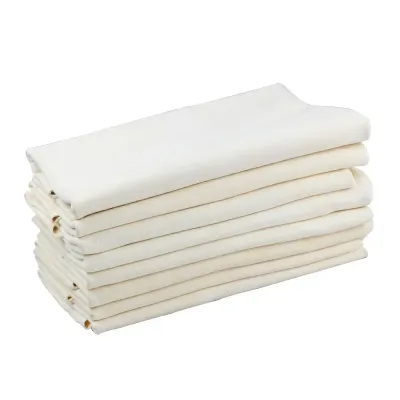

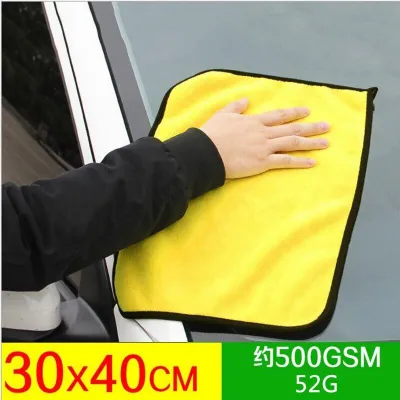
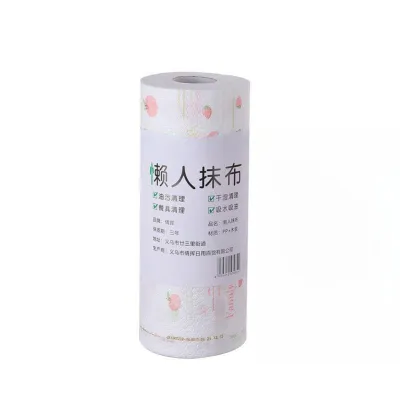
Prices are valid at publication and may change. Please refer to the product page for the latest price.
To prepare the chamois for action, you must pre-soak it in a bucket of clean, lukewarm water. A dry chamois is not only abrasive but also highly hydrophobic, meaning it will push water around rather than absorbing it. Submerge the cloth fully until it is completely saturated and soft. Once it is fully pliable, wring it out thoroughly. The goal is to achieve a damp, supple state where the cloth is primed to draw water off the car’s surface through capillary action, without being so saturated that it leaves behind a trail of moisture.
Step-by-Step Technique for Scratch-Free Drying
Drying your car is not simply a matter of wiping away water; it requires a systematic approach to minimize friction and prevent recontamination. Always begin drying at the highest point of the vehicle—typically the roof—and work your way downward. Gravity naturally pulls water down, so drying from top to bottom ensures you are not re-wetting areas you have already dried. Furthermore, the lower sections of a car, such as the rocker panels and bumpers, are the most likely to retain microscopic grit even after a thorough wash. By saving these areas for last, you minimize the risk of picking up abrasive particles and dragging them across highly visible upper panels like the hood or trunk.

The physical motion you use with a chamois is critical to preventing swirl marks. Never rub, scrub, or wipe the paint in circular motions. Circular rubbing concentrates pressure on small areas and increases the likelihood of grinding any missed dirt particles into the clear coat, creating circular scratches known as swirl marks. Instead, lay the damp chamois flat across the wet surface. Hold two corners of the cloth and gently drag it toward you in straight, overlapping lines. Let the weight of the damp cloth do the work; there is no need to apply downward pressure. This dragging technique allows the chamois to lift water smoothly off the surface while minimizing friction.
As you move across the vehicle, the chamois will quickly become saturated with water. To maintain its effectiveness, you must fold and flip the cloth regularly. Fold the chamois into a manageable square, which gives you multiple clean faces to work with. Once one face becomes saturated or comes into contact with a slightly dusty area, flip the cloth to an unused, clean section. This practice ensures that you are always presenting a fresh, absorbent surface to the paint, reducing the risk of transferring moisture or contaminants back onto the clean panels.
Even with the most careful washing, a drying cloth can still pick up stray particles. To keep the process safe, keep a bucket of clean water nearby specifically for rinsing your chamois. Frequently submerge the cloth, agitate it gently to release any trapped particles, and wring it out thoroughly before returning to the vehicle. This simple step acts as a safety net, ensuring that any grit picked up during the drying process is flushed away rather than dragged across the next panel.
Common Mistakes That Cause Swirl Marks and Streaks
One of the most common mistakes car owners make when using a chamois is applying excessive downward pressure. When faced with stubborn water beads or a slightly dry patch, the temptation is to press down harder to force the cloth to absorb the moisture. However, increased pressure dramatically raises the friction between the cloth and the paint. If even a single microscopic grain of dust is present, pressing down will grind it into the clear coat, leaving fine scratches. If water beads are not lifting easily, it is usually a sign that the chamois needs to be wrung out or that the paint surface lacks a protective wax or sealant layer to help shed water.
Another frequent error is attempting to use a dry or insufficiently damp chamois. A dry chamois is stiff, rigid, and highly abrasive. It lacks the pliability needed to glide safely over the paint contours and will drag heavily across the clear coat, creating fine marring. Always ensure the cloth is thoroughly pre-soaked and wrung out to a damp state before it touches the car. If the cloth begins to dry out or stiffen during your detailing session, pause immediately to re-wet and wring it out.
Accidents happen, and dropping a drying cloth on the ground is a common occurrence in any driveway. However, continuing to use a dropped chamois without an incredibly thorough cleaning is a recipe for paint disaster. The soft, porous texture of a chamois—especially natural leather—acts like a magnet for driveway grit, small pebbles, and dirt. Simply shaking the cloth out is not enough to remove these embedded particles. If you drop your chamois, you must wash and rinse it thoroughly in a clean bucket of water, inspecting it meticulously before allowing it near your car’s paint again. If you cannot guarantee it is completely clean, switch to a backup cloth.
Finally, drying your car in direct, hot sunlight is a major contributor to both streaks and water spots. In warm climates like Singapore, the heat from the sun can dry water droplets on the paint surface faster than you can wipe them away. When water evaporates prematurely, it leaves behind mineral deposits—commonly known as water spots—which can be difficult to remove and may eventually etch into the clear coat. Always dry your vehicle in the shade or during cooler times of the day, such as early morning or late evening, to give yourself ample time to absorb the water before it evaporates.
Proper Chamois Care and Storage
To maintain the safety and performance of your chamois cloth, a proper maintenance routine is essential. After every drying session, the cloth must be washed to remove any accumulated oils, dirt, and mineral deposits. For natural leather chamois, wash the cloth by hand using a mild, non-degreasing soap, such as a dedicated automotive shampoo or a gentle, pH-neutral soap. Avoid using standard household dish soaps, as they can strip the natural oils from leather chamois, causing them to dry out, become brittle, and lose their soft texture. Synthetic chamois are generally more resilient but still benefit from a gentle wash with mild detergent to keep them clean and absorbent.
Under no circumstances should you use harsh chemicals, bleach, or fabric softeners on your chamois. Bleach and strong acids will rapidly degrade the fibers of both natural and synthetic cloths, leading to tearing and premature failure. Fabric softeners are particularly damaging to drying cloths; they work by leaving a thin, hydrophobic chemical coating on fibers to make them feel soft. This coating destroys the chamois’s ability to absorb water, leaving you with a cloth that simply pushes water around and leaves greasy streaks on your paint and glass.
Once washed, the drying process for the chamois itself requires care. Never place a chamois in a mechanical clothes dryer, and avoid hanging it in direct, intense sunlight or near direct heat sources like radiators. High heat will cause natural leather to shrink, stiffen, and crack, rendering it useless for future car care. Instead, gently stretch the damp cloth back into its original shape and hang it to air-dry in a shaded, well-ventilated indoor area. This allows the material to dry slowly and evenly, preserving its natural pliability.
Proper storage is the final step in preserving your chamois. Never store a damp chamois in a sealed plastic bag or airtight container, as this creates a breeding ground for mold, mildew, and unpleasant odors, which can ruin the material. Conversely, storing a natural chamois completely dry in the open air can cause it to become stiff. The ideal approach is to let the cloth dry completely in a clean environment, then store it in a clean, breathable bag or a dedicated storage container where it is protected from dust and environmental contaminants. When you are ready to use it again, simply re-soak it to restore its soft, absorbent state.
Chamois vs. Microfiber Drying Towels: Is It Time to Switch?
For decades, the chamois was the undisputed king of car drying, valued for its incredible water absorption capacity. However, modern paint technology and detailing advancements have introduced high-quality microfiber drying towels, prompting many enthusiasts to re-evaluate their choice of tools. When comparing water absorption, both materials perform exceptionally well, but they handle water differently. A chamois acts like a squeegee, pulling water off the surface through surface tension and capillary action, requiring frequent wringing. A high-pile microfiber drying towel, particularly one with a twist-loop weave, can often hold several times its weight in water, allowing you to dry an entire medium-sized vehicle without wringing it out once.
The most critical difference between the two materials lies in how they handle microscopic dirt particles. A chamois has a flat, dense surface with virtually no pile. If a stray grain of sand or dust finds its way onto the paint, the chamois will trap it directly against its flat surface, dragging it across the clear coat and creating fine scratches or swirl marks. In contrast, a quality microfiber drying towel features a deep, plush pile. The individual fibers are split, creating tiny pockets that can safely draw dirt and grit away from the paint surface and trap them deep within the fabric, away from the clear coat. This makes microfiber significantly more forgiving if the vehicle was not washed completely.
Maintenance and durability also differ substantially between the two options. Natural chamois requires meticulous hand-washing, specific soaps, and careful air-drying to prevent stiffness and rot. Microfiber towels, on the other hand, are highly durable and can be washed in a standard washing machine using a dedicated microfiber detergent, making them much easier to maintain for the average car owner. While a well-cared-for natural chamois can last for years, synthetic microfiber towels offer excellent long-term durability and consistent performance without the risk of drying out or cracking.
For owners of modern vehicles with soft clear coats, switching to a high-quality microfiber drying towel is often the recommended path to minimize paint marring. While a chamois remains an excellent tool in experienced hands on well-maintained, hard clear coats, microfiber provides a larger safety margin against accidental scratching. If you choose to stick with a chamois, strict adherence to washing, rinsing, and dragging techniques is absolutely paramount to keeping your paint looking pristine.
Frequently Asked Questions (FAQ)
Can I use a chamois cloth on matte or satin paint finishes?
Matte and satin paint finishes require extreme care because they cannot be polished to remove scratches or swirl marks without permanently ruining the flat appearance. Using a chamois cloth on these finishes is generally not recommended. Because a chamois has a flat surface and relies on friction to pull water away, it can burnish or polish the delicate matte texture over time, creating unwanted shiny spots. For matte or satin finishes, the safest drying method is using a touchless filtered air blower to remove water from the surface, or gently blotting the paint with a plush, high-pile microfiber towel without dragging it.
Why does my chamois leave a greasy streak on the glass or paint?
If your chamois is leaving greasy streaks, it is usually due to one of three reasons: residual manufacturing oils, improper washing, or contamination. New natural chamois cloths are often treated with fish oils during the tanning process; if not thoroughly washed before first use, these oils will transfer to your car’s surfaces. Alternatively, if you washed your chamois with household dish soap, laundry detergent containing fabric softeners, or alongside greasy rags, the cloth will absorb these residues and smear them across your paint and glass. To resolve this, wash the chamois thoroughly with a mild, residue-free soap and rinse it repeatedly in clean water.
How often should I replace my car drying chamois?
A car drying chamois should be replaced as soon as it shows signs of physical degradation or a loss of performance. Observable indicators that it is time for a replacement include permanent stiffness or cracking that does not soften after soaking, tearing or fraying along the edges, a noticeable decline in water absorption capacity, or the inability to rinse out deeply embedded dirt and stains. Using a degraded or contaminated chamois increases the risk of scratching your paint, making a timely replacement a smart investment in preserving your vehicle’s finish.
Community discussion
Share your experience or ask a question. Comments are reviewed before publication.