
Maintaining correct tire pressure is essential for vehicle safety, handling, and fuel efficiency. The Xiaomi air pump offers a highly portable, battery-powered solution that allows drivers and riders to maintain their tires without relying on petrol station air compressors. Using this device correctly involves matching the right valve adapter, setting the manufacturer-recommended pressure, and letting the digital sensor manage the inflation process.
By understanding how to navigate the pump’s preset modes and physical connections, you can safely service passenger cars, motorcycles, and various bicycle types. Consistent tire maintenance not only prevents premature tire wear but also ensures optimal grip on wet and dry roads alike.
Preparing Your Xiaomi Air Pump and Matching Valve Types
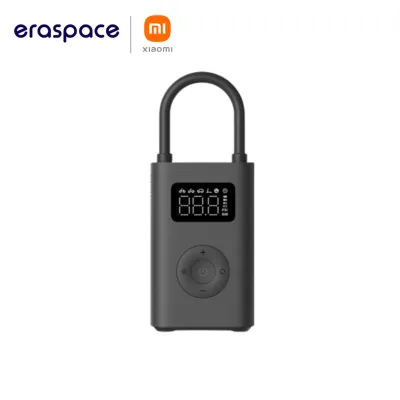
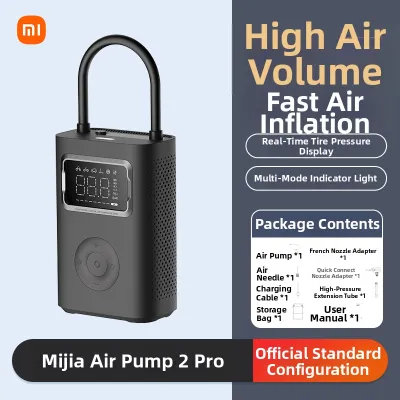
The Xiaomi air pump is designed for simplicity, featuring a digital display, a built-in rechargeable battery, and an integrated air hose that doubles as the power switch. Pulling the red-collared end of the hose out of the storage port automatically powers on the device, revealing the current pressure settings and battery status on the screen.
Products mentioned in this guide
![[2025] Xiaomi Pump 2 MiJia Portable Handheld Electronic Air inflator/Pump Suitable For Car Motorcycle EBike Scooter Instock](https://img.lazcdn.com/g/p/3e082dd3fde1bc260eb18bfa0cd19ce7.jpg_400x400q80.jpg_.webp)
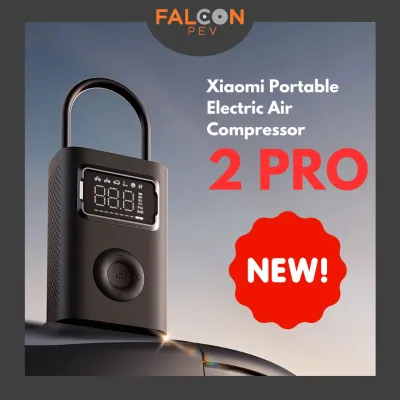
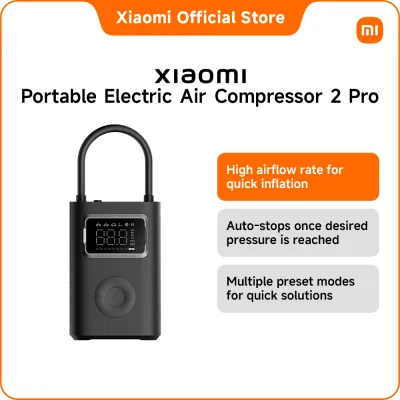

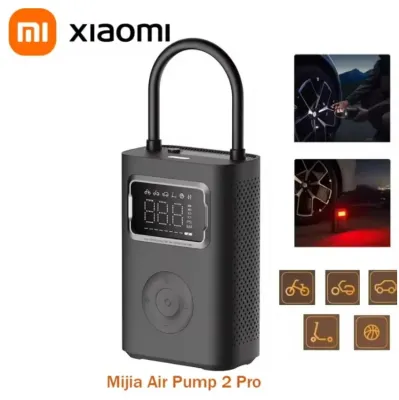
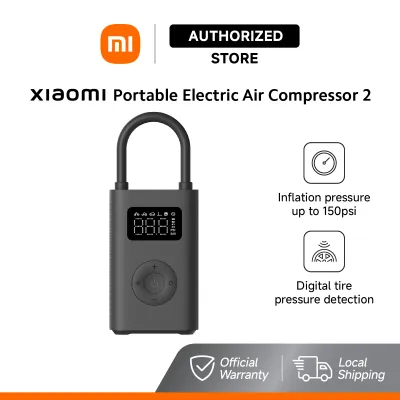
Prices are valid at publication and may change. Please refer to the product page for the latest price.
The pump operates in two distinct configurations: preset mode and manual mode. Preset modes—represented by icons for cars, motorcycles, bicycles, and sports balls—automatically stop the pump once the target pressure is reached. This auto-shutoff feature is the safest option for everyday maintenance because it eliminates the risk of over-inflation. Manual mode, indicated by a custom setting without an icon, allows you to set any pressure up to the pump’s maximum limit, requiring close observation to prevent over-pressurising the tire.
Before connecting the pump, you must identify the valve type on your tire. The two most common types are Schrader and Presta valves:
- Schrader Valves: These are wide, threaded valves with a spring-loaded pin in the center. They are the standard valve type found on all passenger cars, motorcycles, and many mountain, hybrid, or utility bicycles.
- Presta Valves: These are narrower, metal valves featuring a small locking nut at the top. They are commonly found on road bikes, high-performance gravel bikes, and premium inner tubes.
The main hose of the Xiaomi air pump features a native Schrader connector. To inflate a Presta valve, you must screw the included brass Presta-to-Schrader adapter onto the pump’s hose before connecting it to the tire. Always check the battery indicator on the screen before starting; a low battery can cause the pump to shut down mid-task, leaving your tire partially inflated.
Locating the Correct Tire Pressure for Your Vehicles
Operating a vehicle with incorrect tire pressure compromises handling, increases braking distances, and accelerates tread wear. To achieve the safest performance, you must use the vehicle manufacturer’s specified inflation values rather than guessing.

Where to Find Car Tire Pressure Specifications
For passenger cars, the manufacturer-recommended tire pressures are located on the tire information placard. This sticker is typically affixed to the driver’s side door jamb (the B-pillar) and is visible when the driver’s door is open. On some vehicle models, this information may instead be printed on a sticker inside the fuel filler flap or detailed within the vehicle owner’s manual.
It is critical never to use the “Max Press” (Maximum Pressure) number molded directly onto the tire’s sidewall as your target inflation pressure. The sidewall number indicates the absolute maximum pressure the tire structural casing can safely withstand under maximum load. Inflating your tires to this maximum limit results in a harsh ride, reduced road contact, and uneven center-tread wear.
Where to Find Motorcycle and Bicycle Tire Pressure Specifications
Motorcycle tire pressure specifications are generally found on a safety sticker located on the rear swingarm, near the chain guard, or inside the owner’s manual. Because motorcycles carry uneven weight distribution, the front and rear tires almost always require different inflation pressures. Always verify both values before beginning.
For bicycles, the recommended pressure range is printed directly on the tire’s sidewall, usually expressed in PSI or bar (for example, “40–65 PSI”). Unlike motor vehicles, bicycle tire pressure should be adjusted within this printed range based on rider weight, carried cargo, and riding conditions. Lighter riders or those traveling over rough paths may prefer the lower end of the range for comfort and grip, while heavier riders or road cyclists should aim for higher pressures to minimize rolling resistance and prevent pinch flats.
Step-by-Step Guide to Inflating Car Tires
Inflating car tires with a portable pump requires a methodical approach to ensure safety and accuracy. Always park your vehicle on a flat, stable surface away from active traffic, such as in a parking bay or a spacious multi-storey carpark, and engage the handbrake fully before starting.
- Remove the Valve Cap: Unscrew the plastic or metal dust cap from the tire's valve stem. Place it in a secure location, such as your pocket or a cup holder, to prevent losing it.
- Connect the Hose: Pull the air hose out of the Xiaomi pump's housing to turn the unit on. Screw the threaded female connector of the hose firmly onto the tire's Schrader valve. A brief hiss of escaping air is normal as the connection is established, but continue screwing until the hiss stops completely and the connection is tight.
- Read the Static Pressure: Look at the digital screen. The pump will display the current static pressure of the tire. This reading helps you diagnose if a tire is losing air faster than normal.
- Set the Target Pressure: Press the cycle button to select the car preset mode. Use the "+" or "-" buttons to adjust the target pressure to match the specification listed on your vehicle's door placard.
- Start Inflation: Press the central start button. The pump will begin operating, producing a noticeable vibrating sound. Step back and let the device run; it will automatically shut off once the target pressure is reached.
- Disconnect and Secure: Once the motor stops, quickly unscrew the hose from the valve stem. A short hiss of air will escape as the valve seals itself. Immediately screw the valve dust cap back onto the stem to protect the inner valve core from dirt and moisture.
For accurate readings, always check and adjust car tire pressures when the tires are “cold.” Tires are considered cold if the vehicle has been parked for at least three hours or driven less than two kilometres. Driving generates friction, heating the air inside the tire and temporarily raising the internal pressure. If you adjust hot tires to cold specifications, they will become under-inflated once they cool down.
Inflating Motorcycle and Bicycle Tires: Steps and Valve Nuances
Smaller tires require extra care during inflation due to their lower air volumes and differing valve mechanisms. Managing these differences correctly prevents accidental over-inflation and ensures a secure seal.
Inflating Motorcycle Tires
Motorcycle tires utilize standard Schrader valves, allowing you to connect the Xiaomi air pump’s main hose directly to the tire stem. After securing the connection, select the motorcycle preset mode on the device and adjust the target pressure to match the specific front or rear tire requirements.
Because motorcycle tires contain a much smaller volume of air than car tires, the pump will reach its target pressure very quickly. If you choose to use the manual mode instead of the motorcycle preset, you must monitor the digital display continuously. Avoid distractions during this process, as a few seconds of unattended pumping in manual mode can rapidly over-inflate a low-volume tire, potentially damaging the tire bead or carcass.
Inflating Bicycle Tires (Schrader vs. Presta Valves)
If your bicycle is equipped with Schrader valves, connect the pump hose directly to the valve stem, select the bicycle preset mode, set your desired PSI, and start the pump. The process is identical to inflating a car tire but completes much faster due to the minimal air volume.
If your bicycle uses Presta valves, you must perform several preparation steps before inflating:
- Remove the plastic dust cap from the Presta valve.
- Locate the small brass lock nut at the very tip of the valve stem and unscrew it counterclockwise until it stops.
- Gently press down on the tip of the unscrewed lock nut once or twice. You should hear a short burst of escaping air, which confirms that the inner valve core is unseated and free to accept airflow.
- Screw the brass Presta-to-Schrader adapter tightly onto the Presta valve stem.
- Attach the Xiaomi air pump's hose to the adapter, select the bicycle preset mode, and set the target pressure.
Bicycle tires, particularly high-pressure road tires, have very low air volume but require high pressure limits. Using the auto-shutoff feature is essential to prevent bursting the inner tube. Once the pump stops, unscrew the hose, remove the brass adapter, immediately tighten the small Presta lock nut clockwise until it is snug, and replace the dust cap.
Safety Limits and Maintenance for Your Xiaomi Air Pump
To maintain the longevity of your Xiaomi air pump and ensure safe operation, you must adhere to its duty cycle limits and storage guidelines. Portable air compressors generate significant heat during operation, particularly near the metal joint where the air hose connects to the main body.
Avoid running the pump continuously for more than 10 to 15 minutes. If you are topping up multiple car tires or inflating a larger tire from empty, turn off the pump after 10 minutes of continuous use and allow the device to cool down completely for at least 10 minutes before resuming. Touching the hot hose connection immediately after use can cause minor burns, so handle the rubber portion of the hose when disconnecting.
Never attempt to exceed the maximum pressure rating of the tire you are inflating, and do not use the pump to inflate items beyond its rated mechanical capacity.
Proper storage is vital for preserving the internal lithium-ion battery. Avoid storing the pump in areas exposed to extreme temperatures or direct sunlight. In warm climates, leaving the device on a car’s dashboard or parcel shelf can cause cabin temperatures to rise significantly, accelerating battery degradation and presenting a safety hazard. Instead, store the pump in its protective sleeve inside a cool, dry place like the glove box, under-seat storage, or a home cabinet.
Keep the hose threads, charging port, and nozzle adapters clean and free of road grime, dust, or sand. If the device is left unused for long periods, charge the battery to between 50% and 80% before storage, and recharge it at least once every three months to prevent deep battery discharge, which can permanently reduce the battery’s capacity.
Frequently Asked Questions (FAQ)
Can the Xiaomi air pump inflate a completely flat car tire?
While the Xiaomi air pump is technically capable of inflating a completely flat car tire, it is not designed as a primary tool for this task. Portable battery-powered pumps have a low airflow rate (measured in litres per minute) and a compact battery capacity. Inflating a standard passenger car tire from zero to full pressure requires a massive volume of air, which will heavily drain the battery and may cause the pump to reach its thermal limit and overheat before the tire is fully inflated. The device is best utilized for routine pressure top-ups and emergency roadside adjustments. For a completely flat tire, a heavy-duty 12V compressor connected directly to the vehicle’s battery is recommended.
Why does the pressure reading change after detaching the hose?
When the pump is actively running, the digital screen displays a reading that includes the dynamic pressure of the airflow within the hose and the valve assembly. When you unscrew the hose connector from the tire valve, a small amount of pressurized air inevitably escapes from both the hose cavity and the tire stem itself. This slight loss of air, combined with minor differences in sensor tolerances, can result in a slightly lower static pressure reading when checked later. For absolute precision, quickly detach the pump hose once the target is reached, and verify the final static pressure using a dedicated, high-quality standalone tire pressure gauge.
Do I need to calibrate the Xiaomi air pump's pressure sensor?
Consumer-grade portable air pumps like the Xiaomi series are calibrated at the factory and do not feature user-accessible calibration settings or reset buttons. If you suspect the internal digital sensor has drifted and is displaying inaccurate readings, cross-reference the pump’s display with a trusted, professional-grade standalone pressure gauge. If the pump’s readings are consistently off by a set margin, you can temporarily adjust your target preset values to compensate for the variance. However, if the internal sensor fails entirely or shows highly erratic readings, the unit cannot be repaired or recalibrated by the user and should be replaced.
Community discussion
Share your experience or ask a question. Comments are reviewed before publication.