
When shopping for a TPE (Thermoplastic Elastomer) car mat, you will find many brands claiming to offer the ultimate custom fit and complete interior protection. However, because a mat’s actual performance depends heavily on your specific vehicle model, year, and manufacturing batch, relying on generic marketing claims can lead to poorly fitting accessories that slide around or, worse, interfere with your pedals.
To find the right option, you must compare these products based on verifiable physical characteristics: mold precision, material formulation, and maintenance design. Evaluating these factors systematically ensures you invest in a set of mats that protects your vehicle’s carpet from spills, mud, and wear while maintaining a safe driving environment.
By understanding what to look for during your research and upon unboxing, you can confidently choose a product that matches your daily usage patterns and local climate conditions.
Products mentioned in this guide
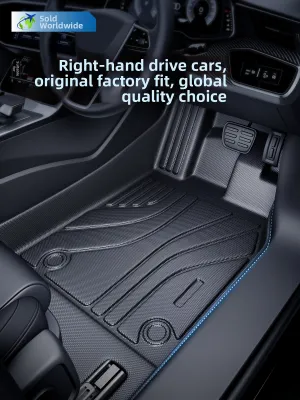
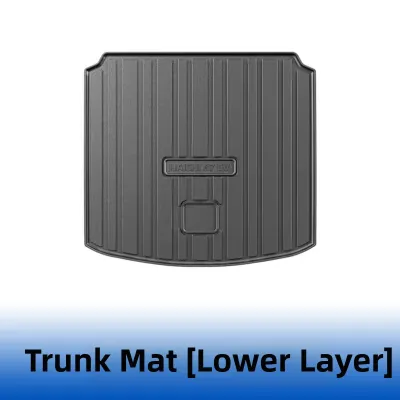
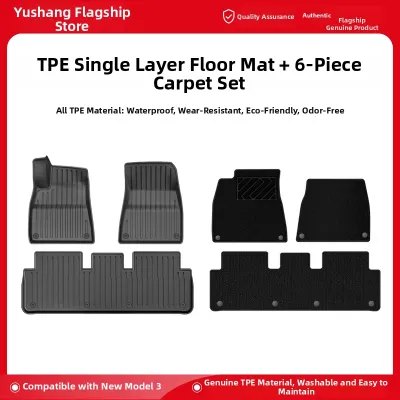
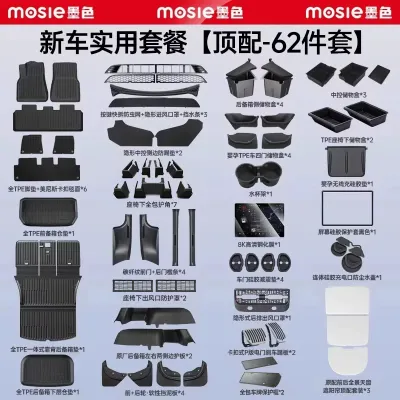

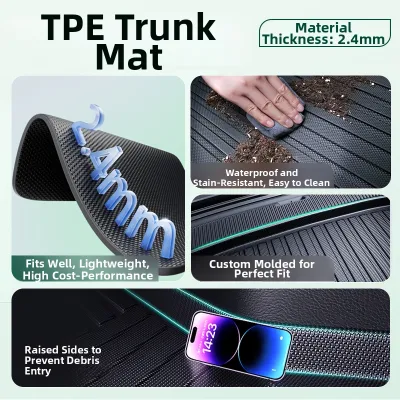
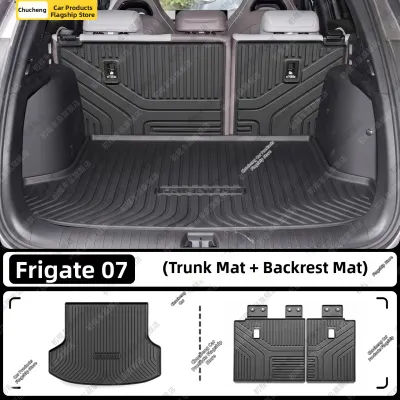
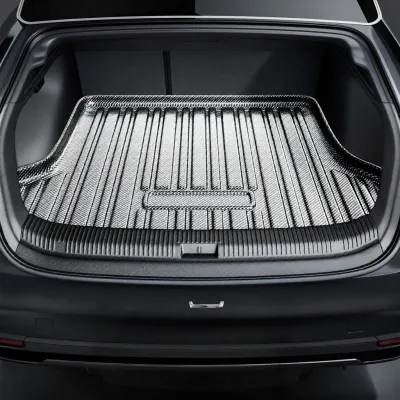
Prices are valid at publication and may change. Please refer to the product page for the latest price.
Evaluating Fit Precision and Edge Coverage
The primary appeal of a full-surround TPE car mat is its ability to cover every corner of the footwell, preventing dirt and liquids from reaching the original carpet. To achieve this, manufacturers must capture the complex, three-dimensional contours of a vehicle’s floor pan.
When comparing brands, verify whether the manufacturer utilizes high-precision 3D laser scanning for your exact vehicle make, model, and production year. Generic templates or “universal fit” designs often leave gaps where debris can accumulate, defeating the purpose of a full-surround mat.
Beyond the floor pan itself, pay close attention to the lip height and edge coverage. A high outer lip is essential for containing liquid spills, especially during sudden stops or sharp turns. However, if the lip is too high or lacks structural reinforcement, it may fold inward, catch on the door sills, or rub against the center console.
Inspect product photos and user reviews to confirm that the edges remain upright and flush against the interior plastic panels without warping over time.
Safety must be your absolute priority when evaluating fit precision. The driver-side mat must feature precise cutouts and clearances that prevent any contact with the accelerator, brake, or clutch pedals. Even a minor overlap can cause a pedal to stick, presenting a severe safety hazard.
Additionally, check that the mat does not obstruct the seat adjustment tracks or block the under-seat heating and ventilation vents. A properly engineered mat will always include dedicated mounting holes that align perfectly with your vehicle’s original floor pegs or retention clips to lock the mat securely in place.
Assessing TPE Material Quality and Durability
Thermoplastic Elastomer is highly regarded because it combines the durability of plastic with the flexibility of rubber. However, not all TPE formulations are identical. Some manufacturers mix lower-grade plastics or recycled materials into their blend to reduce production costs, which compromises the mat’s performance.

One of the most immediate ways to assess material quality is the unboxing smell. High-quality, medical-grade or food-grade TPE formulations emit virtually no chemical odor, whereas cheaper blends often release a strong, unpleasant off-gassing smell that can linger in a closed cabin for weeks.
Material flexibility is another critical indicator of quality and long-term durability. A premium TPE car mat should feel pliable yet robust. It needs to bend easily during installation and removal without cracking or developing permanent crease marks.
In regions with extreme temperature swings—such as intense cabin heat when parked under the direct tropical sun—low-quality mats can soften, warp, or lose their shape. Conversely, in colder climates, poor formulations can become brittle and rigid. High-quality TPE maintains its structural integrity and flexibility across a wide temperature range.
Finally, examine the surface texture and the underside of the mat. The top surface should feature a non-slip texture that provides adequate grip for your shoes, even when wet, without feeling sticky.
The underside should be engineered to prevent sliding. While some mats rely on a smooth surface that grips the carpet fibers, others use molded nibs or specialized backing materials. Ensure that these backing elements are designed safely so they do not damage your vehicle’s original carpeting while still preventing any microscopic shifting during driving.
Ease of Removal, Cleaning, and Daily Maintenance
While full-surround mats offer superior protection, their larger size and high-walled design can make them more challenging to handle than flat, traditional mats. Before purchasing, consider the overall weight and rigidity of the mats.
A mat that is too stiff or excessively heavy can be difficult for a single person to maneuver out of the footwell without spilling the accumulated dirt and debris back onto the clean carpet. Look for a design that balances structural wall stiffness with enough flexibility to fold slightly during removal.
The design of the surface channels and grooves also plays a major role in daily maintenance. Deep channels are excellent for trapping mud, sand, and water away from your shoes, but if the grooves are too narrow or have sharp, deep corners, they can trap dirt permanently.
Mats with wider, rounded channels are much easier to wipe down with a damp microfiber cloth or spray clean with a garden hose. If you frequently encounter mud or sand, look for a pattern that allows debris to slide off easily when rinsed.
Always review the manufacturer’s care instructions regarding cleaning agents. High-quality TPE is generally resistant to mild soaps and water, but harsh chemical cleaners, degreasers, or silicone-based dressings can degrade the material or leave a dangerously slick residue on the surface.
For routine cleaning, a simple rinse with clean water and a mild, pH-neutral car shampoo is usually sufficient. Avoid applying shiny tire shines or interior protectants to the mats, as these products compromise shoe traction and create a safety hazard underfoot.
Decision Framework: Matching Mat Features to Your Needs
Choosing the right TPE car mat involves matching the product’s specific design features to your lifestyle, driving habits, and local environment. If your daily routine involves transporting pets, young children, or wet outdoor gear, prioritize mats with maximum lip height and deep containment channels.
These features are particularly valuable in tropical climates prone to sudden, heavy downpours, where wet shoes and umbrellas can quickly track large amounts of water into the cabin.
If you prefer to clean your vehicle frequently and value convenience, opt for a lighter, more flexible TPE construction. These mats are much easier to pull out, shake off, and reinstall on a weekly basis without straining.
For luxury vehicles or commuter cars that rarely encounter heavy mud, a lower-profile TPE mat with a sleek, minimalist texture may be preferable, as it blends more seamlessly with the premium interior aesthetics while still offering robust spill protection.
Before finalizing any purchase on an online marketplace or brand website, always perform a final compatibility check. Verify the exact model year, trim level, and drivetrain of your vehicle, as floor pan shapes can vary between hybrid and petrol models, or between two-wheel-drive and all-wheel-drive variants.
Read recent user feedback specifically from owners of your exact vehicle model to identify any reported issues with pedal clearance, clip alignment, or edge warping. Taking these precautions ensures you receive a product that fits perfectly and performs safely from day one.
Frequently Asked Questions (FAQ)
Are TPE mats completely odorless compared to traditional rubber?
High-quality TPE mats are significantly lower in odor compared to traditional recycled rubber or PVC mats, which often emit a strong, pungent chemical smell. However, because they are packaged and shipped in sealed boxes, some minor initial off-gassing can occur upon unboxing. If you notice a faint plastic smell, it is best to air the mats out in a shaded, well-ventilated outdoor area for 24 to 48 hours before installing them in your vehicle’s closed cabin.
Can I wash TPE full-surround mats with a high-pressure washer?
Yes, you can generally wash TPE mats with a standard garden hose or a pressure washer, but you must exercise caution. Avoid using concentrated, high-pressure streams at extremely close range, particularly along the edges, seams, or near any multi-layer backing materials, as this can cause physical damage or warping. Keep the spray nozzle at a safe distance of at least 30 centimeters, use a wide fan pattern, and allow the mats to dry completely in the shade before reinstallation.
Do full-surround TPE mats interfere with the accelerator or brake pedals?
Properly designed and correctly installed TPE mats should never interfere with your vehicle’s pedals. However, because manufacturing tolerances and vehicle floor pans can vary, you must perform a safety check immediately after installation. With the engine off, fully depress the accelerator, brake, and clutch pedals to ensure they move smoothly through their entire range of travel without catching on the mat’s edges. If you detect any interference, remove the mats immediately and contact the manufacturer.

Community discussion
Share your experience or ask a question. Comments are reviewed before publication.