
To maximize motorcycle parking security, combining a physical stability tool like a wheel chock with a robust theft deterrent like a disc lock or U-lock creates a highly effective layered defense system. The wheel chock anchors the bike’s stance, preventing rolling, tipping, or accidental displacement, while the lock immobilizes the wheel or secures the frame to an anchor, deterring opportunistic thieves. Together, they address both physical vulnerability and theft risks.
The Dual Threat: Why Layer a Wheel Chock With Motorcycle Locks?
A motorcycle parked on the street faces two distinct vulnerabilities: physical instability and targeted theft. Standard security measures often focus on only one of these issues, leaving the vehicle exposed to the other. For instance, a high-quality lock prevents a thief from riding the bike away, but it does nothing to stop the motorcycle from being knocked over by a passing vehicle or blown down by strong winds. Conversely, a stable parking stand keeps the bike upright but offers no protection against someone simply rolling or wheeling it into the back of a van.
Understanding the primary functions of each tool is key to building an effective defense. A wheel chock is engineered to provide physical stability, locking the front or rear tire in place to prevent rolling, sliding, or tipping. Disc locks and U-locks, on the other hand, serve as high-strength theft deterrents that physically immobilize the wheels or anchor the frame to an immovable structure. By combining these two tools, you create a comprehensive security system that addresses both physical hazards and criminal intent.
Products mentioned in this guide
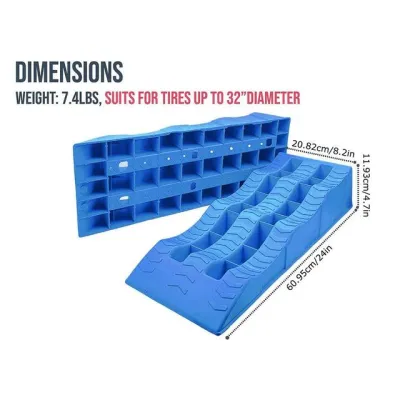
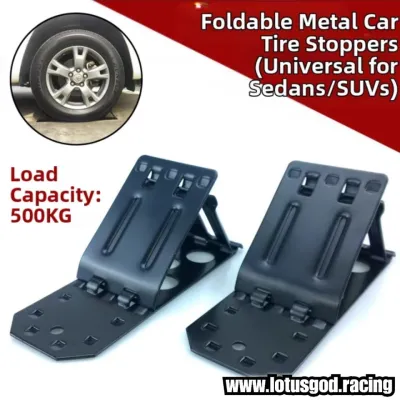
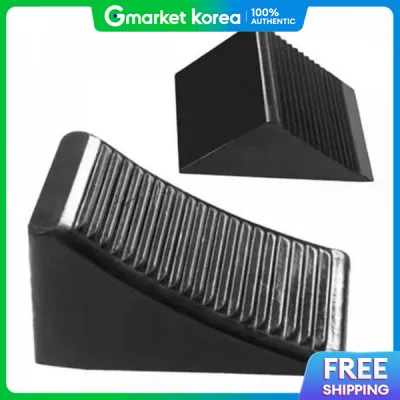
Prices are valid at publication and may change. Please refer to the product page for the latest price.
Relying solely on a lock leaves your motorcycle vulnerable to tipping and physical damage. Even if a thief cannot bypass a disc lock, they may attempt to push the bike over out of frustration, or they might try to slide the locked wheel across the pavement to move it into a blind spot. This movement can cause severe damage to fairings, mirrors, and engine casings. Furthermore, on soft asphalt or uneven slopes, a locked motorcycle resting only on its kickstand can easily sink or slip, leading to an expensive fall.
Using only a wheel chock is equally risky. While a chock keeps the motorcycle stable and upright, it does not lock the wheels or secure the frame. An unsecured bike sitting in a chock is an easy target; a thief can simply roll the motorcycle out of the cradle and ride away in seconds. Layering these tools solves both problems simultaneously, providing a rock-solid foundation that resists physical tipping while ensuring the bike cannot be moved or ridden without authorization.
Setup 1: Wheel Chock and Disc Brake Lock for Daily Parking
For daily commuters and riders making quick stops, a lightweight and highly portable setup is essential. Combining a portable wheel chock with a compact disc brake lock offers an excellent balance of convenience, stability, and security without adding excessive weight to your daily carry gear.

Step-by-Step Installation Sequence
Follow this precise order of operations to ensure your motorcycle is fully stabilized before applying any locking mechanisms:
- Step 1: Park and deploy the stand. Position your motorcycle on a level surface and deploy the side stand or center stand to establish a baseline of support. Always consult your motorcycle's owner manual for specific parking and stand deployment instructions.
- Step 2: Position the wheel chock. Place the portable wheel chock tightly against the front or rear tire, depending on the chock design and the manufacturer's instructions. Ensure the tire is fully seated in the cradle to eliminate any forward or backward rolling movement.
- Step 3: Align the disc lock. Retrieve your disc brake lock and locate a suitable position on the brake rotor. Always verify with your motorcycle's manual to ensure the lock pin will not interfere with ABS sensors, brake lines, or delicate wheel speed rings.
- Step 4: Engage and secure. Slide the lock pin through one of the rotor vent holes, engage the lock, and ensure the pin is fully seated. Immediately attach a high-visibility reminder cable from the lock to your handlebars to prevent attempting to ride off with the lock engaged.
Ideal Scenarios and Limitations
This lightweight combination is highly effective for specific parking situations but has clear boundaries:
- Best for: Short-term parking, quick errands, cafe stops, and flat, paved surfaces where carrying heavy security gear is impractical.
- Limitations: A disc lock does not secure the motorcycle to a fixed external object. While the wheel chock prevents the bike from rolling or tipping easily, a group of thieves could still lift the entire motorcycle into a van. This setup is not recommended for overnight or long-term unattended parking in high-risk areas.
Setup 2: Wheel Chock and U-Lock for High-Security Parking
When leaving your motorcycle unattended overnight, in high-risk zones, or for extended periods, a heavy-duty setup is required. Combining a robust wheel chock with a high-security U-lock provides maximum immobilization and physical defense against determined thieves.
Step-by-Step Installation Sequence
Integrating a bulkier U-lock with a stabilizing wheel chock requires careful positioning to ensure both maximum security and physical protection:
- Step 1: Seat the bike in the chock. Roll your motorcycle firmly into the wheel chock to lock the wheel's rotation and stabilize the bike's stance. If using a drive-on floor chock, ensure the rocking cradle has fully engaged and locked the tire in place.
- Step 2: Thread the U-lock. Pass the U-lock shackle through the front wheel spokes, around the front fork leg, and around a fixed, immovable anchor point, such as a ground anchor or a heavy steel railing, if one is available.
- Step 3: Secure without an anchor. If no fixed anchor is available, thread the U-lock through the front wheel spokes and around both fork legs. This prevents the wheel from turning and makes it impossible to remove the wheel from the chassis without specialized tools.
- Step 4: Elevate the lock. Position the U-lock body so that it remains suspended off the ground. Keeping the lock elevated prevents thieves from resting the lock on the pavement to gain leverage with heavy bolt cutters or hydraulic jacks.
Ideal Scenarios and Limitations
While this setup offers maximum security, it comes with specific trade-offs:
- Best for: Overnight parking at home, long-term storage, high-theft areas, and situations where the motorcycle will be left unattended for hours.
- Limitations: Heavy-duty U-locks and solid wheel chocks add significant weight and bulk, making them difficult to transport on smaller bikes. This setup takes longer to deploy and requires careful routing to avoid scratching the bike's paint, wheel rims, or suspension components.
Layering Mistakes and Safety Warnings to Avoid
To ensure your security setup is both safe and effective, avoid these common mistakes and hazards:
- Never lock the wheel chock to the frame: A wheel chock is designed strictly as a stability accessory, not a structural lock. Attempting to use a chock as an anchor point can damage your bike's frame or suspension and will easily fail under the stress of a physical attack.
- Avoid public road hazards: Wheel chocks are strictly for parked, off-road, or designated parking spaces. Never leave a wheel chock on a public road or in active traffic lanes, as it creates severe tripping hazards for pedestrians and vehicular hazards for other motorists.
- Check manufacturer weight and size limits: Always verify that your wheel chock is rated for your specific motorcycle's weight and tire width. Using a lightweight chock meant for a scooter on a heavy adventure bike can lead to structural failure and cause the bike to tip over.
- Prevent surface damage: Hard plastic or metal chocks can easily scratch delicate flooring, such as epoxy coatings in showrooms or private condominiums. Use chocks with high-friction rubber bases, or place a protective rubber mat underneath the chock to protect the surface.
- Always remove all security before riding: Relying solely on visual checks is highly risky. Always use physical reminder cables, alarmed locks, or bright warning tags to ensure you never attempt to ride away with a disc lock or wheel chock still in place, which can cause catastrophic damage to your braking system.
Adapting Your Setup for Singapore Parking Surfaces
Parking in Singapore presents unique environmental and architectural challenges. Adapting your security setup to local conditions is essential for maintaining both stability and theft deterrence.
Smooth epoxy and tiled surfaces are highly common in modern condominiums and shopping mall carparks across Singapore. These surfaces can become incredibly slick, especially when wet tyres carry moisture indoors. A standard kickstand can easily slip on these floors, leading to a tip-over. To counter this, always use a wheel chock equipped with a high-friction rubber base to ensure the bike remains anchored and does not slide.
Textured concrete and asphalt are typical in HDB void decks and open-air carparks. While these surfaces offer better natural grip, they are often uneven, cracked, or sloped for drainage. Before positioning your wheel chock, ensure the ground is flat and free of debris. Avoid placing the chock on loose pebbles, sand, or directly over drain grates, which can compromise the stability of the cradle.
High-visibility is another critical factor in shared pedestrian spaces, such as HDB void decks or narrow walkways. To prevent residents and children from tripping over your security gear in low-light conditions, select a wheel chock in a bright, high-visibility color, such as neon yellow or orange. This simple visual cue significantly reduces the risk of accidental pedestrian collisions.
Singapore’s tropical climate brings frequent heavy downpours and high humidity, which can quickly degrade security hardware. Outdoor parking exposes your equipment to constant moisture, leading to rust and mechanical failure. Always choose weather-resistant disc locks and U-locks with covered keyways, and regularly lubricate the locking mechanisms to ensure they operate smoothly in wet conditions.
Frequently Asked Questions (FAQ)
Can a wheel chock replace my kickstand?
No, a standard portable wheel chock is designed to prevent rolling and add lateral stability, not to support the entire leaning weight of the motorcycle. The kickstand must remain fully deployed to provide the primary lateral support, unless you are using a specialized paddock stand or a heavy-duty lifting chock explicitly engineered by the manufacturer to hold the motorcycle completely upright without a stand.
Will a disc lock damage my brake rotor if the bike rolls?
Yes, if a motorcycle is pushed or rolls forward while a disc lock is engaged, the immense leverage can easily bend the brake rotor, damage the brake caliper, or snap the lock pin. This is exactly why layering a wheel chock with a disc lock is highly effective; the chock physically blocks the tire from rolling, protecting your delicate braking components from accidental damage.
Community discussion
Share your experience or ask a question. Comments are reviewed before publication.