
Maintaining a motorcycle drivetrain is one of the most critical aspects of rider safety and machine longevity. Using a high-quality product like IPONE chain cleaner is an excellent way to dissolve stubborn road grime, old grease, and abrasive grit that accumulate on your chain. To achieve the best results, the process requires systematic execution: securing the motorcycle, applying the cleaner to dissolve contaminants, agitating the buildup, thoroughly drying the metal, and finishing with a compatible lubricant.
Failing to clean your chain regularly leads to accelerated wear on both the chain and sprockets, reducing power transfer and potentially causing catastrophic chain failure. By following a precise maintenance routine, you protect the delicate rubber seals inside modern chains and ensure your motorcycle operates smoothly. This guide outlines the exact steps to clean and maintain your motorcycle chain safely and effectively using specialized cleaning products.
Preparation and Safety Checks Before You Start
Before applying any chemical cleaners to your motorcycle, you must establish a stable and secure workspace. Park the motorcycle on a flat, level surface away from open flames, sparks, or highly flammable materials. Placing the motorcycle on a paddock stand or a center stand is essential because it lifts the rear wheel off the ground, allowing you to spin the wheel freely and safely by hand. Never attempt to clean a chain while the motorcycle is resting solely on its side stand, as this is unstable and prevents access to the entire length of the chain.
Products mentioned in this guide
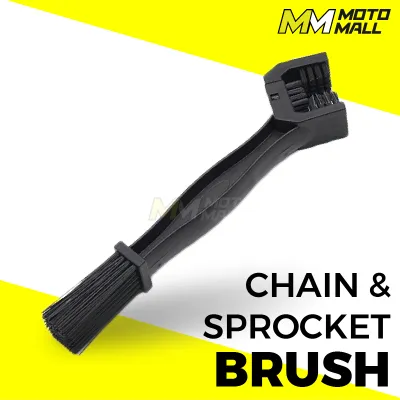
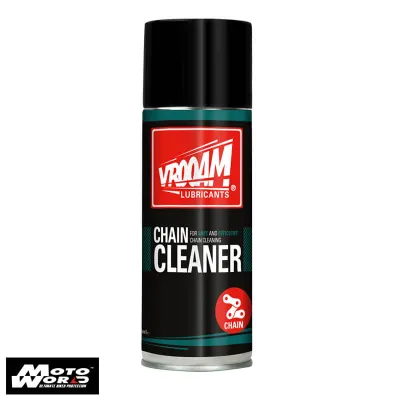
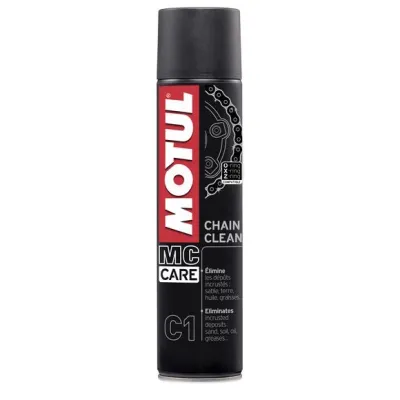
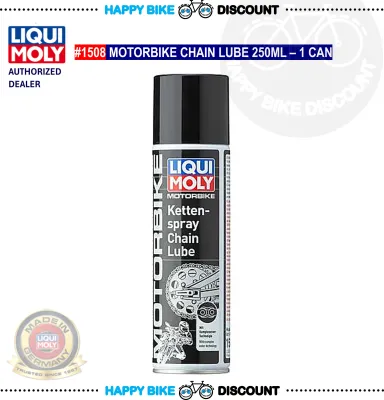
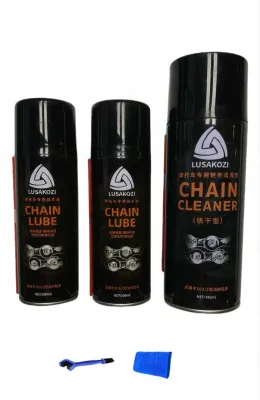
Prices are valid at publication and may change. Please refer to the product page for the latest price.
Gather all your tools and materials before you begin the cleaning process. You will need a can of IPONE chain cleaner, a dedicated three-sided chain brush (or a soft-bristled nylon brush), several clean microfiber cloths, and a compatible chain lubricant for the final step. Having these items within arm’s reach prevents interruptions and ensures you can complete the process efficiently without leaving the motorcycle unattended.
It is vital to verify your chain type before applying any chemical cleaner. Modern motorcycles typically use sealed chains, such as O-ring, X-ring, or Z-ring designs, which rely on internal rubber seals to lock grease inside the chain rollers. Standard unsealed chains do not have these rubber components. Always inspect your motorcycle manual and check the IPONE chain cleaner product label to confirm that the formula is explicitly safe for sealed rings, as incompatible solvents can degrade rubber seals rapidly.
Safety must remain your top priority during this entire procedure. Ensure the motorcycle engine is completely switched off, the ignition key is removed, and the transmission is in neutral. Additionally, wait until the engine, exhaust pipes, and the chain itself are cool to the touch. Working on a hot motorcycle poses severe burn risks, and high temperatures will cause the aerosol solvents in the cleaner to evaporate too quickly, reducing their cleaning efficiency.
Step-by-Step Guide to Applying IPONE Chain Cleaner
Applying the Cleaner and Agitating the Grime
Begin by shaking the IPONE chain cleaner can thoroughly for several seconds to ensure the active solvents and propellants are fully mixed. Hold the can approximately 10 to 15 centimeters away from the chain. Point the nozzle at the inner run of the lower chain section, spraying directly onto the rollers, inner plates, and outer plates. As you spray, slowly rotate the rear wheel backward by hand to expose new sections of the chain until the entire loop is generously coated.

Once the chain is fully coated, allow the cleaner to sit for the dwell time recommended on the product label. This brief pause allows the specialized formula to penetrate deep into the links, softening hardened road grime, chain fling, and embedded grit. Avoid letting the cleaner dry completely on the chain; the goal is to keep the contaminants suspended in the liquid solvent so they can be easily scrubbed away.
Next, take your dedicated chain brush and begin scrubbing the chain. A three-sided chain brush is highly recommended because it allows you to clean the top, bottom, and sides of the links simultaneously. Gently scrub the entire length of the chain, rotating the rear wheel by hand to access every link. Focus extra attention on the areas around the master link and the spaces between the inner and outer plates where dirt tends to pack tightly.
Warning: Extreme Safety Hazard Never, under any circumstances, start the motorcycle engine and put the transmission into gear to spin the rear wheel while cleaning or brushing the chain. This is an incredibly dangerous practice that has caused severe injuries, including finger amputations. Always rotate the rear wheel manually by hand, keeping your fingers well away from the rear sprocket and chain interface.
Wiping Away Residue and Drying the Chain
After thoroughly scrubbing the chain, you must remove the dissolved grime and solvent residue. Take a clean, dry microfiber cloth and wrap it firmly around a section of the chain. While holding the cloth in place with one hand, use your other hand to slowly rotate the rear wheel, pulling the chain through the cloth. You will immediately see black sludge, dissolved grease, and dirt transfer onto the fabric.
Fold the cloth to a clean section or use a second clean microfiber towel to repeat this wiping process. Continue pulling the chain through the clean cloth until the fabric no longer picks up heavy black residue. Wiping the chain thoroughly is crucial because any leftover dirty solvent will simply dry back onto the metal surfaces, leaving a abrasive layer of fine grit behind.
Once the chain is clean, allow it to air dry completely in a well-ventilated area. Do not rush this step by immediately applying new lubricant. If any solvent residue remains trapped inside the rollers or on the outer plates, it will chemically break down and dissolve your fresh chain lubricant. This prevents the new lubricant from adhering properly, causing it to fling off the chain as soon as you ride and leaving your drivetrain unprotected.
Post-Cleaning Lubrication: The Mandatory Final Step
Cleaning your motorcycle chain is only half the job; re-lubrication is a non-negotiable final step. Specialized chain cleaners are highly effective solvents designed to strip away all grease, oil, and contaminants. While this leaves your chain looking pristine, it also leaves the bare steel completely exposed to atmospheric moisture, friction, and heat. Riding on a clean but unlubricated chain will cause rapid metal-on-metal wear, extreme heat buildup, and rust formation within a matter of miles.
To protect your drivetrain, select a high-quality motorcycle chain lubricant that matches your riding conditions and chain type. For general road use, a dedicated IPONE chain lube or an equivalent high-tack lubricant designed for O-ring and X-ring chains is ideal. Ensure the product matches your specific riding environment, whether you require a wet-weather lube for maximum water resistance or a dry-weather lube to minimize dust attraction.
To apply the lubricant correctly, point the spray nozzle at the inside run of the lower chain loop, focusing on the gaps between the inner and outer plates where the rubber seals are located. Slowly rotate the rear wheel backward by hand as you spray, ensuring an even, light coat along the entire length of the chain. Applying the lubricant to the inside of the chain is essential; as the motorcycle moves, centrifugal force naturally pushes the lubricant outward through the rollers, ensuring complete coverage.
After applying the lubricant, wipe away any excess overspray from the side plates of the chain and the rear wheel rim using a clean cloth. Allow the lubricant to sit and cure for the duration recommended by the manufacturer—typically 15 to 30 minutes—before riding. This curing period allows the solvents in the lubricant to evaporate, leaving behind a tacky, protective film that resists flinging off onto your swingarm, rear tire, and riding gear.
Adjusting Maintenance Frequency for Singapore's Climate
Operating a motorcycle in Singapore presents unique environmental challenges that directly impact drivetrain longevity. The tropical climate is characterized by high relative humidity, intense ambient heat, and sudden, heavy monsoon downpours. These conditions accelerate the breakdown of protective lubricants, promote rapid oxidation (rust) on exposed steel, and cause road grime to form a thick, abrasive paste on your chain.
Instead of relying strictly on rigid mileage intervals found in generic owner’s manuals, riders should learn to identify the physical signals that indicate a chain needs attention. Inspect your chain regularly for the following signs:
- Visible Black Sludge: A thick, dark buildup of grease mixed with road dust and grit along the links and sprockets.
- Stiff or Binding Links: Chain links that do not straighten out smoothly as they pass over the sprockets, indicating lack of internal lubrication or dirt intrusion.
- Dry or Squeaking Sounds: A distinct metallic chirping or dry rubbing noise while wheeling the bike or riding.
- Surface Rust: Light orange or brown discoloration on the outer plates, which indicates the protective oil barrier has washed away.
Given Singapore’s frequent rain, you should adjust your cleaning and lubrication schedule dynamically. If you ride through a heavy downpour or on flooded roads, the water can wash away a significant portion of your chain lubricant. It is highly recommended to inspect, clean, and re-lubricate your chain shortly after riding in wet conditions to prevent rust from setting in overnight.
Always use your motorcycle manufacturer’s official maintenance manual as your baseline reference for chain tension and service intervals. However, treat that baseline as a maximum limit. In highly humid and wet environments, proactive inspections and shorter maintenance intervals will significantly extend the lifespan of your chain and sprockets, saving you money on premature replacements.
Frequently Asked Questions (FAQ)
Is IPONE chain cleaner safe for O-ring and X-ring chains?
Yes, provided you verify the specific product labeling before application. Most high-quality IPONE chain cleaners are specifically formulated to be safe for sealed chains, including O-ring, X-ring, and Z-ring designs. It is crucial to use a dedicated motorcycle chain cleaner because generic industrial solvents, petrol, or harsh degreasers can cause the delicate rubber seals to swell, dry out, or crack. Once these rubber rings fail, the factory-sealed grease inside the links escapes, and dirt enters, leading to rapid chain wear, stiff joints, and premature chain failure.
Should I clean the chain immediately after a ride while it is still warm?
It is best to wait until the chain is cool or only slightly warm to the touch before applying aerosol cleaners. While a slightly warm chain can help soften thick, hardened grease, a hot chain from a long ride poses safety and efficiency issues. Spraying highly volatile aerosol solvents onto hot metal components causes the cleaner to evaporate almost instantly, preventing it from dwelling long enough to dissolve the grime. Furthermore, working near a hot exhaust pipe or engine block carries a high risk of accidental burns. Always allow your motorcycle to cool down to a safe temperature before starting your maintenance routine.
Community discussion
Share your experience or ask a question. Comments are reviewed before publication.