
Alcantara is a premium synthetic microfibre textile known for its suede-like texture, durability, and excellent grip. Commonly found on high-wear surfaces like steering wheels, gear shifters, and sports seats, this material is composed of a blend of polyester and polyurethane, meaning it requires entirely different care than natural leather or standard cloth upholstery. Cleaning Alcantara at home using a dedicated product like Sonax Alcantara cleaner is highly effective, provided you use the correct technique. To safely restore the material’s soft, matte finish, you must focus on gentle agitation, minimal moisture, and proper drying. This guide outlines the exact step-by-step process to clean your Alcantara surfaces without causing fraying, matting, or discoloration.
Preparing the Interior and Gathering the Right Tools
Before applying any liquid cleaner to your car’s interior, proper preparation is essential to safeguard the delicate fibers of Alcantara. Start by consulting your vehicle manufacturer’s owner’s manual. Many manufacturers provide specific guidelines or restrictions regarding interior textile care, which must be cross-referenced with the instructions on your Sonax product label. Testing the cleaner on a small, hidden area of the material first is a highly recommended practice to ensure colorfastness and compatibility.
Next, assemble your detailing toolkit. You will need a dedicated Alcantara or textile cleaner, such as Sonax Upholstery & Alcantara Cleaner. Avoid using general-purpose household cleaners, dish soaps, or harsh degreasers, as these can strip the material’s protective properties and leave sticky residues that attract more dirt. For application and agitation, secure a soft-bristle interior detailing brush, such as a natural horsehair brush. Stiff synthetic bristles are too abrasive and can tear or pill the microfibres. You will also need several clean, high-quality, light-colored microfiber towels. Light-colored towels are preferred because they allow you to easily monitor the amount of dirt being lifted from the surface.
Products mentioned in this guide
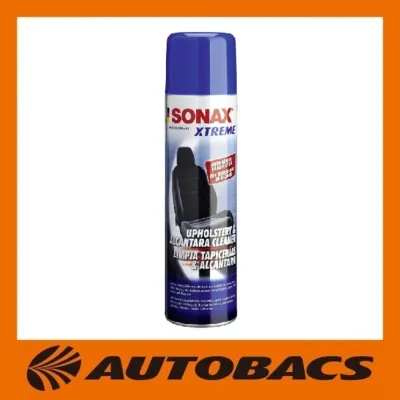

Prices are valid at publication and may change. Please refer to the product page for the latest price.
The final preparation step is a thorough vacuuming of the entire area. Loose dust, sand, crumbs, and road grit settle deep within the Alcantara nap over time. If you apply a liquid cleaner directly over this loose debris, the moisture will dissolve the dirt, and the brushing action will grind these abrasive particles deeper into the fibers. This can cause premature wear and permanent staining. Use a vacuum cleaner equipped with a soft brush attachment to gently lift loose particles from the seats, seams, and steering wheel crevices. Work systematically, applying minimal pressure to avoid crushing the delicate pile.
Step-by-Step Cleaning Technique for Seats and Steering Wheels
Once the surface is free of loose debris, you can begin the wet cleaning process. The key to cleaning Alcantara is moisture control; the material should never be allowed to become completely saturated. Read the Sonax product label carefully to determine the recommended application method. For most Alcantara cleaners, the safest approach is to apply the product to your applicator rather than spraying it directly onto the surface. This is especially critical for high-wear areas like steering wheels and gear selectors, where oversaturation can seep into underlying electronics or adhesive layers.

To clean a steering wheel or a specific section of a seat, spray a moderate amount of the Sonax cleaner onto your soft-bristle brush or a clean microfiber towel to create a light foam. Gently work the foam into the Alcantara using light, circular motions or straight, unidirectional strokes. Do not press down hard or scrub aggressively. The foaming action of the cleaner is designed to emulsify and lift oils, sweat, and dirt from the microfibres without requiring heavy physical force. If you are cleaning a large seat section, work in small, manageable zones to prevent the cleaner from drying on the surface before you can wipe it away.
After agitating a section, immediately use a clean, slightly damp microfiber towel to lift the suspended dirt and excess foam. Dampen the towel with clean water and wring it out thoroughly so it is barely moist. Gently wipe the treated area in one direction to pull the residue away from the fibers. Avoid rubbing back and forth, as this can push the dirty foam back into the material. Rinse your microfiber towel frequently in a bucket of clean water, wringing it out completely each time, to ensure you are not simply spreading dirt around the cabin.
Throughout this process, establish clear stopping conditions to protect your interior. If you notice any color bleeding onto your microfiber towel, stop cleaning immediately. Color transfer indicates that the dye in the Alcantara is unstable or that the material has been previously treated with incompatible chemicals. Other signs to watch for include excessive foaming that does not lift easily, or the material beginning to feel unusually stiff or rough under your brush. If any of these conditions occur, cease application, blot the area dry with a clean towel, and allow it to air-dry completely before assessing the surface.
Drying and Restoring the Suede-Like Texture
After completing the cleaning steps, the Alcantara will feel damp and the nap will likely appear flat or matted. Proper drying is just as important as the cleaning phase to ensure the material regains its original soft, uniform texture. Alcantara must always be allowed to air-dry naturally. Ensure the vehicle is parked in a well-ventilated, shaded area with the windows or doors left open to facilitate airflow. In warm, humid tropical climates, maintaining excellent ventilation is crucial to prevent moisture from lingering in the cabin, which can lead to musty odors or mold growth.
Never attempt to speed up the drying process using direct heat sources. Devices such as hair dryers, heat guns, or space heaters generate intense heat that can easily melt or permanently distort the synthetic polyester and polyurethane fibers of Alcantara. Similarly, avoid parking the vehicle in direct, intense sunlight while the material is drying, as UV exposure combined with moisture can accelerate fading and degrade the material’s structural integrity. Patience is required; let the surfaces dry completely, which may take several hours depending on ambient humidity and airflow.
Once the Alcantara is entirely dry to the touch, you will notice that the fibers may still look somewhat flat or feel slightly stiff. This is a normal reaction to the wet cleaning process. To restore the signature suede-like feel, take a clean, dry, soft-bristle brush and gently brush the surface in multiple directions. This action lifts the individual microfibres, opening up the nap and restoring its uniform, matte appearance. You can also use a clean, dry microfiber towel to gently buff the surface in circular motions to further soften the texture.
With the nap restored, perform a final inspection of the surface under good lighting. Look for any remaining spots, stains, or uneven areas. If a stubborn stain persists, evaluate whether a second, lighter cleaning pass is safe. Refer to the Sonax product’s reapplication guidelines to ensure you do not overwork the material. If you decide to spot-treat a remaining stain, keep the application highly localized and use even less moisture than before. Never attempt a second pass while the material is still damp from the first round of cleaning.
Avoiding Common Mistakes and Knowing When to Stop
Maintaining Alcantara at home is highly rewarding, but it requires strict adherence to safe detailing practices. The most common mistake DIYers make is over-wetting the material. Flooding Alcantara with liquid cleaner or water can cause the moisture to penetrate deep into the backing foam of the seats or steering wheel. This not only risks adhesive failure—causing the fabric to separate from its backing—but also creates a breeding ground for mold and mildew inside the cushion. Always work with dry foam or a damp applicator rather than soaking the surface.
Another critical error is using improper tools or harsh chemicals. Never use stiff nylon scrub brushes, kitchen sponges, or abrasive scouring pads, as these will quickly fray the microfibres, leading to permanent pilling and bald spots. Similarly, avoid substituting dedicated Alcantara cleaners with household detergents, glass cleaners, or leather conditioners. Leather conditioners, in particular, are formulated to penetrate animal hides and will leave a greasy, sticky residue on synthetic Alcantara, permanently matting the fibers and attracting dirt like a magnet. Keep your cleaning products strictly limited to those authorized for automotive textiles.
It is also vital to recognize the limits of at-home maintenance. While high-quality cleaners like Sonax are excellent for routine dirt and light oils, some issues require professional intervention. Deep-set body oils that have accumulated over years of neglect can cause the Alcantara on a steering wheel to become completely flat, shiny, and hard. In these advanced stages, the fibers may have bonded together or worn away entirely. Severe dye transfers from dark denim clothing, or dark liquid spills (such as coffee or ink) that have soaked deep into the underlying foam, are also extremely difficult to remove safely without professional extraction equipment.
If you find that a stain does not budge after two gentle cleaning attempts, or if the material remains stiff and matted even after thorough drying and brushing, stop your DIY efforts. Continuing to scrub or apply chemicals will only cause irreversible damage, such as tearing the fibers or stripping the dye. At this point, consult a professional automotive detailer who specializes in delicate interior textiles, or contact your vehicle manufacturer for guidance. Knowing when to step back preserves the value of your vehicle’s interior and prevents costly replacement fees.
Frequently Asked Questions (FAQ)
Can I use Sonax Alcantara cleaner on the car headliner?
Yes, you can use Sonax Alcantara cleaner on an Alcantara headliner, but you must exercise extreme caution and modify your technique. Headliners are constructed by bonding a thin layer of fabric to a backing board using specialized adhesives. These adhesives are highly sensitive to moisture, heat, and physical tension. If you oversaturate the headliner or scrub it aggressively, the adhesive can dissolve or fail, causing the fabric to sag or detach completely from the roof.
To clean the headliner safely, never spray the cleaner directly onto the ceiling. Instead, spray a small amount of the Sonax cleaner onto a clean, dry microfiber towel to create a light foam. Gently blot or wipe the soiled areas of the headliner using very light pressure. Avoid any scrubbing or circular motions that could pull at the fabric. Work in small sections and use a second, dry microfiber towel to immediately blot away any residual moisture. Keep the vehicle doors open to ensure rapid drying.
How often should I clean my Alcantara steering wheel?
Rather than following a rigid calendar schedule, the frequency of cleaning your Alcantara steering wheel should be guided by your usage patterns and visible signs of buildup. The steering wheel is a primary contact point and rapidly accumulates sweat, hand oils, sunscreen, and dead skin cells. Early signs that your steering wheel needs attention include a slight greasy sheen, a flattened or smooth texture where your hands normally rest, or a darker, slightly tacky feel.
For routine maintenance, a simple wipe-down with a clean, slightly damp microfiber towel every two to three weeks is highly effective at removing daily oils before they can settle deep into the fibers. A deeper clean using Sonax Alcantara cleaner should be performed every few months, or as soon as you notice the nap starting to flatten and lose its soft, suede-like texture. Regular, gentle maintenance prevents the oils from hardening, making the material much easier to preserve over the lifespan of your vehicle.
Community discussion
Share your experience or ask a question. Comments are reviewed before publication.