
Finding a car air freshener that delivers a clean, sophisticated white musk scent while surviving Singapore’s intense heat and humidity requires a careful look at product design and chemical stability. When a vehicle is parked under the tropical sun, cabin temperatures can quickly soar, causing standard air fresheners to evaporate in days, melt into sticky residues, or even leak and damage your interior. To secure a long-lasting white musk fragrance, you must look beyond the scent profile and evaluate the physical format, the thermal stability of the carrier materials, and safe placement strategies within your vehicle.
By understanding how tropical climates interact with fragrance diffusers, you can make an informed choice that keeps your cabin smelling fresh without risking damage to your dashboard or upholstery. This guide breaks down the science of scent evaporation in high temperatures, compares the most resilient air freshener formats, and provides a practical framework for selecting and maintaining your white musk air freshener.
How Heat and Humidity Affect Car Scents
Singapore’s tropical climate presents a unique challenge for any interior car fragrance. When you park your car in an open-air carpark or even under partial shade, the greenhouse effect takes over. Solar radiation penetrates the glass windows, heating up the dashboard, steering wheel, and trapped air inside. Within an hour, cabin temperatures can easily exceed 60°C. This extreme heat dramatically accelerates the kinetic energy of fragrance molecules, causing them to evaporate at a fraction of their intended lifespan.
Products mentioned in this guide
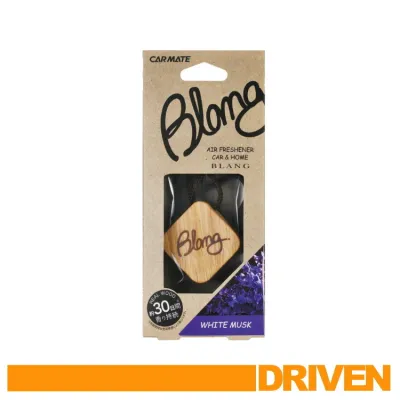
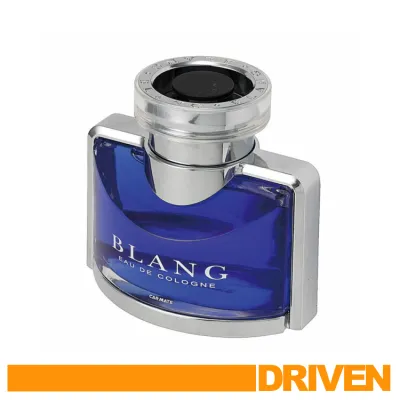
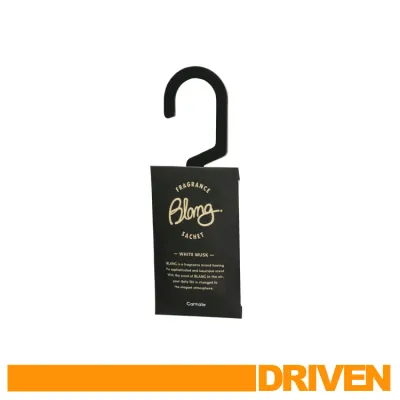
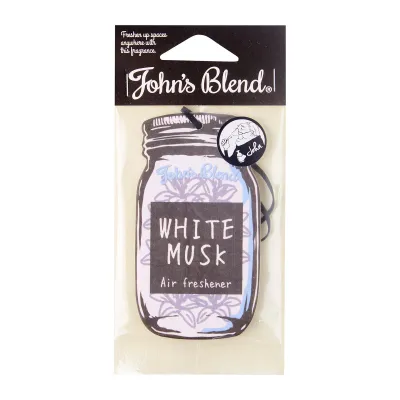
Prices are valid at publication and may change. Please refer to the product page for the latest price.
At a molecular level, high temperatures cause the chemical bonds in fragrance oils to break down more rapidly. Delicate top notes disappear almost instantly, while the heavier base notes—such as white musk—are forced to volatilize much faster than they would in a temperate climate. This rapid evaporation not only shortens the lifespan of the air freshener from months to mere weeks, but it can also alter the scent profile itself. What started as a clean, powdery white musk can quickly degrade into a harsh, overly sweet, or chemical-heavy aroma as the heat disrupts the balance of the formulation.
Physical degradation is another major concern under direct sunlight and trapped heat. Many common air fresheners rely on water-based gels, liquid solutions, or polymer plastics to hold the fragrance. Under intense heat, gel-based fresheners rapidly shrink, crack, and lose their ability to release scent evenly. Liquid-based fresheners face the risk of expansion; as the liquid heats up, pressure builds within the container, which can lead to structural failure, cracking of glass or plastic housings, and subsequent leakage.
Furthermore, pressurized canisters or tightly sealed liquid perfumes pose distinct safety hazards when left in a hot cabin. While actual explosions are rare, the physical expansion of liquids and gases can force the perfume out of its seals, spraying highly concentrated chemical oils onto your dashboard, console, or gear shift. These oils can act as solvents, melting soft-touch plastics, peeling away paint, and permanently staining leather upholstery, leading to costly repairs that far outweigh the price of the air freshener.
Choosing the Right Air Freshener Format for Tropical Weather
To combat the accelerated evaporation and physical risks caused by high heat, you must select an air freshener format engineered for thermal stability. Not all delivery systems are created equal, and some are inherently better suited for tropical climates than others. Comparing these formats side-by-side allows you to identify which designs offer the best balance of longevity, safety, and scent throw.

Solid balms and gel-wax hybrids are highly popular for their spill-proof nature. Unlike water-based gels that dry out and shrink rapidly, high-quality solid balms use a dense, wax-like or compressed fiber matrix that holds the fragrance oils securely. These solids release the scent slowly through passive evaporation and do not liquefy even when cabin temperatures rise. This makes them an exceptionally safe choice for under-seat placement or cup holders, as there is zero risk of liquid spilling or staining your interior.
Ceramic and stone diffusers represent another highly resilient option. These systems utilize porous ceramic, clay, or volcanic stone that has been pre-infused with fragrance oils, or designed to receive manual drops of white musk concentrate. Because there is no liquid reservoir and no plastic housing to melt, ceramic diffusers are virtually immune to heat-induced structural failure. They release the scent gradually as the cabin warms up, and when the fragrance fades, you can simply add a few more drops of oil, making them both durable and cost-effective over the long term.
Vent clips are a convenient choice because they utilize the car’s air conditioning system to distribute the scent. However, in a tropical climate, vent clips can be a double-edged sword. When the air conditioning is running, the cool air slows down evaporation, providing a controlled and pleasant release of white musk. But when the car is parked and the air conditioning is off, the clip remains exposed to the hot air rising from the dashboard. If the vent clip uses a liquid reservoir, this heat can cause rapid passive evaporation or leakage. To mitigate this, look for vent clips that utilize solid ceramic refills or dry polymer sticks rather than liquid cartridges.
Hanging paper cards are the most common and inexpensive format, but they perform poorly in high humidity and heat. The paper medium holds a relatively small amount of fragrance oil, which evaporates rapidly when exposed to the sun. In Singapore’s high humidity, the paper can also absorb moisture from the air, which dilutes the fragrance and can cause the card to warp or degrade. If you choose hanging cards, ensure they hang completely free without touching any plastic or leather surfaces, as the concentrated oils can easily transfer and damage those materials.
Regardless of the format you choose, prioritize products that feature controlled-release mechanisms. Adjustable lids, sliding vents, or membrane barriers allow you to restrict the airflow over the fragrance medium, effectively slowing down the evaporation rate during the hottest parts of the day. Additionally, look for heat-resistant packaging materials, such as aluminum tins, high-grade glass, or thick, UV-stabilized plastics that will not warp or degrade under direct sunlight.
Evaluating White Musk Formulations for Heat Resistance
White musk is a highly sought-after fragrance for vehicles because of its clean, soapy, and comforting profile. However, the longevity of this scent in a hot car depends heavily on the chemical structure of the fragrance formulation. Understanding how white musk is constructed can help you identify products that are chemically equipped to withstand thermal stress.
Most modern white musk fragrances are composed of synthetic musk compounds, such as macrocyclic musks or alicyclic musks, which are designed to mimic the warm, clean scent of natural musk. From a chemical standpoint, synthetic musks are highly stable molecules with high boiling points and low volatility. This inherent stability makes them excellent base notes. In perfumery, base notes act as anchors; they have a heavy molecular weight, meaning they evaporate much slower than top notes like citrus, mint, or light florals. When evaluating a car air freshener, a formulation that relies heavily on these robust base notes will naturally last longer in a hot cabin than a lighter, fruitier scent.
However, the performance of the white musk is also dictated by the carrier medium used in the formulation. Many cheap car perfumes use alcohol or highly volatile solvents as carriers to help project the scent quickly. While this creates a strong initial fragrance, alcohol-based carriers evaporate incredibly fast in hot weather, dragging the white musk molecules out with them and exhausting the product in a matter of days. For tropical climates, look for formulations that use oil-based carriers or solid wax bases. Oil-based carriers have a much lower evaporation rate, allowing the white musk to release gradually and consistently over several weeks.
When shopping, read the product labels and manufacturer specifications carefully. Look for indicators of concentration levels, such as “intense,” “concentrated,” or “premium oil blend.” While these terms can sometimes be marketing jargon, they often indicate a higher ratio of pure fragrance oil to carrier solvent. Additionally, check for expected lifespan indicators. If a manufacturer claims a product lasts up to 60 days, keep in mind that this estimate is typically based on temperate climates (around 20°C to 22°C). In a tropical climate like Singapore’s, you should realistically expect that lifespan to be halved. A product rated for 60 days in temperate zones will likely provide 30 days of consistent performance in a hot vehicle.
Safe Placement and Maintenance to Protect Your Interior
Even the most heat-resistant white musk air freshener can cause issues if it is installed incorrectly or neglected. Proper placement and routine maintenance are essential to protect your vehicle’s interior, ensure your safety on the road, and maximize the lifespan of the fragrance.
First and foremost, observe strict safety boundaries when installing any accessory in your vehicle. Never place air fresheners on or near airbag deployment zones. This includes the center of the steering wheel, the passenger-side dashboard panel, and the side pillars. In the event of a collision, the rapid deployment of an airbag can turn a solid gel tin, a ceramic diffuser, or a vent clip into a dangerous high-speed projectile inside the cabin. Additionally, ensure that hanging cards or dashboard-mounted diffusers do not obstruct your clear view of the road or interfere with the operation of your windshield wipers, indicators, or center console controls.
To maximize the lifespan of your white musk scent, avoid placing the air freshener in direct sunlight. The top of the dashboard, while a popular spot for mounting diffusers, is the absolute hottest area of the car because it receives direct solar radiation through the windshield. Instead, opt for shaded areas that still benefit from cabin airflow. Placing a solid balm tin under the front passenger seat, tucking a diffuser into a door pocket, or mounting a clip on a lower air vent will shield the product from direct UV rays and extreme heat, significantly extending its usable life.
Establish a routine to visually inspect your air freshener every time you clean your car’s interior. Look for early warning signs of physical degradation. For gel-based products, check for excessive shrinkage, cracking, or the formation of liquid pools on top of the gel. For liquid diffusers, inspect the plastic or glass housing for hairline cracks, and check the mounting bracket to ensure it remains secure. If you notice any sweating—where droplets of concentrated fragrance oil form on the outside of the container or on the surface of a solid medium—wipe it down immediately with a dry cloth and move the product to a cooler, more shaded location.
Knowing when to replace or refill your air freshener is key to maintaining a pleasant cabin environment. Do not wait until the scent has completely vanished to take action. Often, as a fragrance nears the end of its life, the pleasant white musk notes will fade, leaving behind a faint, stale, or slightly sour chemical smell. This olfactory cue, combined with visual indicators like a completely dried-out gel, a faded paper card, or a dry ceramic stone, tells you it is time for a replacement. Replacing the product promptly ensures a continuous, high-quality fragrance experience without any gap in performance.
Pre-Purchase Checklist for Online and In-Store Shopping
When you are ready to purchase a new white musk car air freshener, whether browsing an online marketplace or visiting a local automotive accessory shop in Singapore, having a structured verification process will save you time and money. Use this practical checklist to filter out low-quality products that are prone to melting or rapid fading.
- Verify Temperature Ratings: Check the product packaging or online manufacturer specifications for maximum operating or storage temperatures. High-quality automotive air fresheners are often rated to withstand temperatures up to 60°C or 70°C without leaking or melting.
- Analyze the Carrier Medium: Opt for solid balms, ceramic diffusers, or oil-based formulations. Avoid cheap liquid perfumes that list high alcohol content as a primary ingredient, as these will evaporate too quickly in tropical heat.
- Filter User Reviews for Climate Feedback: When shopping on e-commerce platforms, use the search filter within the review section. Search for keywords such as "melt," "leak," "evaporate," "hot car," "Singapore," or "humidity." Reading about the real-world experiences of other local drivers will give you an accurate picture of how the product holds up in daily tropical use.
- Inspect the Mounting and Housing Design: Ensure the product features a robust, spill-proof container. If it is a vent clip, verify that the clip mechanism is sturdy and padded to prevent scratching your vent slats. If it is a dashboard mount, ensure it uses high-quality, heat-resistant adhesive that will not melt and leave a sticky residue on your console.
- Check Shipping and Return Policies: If ordering online, verify that the seller packages the item securely to shield it from extreme heat during transit. Check the return policy to ensure you are covered if the product arrives melted, leaked, or structurally compromised due to heat exposure during delivery.
By systematically running through this checklist, you can confidently select a white musk car air freshener that offers excellent thermal stability, safe operation, and a clean, long-lasting fragrance that turns every drive into a pleasant experience.
Frequently Asked Questions (FAQ)
Does white musk smell different in high humidity?
Yes, high humidity can alter your perception of white musk inside a vehicle. When the air is saturated with moisture, water molecules compete with fragrance molecules for space in the air and on your olfactory receptors. This can cause the clean, powdery notes of white musk to feel heavier, damp, or slightly cloying. Additionally, high humidity prevents sweat and moisture inside the cabin from evaporating quickly, which can mix with the fragrance and create a heavier, more humid scent profile. Ensuring your car’s air conditioning is functioning properly to dehumidify the cabin air will help maintain the crisp, clean quality of the white musk scent.
Are liquid car perfumes safe to leave in a parked car?
Generally, liquid car perfumes carry a higher risk when left in a vehicle parked under the hot tropical sun. The extreme heat causes the liquid inside the bottle to expand, which can build up pressure and force the perfume out through the seals, cap, or seams. If the liquid leaks onto your dashboard, console, or leather seats, the concentrated chemical solvents can strip paint, melt plastics, and leave permanent stains that are incredibly difficult and expensive to repair. If you choose to use a liquid format, ensure it is mounted securely in an upright position away from direct sunlight, or consider switching to a solid balm or ceramic diffuser to eliminate the risk of leakage entirely.

Community discussion
Share your experience or ask a question. Comments are reviewed before publication.